





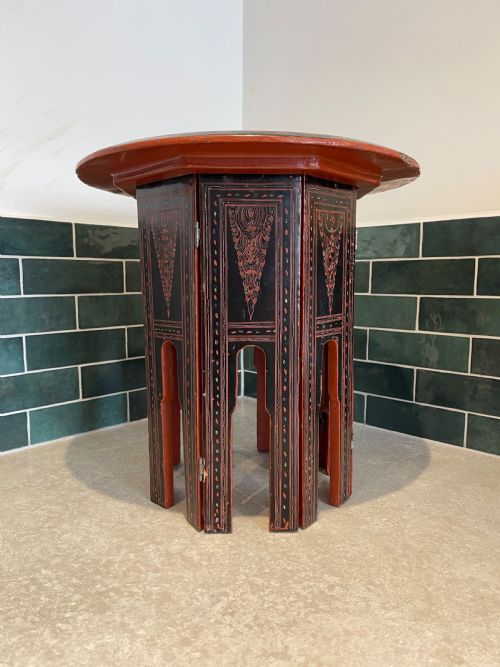


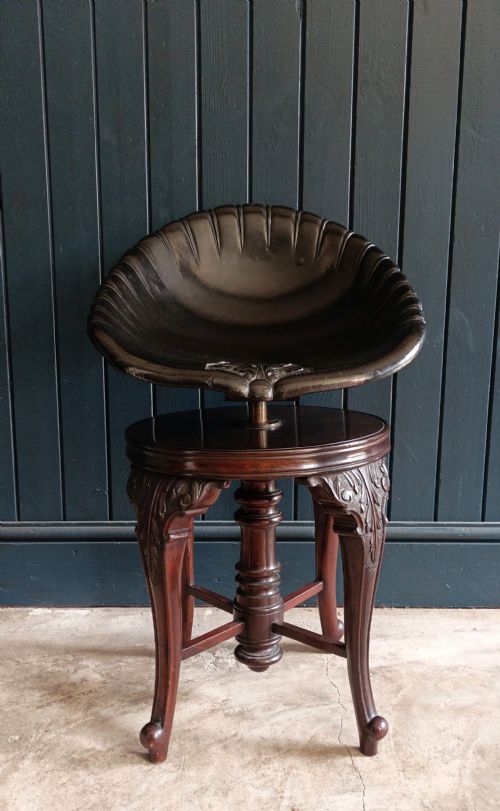


Black Carved Stool
These black carved stool pieces offer striking seating and display options rooted in nineteenth-century and early twentieth-century design.
Black Carved Stool
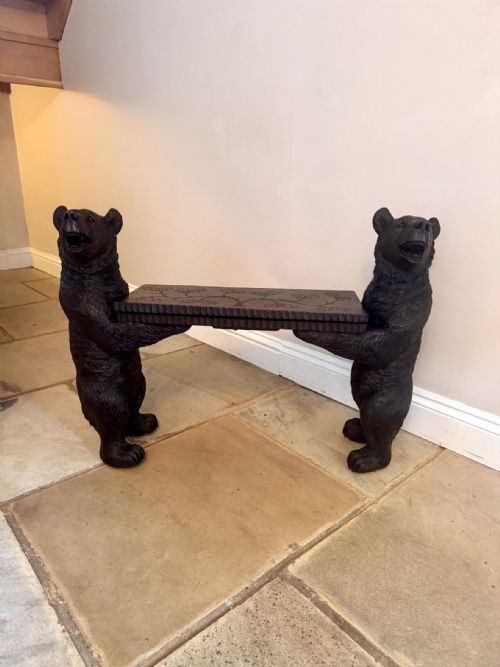
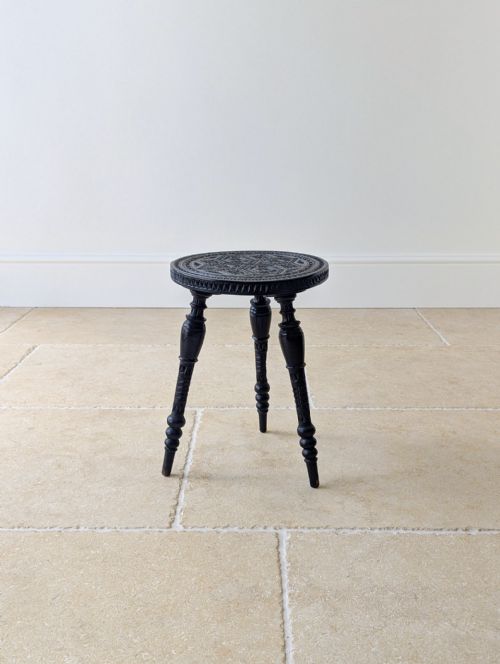
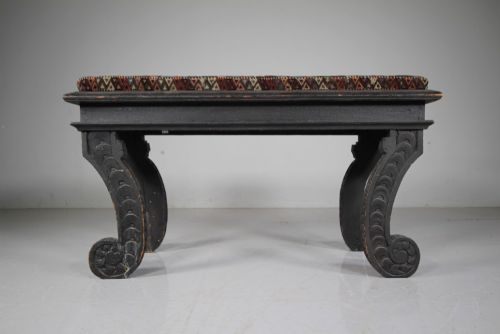
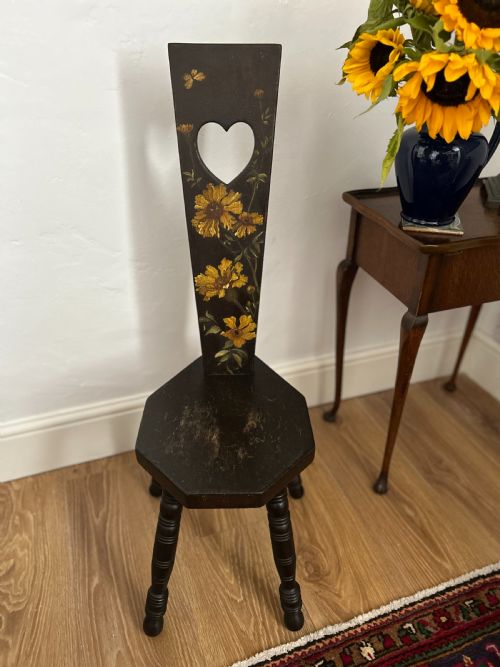
When you search for a black carved stool, you encounter a varied selection of dark-finished and intricately worked seating and small tables from periods such as the Victorian era and the early twentieth century. The items range from music stools and footstools to occasional tables and tribal forms, reflecting global influences from Anglo-Indian and Chinese workshops to African traditions and Welsh folk art.
The most frequent examples on this page combine ebonised wood or dark painted finishes with detailed chip carving, turning, or inset marble tops. These pieces function as versatile surface spaces or compact seats that bring strong dark tones and rich surface texture into a room.
How they were made
Makers utilised hardwoods such as mahogany, walnut, and ebonised timber, alongside pine and metal elements. Surfaces were frequently painted, lacquered, or ebonised to achieve a uniform black tone that highlighted the underlying grain and carved details.
Construction techniques include traditional joinery, chip carving, and turning. Some pieces incorporate specialised mechanisms for swivel or adjustable seats, while others feature bone inlay or inset marble tops.
Black Carved Stool Retail Price Guide 2026
Typical asking prices for black carved stool among the pieces listed under this phrase on Sellingantiques today, from the lower quarter to the upper quarter. They describe what is for sale here now, not the wider market.
Listings feature items spanning the 19th Century, Victorian period, and 1920s, constructed from mahogany, walnut, ebonised hardwood, and painted pine.
What varies in quality
The distinction between standard examples and finer pieces lies in the precision and depth of the carving and the quality of the timber beneath the dark finish. Crisp chip carving and well-executed joinery elevate an object well above simpler production items.
Proportion and the integrity of the ebonised or painted surface also dictate the standing of a piece. Original hardware on adjustable seats and the careful integration of inlays indicate higher atelier standards.
Jennens and Bettridge
The Black Carved Stool Glossary
- Ebonised
- Wood treated with a dark stain or finish to imitate expensive ebony. This dark surface creates a stark backdrop for carved motifs.
- Chip carving
- A form of relief carving where small chips are removed from a flat surface with knives or chisels. It produces geometric patterns with sharp shadows.
- Anglo-Indian
- Furniture made in India during the British period, often combining British forms with traditional Indian carved motifs and materials. These pieces frequently feature dense plant or animal carvings.
- Aesthetic Movement
- A late nineteenth-century design style emphasising visual beauty over narrative subject matter. Objects from this movement often utilise ebonised finishes and clean lines.
- Music stool
- A seat designed specifically for musicians at a piano or harp, often featuring a revolving or height-adjustable top. These provide practical utility alongside decorative carving.
Black Carved Stool: Frequently Asked Questions
What periods do these pieces come from?
The selection spans the nineteenth and early twentieth centuries, including Victorian examples alongside items from the 1920s and 1930s.
Craft traditions represented range from English folk art and the Aesthetic Movement to African tribal works and Chinese Qing Dynasty pieces.
How were these pieces used originally?
Many served specific domestic functions, such as music stools for piano players, footstools, or small occasional tables for holding lamps and ornaments.
Others functioned as plant stands or specialised seating like spinning chairs and window seats.
How do I live with a dark carved item?
These compact dark pieces work well as accent items against lighter walls, providing strong visual contrast and useful surface space in smaller rooms.
Their varied forms allow them to function equally as standalone sculptural pieces or practical seats.
How can I tell different styles apart?
Look to the specific motifs and construction methods, such as geometric chip carving on nineteenth-century tables versus the distinctive turned spindles of Welsh folk art.
Regional characteristics like bone inlay on Indian tables or marble inserts on Chinese pedestals clearly distinguish their origins.