
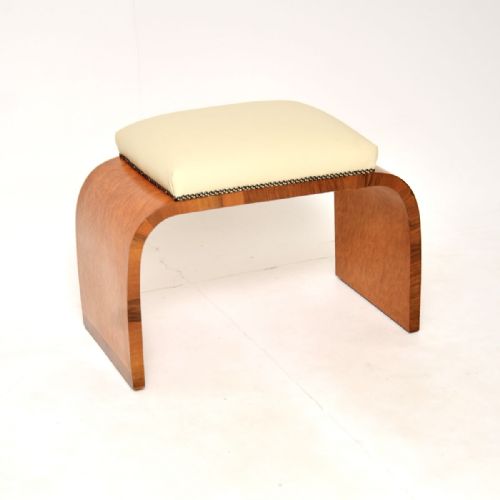


Vintage Dressing Table Seat
A vintage dressing table seat brings functional elegance to a bedroom, offering a supportive perch for morning routines through classic period forms.
Vintage Dressing Table Seat
A vintage dressing table seat encompasses a variety of low stools, piano stools, and side chairs designed to accompany vanity tables in the bedroom. These pieces frequently date from the Victorian, Edwardian, and Art Deco periods, spanning the nineteenth and twentieth centuries.
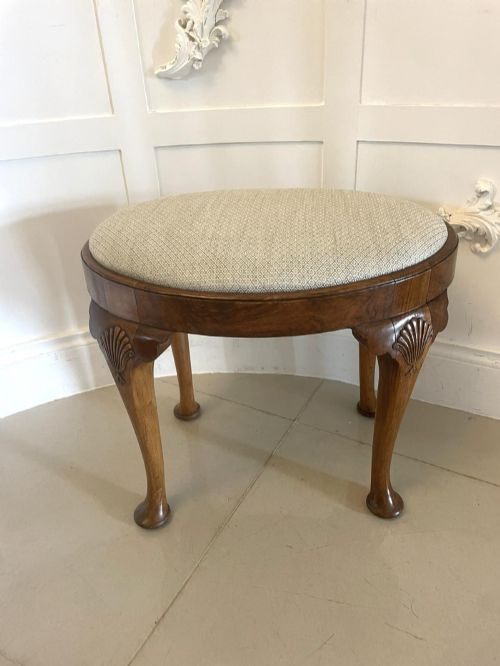
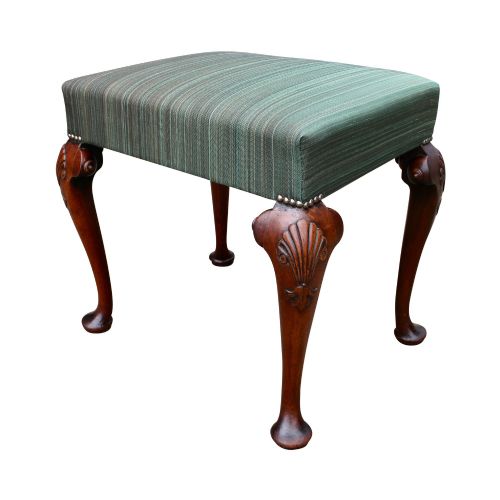
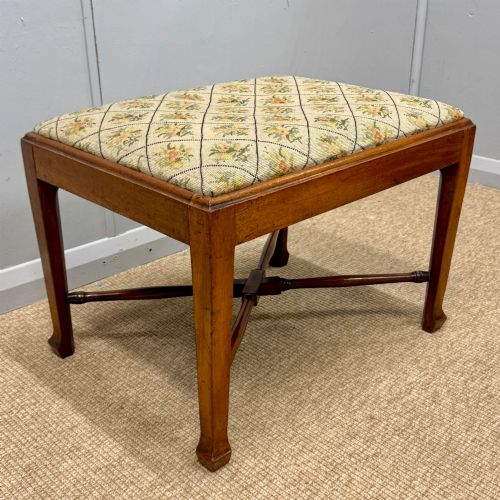
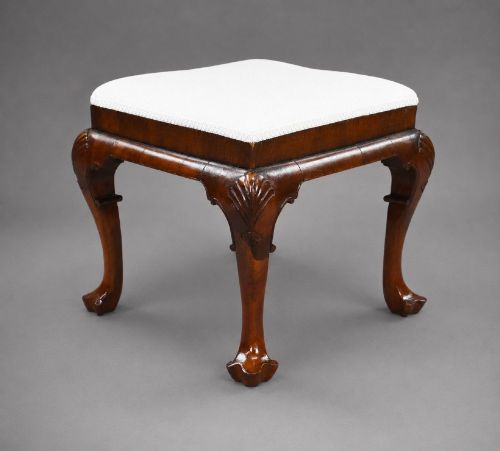
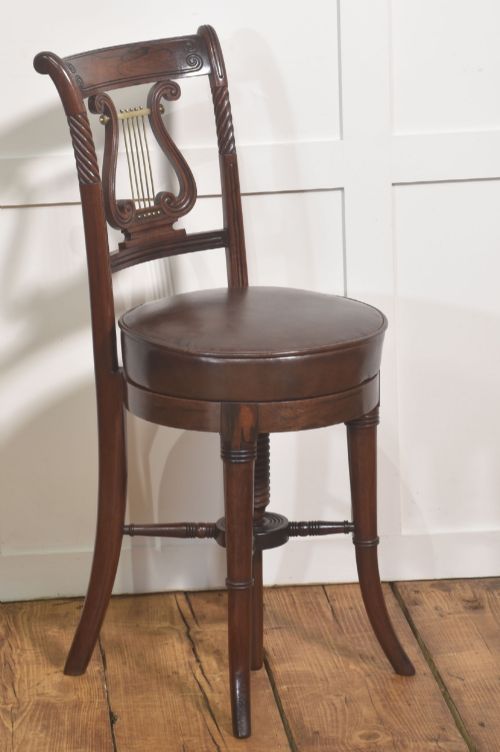
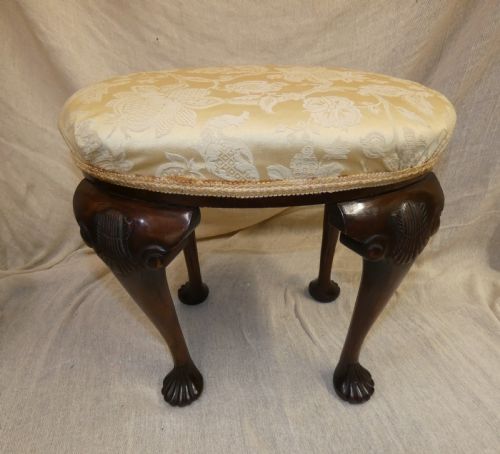
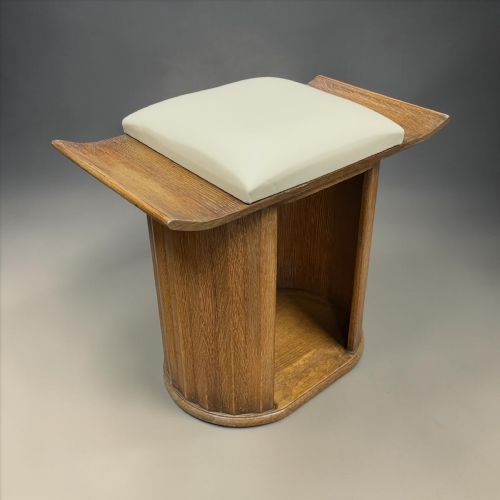
The selection ranges from simple solid wood frames to elaborate Queen Anne style walnut stools featuring cabriole legs and cross stretchers. Buyers will also encounter specialised seating such as adjustable mahogany chairs and rectangular stools equipped with hidden storage compartments.
How they were made
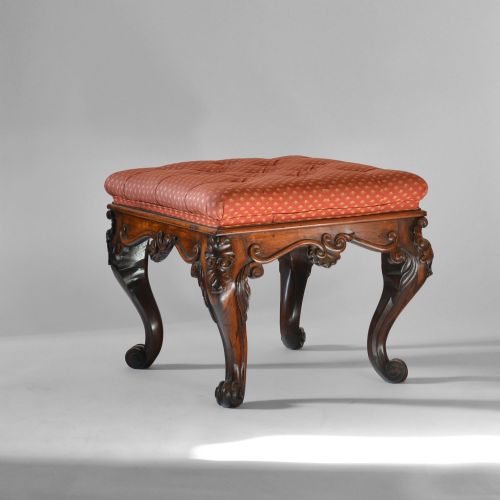
Cabinetmakers constructed these frames using dense timbers like mahogany, walnut, oak, and rosewood, often highlighting burr walnut, birds eye maple, or sycamore veneers. Carved details, giltwood finishes, and inlaid decorations frequently adorn the structural woodwork.
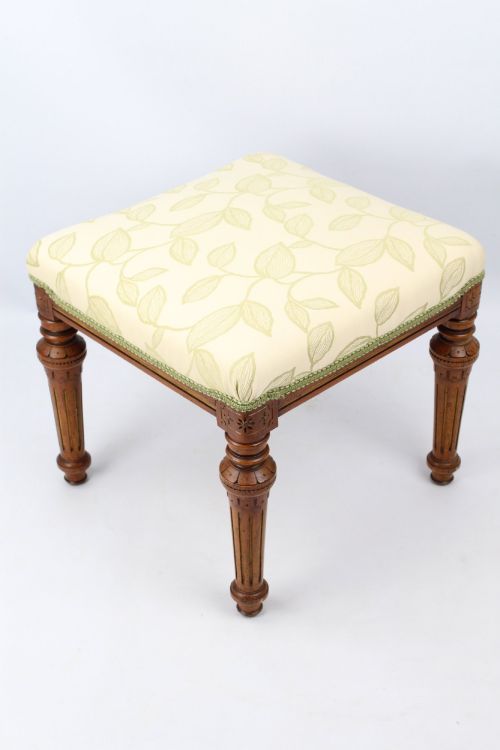
Upholstery forms an essential component, utilising traditional textiles, leather, velvet, and needlepoint fabrics secured over padding. Brass hardware occasionally appears on adjustable mechanisms and decorative foot caps.
Walnut and mahogany dominate the timber selections, appearing alongside decorative fabric, leather, and brass accents.
What varies in quality
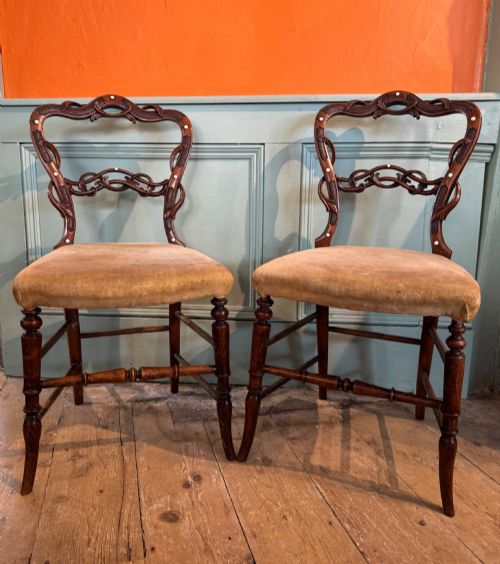
The distinction between standard and exceptional pieces rests upon the choice of timber figurations and the refinement of the carved ornamentation. Finer examples display meticulous craftsmanship in details such as scroll carved backs, twisted rope legs, or distinct cross stretchers.
Makership and structural integrity elevate specific items, particularly when attributed to notable workshops or executed in sophisticated styles like the Georgian Irish manner. The preservation of original materials alongside careful restoration distinguishes superior survivors.
Harry and Lou Epstein·Hille
The Vintage Dressing Table Seat Glossary
- Cross stretcher
- An X-shaped wooden brace connecting the legs of a stool or table to provide extra stability. Cabinetmakers incorporated these supports into both structural and decorative designs.
- Burr walnut
- A prized timber harvested from the irregular growths of walnut trees, yielding intricate, swirling grain patterns. It found frequent favour among Art Deco designers for surface veneers.
- Giltwood
- Timber coated with a thin layer of gold leaf or gilt paint for a decorative metallic finish. This treatment appears on select Victorian and revival period frames.
- Needlepoint
- A type of counted thread embroidery stitched onto a stiff open-weave canvas. It serves as a traditional decorative textile covering for antique stool tops.
Vintage Dressing Table Seat: Frequently Asked Questions
What defines a dressing table seat?
These pieces are compact stools and low chairs specifically proportioned to sit comfortably beneath a vanity or dressing table. They provide practical seating for grooming tasks while complementing the surrounding bedroom furniture.
Designs vary from simple upholstered footstools to elaborate walnut frames with cabriole legs. They bridge the gap between utility and decorative interior furnishing.
How do I identify Art Deco stools?
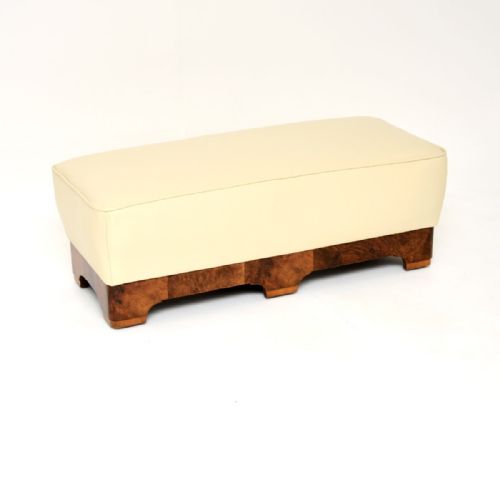
Art Deco pieces generally date from the 1930s and showcase smooth geometric lines alongside exotic wood veneers like birds eye maple or sycamore. Leather tops and built-in storage compartments are common characteristics.
These items reflect a distinct shift away from heavy Victorian ornamentation toward streamlined modernity. They often pair plain walnut surfaces with minimalist leather upholstery.
Were these seats used for pianos?
Many vintage stools served dual purposes as both dressing table seats and piano stools, depending on their height and mechanical adjustments. Adjustable mechanisms allowed musicians and users to alter the seating level.
Some examples feature internal compartments originally designed to hold sheet music or grooming accessories. This versatility makes them adaptable for various rooms in the home.
How do I care for leather upholstery?
Antique leather requires gentle cleaning using specialised conditioners to maintain flexibility and prevent drying out over time. Avoid placing these seats in direct sunlight to protect the natural hide and wood finish.
Regular dusting with a soft cloth preserves the surface sheen. Professional conservation is recommended for older or heavily patinated textiles.