

Antique Curio Showcase
An antique curio showcase brings together glass and timber to hold small treasures, offering a clear view from every angle.
Antique Curio Showcase
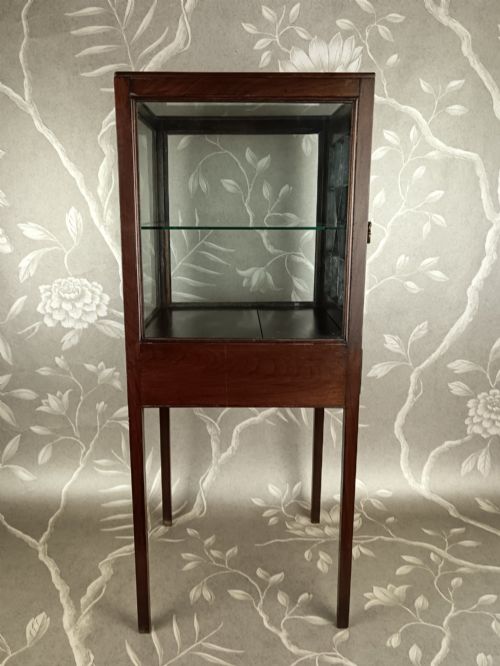
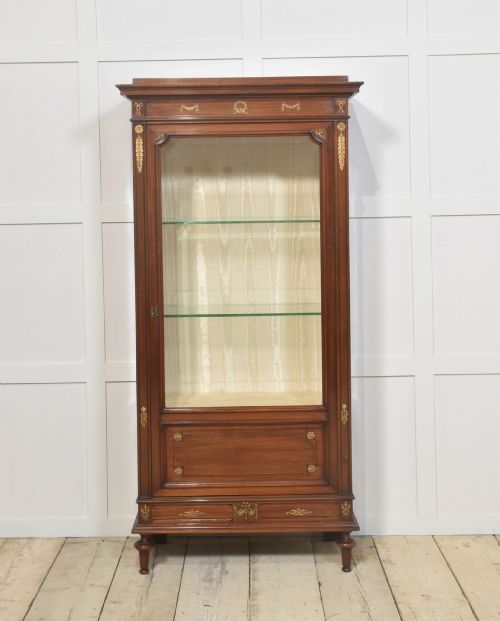
An antique curio showcase is a vessel designed to protect and display small objects, ranging from tabletop domes to tall tower cabinets. You will frequently encounter mahogany and walnut pieces from the Edwardian period and the nineteenth century, built with glazed panels to let light fall across the contents.
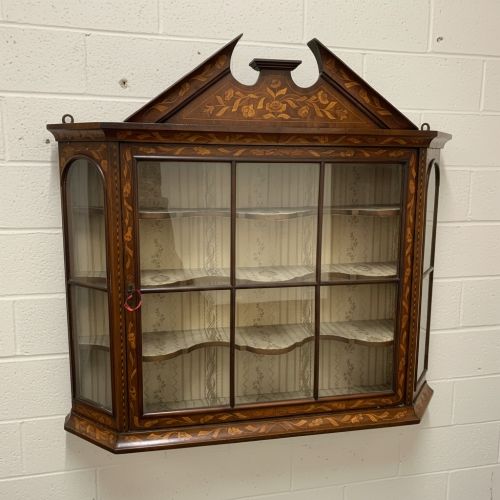
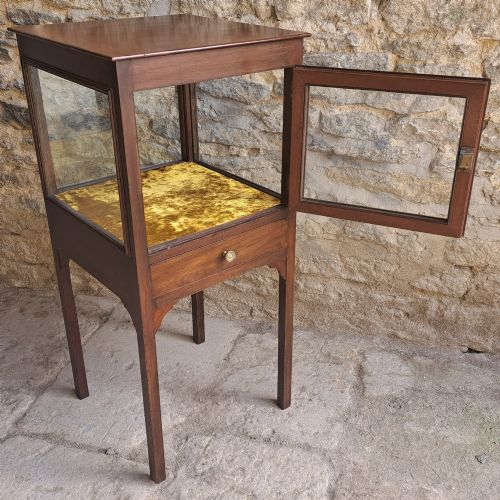
The selection includes wall cabinets, freestanding vitrines, and bijouterie tables with glass tops for viewing items from above. These forms served to organise and exhibit personal collections in drawing rooms and shops alike, employing timbers like satinwood and kingwood alongside glass.
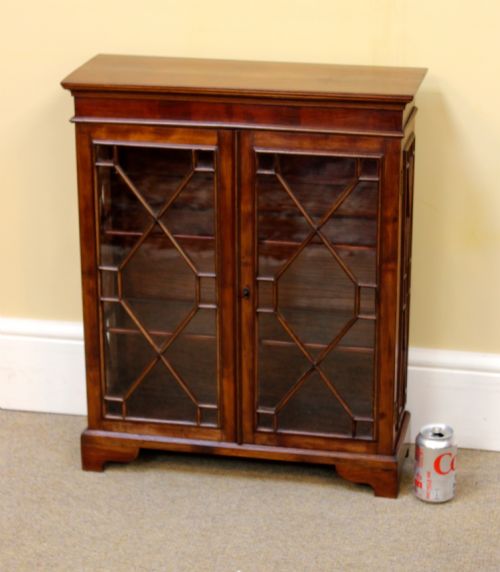
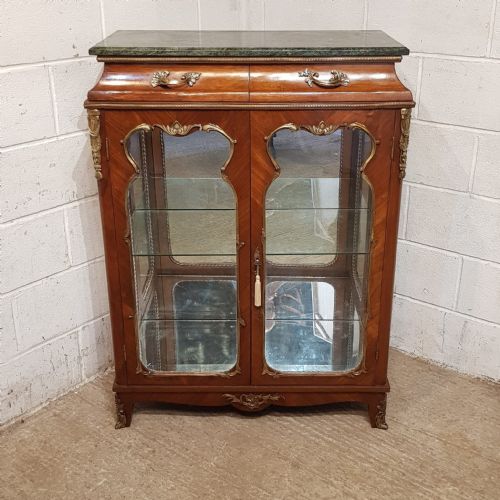
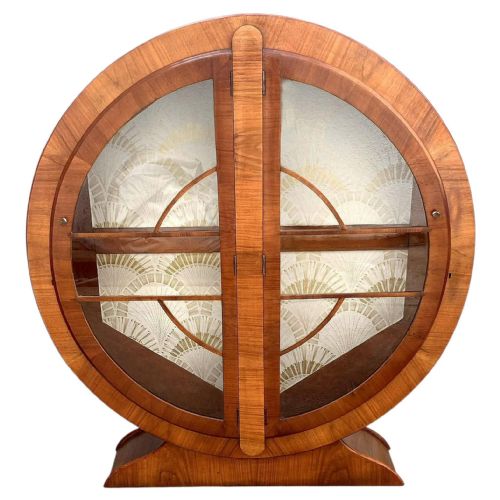
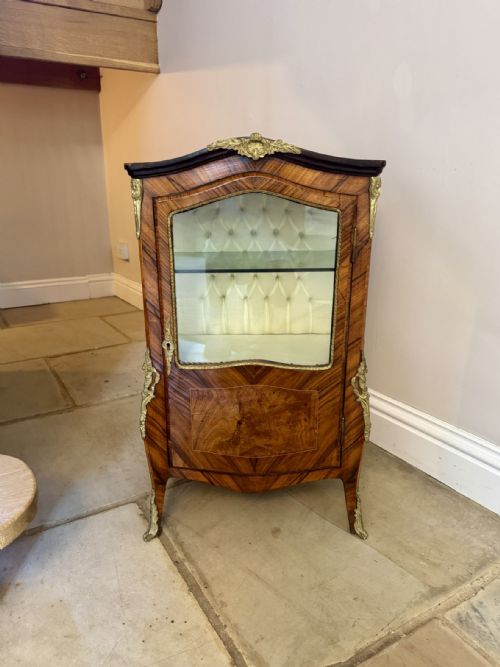
Pieces span styles from Georgian restraint to French Louis XV revival and Art Deco geometry. Whether through compact tabletop display domes with beech bases or large freestanding cabinets, the common thread is the use of glass to enclose and reveal.
Materials and Construction Methods
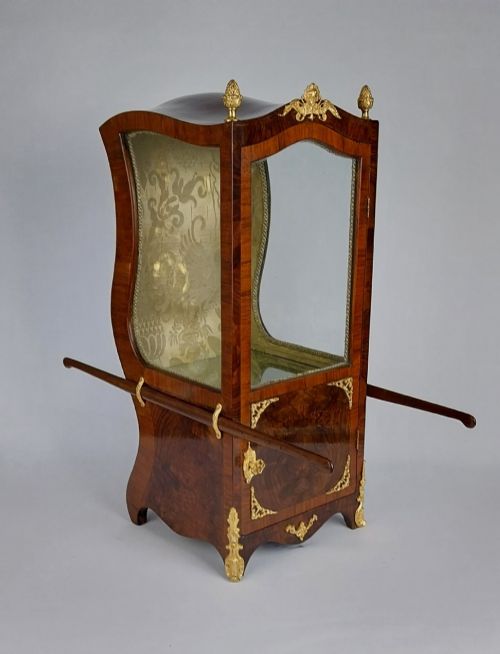
Cabinet makers utilised solid and veneered timbers such as mahogany, walnut, and kingwood, often embellished with marquetry, brass stringing, or ormolu mounts. Frames were joined to support substantial glass panels and glazed doors, creating sturdy enclosures for delicate ornaments.
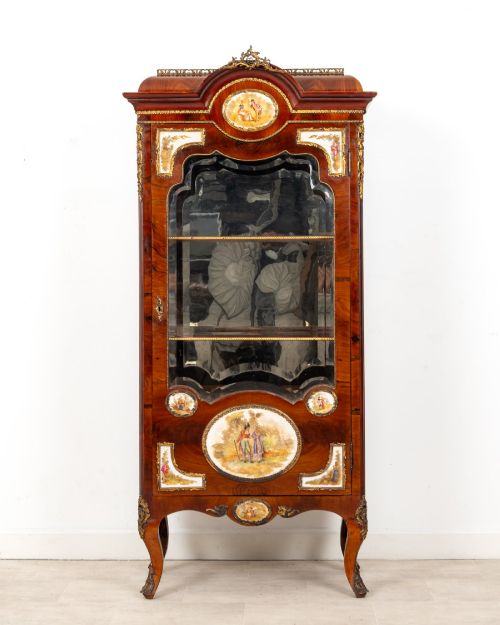
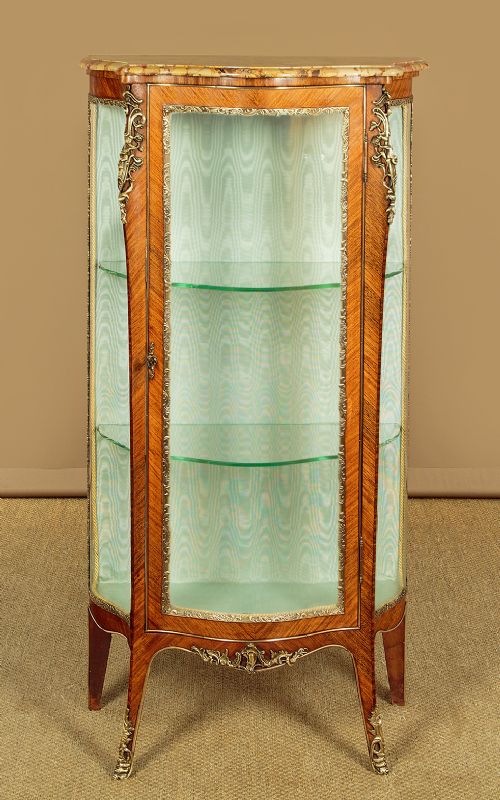
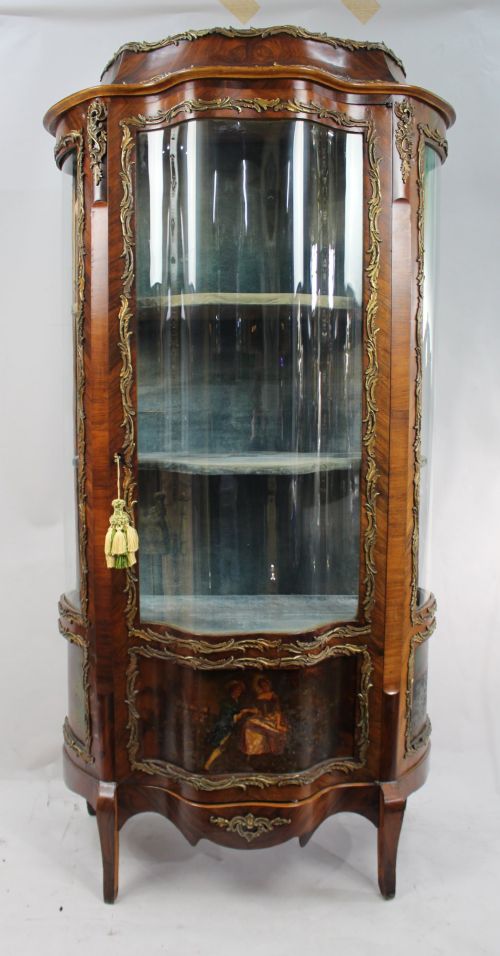
Surface decoration frequently involved floral marquetry or Vernis Martin painted panels, complemented by marble tops on certain French and Victorian examples. Ormolu mounts and gilt metal details were cast and applied to corners and legs, framing the glazed sections with metallic sheen.
The selection includes wall cabinets, standing vitrines, table top cases, and display domes fitted with adjustable glass shelves.
Distinctions in Quality
Quality rests upon the crispness of the timber marquetry, the precision of the brass or ormolu mounts, and the clarity of the glass panes. Superior examples display balanced proportions, finely figured veneers such as burr walnut, and harmonious integration of decorative elements.
Construction details like adjustable glass shelves, well-fitted doors, and stable joints separate standard utility pieces from finely finished salon cabinets. The depth of hand-carving and the intricacy of inlay work mark the distinction between everyday workshop production and accomplished cabinet work.
François Linke·Rurka
The Antique Curio Showcase Glossary
- Vitrine
- A glass-fronted cabinet designed specifically for displaying porcelain, curiosities, and fine objects. These pieces often feature glazed sides to maximise light penetration.
- Bijouterie table
- A glass-topped display table intended for small valuables, jewellery, and medals. The hinged or lifted glazed top allows items to be inspected from above.
- Vernis Martin
- A type of simulated Japanese lacquer developed in France during the eighteenth century and replicated later. It involves multiple layers of varnish to create translucent painted panels.
- Ormolu
- Gilt bronze mounts applied to furniture and cabinets for decorative accent. The technique involves gilding a copper-alloy bronze base with a gold-mercury amalgam.
- Marquetry
- Decorative veneer patterns formed by fitting together thin pieces of wood, shell, or ivory. Craftsmen arrange these materials on furniture surfaces to create pictorial or geometric designs.
Antique Curio Showcase: Frequently Asked Questions
How were table top display cases used?
Table top cases and bijouterie tables sat on desks or dedicated stands to hold medals, coins, and small ornaments within reach. They kept delicate items free from dust while remaining visible for conversation and inspection.
Owners arranged personal collections beneath the glass lid to create miniature exhibitions within domestic rooms.
Are glass domes intended for specific objects?
Glass domes protected fragile ornaments, clocks, and taxidermy specimens from dust and handling. They sat upon wooden bases made of oak, beech, or ebonised wood.
The domed glass created a clear capsule that preserved delicate organic or mechanical items while displaying them on tables or sideboards.
How do I identify Edwardian display cabinets?
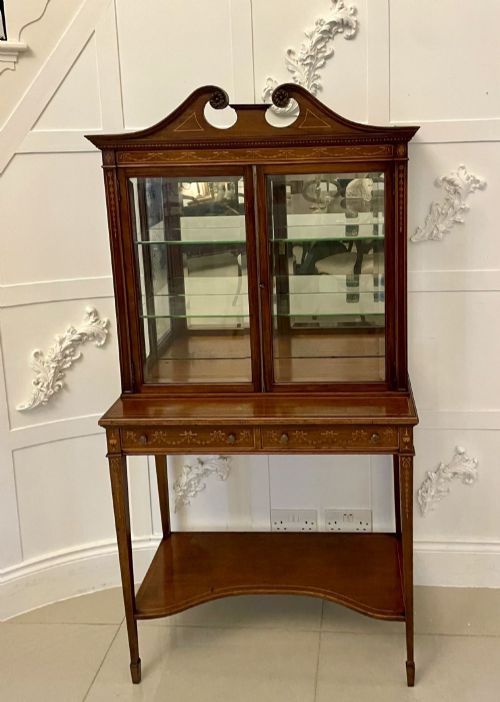
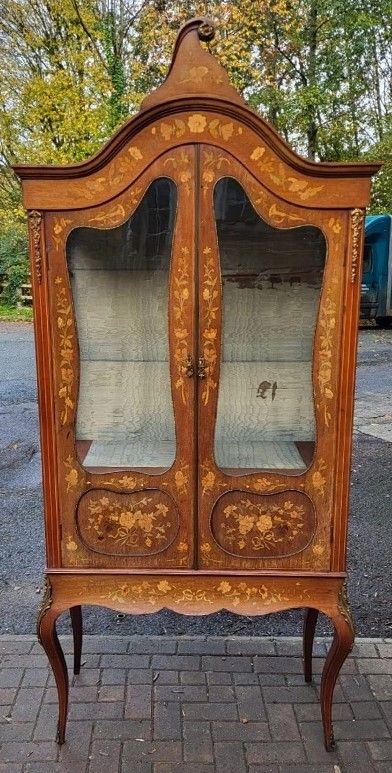
Edwardian cabinets often utilise light mahogany or satinwood crossbanding, reflecting a preference for bright, refined domestic furniture. They frequently incorporate inlaid floral marquetry and slender proportions.
Construction from this era around nineteen hundred balances eighteenth-century revival styles with practical interior shelving for everyday display.