
Antique Crystal Bowl
An antique crystal bowl brings weight and sharp refraction to a table, spanning Georgian drinking vessels to heavy Victorian and Art Deco centrepieces.
Antique Crystal Bowl
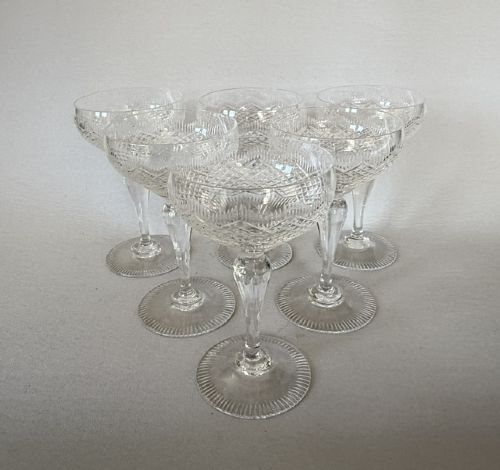
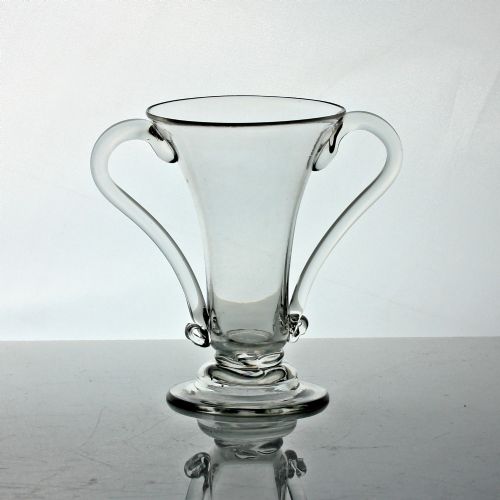
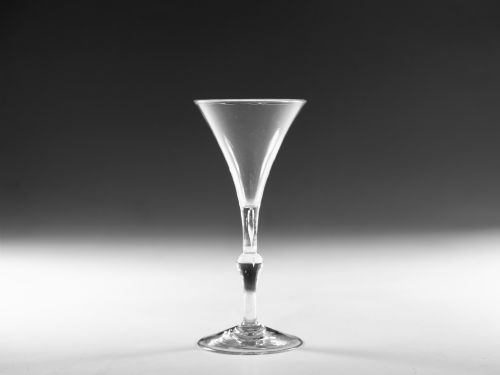
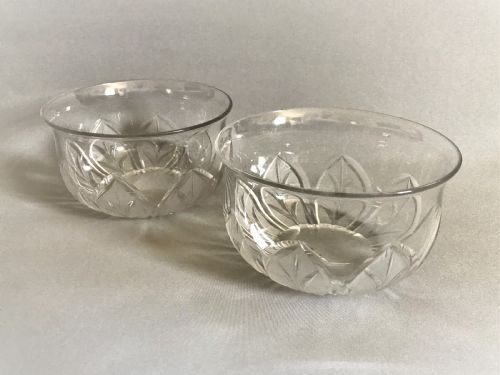
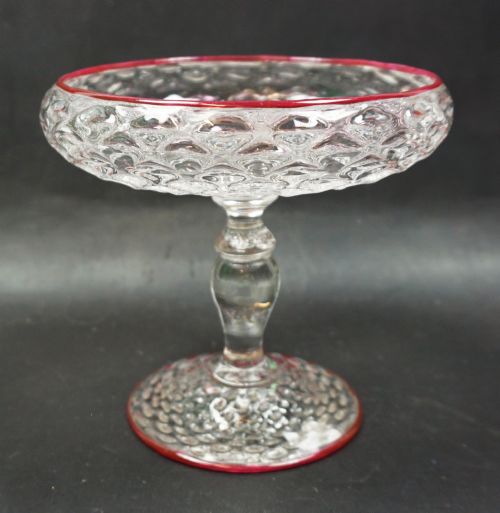
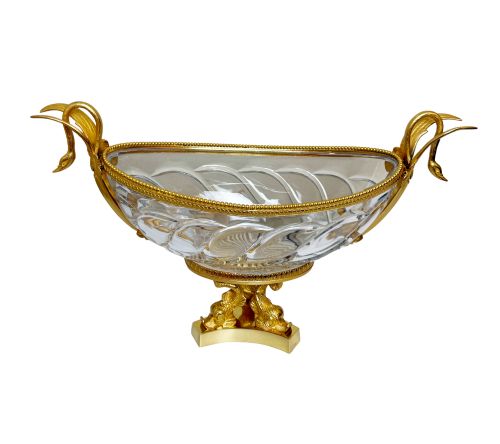
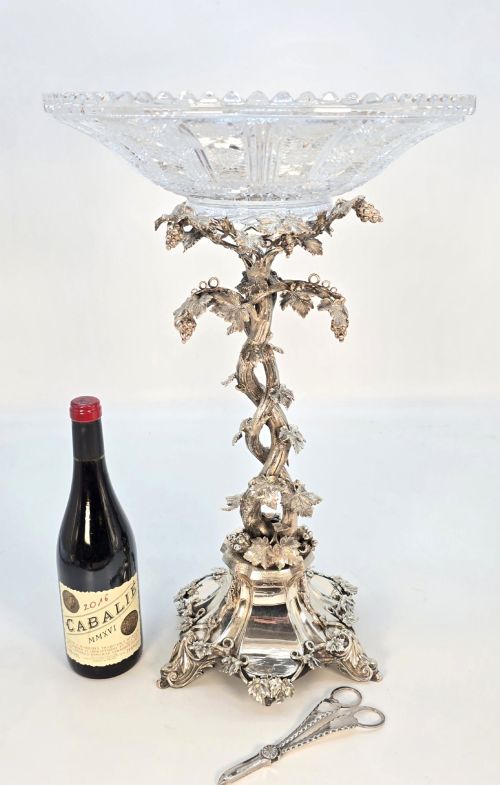
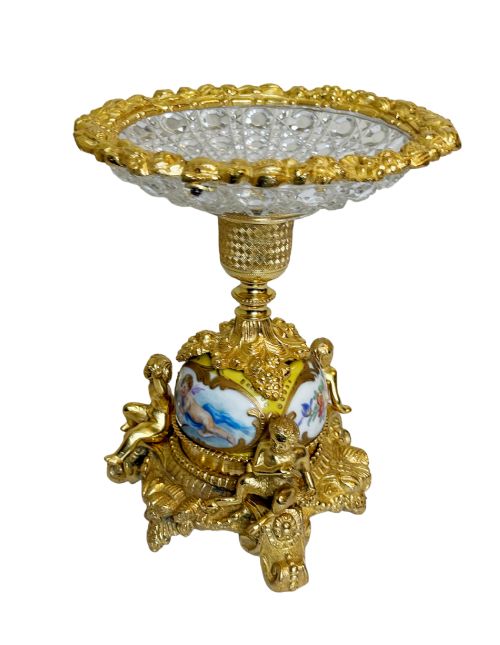
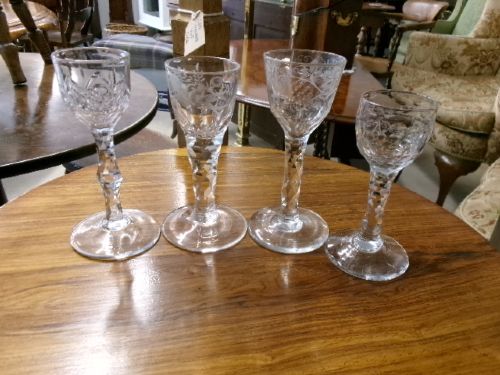
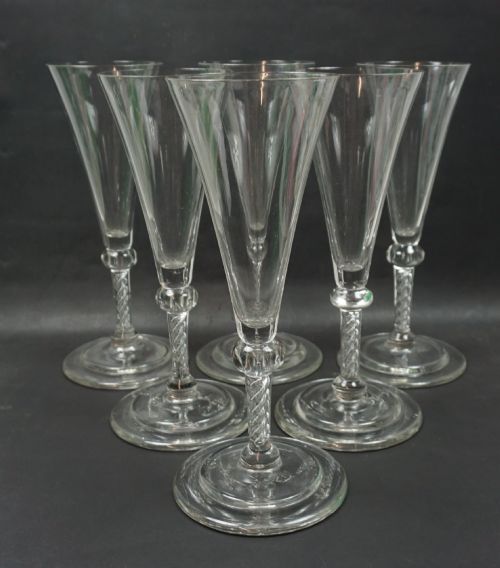
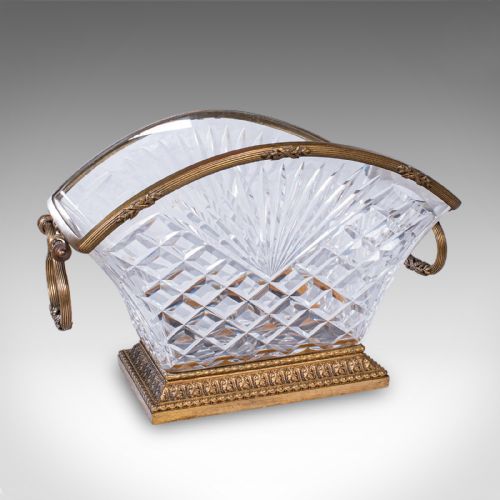
When you search for an antique crystal bowl, you meet a broad mix of functional vessels and decorative centrepieces spanning the eighteenth century to the 1930s. The selection ranges from small Georgian jelly and wine glasses with air or opaque twists to large nineteenth-century table centrepieces mounted in gilt bronze, ormolu, and silver plate.
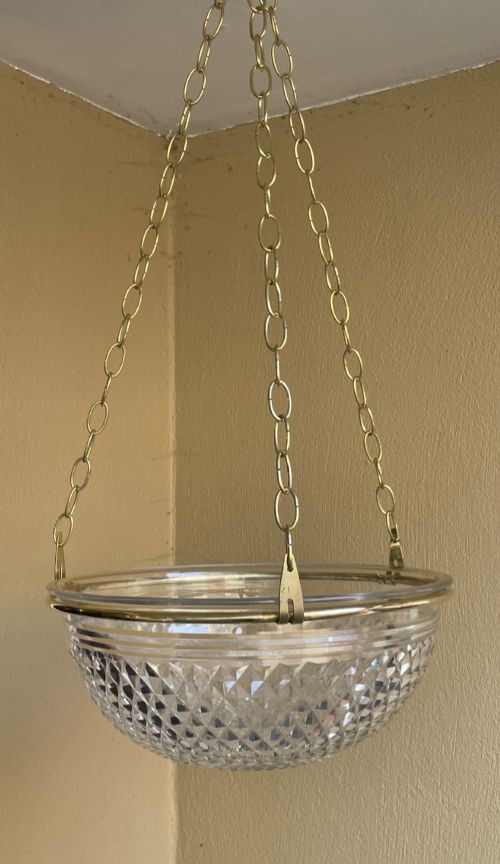
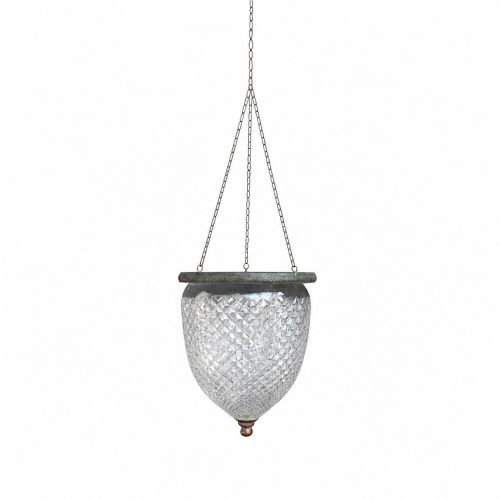
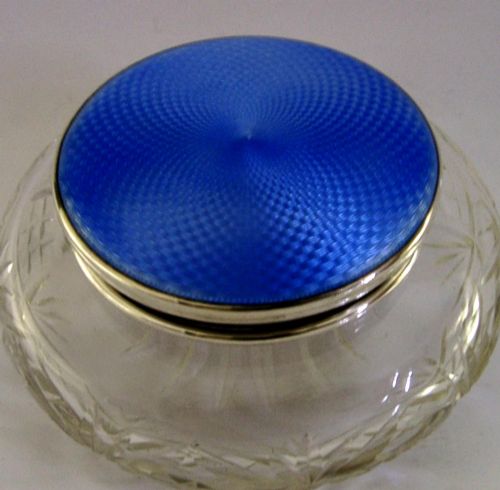
You will also find specialised items such as plafonnier ceiling lights, powder boxes, trinket dishes, and layered glass baskets originating from England, France, and Bohemia. The earlier examples focus on stemware and drinking vessels, while later Victorian and Edwardian pieces lean towards heavy cut glass centrepieces designed for display.
The materials recorded in these pieces include lead crystal, clear glass, cut glass, and coloured glass paired with silver, gilt bronze, and enamel. Whether you require a simple serving dish or a grand mounted centrepiece, the range covers multiple decades of decorative glass production.
Materials and techniques
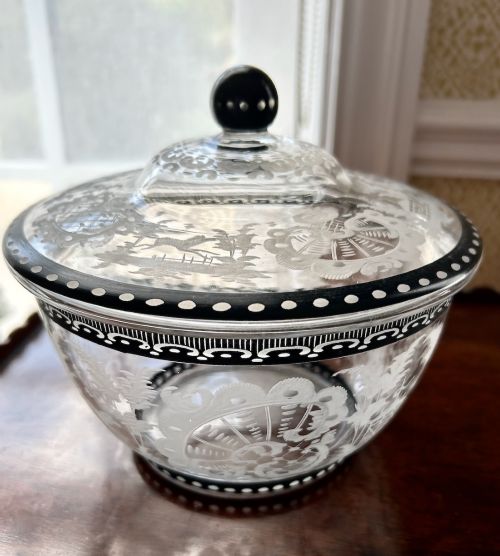
Makers shaped these pieces using heavy lead glass and crystal, applying techniques like wheel-cutting, moulding, and engraving to achieve deep facets and decorative patterns. Honeycomb moulding, floral etching, and frosted finishes appear frequently across Victorian and Edwardian items.
Many centrepieces combine glass bowls with cast metal mounts in gilt bronze, ormolu, or sterling silver, requiring skilled assembly to join the heavy crystal to the metal framework. Coloured glass items often utilise layered techniques, such as red or cobalt blue over clear crystal, which workers then cut through to reveal the contrasting glass beneath.
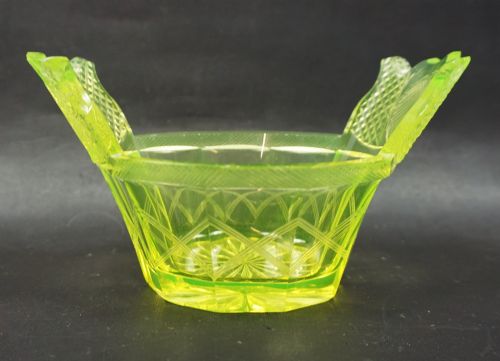
One early nineteenth-century glass dish carries a note assuring buyers that the natural light in the photograph shows actual uranium glass without UV assistance.
Judging quality and execution
Quality rests on the crispness of the cutting, the clarity of the metal, and the integration of any metal mounts. Sharp, clean facets catch the light directly, whereas soft or blurred edges indicate hasty production or heavy wear.
The weight of the lead crystal and the balance of secondary materials like ormolu, silver, or gilt bronze distinguish finer decorative bowls from standard utility wares. Superior pieces display careful finishing on both the glass body and the mounts, with tight joints and harmonious proportions.
Tiffany and Co·Lalique·Val St Lambert
The Antique Crystal Bowl Glossary
- Plafonnier
- A ceiling light bowl mounted flat or close to the ceiling, often made of cut or moulded glass.
- Tazza
- A shallow ornamental bowl raised on a stem and foot, used for serving fruit or sweets.
- Air twist
- A stem formation in drinking glasses containing elongated bubbles spiralling down the glass.
- Opaque twist
- A stem containing white or coloured glass threads drawn into intricate opaque patterns.
- Ormolu
- Gilded bronze mounts used extensively to frame nineteenth-century centrepieces and decorative dishes.
Antique Crystal Bowl: Frequently Asked Questions
Were these bowls used for food?
Many of the smaller bowls and dishes served practical purposes on the dining table, holding jellies, condiments, fruit, or drinking wine during eighteenth and nineteenth-century meals. Larger centrepieces functioned primarily as decorative focal points for the table, though some accommodated fruit or floral displays.
Over time, the function shifted for many items from dining utility to decorative display, particularly for heavy mounted pieces with delicate gilt bronze frames.
How can I tell a Georgian glass from a Victorian one?
Georgian drinking glasses and bowls typically feature hand-drawn stems, pontil marks on the base, and lighter, thinner metal with air or opaque twists. They rely on simple forms or gentle faceting rather than the deep, heavy machine cutting seen later.
Victorian and later pieces generally feel much heavier due to increased lead content, featuring sharp, uniform pressed or wheel-cut patterns, sometimes combined with silver or ormolu mounts.
What is lead crystal?
Lead crystal is a type of glass containing a significant proportion of lead oxide, which increases the weight, brilliance, and refractive index of the material. This composition allows glassmakers to cut deeper, sharper facets that scatter light more effectively than standard soda-lime glass.
The added weight also makes the material more stable for intricate wheel-cutting and gives the vessel a distinct, resonant ring when tapped.