
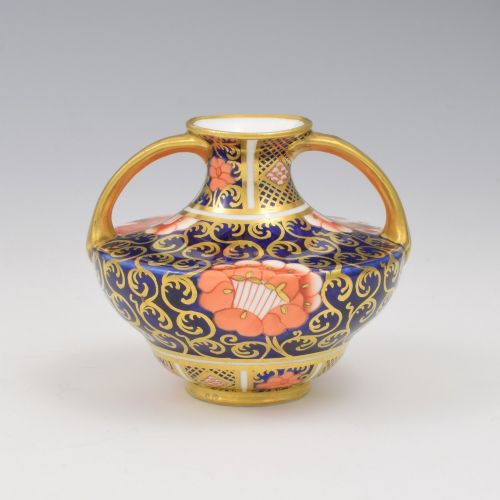


Antique Crown Derby Imari
Antique crown derby imari pieces bring rich blue and iron-red palettes to your table, combining traditional Japanese designs with classic British ceramic forms.
Antique Crown Derby Imari
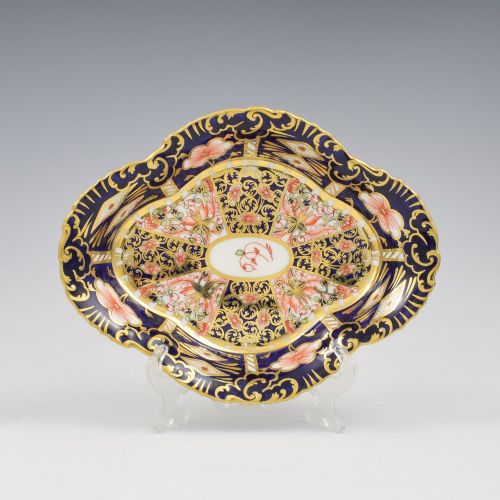
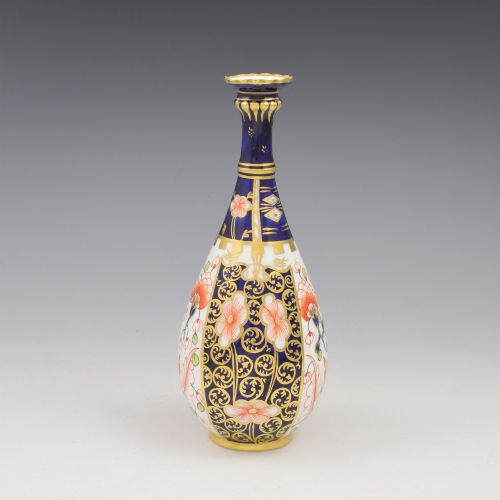
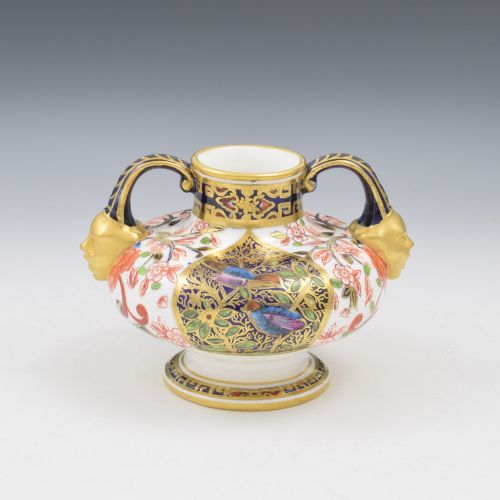
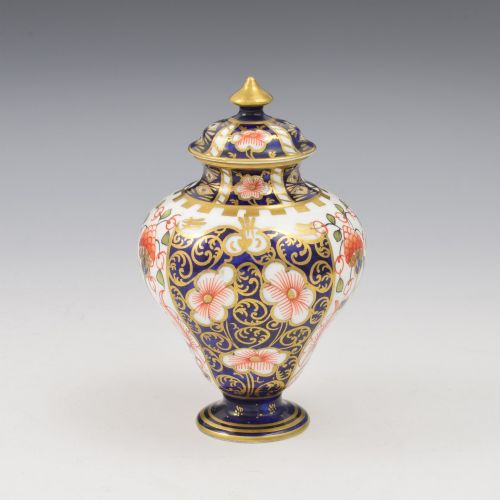
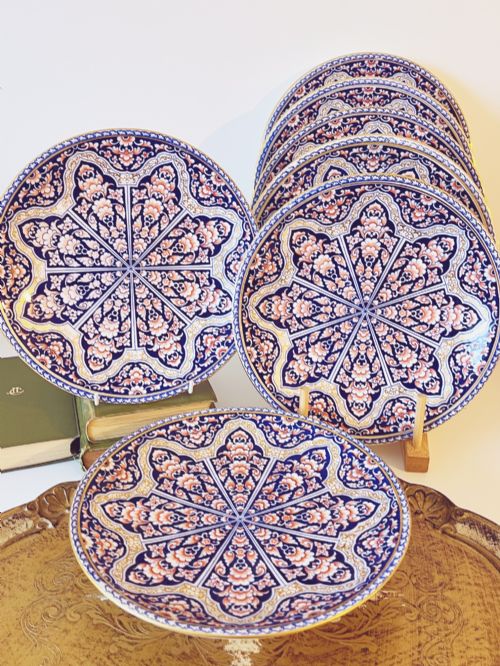
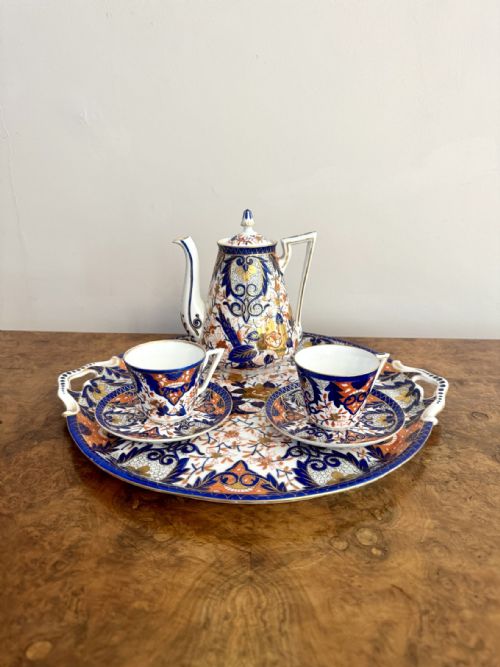
When you search for antique crown derby imari, you encounter a distinct group of ceramic objects shaped by Victorian and Edwardian tastes. These pieces range from decorative plates and dishes to complete dessert services, coffee sets, and miniature vases.
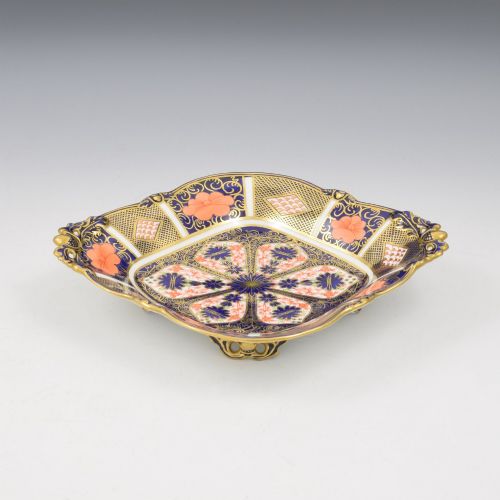
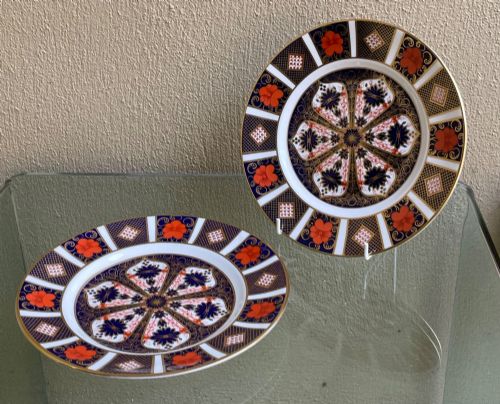
The selection on this page shows a strong presence of the iconic 1128 pattern alongside other traditional designs like pattern 6299 and pattern 4591. You will also find practical items such as biscuit barrels, sugar bowls, and tea sets spanning the late nineteenth and early twentieth centuries.
What varies in quality
Quality in these ceramics rests upon the precision of the hand-painted brushwork and the richness of the gilding applied across the surface. Pieces featuring intricate patterns like the 1128 design demand exceptional control from the decorator.
The crispness of the porcelain moulding and the vibrancy of the enamel colours distinguish finer examples from standard production pieces. Well-preserved gilding without rubbing elevates the overall standing of any item.
You can serve biscuits from a barrel or press your linens with a tiny ceramic flat iron.
Royal Crown Derby
The Antique Crown Derby Imari Glossary
- Imari Style
- A decorative scheme originating in Japan featuring deep cobalt blue, iron-red, and gold accents. British manufacturers adopted this aesthetic extensively during the Victorian and Edwardian eras.
- Bone China
- A type of porcelain composed of bone ash, feldspathic material, and kaolin. It provides a strong, translucent body well suited to intricate tableware.
- Gold Gilding
- The application of gold leaf or gold paint to ceramic surfaces for decorative trim. This finish highlights rims, handles, and pattern borders.
- Dessert Service
- A matched set of plates and serving pieces intended for the final course of a meal. These services frequently include comports and decorative dishes.
- Biscuit Barrel
- A ceramic container fitted with a lid and often a metal handle or rim, designed for storing dry biscuits. Edwardian examples often feature silver plate hardware.
Antique Crown Derby Imari: Frequently Asked Questions
How do I date crown derby imari pieces?
Makers often stamped porcelain with specific date cyphers or pattern numbers on the underside. Reference guides help translate these factory marks to particular years.
Stylistic shifts between Victorian and Edwardian production also offer clear clues regarding the age of a specific item.
What is pattern 1128?
Pattern 1128 remains the most famous Imari design produced by the factory, featuring a complex arrangement of cobalt blue, iron-red, and heavy gilding.
It appears across a wide variety of shapes, from small coffee cups to large serving trays and dessert plates.
How should I clean antique porcelain?
Wash pieces individually in warm water using a mild, non-abrasive detergent and line the sink with a towel to prevent chipping.
Avoid soaking items with metallic gilding or older enamel decorations for extended periods.