





Victorian Porcelain Novelty
These Victorian porcelain novelty pieces bring whimsy and character to any room, offering a charming glimpse into past domestic habits.
Victorian Porcelain Novelty
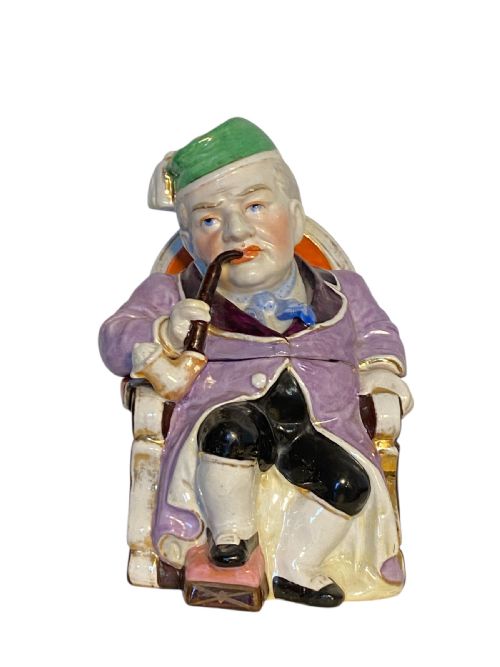
When you search for Victorian porcelain novelty, you encounter small figures, animal lamps, and curious pots designed to amuse and entertain.
The pieces on this page span the nineteenth century and the early twentieth century, originating from English and German potteries.
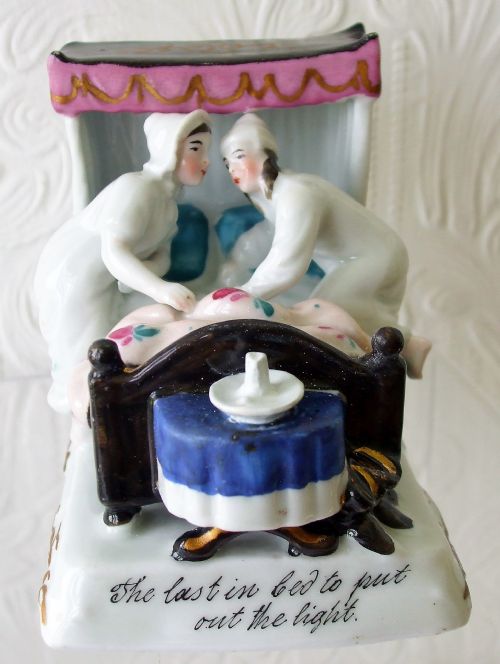
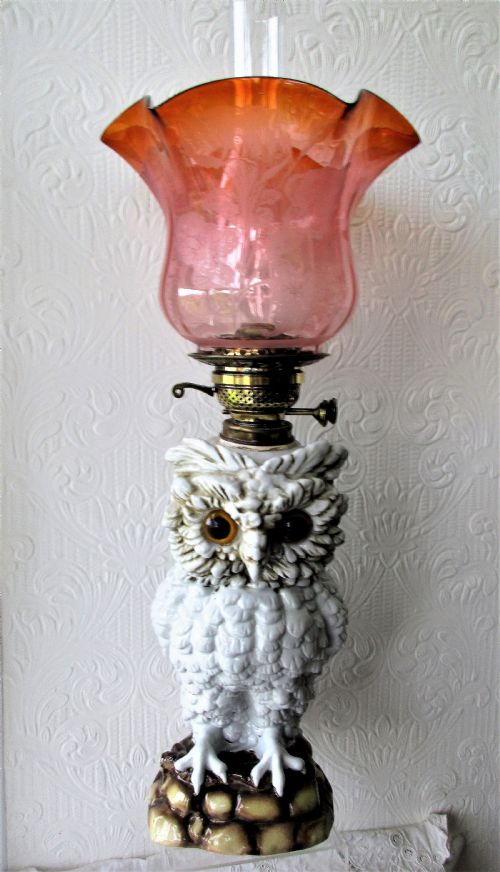
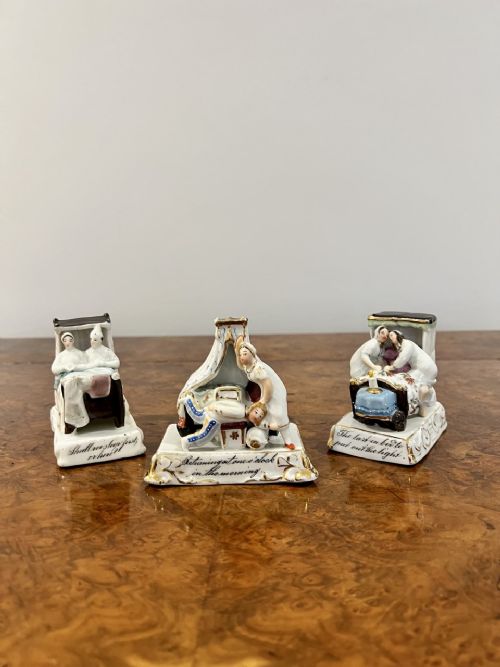
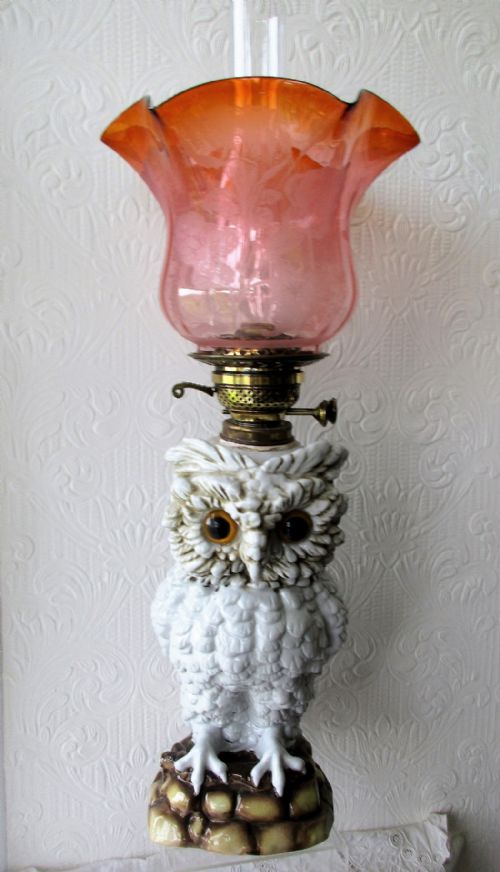
You are most likely to meet animal oil lamps shaped like owls or dogs, alongside porcelain fairings with humorous titles.
Materials and methods of construction
Potters shaped these novelty forms from porcelain and ceramic, often adding enamel decoration, gold leaf, or gilt highlights to define the details.
Mounts and fittings in brass, glass, and sterling silver appear on functional items such as oil lamps and scent bottles.
Moulding and hand painting allowed makers to create distinct textures, from feathered owls to speckled egg surfaces.
Spitz dogs and wise owls stand ready to illuminate your desk.
Judging the standard of manufacture
The integration of secondary materials, such as silver mounts or brass fittings, separates standard production from more ambitious works.
W H Goss·Sitzendorf·Macintyre·Royal Crown Derby·Royal Worcester
The Victorian Porcelain Novelty Glossary
- Fairing
- A small porcelain ornament sold at annual fairs during the nineteenth century, often depicting humorous domestic scenes with inscribed titles.
- Sitzendorf
- A nineteenth-century German porcelain factory known for producing figurines and decorative lamp bases.
- W.H
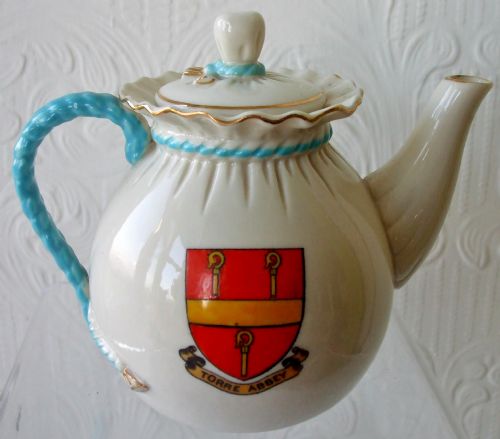
- Goss. An English pottery firm famous for miniature ceramics and crested ware, particularly during the late nineteenth and early twentieth centuries.
- Macintyre
- A pottery company associated with finely decorated ceramic and silver-mounted novelty items.
Victorian Porcelain Novelty: Frequently Asked Questions
What is a porcelain fairing?
A porcelain fairing is a small, humorous ceramic ornament sold at fairs during the Victorian era, usually depicting people or animals in comical situations.
Many of these pieces feature painted titles along the base that explain the joke or scene portrayed.
How were novelty oil lamps used?
Novelty oil lamps served as functional lighting on desks, dressing tables, or smaller rooms while doubling as decorative ornaments.
Animals such as owls and dogs were popular shapes, with the oil reservoir concealed within the porcelain body.
How do I identify German porcelain?
German pieces from this period often display specific factory names or stylistic traits associated with centres like Sitzendorf.
Look for modelled porcelain details and characteristic hand-painted decoration that reflect continental manufacturing traditions.
Where were these pieces made?
The items originate primarily from English and German factories, reflecting different regional styles in ceramics.
English makers often produced miniature wares and crested items, while German potteries specialised in figural lamps and ornamental groups.