


Antique Craft Dining Chairs
Antique craft dining chairs bring honest construction and tactile materials to the table, offering sturdy seating grounded in the movements of the late nineteenth and early twentieth centuries.
Antique Craft Dining Chairs
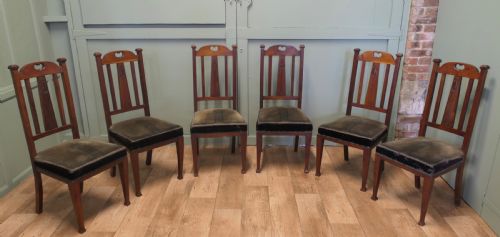
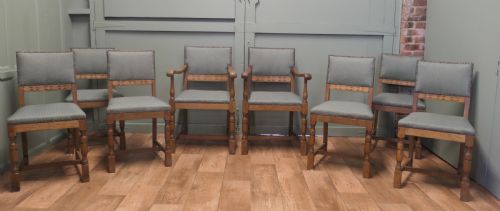
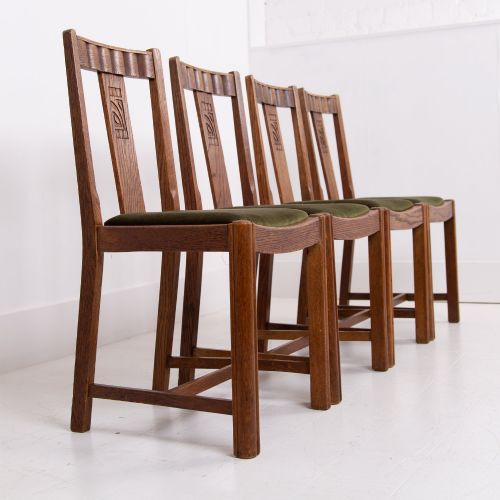
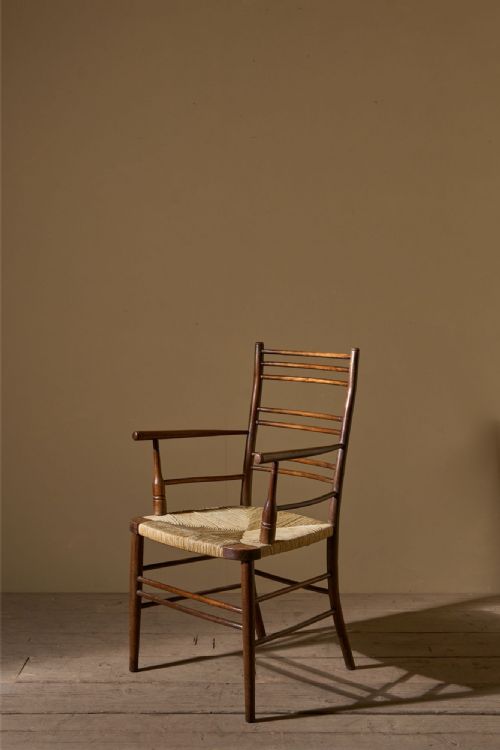
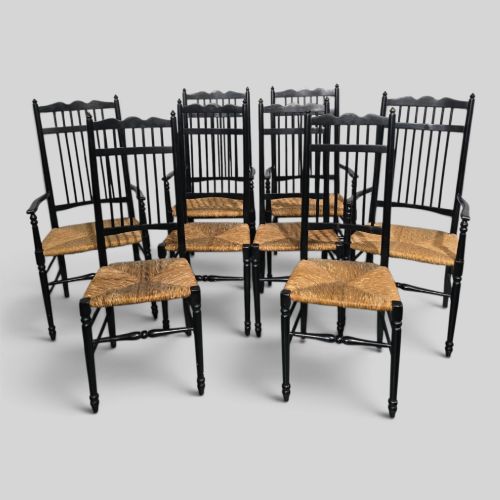
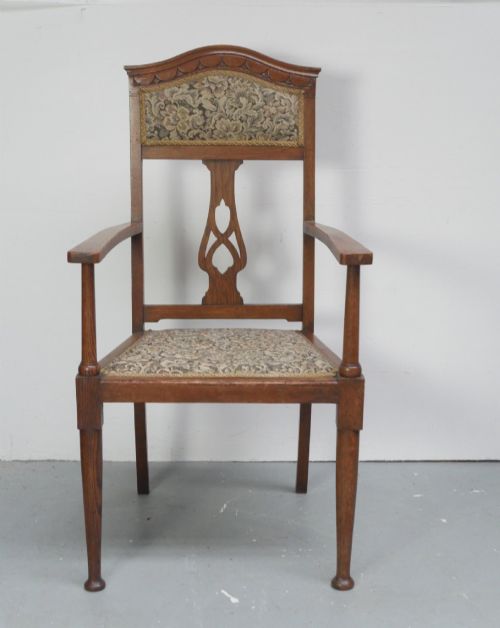
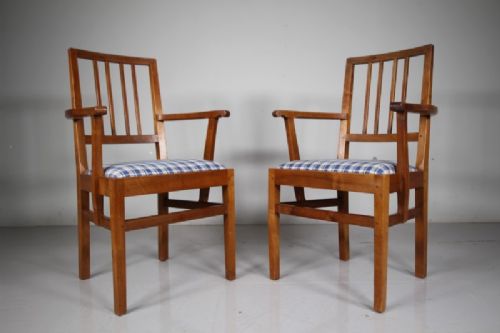
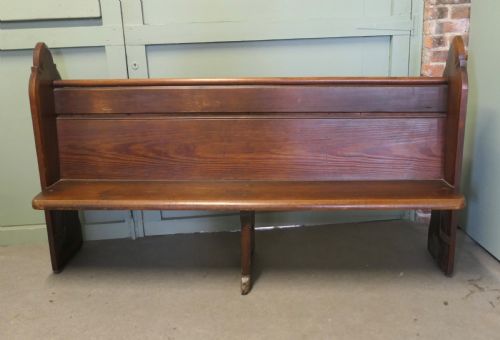
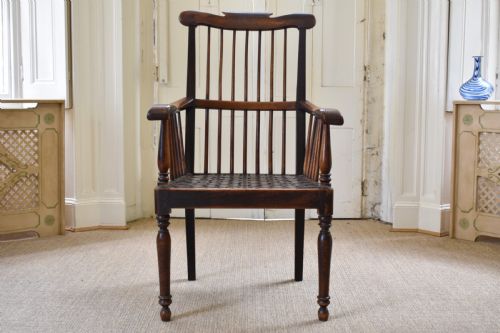
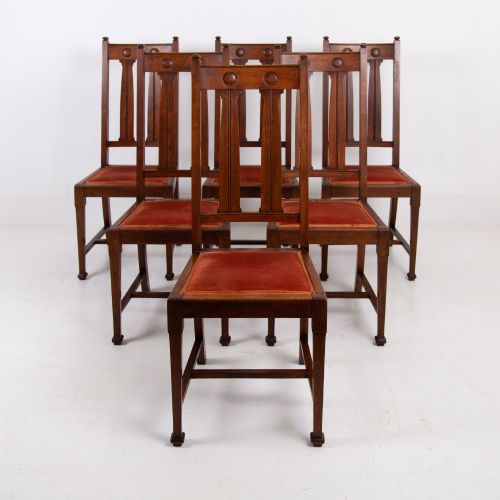
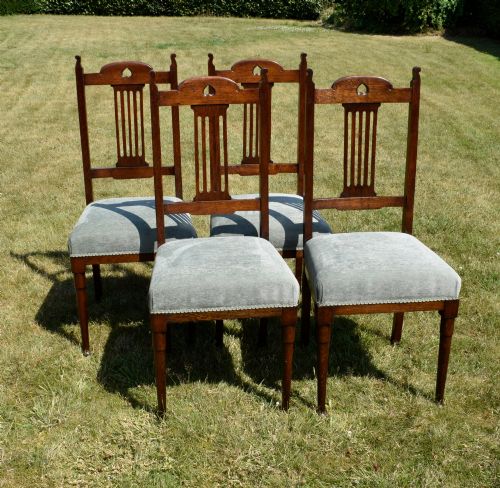
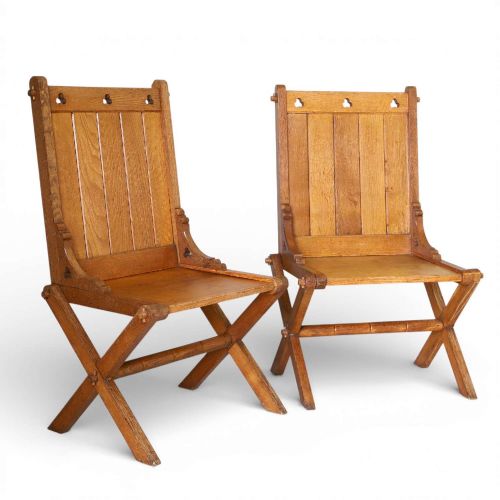
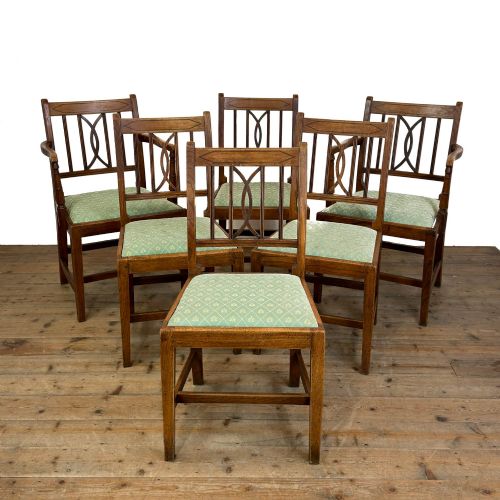
When searching for antique craft dining chairs, buyers encounter sturdy seating rooted primarily in the Arts and Crafts and Art Nouveau movements spanning the late nineteenth century through the 1930s. The most common forms on this page are oak side chairs and armchairs, often appearing in sets ranging from pairs to groups of twelve.
Makers and designers of this period favoured functional integrity, resulting in upright ladder-backs, high slats, and exposed pegged joints. Alongside formal dining sets, the selection includes country variants in elm, ash, and fruitwood, echoing regional vernacular traditions.
Materials and construction methods
Makers relied heavily on solid British hardwoods, principally golden oak, walnut, mahogany, and regional timbers such as beech, elm, and pitch pine. These woods were selected for grain and strength, allowing frames to endure daily use without heavy ornamentation.
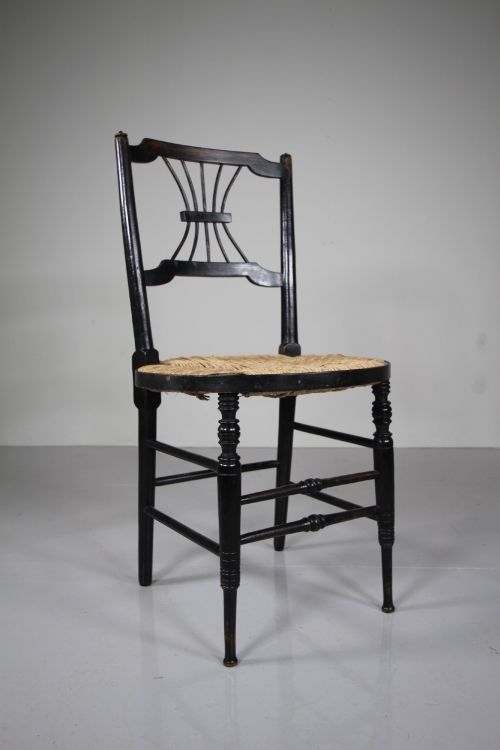
Joinery is straightforward and robust, typically utilising mortise and tenon joints secured with visible wooden pegs rather than hidden metal fasteners. Seats were frequently woven from natural rush or upholstered in leather, fabric, or velvet to balance structural rigidity with comfort.
Listings feature oak, walnut, and rush alongside regional fruitwoods from the nineteenth and early twentieth centuries.
Distinguishing quality across the range
Quality in these chairs rests upon the integrity of the timber selection and the precision of the hand-carved or turned elements. Superior examples display carefully matched grain patterns across an entire set, whereas lesser pieces show mismatched timbers or hurried lathe work.
The survival of original surface finishes and authentic seating materials, such as hand-woven rush or early leather, separates workshop pieces from utilitarian production. Maker stamps and documented workshop origins further elevate a set from standard regional carpentry.
William Morris·Edward Barnsley·Dicon Nance·Liberty and Co·Shapland and Petter·Philip Webb·Charles Bevan·Edward Gardener
The Antique Craft Dining Chairs Glossary
- Rush seat
- A seating surface woven from dried marsh grasses or sedge, commonly found on traditional country and Arts and Crafts chairs. This material provides a resilient, textured pad that softens with age.
- Ladder-back
- A chair back featuring multiple horizontal wooden slats between the upright posts. This design draws on vernacular furniture traditions to offer lumbar support.
- Pegged joint
- A method of securing mortise and tenon joints by driving a wooden dowel through the interlocking pieces. This technique eliminates the need for modern glues or metal fixings.
- Carver
- A traditional term for an armchair, usually designed with elbow rests to match a set of smaller side chairs intended for the heads of a dining table.
- Vernacular furniture
- Domestic objects made by regional craftsmen using local traditions and native timbers rather than following high-style metropolitan fashions.
Antique Craft Dining Chairs: Frequently Asked Questions
Are these chairs comfortable for daily dining?
Most designs feature upright backs and supportive wooden or woven seats intended for proper posture during long meals. Adding loose squab cushions can increase softness while preserving the historic wood frames.
Because they were built for heavy domestic use, their robust joinery easily handles the demands of modern family life. Regular oiling of the wood and care for the rush or leather keeps them comfortable for everyday sitting.
Can I mix these chairs with a modern table?
The honest grain and clean lines of these pieces pair naturally with plain wooden or glass tables. Their architectural silhouettes provide a grounded contrast in contemporary rooms.
Matching the timber tone, such as pairing golden oak chairs with a similar oak table, creates a unified dining scheme. The variety of woods available allows for subtle coordination rather than exact matching.
How do I identify an Arts and Crafts chair?
Look for exposed construction details, such as tenon joints held by visible wooden pegs and simple vertical slats. These designs reject excessive Victorian ornamentation in favour of honest utility.
Stamps or paper labels beneath the seat often reveal workshop origins from makers associated with the movement. The use of natural materials like rush and unpretentious oak further confirms the style.