
Antique Country Table
When you search for an antique country table, you enter a world of honest timber, sturdy joints and centuries of domestic use.
Antique Country Table
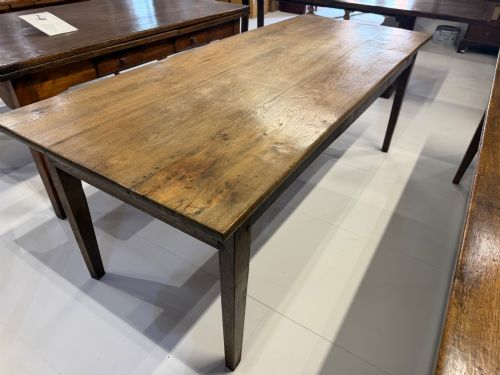
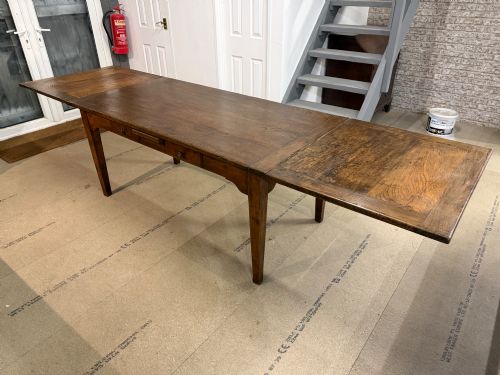
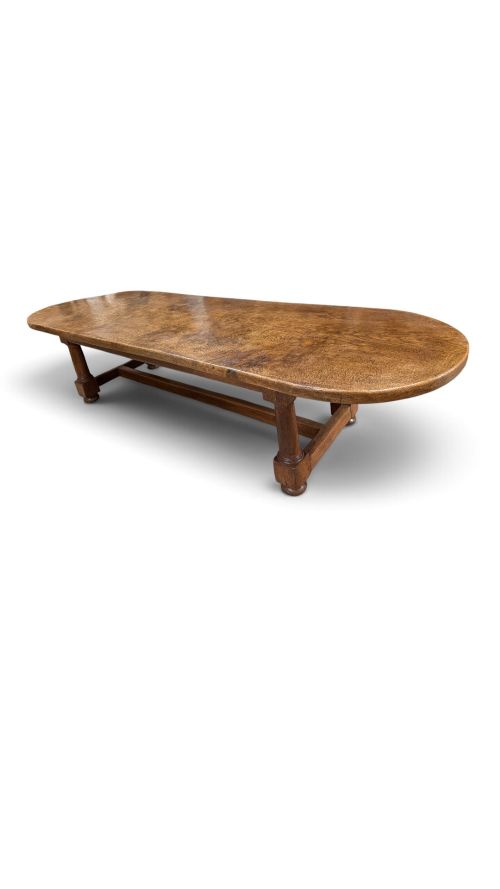
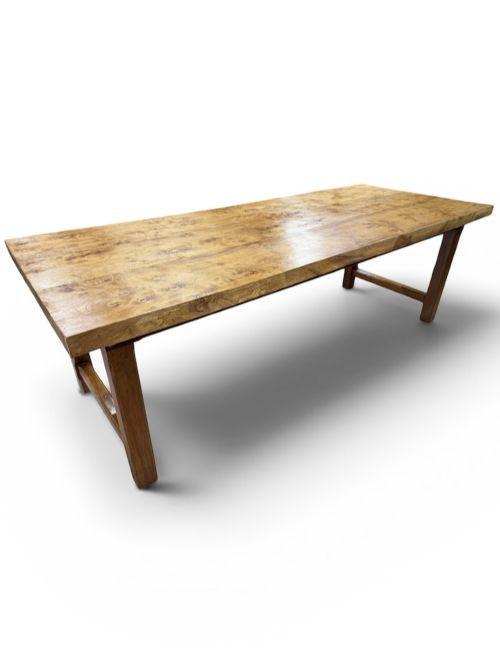
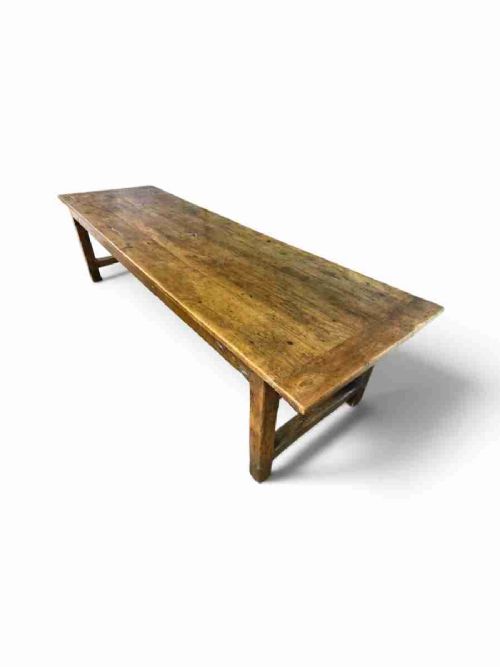
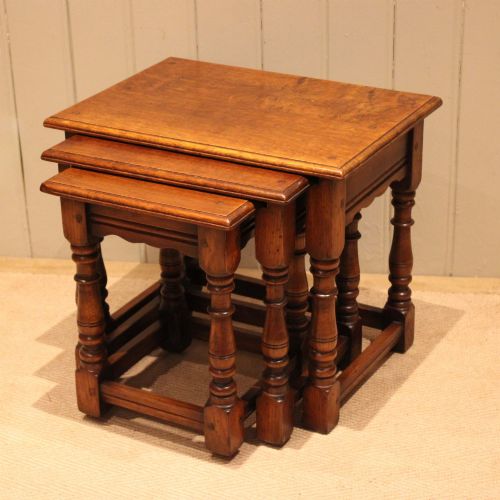
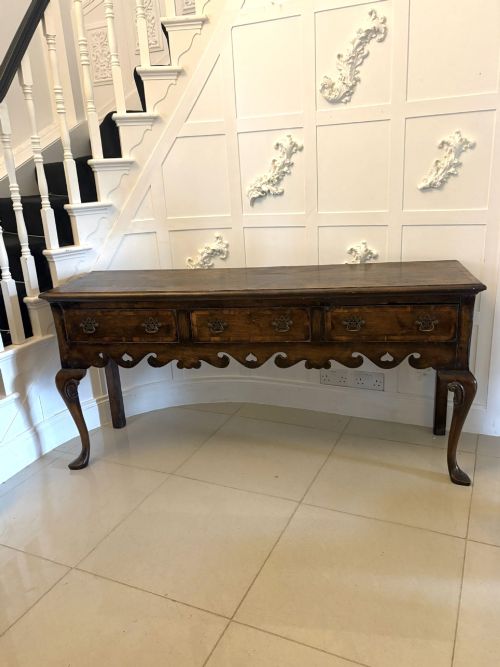
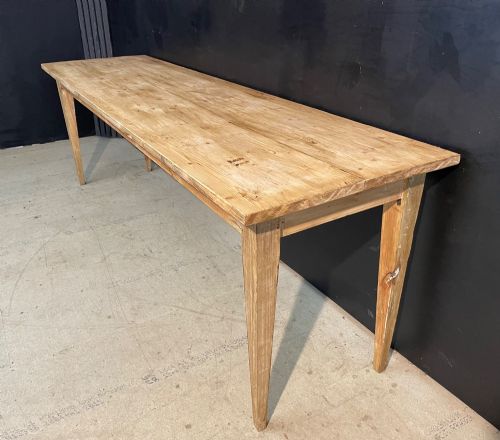
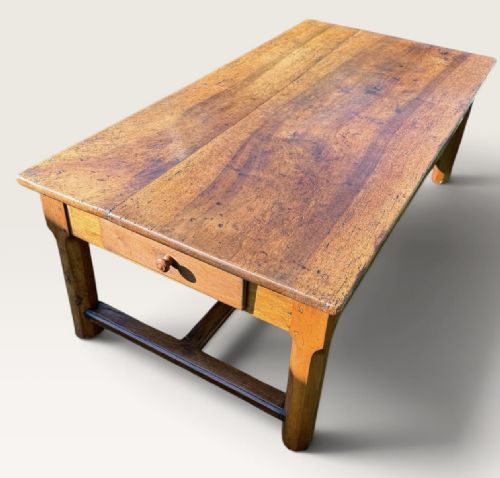
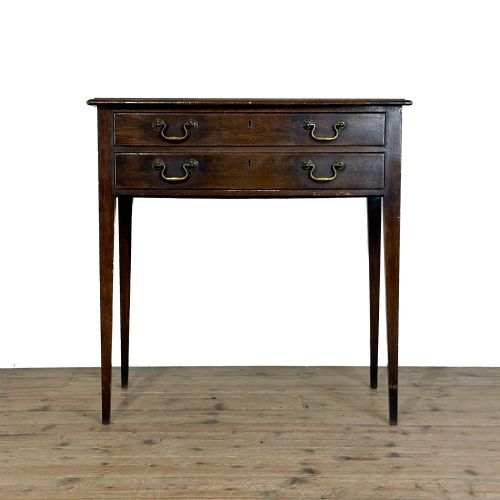
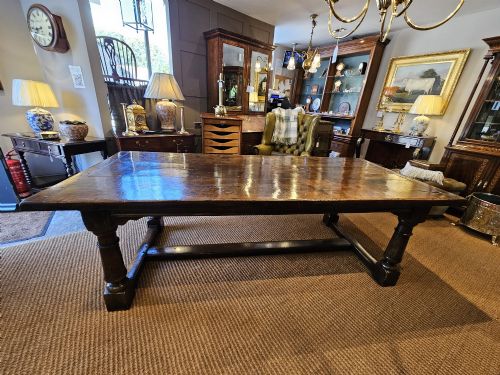
An antique country table serves as the hearty centrepiece of domestic life, spanning expansive refectory dining boards to compact occasional wine tables and lowboys. The selection draws heavily from 18th Century and 19th Century workshops, encompassing robust farmhouse tables, gateleg designs and tripod bases.
Makers shaped these surfaces for real work in kitchens, parlours and dining halls rather than purely decorative display. Buyers will frequently encounter sturdy pine kitchen tables, oak side tables and fruitwood refectory pieces that carry the marks of everyday handling.
Origins stretch across English, French, Spanish and Swedish traditions, each bringing local timber choices and regional joinery quirks to the floor. Whether you need a large dining surface for gathering guests or a small console for a hallway, the forms remain resolutely practical.
How they were made
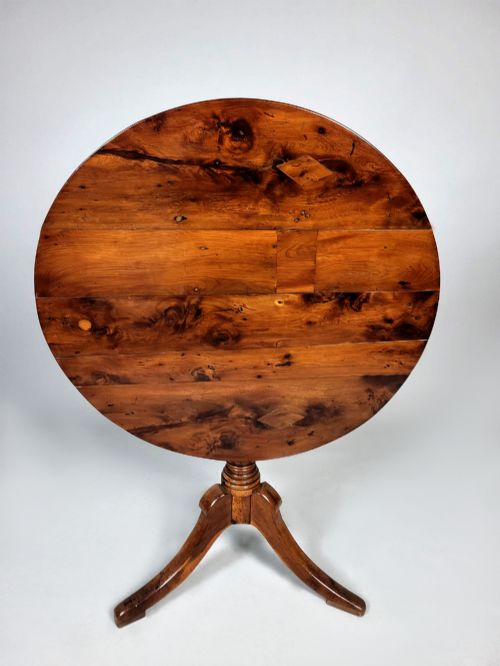
Craftsmen built these tables using robust timbers sourced locally, relying predominantly on oak, pine, elm and fruitwood. Boards were often cut thick to endure heavy daily loads, sometimes featuring single-plank surfaces or pegged joints that held firm without modern adhesives.
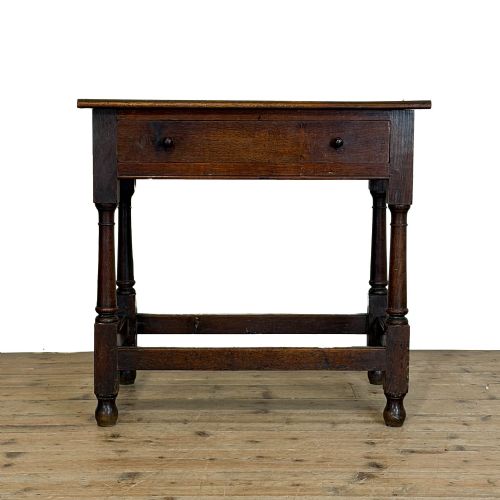
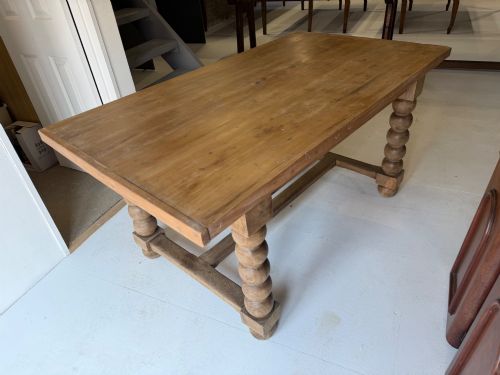
Turned legs, tapered supports and bobbin details gave structural integrity while adding simple decorative flourishes to farmhouse and side tables. Surfaces were frequently left bare to weather naturally through scrubbing, though some examples received early paint finishes or scumble treatments for protection.
Listings feature pieces built from oak, pine, elm, walnut, pitch pine, fruitwood, beech and ash across multiple centuries.
What varies in quality
Quality rests in the integrity of the original timber selection and the retention of honest surface patination built up over generations. Tables retaining their early brass hardware, original drawer linings or untouched pegged frames stand considerably higher than those heavily restored.
Proportion and structural balance dictate the finer pieces, where timber movement has been accommodated by skilled joinery rather than crude modern screws. The depth of the grain, the warmth of the colour and the absence of intrusive alterations separate standard utility boards from exceptional examples.
The Antique Country Table Glossary
- Refectory table
- A long, narrow dining table traditionally used in communal dining halls and later adopted in country homes. These pieces often feature stretcher rails close to the floor for added foot support.
- Lowboy
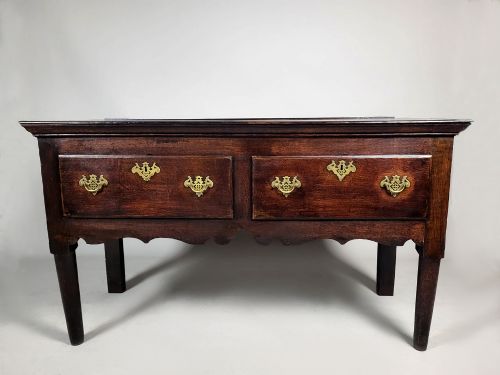
- A small side table or dressing table featuring one or more drawers beneath the working surface. They typically date from the Georgian period and stand on slender cabriole or straight legs.
- Gateleg table
- A drop-leaf table where the leaves are supported by hinged legs that swing out like a gate. This clever mechanism allows the surface area to expand or contract according to room needs.
- Cricket table
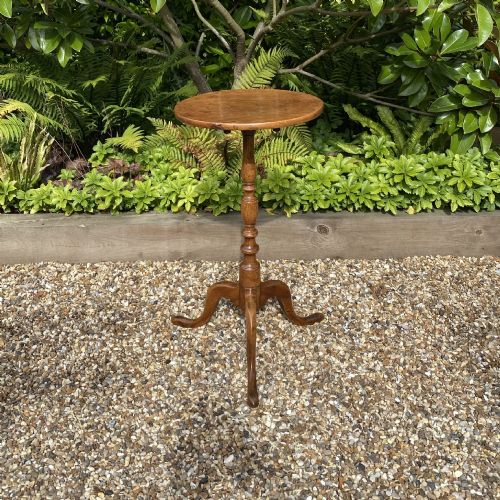
- A small, lightweight occasional table traditionally built with three legs and a circular top. The three-legged design ensured stability on uneven flagstone floors.
- Potboard dresser base
- A sideboard featuring an open lower shelf traditionally used for storing pots and earthenware. They form a robust foundation for country dining rooms and kitchens.
Antique Country Table: Frequently Asked Questions
How do I clean an old wooden table?
Wipe surfaces gently with a slightly damp cloth and dry immediately to preserve the historic finish. Avoid harsh modern chemical sprays that strip the natural oils from older timber.
Apply a traditional beeswax polish occasionally to nourish the wood and maintain a soft, protective sheen. Regular dusting prevents grit from scratching the aged patina.
Can I use a country table every day?
These pieces were originally built for hard domestic service, making them exceptionally well-suited for daily family dining and kitchen tasks. Their robust construction handles regular use without losing structural stability.
Protect the antique timber by using coasters and placemats to guard against moisture rings and heat marks. Embracing minor new scuffs only adds to the ongoing history of the piece.
How do I date an antique table?
Examine the timber grain, tool marks left by early saws, and the construction methods used in the frame joints. Hand-cut pegs, uneven board widths and early brass hardware often point towards 18th Century or earlier origins.
Compare the style of the legs, such as tapered, bobbin or cabriole forms, against known period characteristics. Secondary woods used in drawer linings also help narrow down the manufacturing era.