

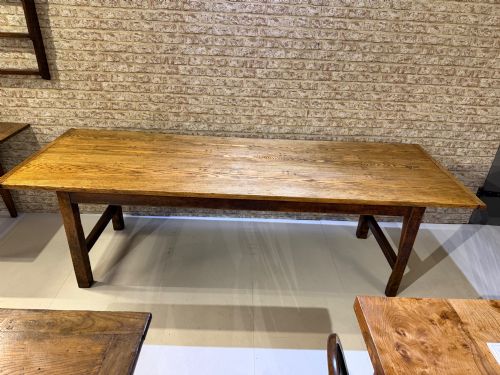
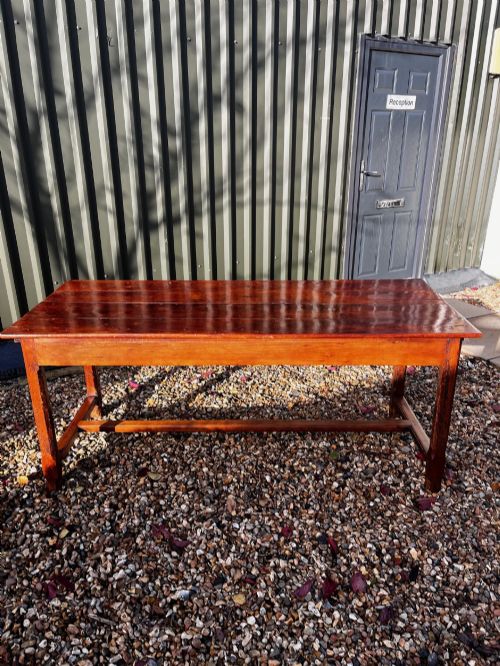
Antique Country Dining Table
An antique country dining table brings practical warmth to a room, offering sturdy timber surfaces built for daily gatherings.
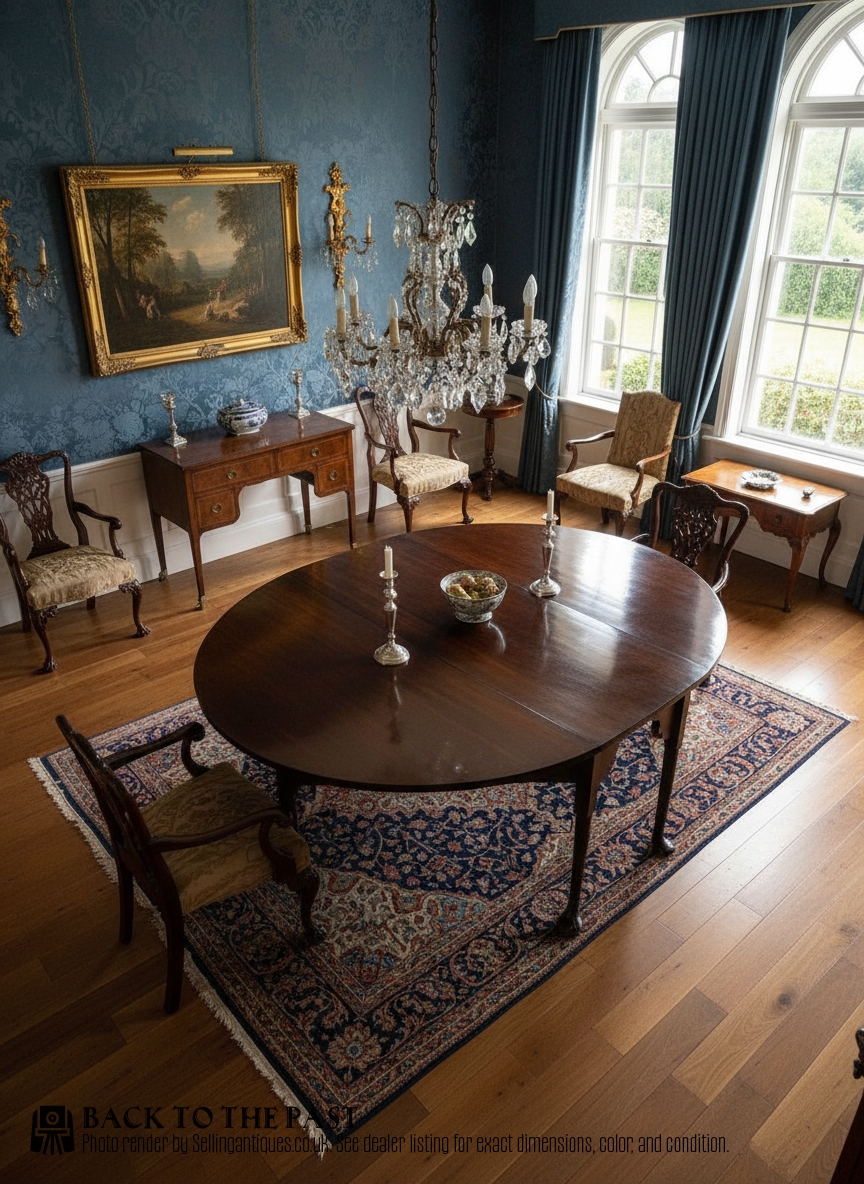
Antique Country Dining Table
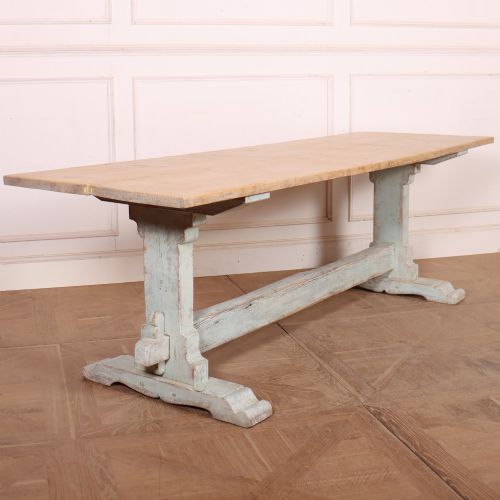
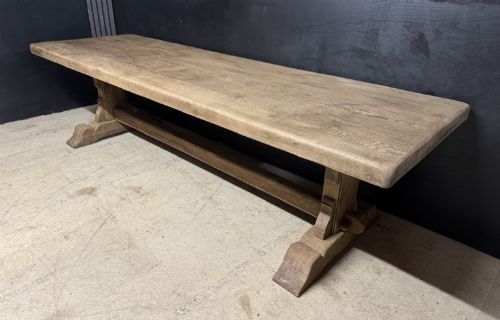
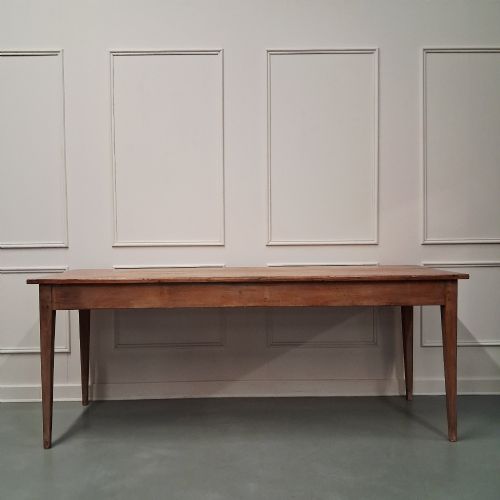
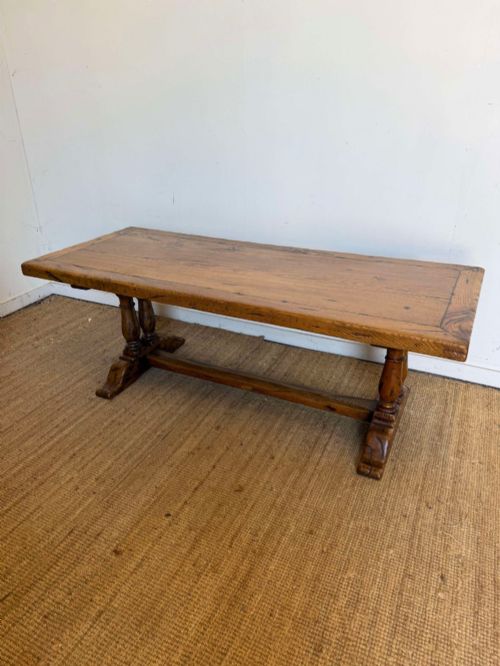
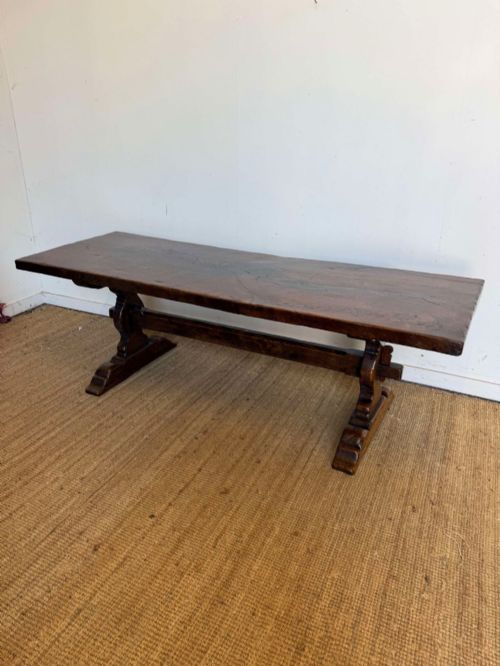
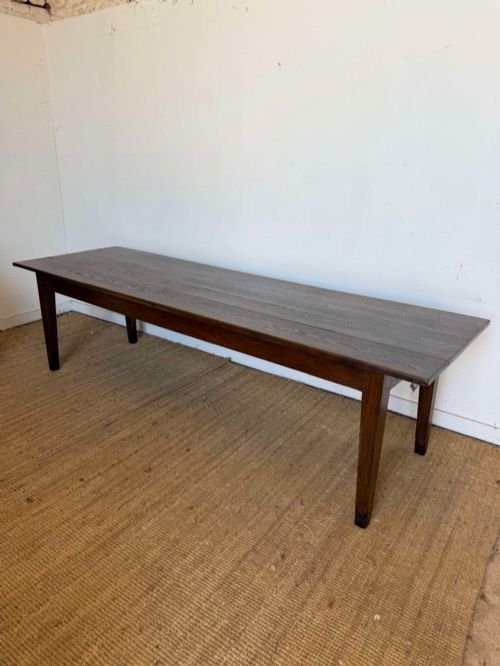
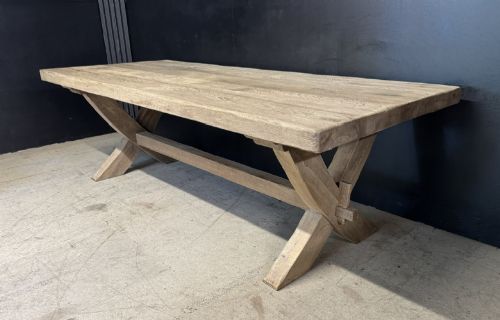
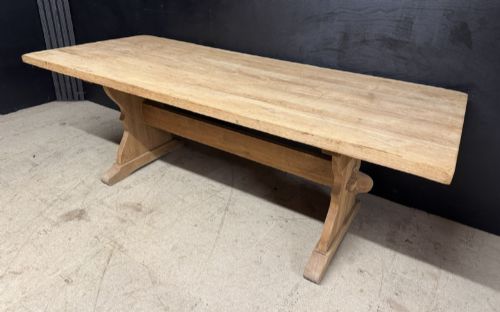
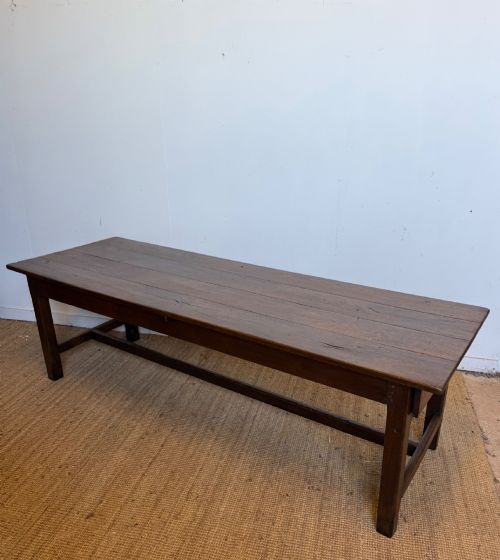
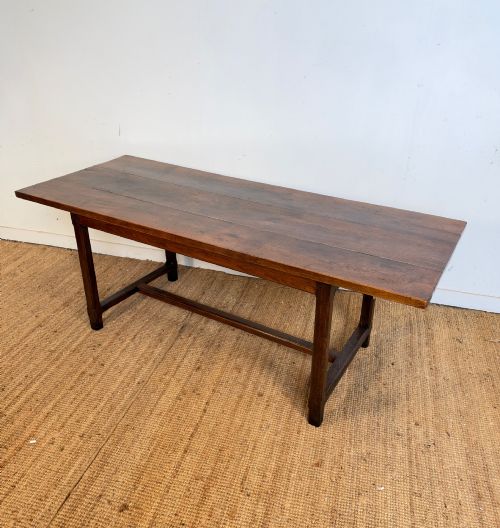
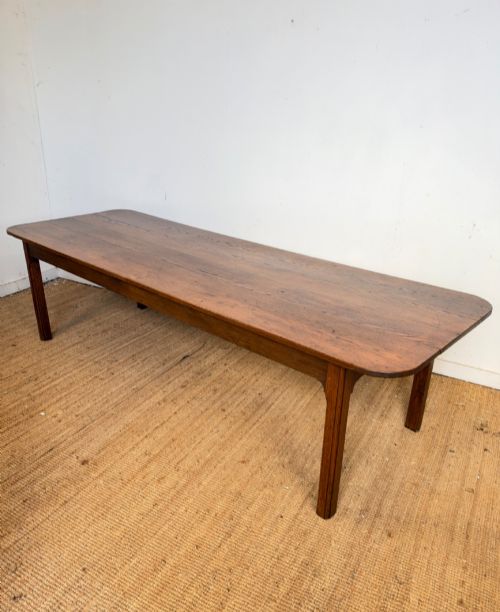
An antique country dining table serves as the hearty centrepiece of a rustic kitchen or dining space, shaped by decades of domestic use. When searching for an antique country dining table, buyers encounter robust forms derived from 18th-century, Georgian, Victorian, and early 20th-century traditions.
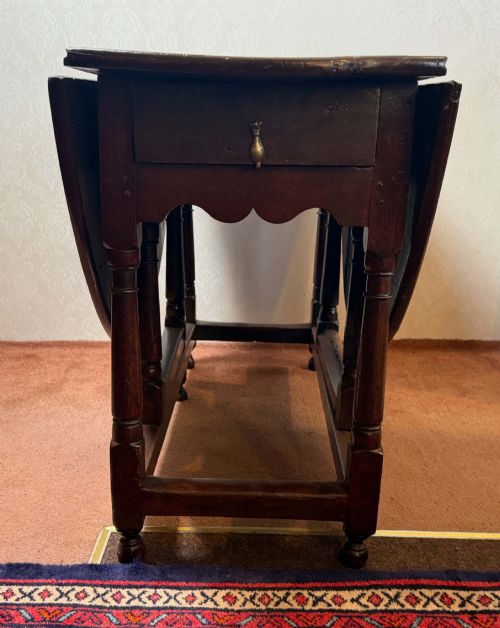
The most common versions met on this page are sturdy pine kitchen tables, oak refectory boards, and fruitwood or elm farmhouse pieces. These formats range from compact drop-leaf and gateleg variants to large multi-seater boards designed for communal dining.
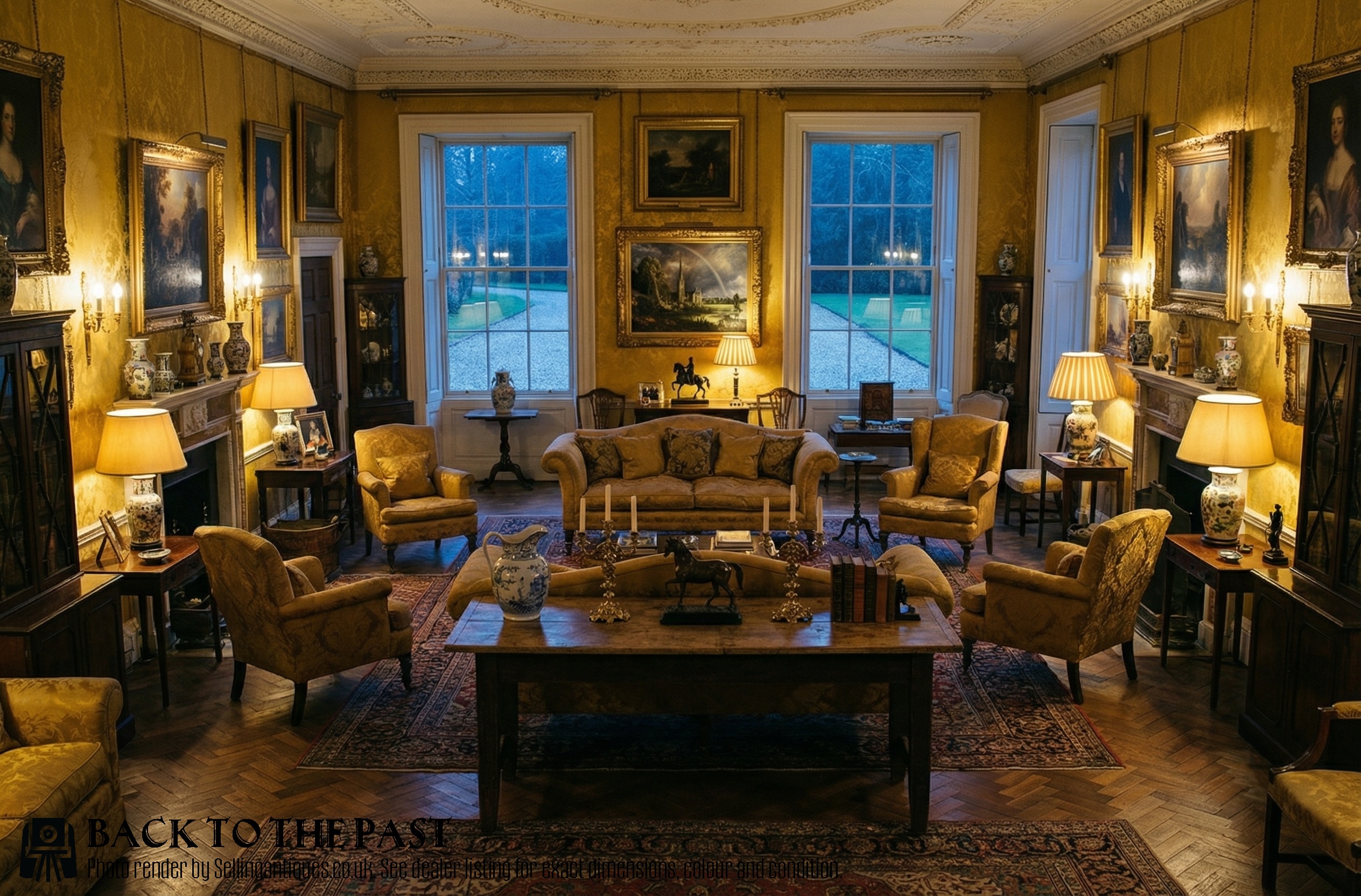
Materials and construction methods
Makers relied heavily on domestic hardwoods and softwoods such as oak, pine, elm, beech, and fruitwood to construct these tables. Timber selection dictated the eventual strength of the piece, with dense oak and elm supporting heavy refectory frames while pine suited lighter kitchen boards.
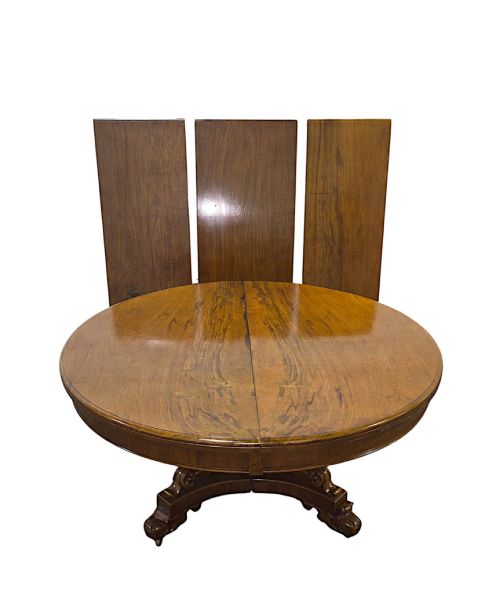
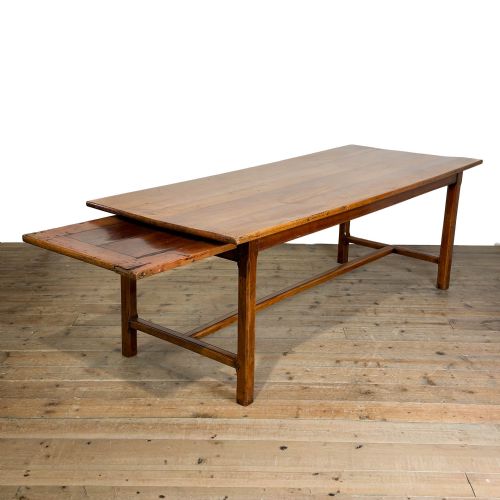
Joinery methods included pegged mortise and tenon joints, sturdy gateleg mechanisms, and extending wind-out systems in later Victorian examples. Surfaces often displayed single plank tops or joined boards secured by heavy timber underframes and occasionally fitted with storage drawers.
Antique Country Dining Table Retail Price Guide 2026
Typical asking prices for country dining table among the pieces listed under this phrase on Sellingantiques today, from the lower quarter to the upper quarter. They describe what is for sale here now, not the wider market.
A pair of silver-plated pheasant models occasionally stands watch over the rustic dining boards.
Distinguishing quality across examples
Quality rests primarily in the integrity of the timber and the depth of the original patina accumulated over centuries of use. Tables retaining their authentic surface finish, whether waxed oak or early paint layers, hold greater distinction than stripped or over-restored equivalents.
Structural honesty and the quality of the original construction separate ordinary boards from superior examples. Well-proportioned legs, substantial single-plank tops, and minimal modern timber replacement elevate a table's standing within this tradition.
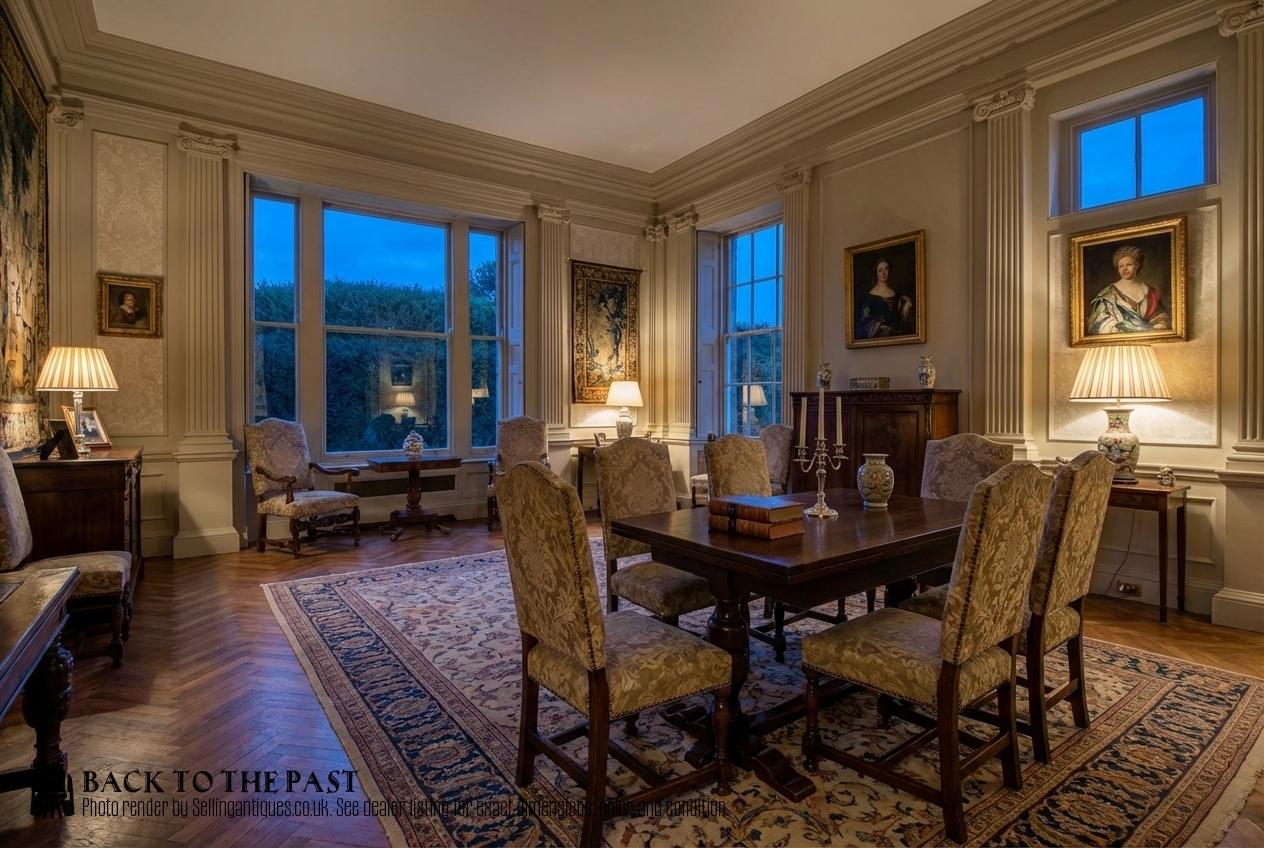
The Antique Country Dining Table Glossary
- Refectory table
- A long, narrow dining table traditionally used for communal meals. These pieces typically feature heavy timber legs connected by low stretchers for added stability.
- Gateleg table
- A table with hinged leaves that are supported by swing-out legs. This clever design allows the surface area to expand or fold down compactly when not in use.
- Drop leaf table
- A table featuring fixed centre panels and hinged flaps on either side. Raising the leaves transforms a narrow console into a functional dining surface.
- Patina
- The surface sheen and mellow colour developed by wood over years of handling, polishing, and natural ageing. Collectors prize an untouched patina as a marker of genuine age.
- Wind-out table
- An extending dining table operated via a mechanical screw mechanism inside the frame. Turning a handle separates the halves to insert central extension leaves.
Antique Country Dining Table: Frequently Asked Questions
How do I seat eight people comfortably?
Look for refectory or extending tables from the Victorian or Georgian periods that measure sufficient length to accommodate chairs along both sides without leg obstruction.
Check the clearance beneath the frieze and rails to ensure diners can sit properly without hitting their knees against low drawers or stretchers.
What is the difference between oak and pine?
Oak is a dense, hard timber that produces heavy refectory and farmhouse tables capable of withstanding centuries of rugged use with a deep, dark grain.
Pine is a softer timber yielding lighter kitchen tables that often display painted surfaces or warm waxed finishes typical of Victorian country homes.
Can I use a gateleg table daily?
Gateleg tables from the 18th century provide sturdy surfaces for everyday meals provided the swing-out leg joints remain firm and well-aligned.
Ensure you lift rather than drag the folding leaves when operating the drop-down mechanism to protect the wooden hinges from undue stress.
How do I identify a 19th-century piece?
Examine the timber boards and tool marks underneath the top, as 19th-century examples often display machine-sawn consistency combined with hand-finished joints.
Styles from this era frequently include Victorian pine kitchen tables with drawers, tapered leg farmhouse boards, and walnut or oak extending designs.