


Antique Cosmetic Box
An antique cosmetic box brings dressing table elegance to daily life, holding powders, trinkets and secrets within polished wood and silver.
Antique Cosmetic Box
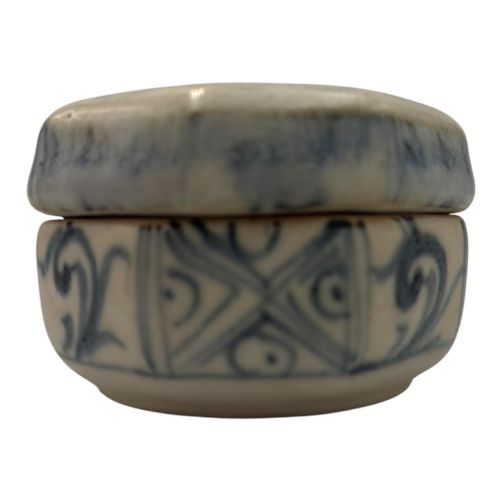
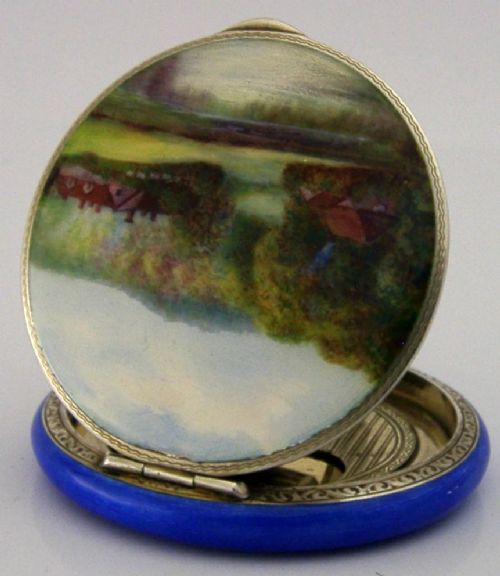
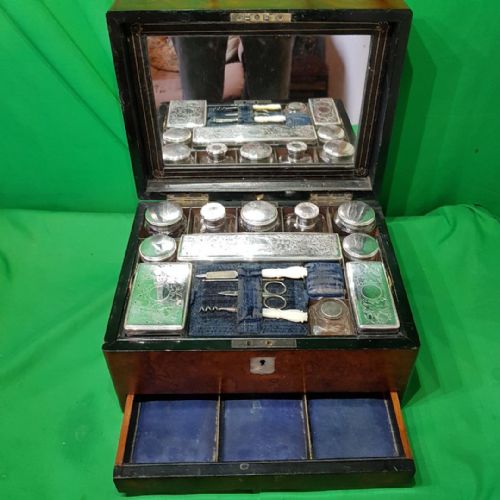
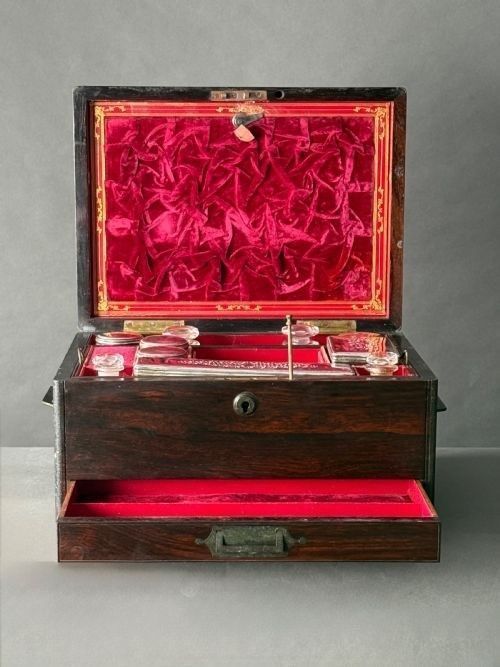
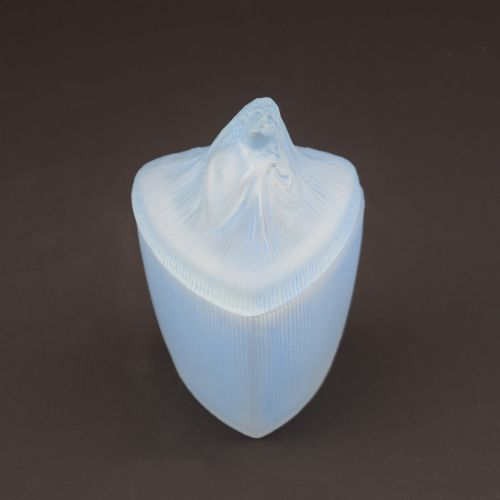
When you search for an antique cosmetic box, you encounter a varied selection of containers designed for personal grooming across several centuries. The pieces on this page span from Georgian rosewood travelling cases to Art Deco powder compacts and ceramic bowls.
The most common forms you meet are pocket powder compacts from the 1930s and larger travelling dressing table boxes fitted with crystal cut bottles. These objects reflect the changing habits of personal care, moving from heavy wood dressing boxes to portable silver and enamel items.
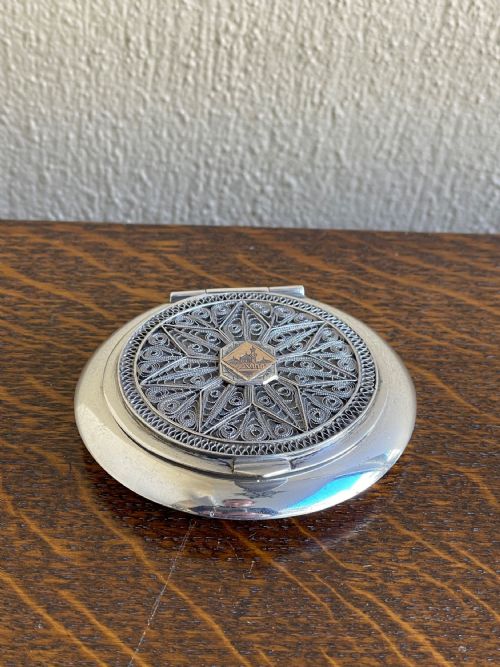
Origins range across English, French, German, Persian, and Vietnamese workshops, demonstrating a wide geographical spread of cosmetic storage traditions. Whether handling a delicate filigree lid or a sturdy burr walnut travelling set, each piece serves a direct function in the history of vanity.
How they were made
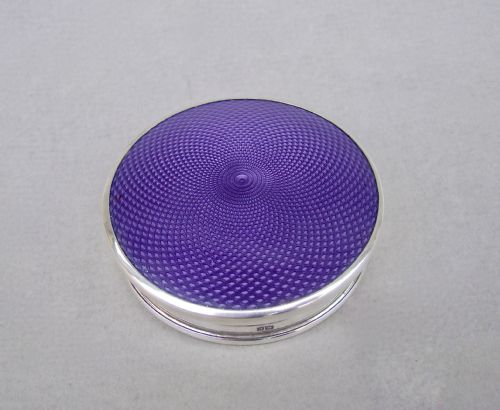
Metals such as sterling silver, brass, and enamel form the structure of many compacts and small boxes, often decorated with hand painting or filigree wirework. Glass and crystal appear in cut bottles and jars, paired with silver or tortoiseshell lids.
Woodworking traditions define the larger boxes, utilising timbers like burr walnut, rosewood, coromandel, and leather over wooden carcases to create durable travelling cases. Ceramic and porcelain glaze techniques shape the figural powder box bowls and half doll containers found in French and German pieces.
Periods represented stretch from the 16th century Lê Dynasty and Georgian era through Victorian, Regency, and Art Deco times.
What varies in quality
The standard of execution in metalwork and enamel separates finer compacts from ordinary production, particularly where hand painted details or intricate silver filigree are involved. Crispness in the cutting of crystal bottles and the precise fit of internal trays indicate the skill of the original maker.
In wooden travelling boxes, the choice of timber figure, such as burr walnut or rosewood, alongside the completeness of internal silver fittings and glass jars dictates the overall desirability of the piece.
Rene Lalique·Richard Hudnut
The Antique Cosmetic Box Glossary
- Powder compact
- A small handheld metal case fitted with a mirror and a compartment for face powder. These items became particularly popular during the Art Deco period.
- Vanity case
- A larger box or small suitcase designed to hold a full suite of cosmetic bottles, brushes, and grooming tools for travel or dressing table use.
- Filigree
- An ornamental work of fine wire, usually gold or silver, formed into delicate openwork patterns often seen on Persian lids.
- Coromandel
- A dense, dark cabinet wood from Asia with contrasting light and dark streaks, frequently utilised for nineteenth century luxury boxes.
- Half doll
- A ceramic upper torso figure used as the decorative lid for powder box bowls, common in French and German pieces from the early twentieth century.
Antique Cosmetic Box: Frequently Asked Questions
What fits inside an antique cosmetic box?
Smaller boxes and compacts hold loose powder, mirrors, and small puffs for touch ups during an evening out. Larger travelling examples contain fitted crystal cut bottles, jars with silver lids, and trays for brushes.
These compartments kept grooming tools organised during transit by carriage or early motor car. Today, they accommodate modern trinkets or serve as display items on a dressing table.
How do I date an Art Deco compact?
Art Deco pieces typically date from around 1930 and feature geometric motifs, figural flapper girl designs, or combination compact setups. Enamel work and moulded plastics often help narrow down the decade of production.
Makers such as Richard Hudnut stamped their metal wares during this era, providing clear clues to their origins.
What is the difference between a vanity box and a dressing box?
A vanity box generally focuses on cosmetics, housing bottles, jars, and powder containers for grooming. A dressing box often includes stationery compartments and writing slopes alongside toilet jars.
Both types served travellers in the Regency and Victorian periods, though vanity variations prioritise glass and silver containers.
How should I clean silver enamel compacts?
Careful dusting with a soft cloth preserves the delicate hand painted enamel and silver surfaces. Avoid harsh dips that might damage vintage pigments or loosen fitted bezels.
Store them away from direct sunlight to prevent the enamel from fading or crazing over time.
Were these boxes made for travel?
Burr walnut and rosewood travelling sets from the Georgian and Victorian eras were built for journeys, featuring secure locks and robust wooden carcases. Leather covered English boxes also offered protection on the road.
In contrast, smaller compacts and ceramic powder bowls remained stationary on dressing tables or inside handbags.