

Antique Corner Seating
Antique corner seating brings awkward room angles to life with clever design, offering compact charm and historical character.
Antique Corner Seating
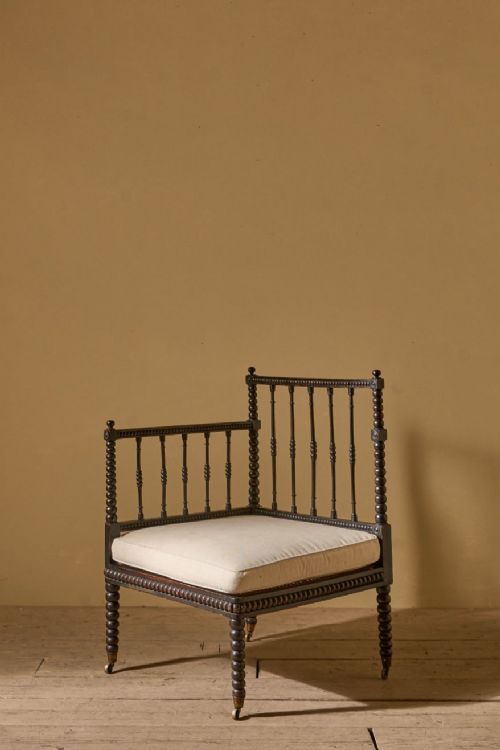
Antique corner seating encompasses specialised chairs, sofas and fenders designed to fit snugly into room angles, making efficient use of difficult spaces. The selections span from compact 18th century walnut designs to substantial Edwardian mahogany models and Victorian ebonised examples.
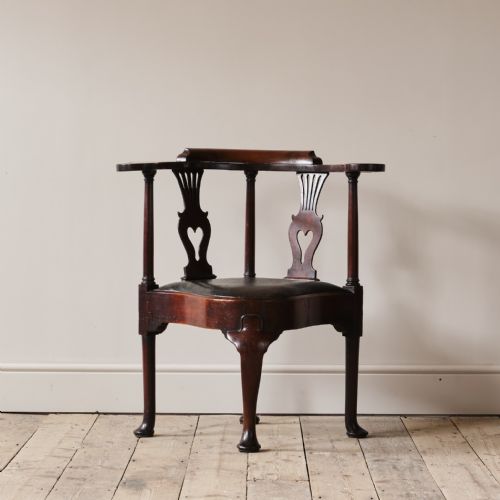
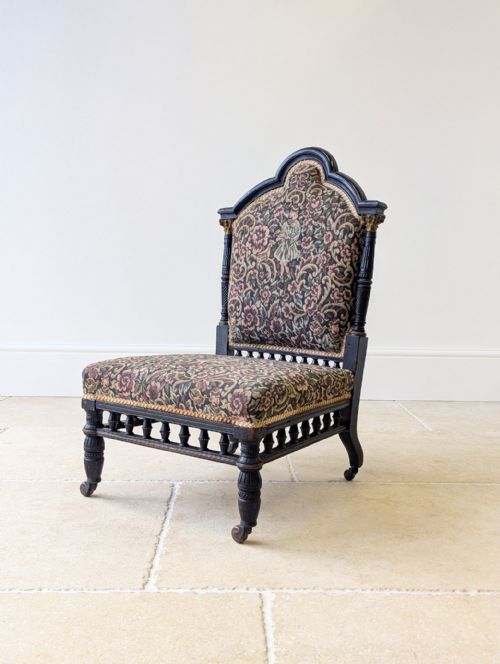
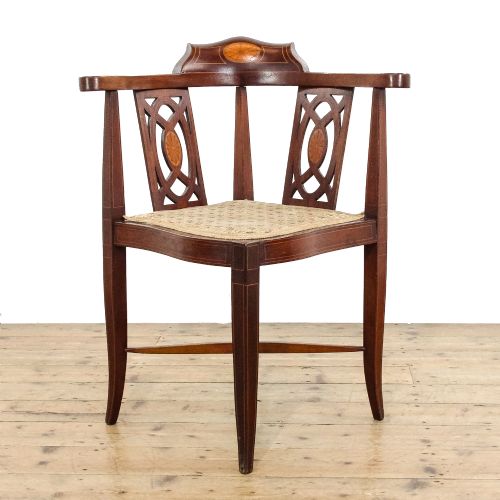
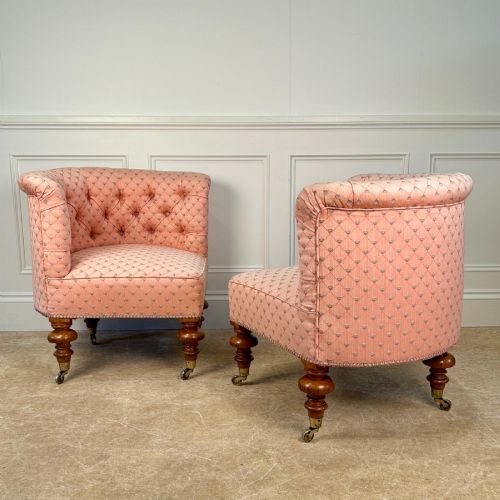
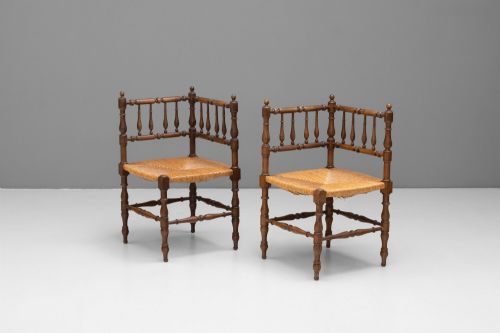
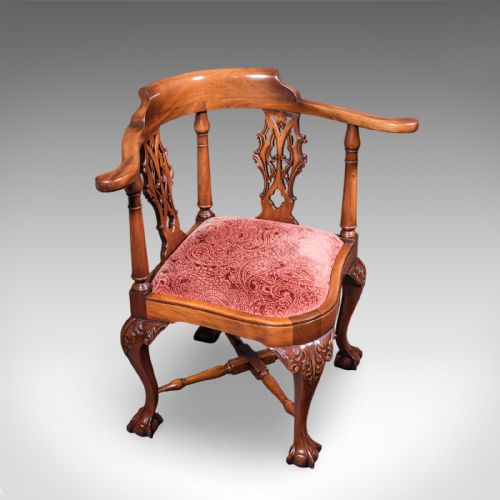
Buyers will encounter various distinct forms within antique corner seating, notably horseshoe-shaped corner armchairs with pierced splats, low salon chairs, and unusual upholstered corner sofas. These pieces often feature triangular seats supported by sturdy cabriole or square legs.
Origins stretch across English country workshops, continental ateliers and urban cabinet makers, reflecting diverse stylistic revivals from Georgian elegance to Gothic and Aesthetic movements. Such variety ensures that these items function equally well as writing seats, dressing furniture or decorative accents.
Construction and materials
Maker construction relies heavily on dense timbers such as mahogany, oak and walnut, chosen for their structural strength in complex angled frames. Joinery often involves robust dowels and corner blocks to support the unusual geometry required for this seating.
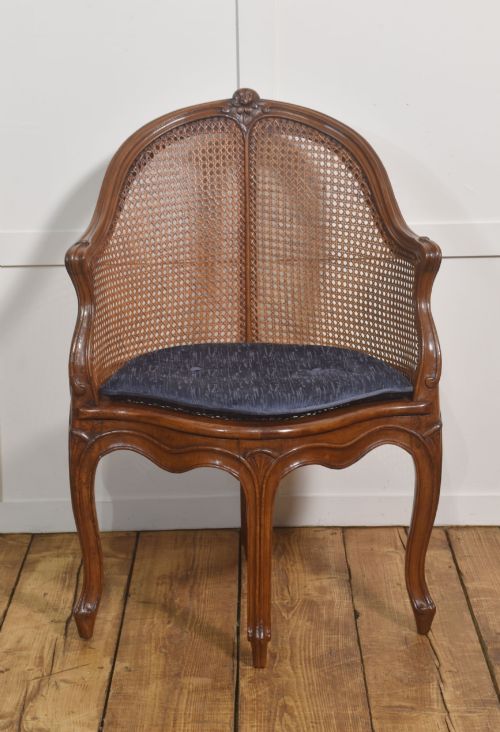
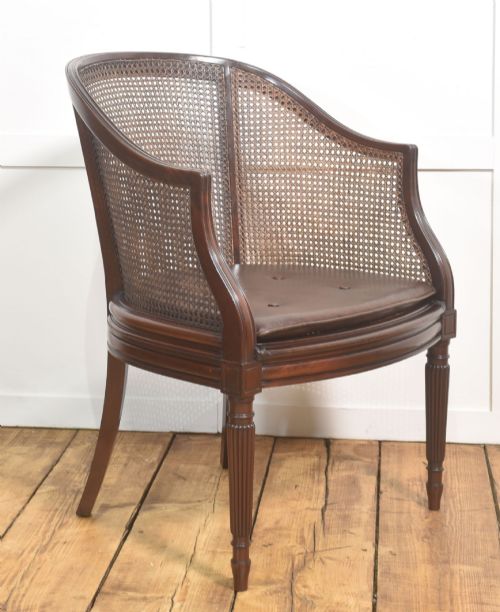
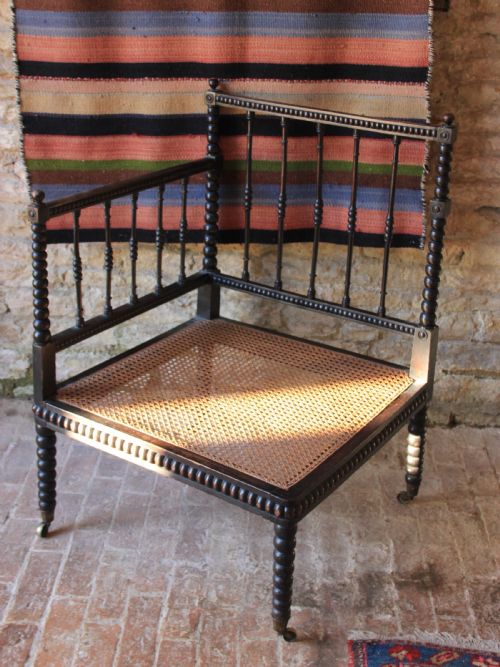
Surface texture and comfort emerge through traditional upholstery methods utilising leather, velvet, rush, cane and brass details. Turnery techniques, including bobbin turning and spindle work, add decorative rigidity to wooden frameworks.
Periods represented across these selections range from the early Georgian era through the Aesthetic movement and Art Deco periods.
Assessing quality in corner seating
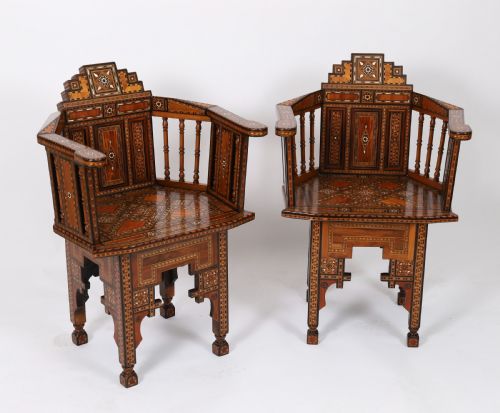
Quality rests upon the integrity of the timber framing and the sophistication of carved or inlaid decoration, such as marquetry and parquetry panels. Superior examples display crisp joinery at the vulnerable angled joints without excessive stabilization.
The choice of secondary materials, from mature tan leather to fine cane work and brass fender hardware, dictates the overall refinement of the piece. Proportion also plays a vital role, distinguishing balanced antique proportions from clumsy later adaptations.
Miles & Edward·Liberty and Co
The Antique Corner Seating Glossary
- Club fender
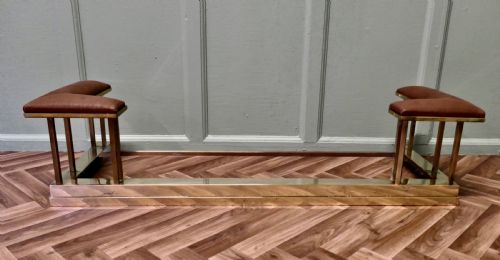
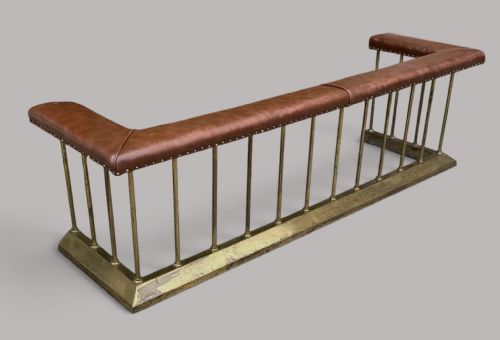
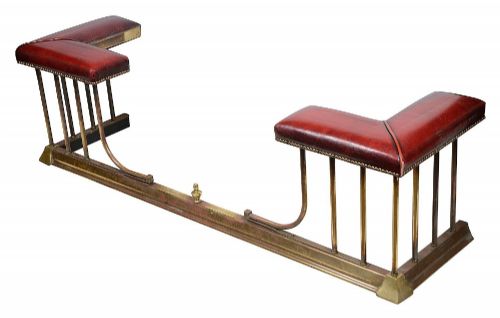
- A low, padded hearth seat constructed with a brass or metal frame. These surrounds often incorporate leather upholstery for fireside seating.
- Turned chair
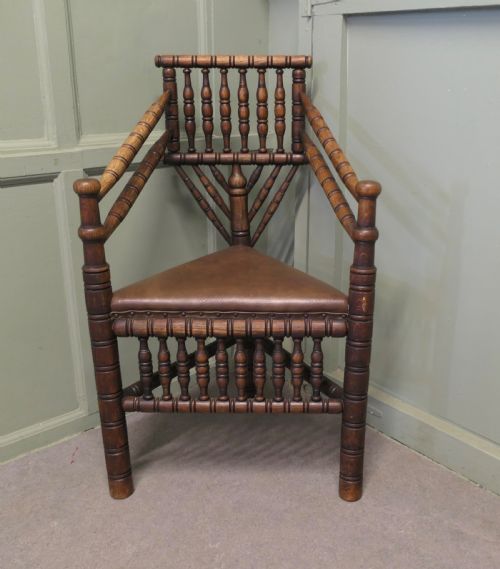
- An early form of seating constructed primarily from turned wooden spindles and members fitting into one another. They are frequently associated with vernacular English craftsmanship.
- Mashrabiya
- An architectural element of projected wooden lattice work found on oriental furniture. It adds intricate geometric texture to panelled surfaces.
- Parquetry
- A geometric mosaic of wood pieces used for decorative surfaces on furniture. This technique creates patterned tabletops and frame surrounds.
Antique Corner Seating: Frequently Asked Questions
Where do you put an antique corner chair?
These chairs fit neatly into empty room angles where standard rectangular seating fails to sit comfortably. They function well in hallways, bedrooms or studies as occasional seats.
Because of their compact triangular footprint, they do not block walking routes while still providing a functional place to sit.
How do you use a club fender?
Club fenders are designed to sit directly around an open fireplace hearth, providing low upholstered seating close to the fire. They create a sociable boundary within living spaces.
The metal framework acts as a sturdy guard while the leather pads offer a comfortable perch during colder months.
What is a turner's chair?
A turner's chair is a heavy wooden seat built entirely from turned spindles and posts assembled without flat panels. This traditional vernacular design dates back centuries and appears in revival forms.
The sturdy construction relies on interlocking wooden turnery to form both the seat base and the high enclosing backrest.
How do I identify a Georgian corner chair?
Early examples from the 18th century often feature rich mahogany or walnut timbers with cabriole legs and pad feet. The backrests typically incorporate pierced splats and scroll terminals.
Construction during this era prioritised fluid curves and understated carved details rather than the heavier revival styles of the later Victorian period.