



Antique Corner Desk
An antique corner desk or chair transforms an awkward room angle into a functional writing space using period timber.
Antique Corner Desk
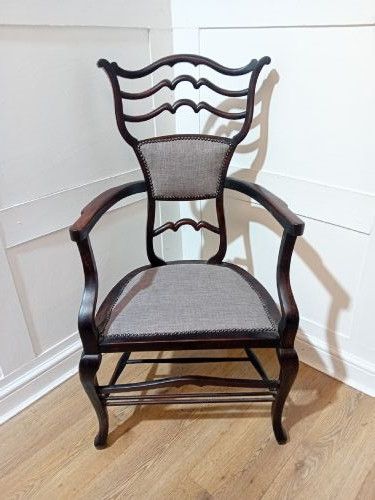
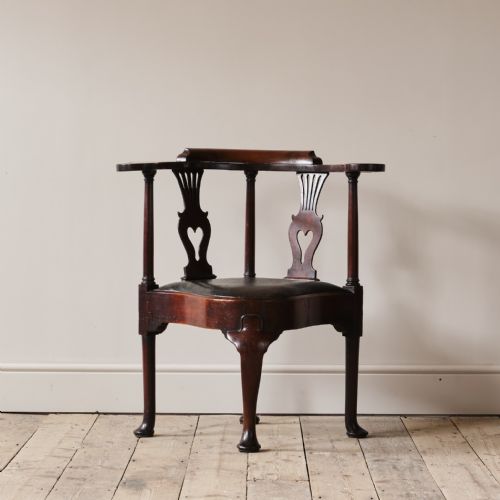
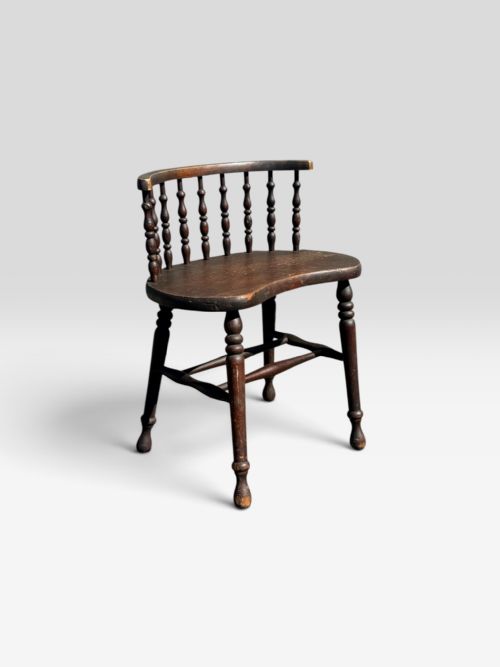
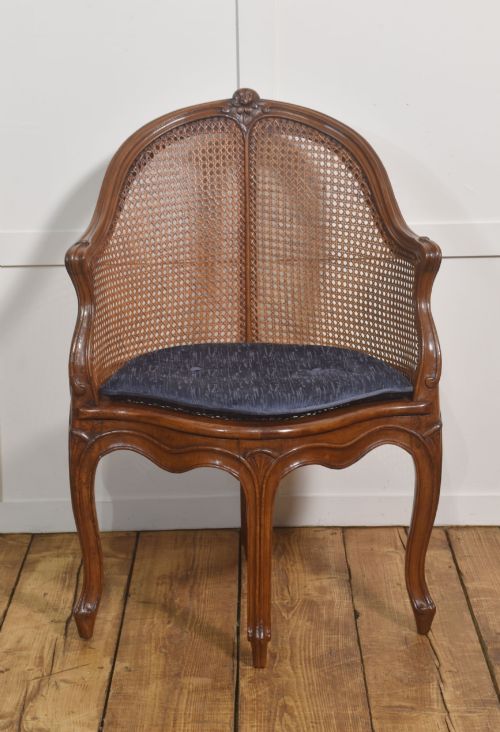
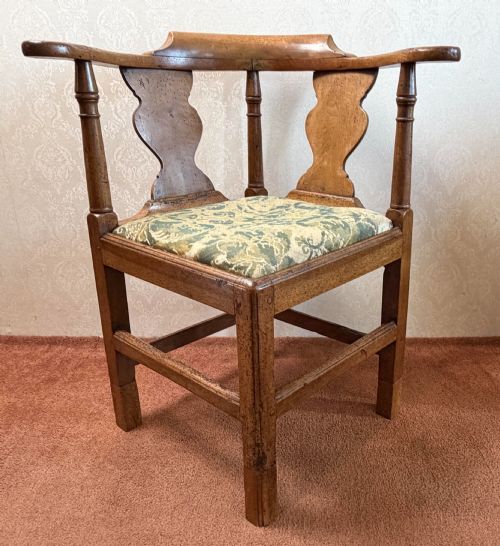
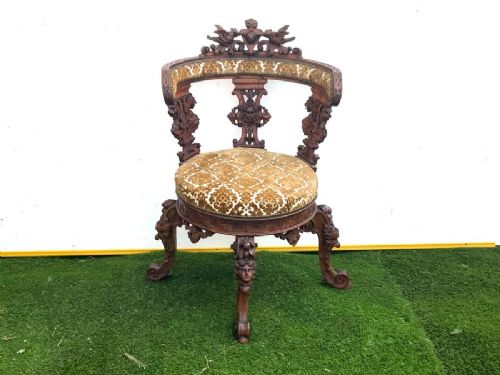
When you search for an antique corner desk, you encounter seating and writing forms designed to fit room angles cleanly. The evidence shows these pieces appear predominantly as corner chairs originating from the eighteenth, nineteenth, and early twentieth centuries.
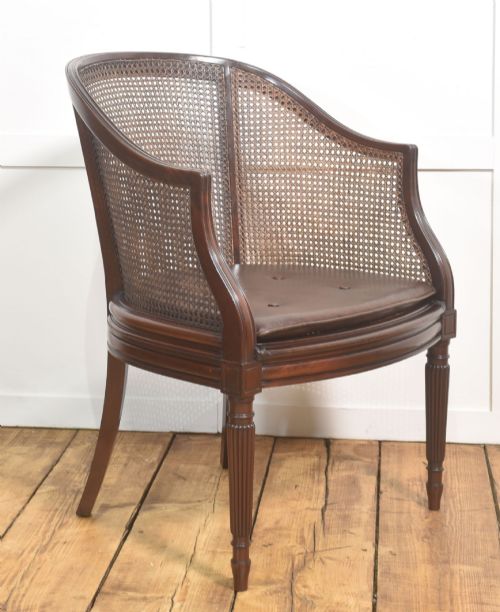
The dominant timbers recorded in the listings are mahogany and oak, frequently accompanied by walnut, fruitwood, and satinwood. These seating forms often feature cane, rush, or upholstered pads designed for study and writing purposes.
Materials and construction
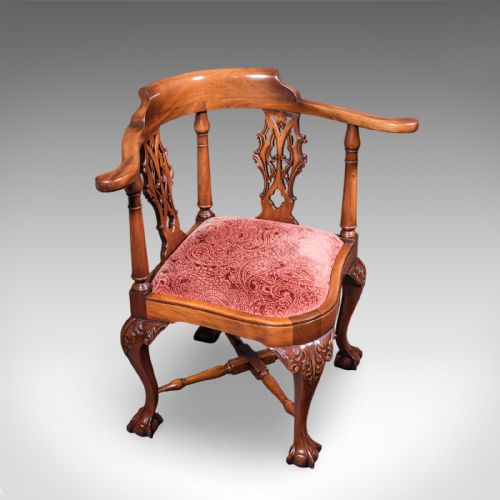
Cabinet makers utilised dense hardwoods like mahogany, oak, and walnut to build sturdy frames capable of withstanding daily seating use. Joinery relies on traditional corner construction methods to support the curved backrests and diagonal legs.
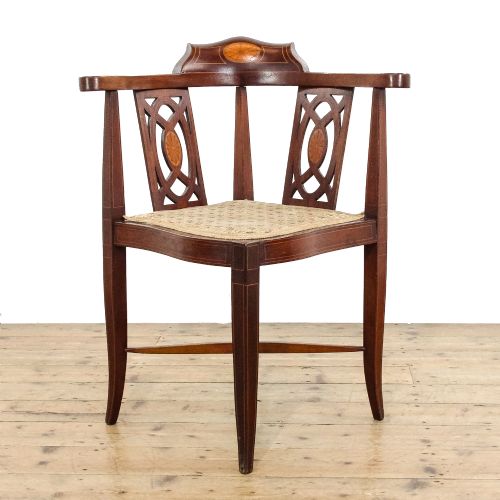
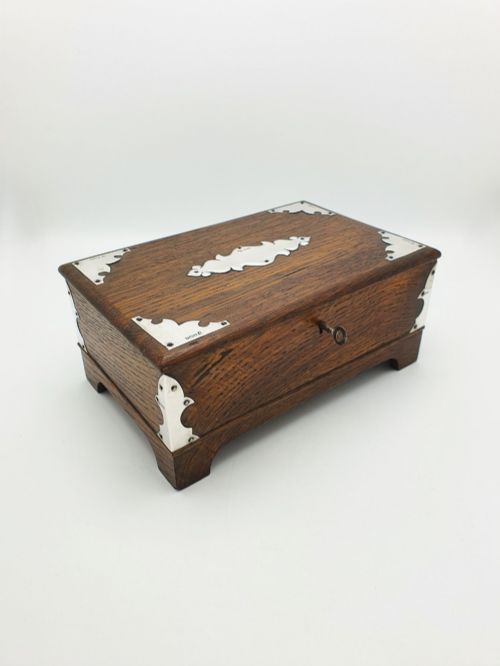
Detailing on these pieces involves brass mounts, inlay, marquetry, and carved elements. Secondary materials like cane and rush provide flexible seating surfaces within the wooden frameworks.
Writing furniture in the records ranges from portable brass-bound campaign slopes to larger tables and specialised corner seating.
Judging the quality
The distinction between standard and superior pieces rests on timber selection and the crispness of the carving or inlay. Finer examples display carefully matched grain patterns, precise joinery, and intact period hardware such as brass mounts.
Condition and originality dictate value within the market. Pieces retaining their original finish, uncompromised cane or rush work, and period secondary timbers represent the higher end of the range.
S&H Jewell·Mappin & Webb
The Antique Corner Desk Glossary
- Corner chair
- A seat designed to fit into the ninety-degree angle of a room, featuring a semicircular backrest supported by multiple vertical balusters and a central leg at the front.
- Marquetry
- Decorative veneer work created by fitting thin pieces of wood and other materials into a constructed wooden panel to form geometric or floral patterns.
- Caning
- A woven seating surface made from the peeled bark of rattan palm, offering a flexible and lightweight platform.
- Campaign writing slope
- A portable folding desk fitted with brass corners and handles, originally designed for travel by military officers during the nineteenth century.
Antique Corner Desk: Frequently Asked Questions
How were antique corner chairs used originally?
These seating forms served as writing chairs positioned at small corner desks or tables in parlours and studies. Their diagonal stance allowed occupants to utilise awkward room angles effectively.
They also functioned as occasional seating in bedrooms and hallways during the Georgian and Edwardian periods.
What woods were used for corner chairs?
Cabinet makers built these frames primarily using mahogany, oak, and walnut. Regional pieces frequently incorporated local timbers such as fruitwood, elm, or yew.
More decorative examples utilised satinwood veneers and marquetry inlay to enhance the visual appeal.
How do I identify a Georgian corner chair?
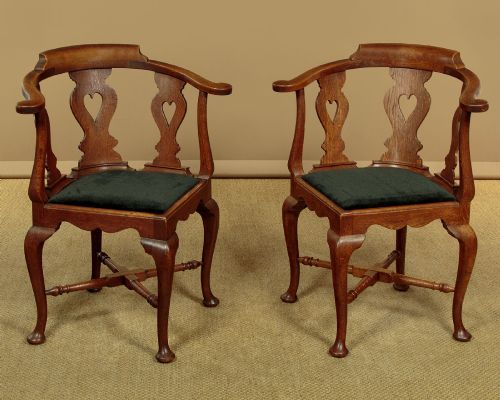
Georgian examples, dating through the eighteenth century, typically display robust proportions in mahogany or oak. They often incorporate carved splats and drop-in seats.
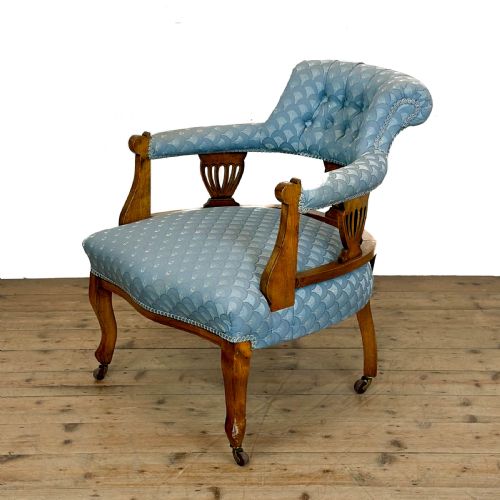
Later Victorian and Edwardian revivals emulate these earlier silhouettes but frequently feature lighter inlay or turned spindles.
Can I use an antique corner chair daily?
Solid hardwood frames provide the structural integrity needed for regular daily seating in modern homes. Checking the stability of the corner joints ensures safe ongoing use.
Original cane or rush panels require careful handling and weight consideration compared to solid wooden seats.