

Antique Copper Plates
Antique copper plates encompass a diverse range of metalwork, wall chargers and decorative dishes designed to display craftsmanship and historical ornament in domestic interiors.
Antique Copper Plates
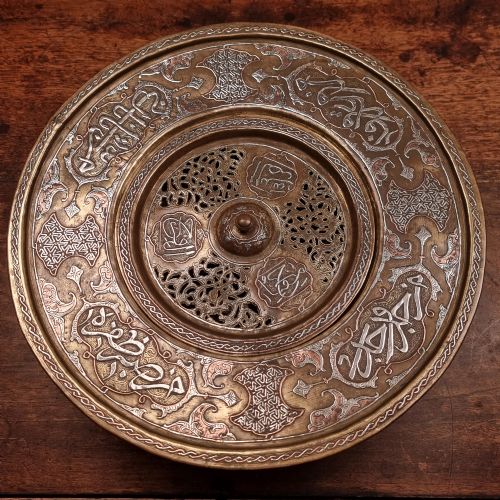
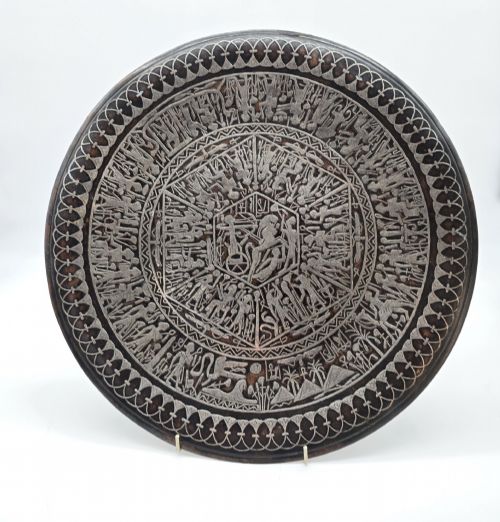
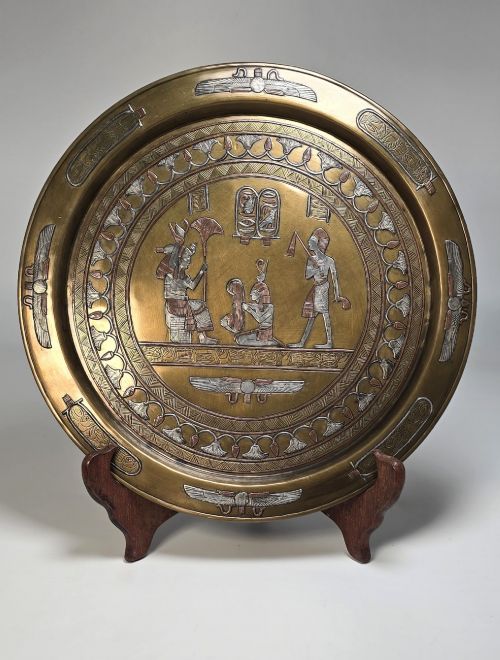
When you search for antique copper plates, you encounter everything from Japanese Meiji period cloisonne enamel chargers and Egyptian Cairo Ware vessels to Georgian hearth plates and Persian engraved dishes. The objects on this page span the eighteenth, nineteenth and early twentieth centuries, reflecting global traditions of metalworking and decorative art.
The term frequently includes flat decorative chargers, wall plaques and serving trays alongside related domestic items formed from copper, brass, silver plate and mixed metals. Japanese examples often feature detailed depictions of dragons, koi and phoenixes, while Middle Eastern pieces tend to display intricate silver inlay and repousse work.
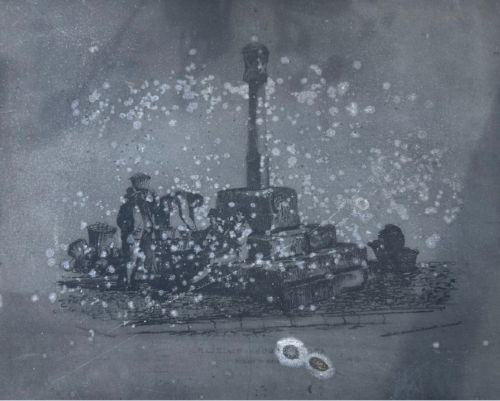
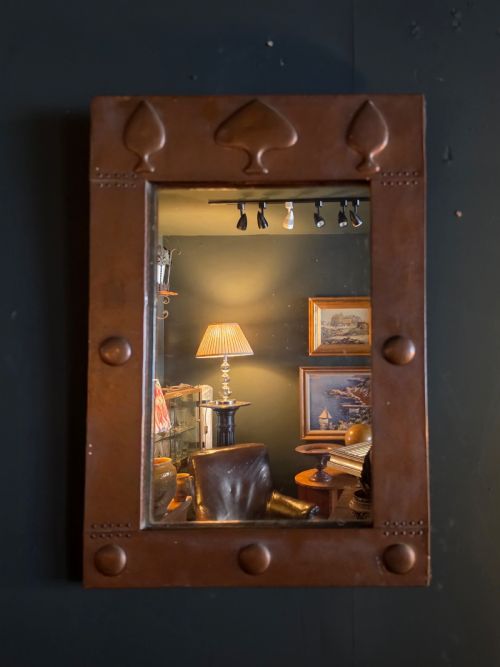
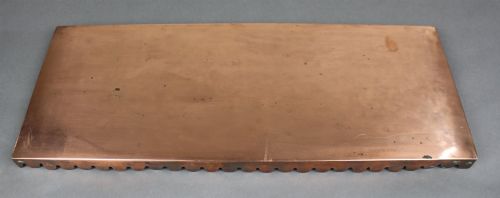
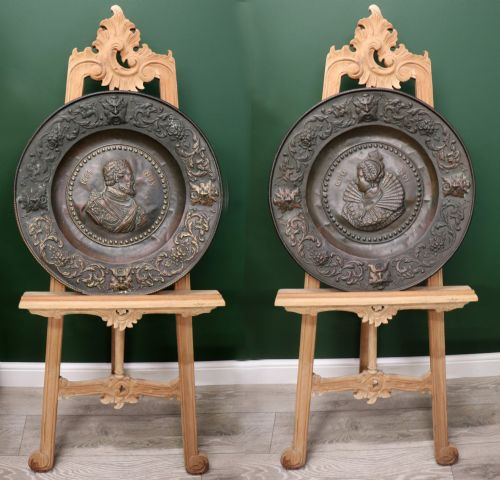
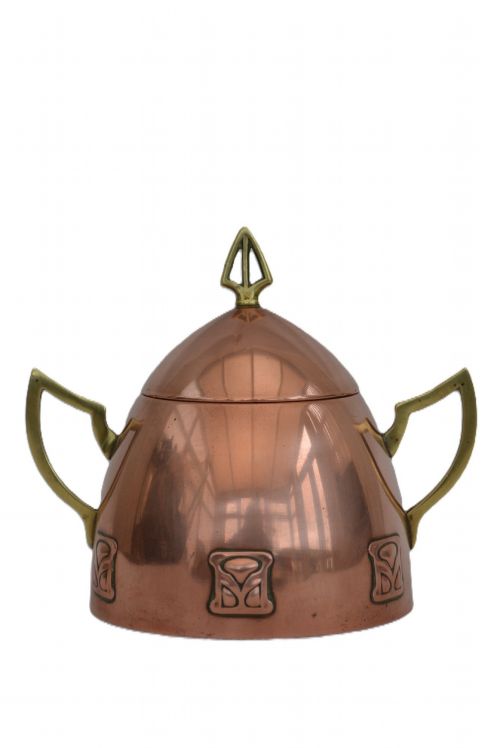
European makers contributed Georgian hearth plates, Arts and Crafts mirrors and specialised printing plates, showing that the category extends far beyond simple tableware. Each piece demonstrates how base metals were elevated through hammering, engraving and enameling to serve both functional and ornamental purposes in period homes.
Materials and Techniques
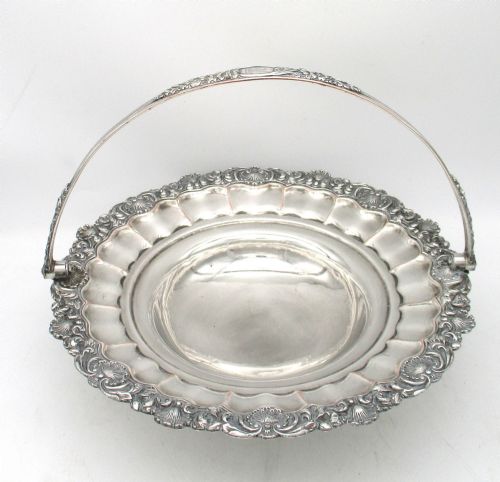
Makers shaped these items primarily from hammered copper, brass and bronze, often applying surfaces of silver plate, Old Sheffield Plate or colourful cloisonne enamel to enrich the visual texture. Hand-finishing techniques such as repousse, chasing and silver wire inlay required immense precision, particularly on large chargers and intricate trays.
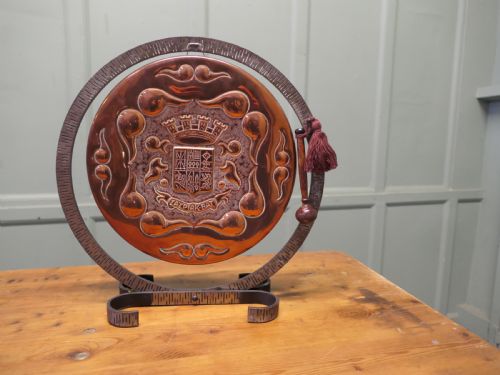
Japanese pieces from the Meiji period utilise complex cloisonne wirework to form detailed pictorial scenes of animals and legendary figures against vibrant enamel grounds. Middle Eastern Cairo Ware combines patinated copper with contrasting silver inlays, while European workshops relied on traditional smithing methods to produce hearth plates and framed mirrors.
Several plates feature remarkably detailed depictions of leaping koi, owls and dragons staring intently across the centuries.
Assessing Quality and Execution
Quality in antique copper plates rests upon the crispness of the hand-hammered detail, the complexity of the engraving or inlay, and the structural integrity of the metal. Superior examples exhibit tightly controlled wirework in enamel pieces, deep and sharp repousse relief, and minimal distortion across wide vessel surfaces.
The harmony of the design and the skill required to execute intricate pictorial motifs or geometric patterns separate masterwork productions from simpler utility wares. Pieces bearing signatures or originating from renowned cultural traditions and recognised retail houses generally demonstrate a higher degree of artistic ambition.
Liberty and Company·Barker Ellis·Richard Morton·John Horner
The Antique Copper Plates Glossary
- Cloisonne
- A decorative metalwork technique where thin metal wires are soldered to a base to form compartments filled with enamel paste and fired. This method produced intricate polychrome designs on Japanese plates and chargers.
- Repousse
- A metalworking method in which the artisan shapes sheet metal by hammering from the reverse side to create a raised design in relief. This technique defined the ornamentation on Persian and European decorative dishes.
- Cairo Ware
- Late nineteenth and early twentieth-century metalwork produced in Egypt, featuring distinctive silver and copper inlay patterns on brass or bronze surfaces. These pieces were popular during the Grand Tour period.
- Old Sheffield Plate
- A composite material made by fusing a thin sheet of silver to a thicker copper base under heat and pressure. It was widely used for Georgian tableware before the invention of electroplating.
- Charger
- A large decorative plate or platter intended for display on a wall or sideboard rather than for practical dining use. They provide expansive surfaces for detailed pictorial and geometric decoration.
Antique Copper Plates: Frequently Asked Questions
How do I hang a heavy copper charger safely?
Large wall chargers require secure bracket hangers designed to distribute the weight evenly across the rim without pinching or stressing the metal.
Avoid using simple wire clips that rely on tension alone, as antique copper and enamel can warp or crack under uneven pressure.
Can I polish antique copper plates?
Aggressive modern metal polishes remove historic patination and can wear down thin silver plating or enamel surfaces.
Light dusting and gentle cleaning with a soft cloth are usually sufficient to maintain the appearance without stripping away the age of the piece.
What is the difference between a charger and a tray?
Chargers are primarily designed for visual display on walls or tables, featuring elaborate decorative motifs that span the entire surface.
Trays often include raised rims or handles intended for carrying items, though many antique decorative examples served both aesthetic and functional roles.
How do I date a Japanese cloisonne plate?
Japanese pieces from the Meiji period often display specific colour palettes, wire thicknesses and subject matter that shift from dense floral patterns to naturalistic wildlife scenes.
Examining the base plate and the fineness of the cloisonne wires helps distinguish nineteenth-century works from later twentieth-century productions.