

Gothic Wall Hanging
A gothic wall hanging brings architectural depth and medieval presence to a room, turning bare plaster into a focal point.
Gothic Wall Hanging
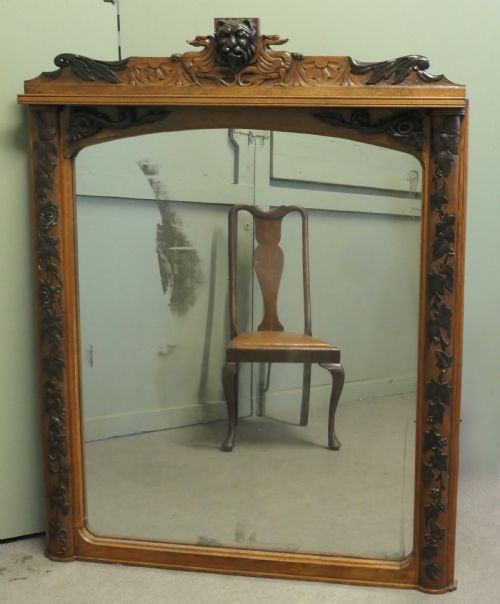
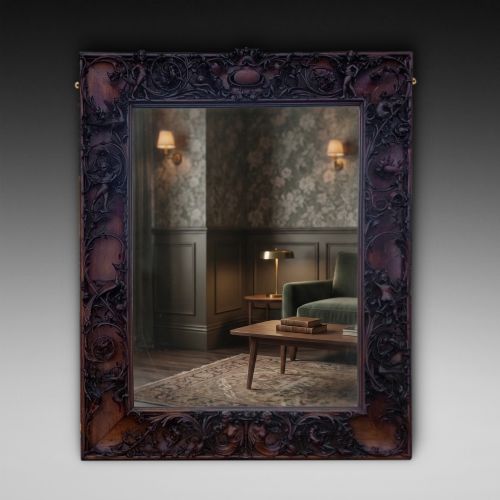
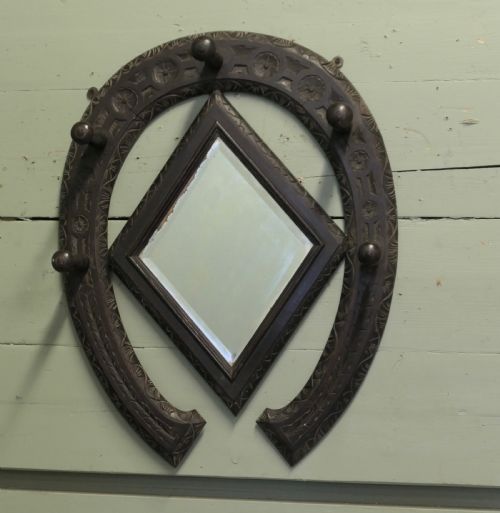
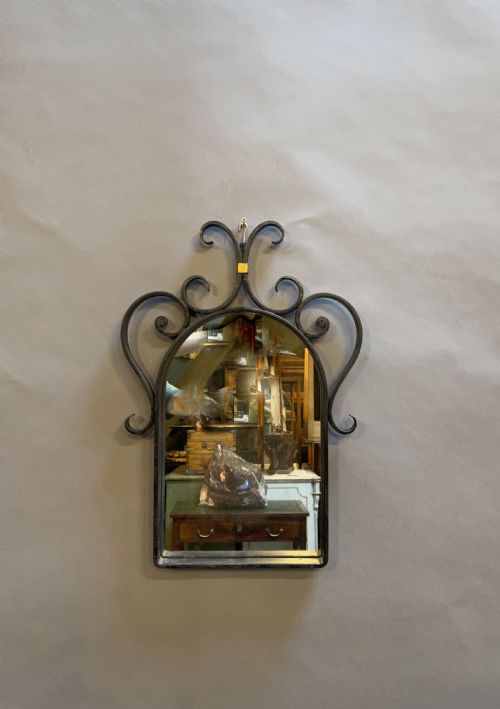
A gothic wall hanging encompasses architectural wooden cabinets, carved oak panels, mirrors, and woven tapestries designed to be mounted above floor level. These pieces draw heavily on medieval aesthetics, often incorporating pointed arches, tracery, and robust timber construction.
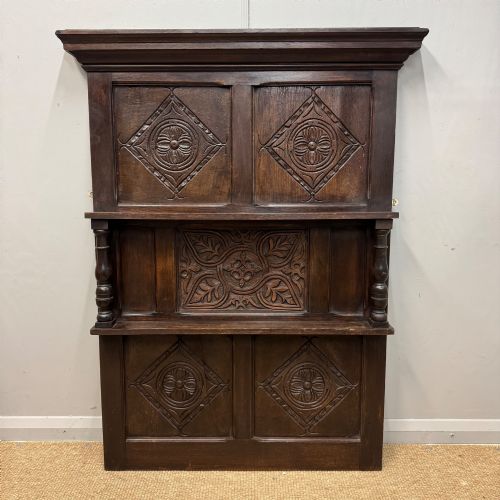
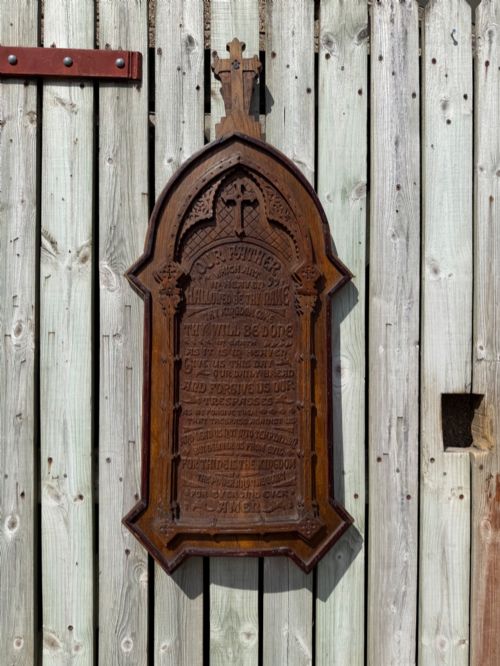
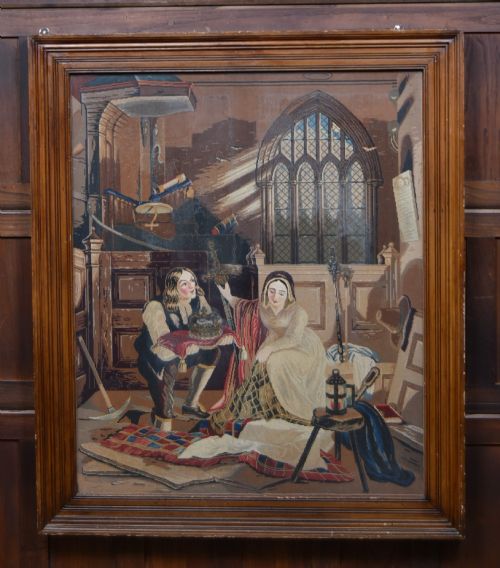
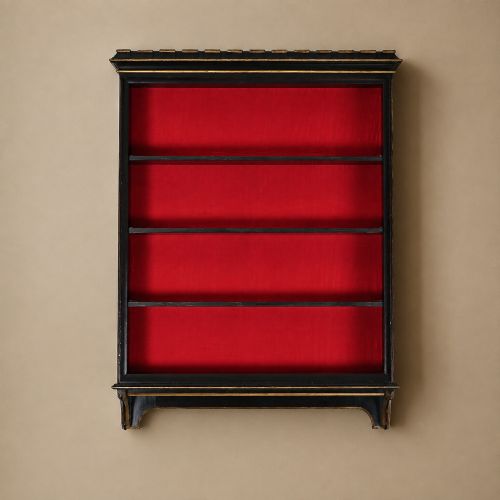
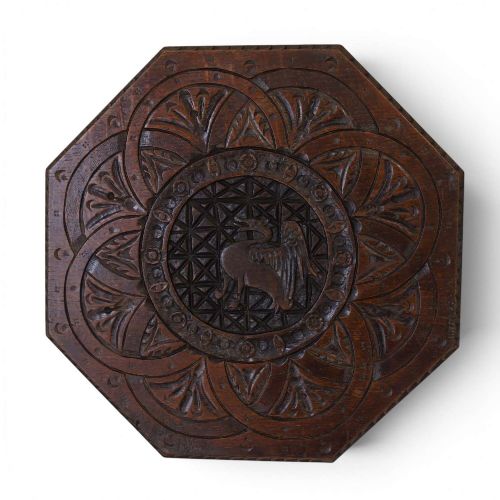
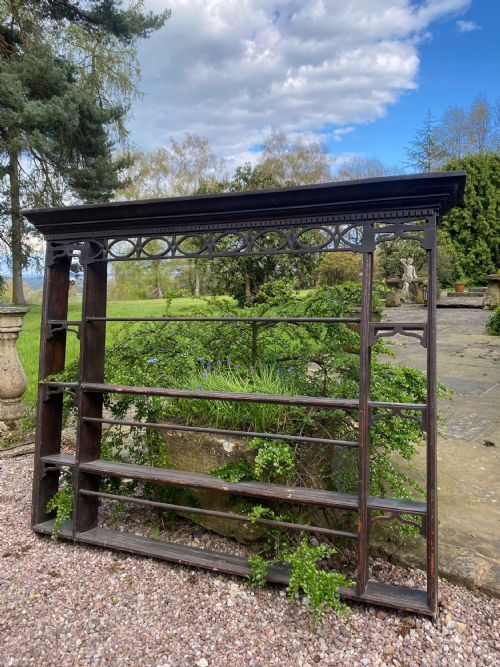
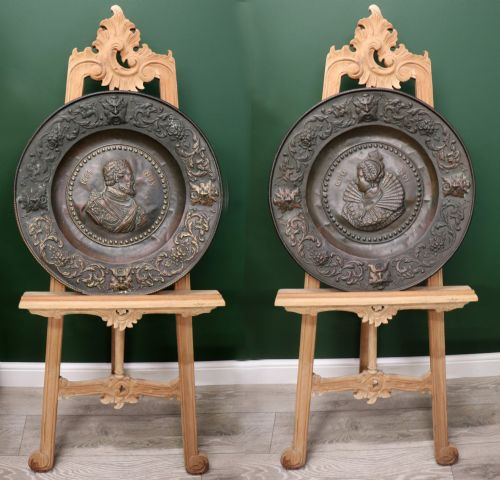
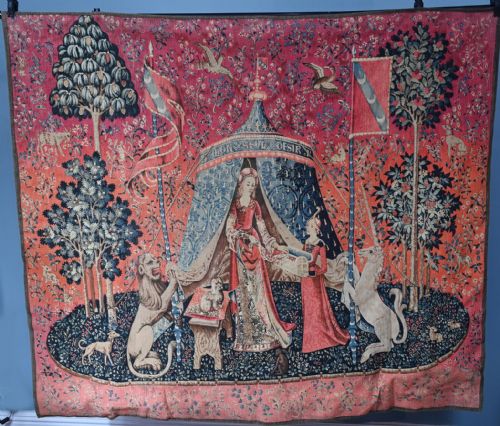
The selection on this page leans toward Victorian Gothic Revival oak shelves, mirrors, and cupboards alongside fabric wall hangings and cast metal plaques. Oak and walnut predominate, creating a heavy, sombre interior presence typical of nineteenth-century interpretations of earlier ecclesiastical forms.
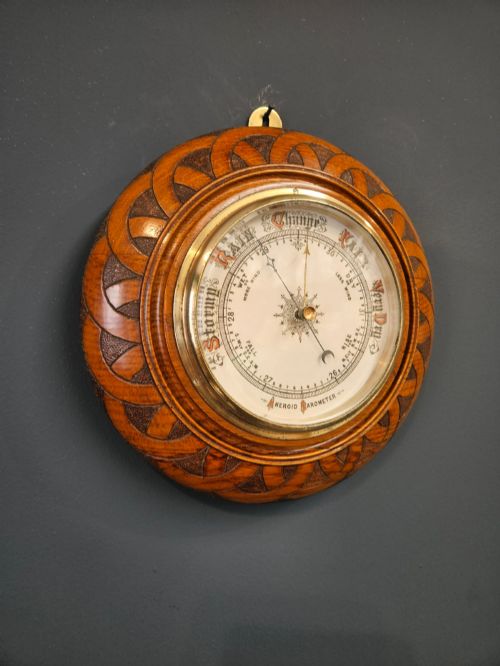
Forms range from practical hanging corner cupboards and key cabinets to purely decorative tapestries, portrait plaques, and barometers. Each piece serves to break the monotony of a flat wall by projecting shadow, texture, and historical narrative into the domestic space.
Materials and Construction Methods
Carpenters and cabinetmakers relied primarily on native hardwoods such as oak, walnut, and mahogany, selecting timber for strength and deep grain pattern. Construction frequently involved mortise and tenon joinery for stability, paired with hand-carved relief panels depicting tracery, foliage, or heraldic motifs.
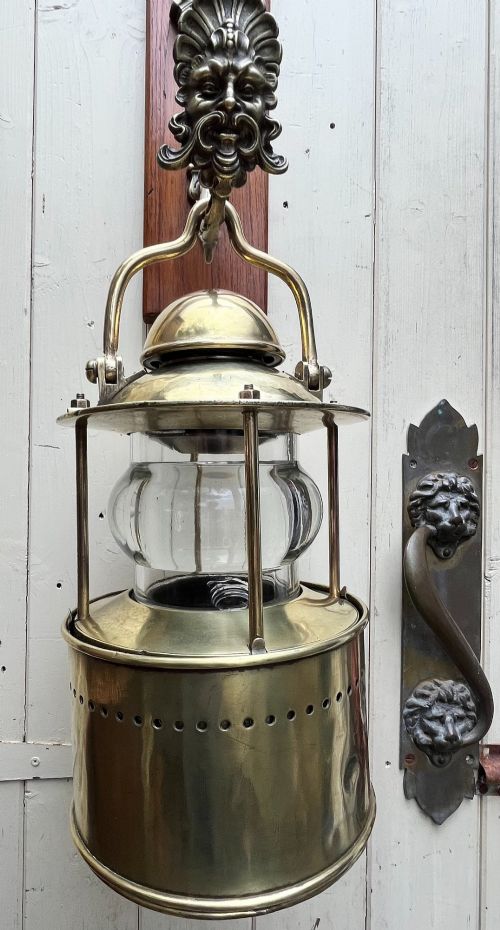
Decorative metalwork in brass, copper, wrought iron, and gilded bronze appears alongside timber frames for hinges, brackets, and sconces. Textile wall hangings utilised wool and silk threads in woven tapestries, while wooden surfaces often received ebonising, wax polishing, or paint finishes to emulate centuries of age.
Assessing Quality and Execution
Depth and sharpness of hand-carving separate standard factory production from superior artisan work. Crisp undercut foliage, well-defined tracery, and balanced proportions indicate a maker who understood medieval stone and woodwork principles rather than simply applying superficial ornaments.
Material selection and integrity of timber heavily influence standing. Dense, figured oak or old walnut with patinated surfaces and original hardware command greater appreciation than softer, later replacements or composite pieces assembled from unrelated architectural fragments.
George Edmund Street·John Moyr Smith
The Gothic Wall Hanging Glossary
- Gothic Revival
- An architectural and decorative movement reviving medieval forms, prominent during the nineteenth century. It applies pointed arches, cusping, and heavy timberwork to domestic furniture and wall pieces.
- Tracery
- Ornamental stonework-style patterning adapted for woodwork and stone, consisting of intersecting ribwork in window heads or panels. It forms the defining visual rhythm on many gothic cabinets and mirrors.
- Ebonising
- A finishing process that stains light wood black to imitate ebony. This technique was favoured in Victorian and Aesthetic Movement workshops to create stark, dramatic contrasts.
- Pookerwork
- The art of decorating wood or other materials by burning designs with a heated tool. Arts and Crafts makers utilised this method for tactile, textured wall cupboards and panels.
- Mille-fleurs
- A French term meaning a thousand flowers, describing tapestries filled with a dense background of small plants and blossoms. This style originates in medieval weaving traditions.
Gothic Wall Hanging: Frequently Asked Questions
How do I hang a heavy oak wall cabinet safely?
Heavy oak and walnut cabinets require robust fixings secured directly into wall studs or masonry rather than plasterboard alone. Distribute the weight evenly across sturdy internal brackets to prevent wall fixings from shearing under the load.
Ensure the hanging loops or batons integrated into the back of the piece are sound before mounting. Enlisting a professional carpenter is advisable for substantial nineteenth-century timber pieces.
How do I care for antique wood and textiles?
Keep wooden items away from direct heat sources and strong sunlight to prevent the timber from drying, splitting, or fading. Dust regularly with a soft, dry cloth and apply a quality beeswax sparingly when the grain appears dry.
Protect textile wall hangings from direct sun exposure and damp environments to preserve the integrity of wool and silk fibres. Vacuum tapestries very gently through a mesh screen if cleaning becomes necessary.
How do I distinguish Victorian Gothic Revival from original medieval work?
Victorian Gothic Revival pieces generally date from the nineteenth century and display machine-sawn elements, standardised fixings, or secondary woods typical of later industrial workshops. Original medieval panels or textiles show hand-tool marks, significant timber shrinkage, and centuries of handling wear.
Examine the backboards, joinery methods, and hardware for clues to the true age of construction. Most decorative wall pieces on the market reflect nineteenth-century reinterpretations rather than actual medieval survivals.
What rooms suit a gothic wall hanging best?
Entrance halls, studies, and dining rooms provide ideal backdrops for substantial oak cabinets, mirrors, and coat racks. The dark timber and architectural details complement neutral or richly painted walls, anchoring the surrounding decor.
Smaller items like wall brackets or brass sconces fit comfortably in narrower corridors or beside fireplaces. Balance the visual weight of the piece against the surrounding wall space to avoid overcrowding the room.