



Antique Copper Plaque
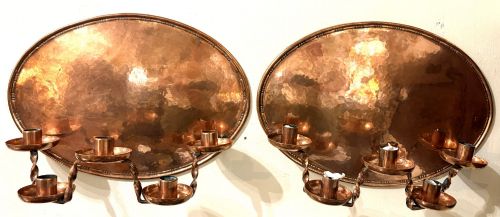
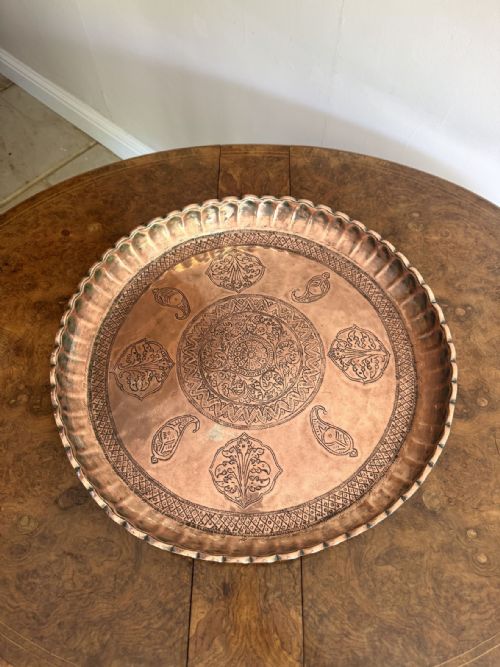
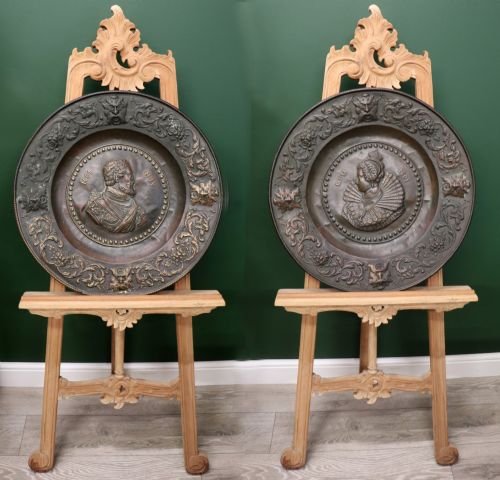
An antique copper plaque brings the rich warmth of hand-hammered metal and historic portraiture straight to a wall.
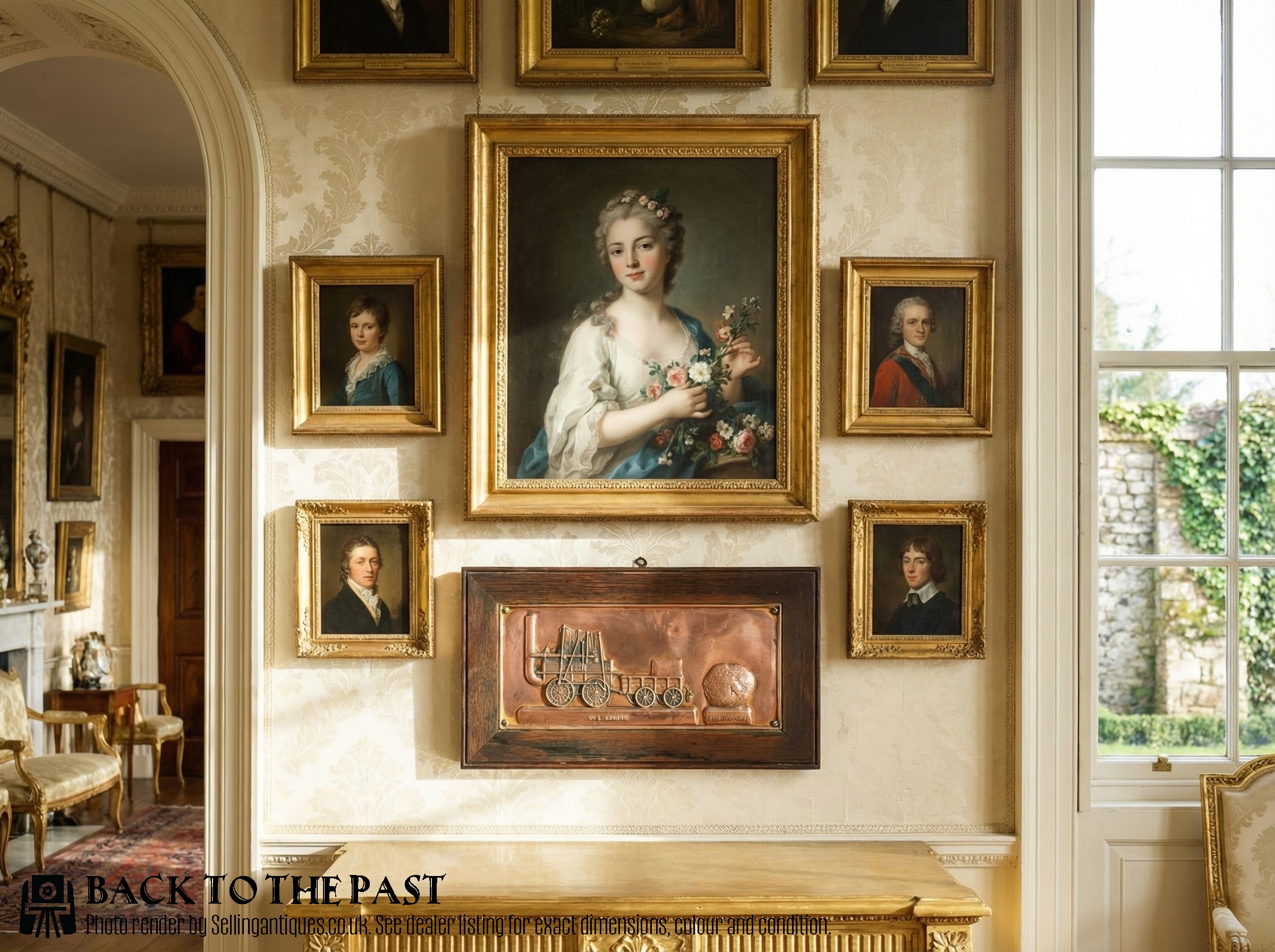
Antique Copper Plaque
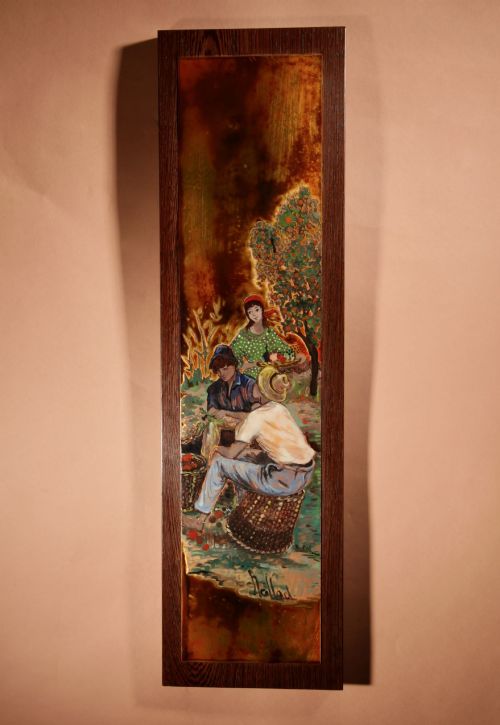
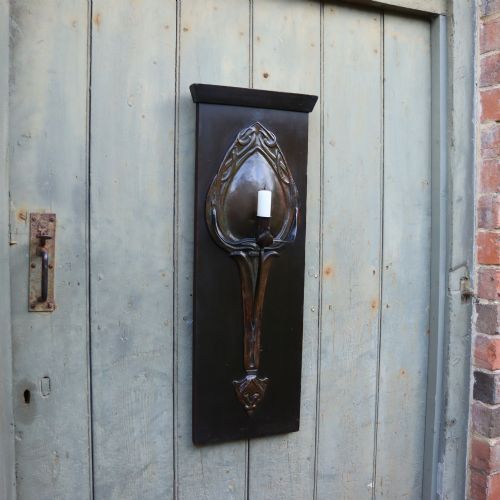
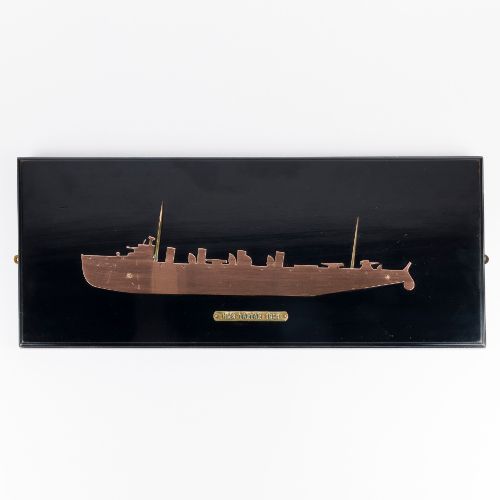
When you search for an antique copper plaque, you encounter a diverse array of wall art, decorative chargers, and relief panels originating from the eighteenth, nineteenth, and early twentieth centuries. These objects served primarily as decorative wall displays, commemorative items, or intricate artistic statements across multiple global traditions.
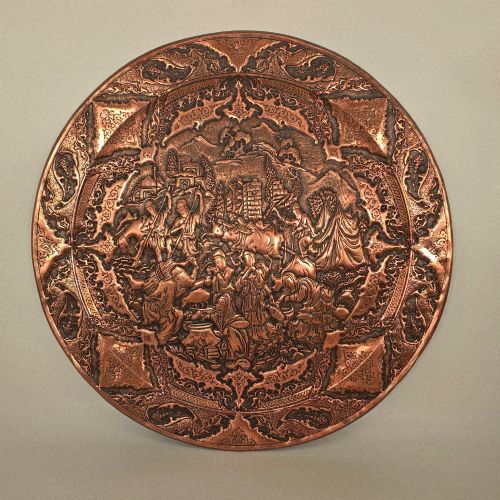
The selections available here range from British Arts and Crafts beaten copper panels and Victorian commemorative issues to Japanese Meiji period cloisonné enamel chargers and intricate Indian Raj period repoussé work. Wall chargers and large circular plaques dominate the selection, offering substantial visual impact for interior display.
How they were made
Many of these pieces rely on repoussé and chasing techniques, where artisans hammered the metal from the reverse side to create raised relief designs on copper, brass, or mixed metals. This method allowed craftsmen to model detailed portraits, foliage, and mythological scenes directly into the malleable surface.
Antique Copper Plaque Retail Price Guide 2026
Typical asking prices for copper plaque among the pieces listed under this phrase on Sellingantiques today, from the lower quarter to the upper quarter. They describe what is for sale here now, not the wider market.
Materials represented across the inventory include copper, brass, enamel, wood, gilt metal, bronze, silver, and silver plate.
What varies in quality
The distinction between ordinary production and superior craftsmanship lies in the depth and crispness of the hand-worked relief and the precision of surface decoration. Master artisans achieved subtle modulation in hammered portraits and natural motifs, whereas lesser examples rely on shallow stamping or repetitive machine-finished pressing.
Material composition and the complexity of subsidiary techniques dictate the upper tier of the range, seen in multi-layered cloisonné enamel work, fine silver inlay, and signed studio pieces. Preservation of the original patination and the integrity of applied enamel or plating also govern the overall execution of the piece.
Gustav Grohe·Faulkner Bronze Company·Samson
The Antique Copper Plaque Glossary
- Repoussé
- A metalworking technique where the artisan hammers a design from the reverse side to create a raised relief on the front. This method gives copper plaques their characteristic three-dimensional depth.
- Cloisonné
- An ancient technique for decorating metal object surfaces, using wire compartments filled with enamel paste and fired. Japanese examples frequently showcase this method on copper and brass foundations.
- Charger
- A large ornamental dish or plate intended for display on a wall or sideboard rather than for dining use. Many antique copper and brass examples feature elaborate engravings or hammered motifs.
- Limoges Enamel
- Coloured vitreous enamel paintings applied to copper plates, originating from the French city of Limoges. These plaques often depict historic portraits or classical scenes.
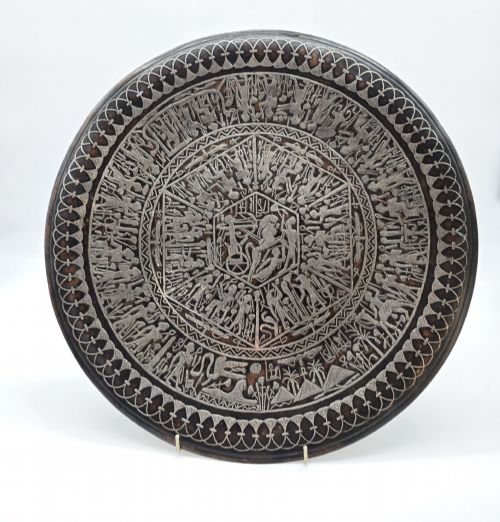
- Cairo Ware
- Metalwork produced in Egypt featuring intricate silver and copper inlay techniques. Grand Tour items of this type gained popularity during the late nineteenth century.
Antique Copper Plaque: Frequently Asked Questions
How were antique copper plaques displayed?
Most of these items were designed specifically for interior wall hanging, utilising integrated suspension loops or mounted wooden panels. Large chargers often sat upon sideboard ledges or within dedicated plate racks to showcase their detailed repoussé work.
In domestic settings of the nineteenth and early twentieth centuries, they provided striking focal points in reception rooms, libraries, and hallways. Their reflective surfaces helped brighten darker Victorian interiors when positioned near natural light sources.
What is the difference between repoussé and chasing?
Repoussé involves hammering the metal sheet from the reverse side to push the main contours outward into relief. Chasing is the complementary process performed on the front side to refine details, sharpen lines, and depress surrounding areas.
Master metalworkers combined both techniques to achieve high levels of definition in portraits, floral patterns, and narrative scenes. Examining the reverse of a plaque often reveals the characteristic indentation marks left by the hammering process.
How do I care for antique copper?
Maintaining these surfaces requires minimal intervention to preserve the historic patination accumulated over decades or centuries. Gentle dusting with a soft, dry cloth is usually sufficient for regular upkeep.
Harsh chemical polishes should be avoided entirely, as they strip away the aged surface character and can damage delicate enamel, silver plating, or patinated highlights. Keeping the pieces away from excessive moisture and direct sunlight ensures the metal and enamel remain stable.
How do I identify Arts and Crafts copper?
Arts and Crafts pieces typically exhibit visible hammer marks left by the hand of the individual artisan rather than smooth, industrially stamped finishes. The decorative vocabulary often draws inspiration from nature, featuring motifs such as pomegranates, stylized foliage, and intertwined stems.
These works frequently originate from dedicated guilds, schools of art, or small independent workshops active around the turn of the twentieth century. Unsigned panels may still be attributed through distinct workshop styles, punch marks, and specific gauge thicknesses of the beaten metal.