





Oak Framed Sign
An oak framed sign brings together substantial timber and historic lettering or imagery, offering a distinct piece of wall art for the interior.
Oak Framed Sign
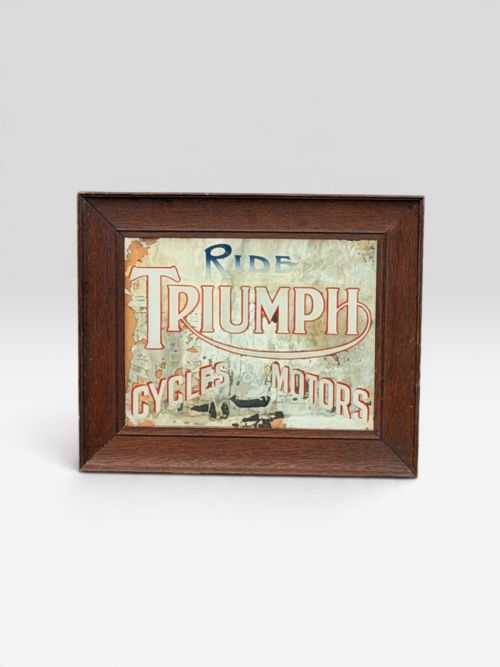
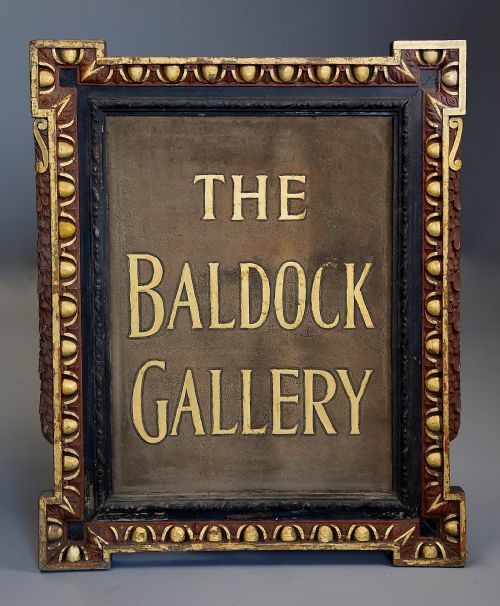
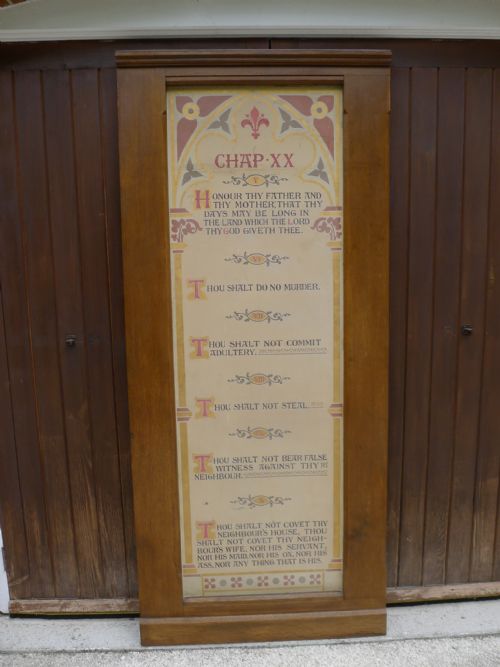
When you search for an oak framed sign, you encounter a diverse group of wall-hung objects encompassing trade notices, illuminated religious texts, and painted advertisements set within solid timber surrounds. The selection spans the Victorian, Edwardian, and mid-century periods, capturing everything from commercial shop displays to hand-lettered spiritual mottoes.
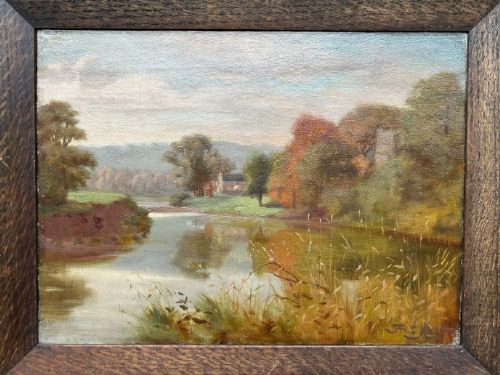
The version you are most likely to meet on this page pairs a sturdy oak moulding with paper, canvas, or glass panels bearing period typography, oils, watercolours, or embossed copper. These pieces bridge the gap between functional display and fine art, often retaining their original structural framing from the late nineteenth or early twentieth centuries.
Materials and construction
The physical construction relies heavily on solid oak for the outer border, frequently joined with simple mitred or stepped corners that complement the visual weight of the interior panel. Inside the moulding, makers combined traditional substrates such as paper, canvas, glass, or carved wood with hand-applied oil paint, watercolours, charcoal, and gilded leaf.
Specialist techniques appear across the varied examples, including reverse painting on glass, beaten copper embossed panels, and careful sign-writing directly onto the backing material. Protective glass glazing often shields fragile paper signs and watercolours from environmental wear, preserving the original pigments and lettering.
Oak Framed Sign Retail Price Guide 2026
Typical asking prices for oak framed sign among the pieces listed under this phrase on Sellingantiques today, from the lower quarter to the upper quarter. They describe what is for sale here now, not the wider market.
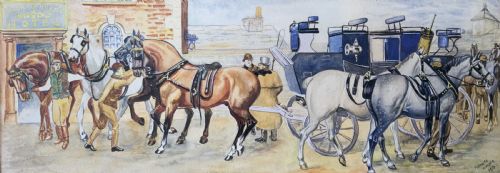
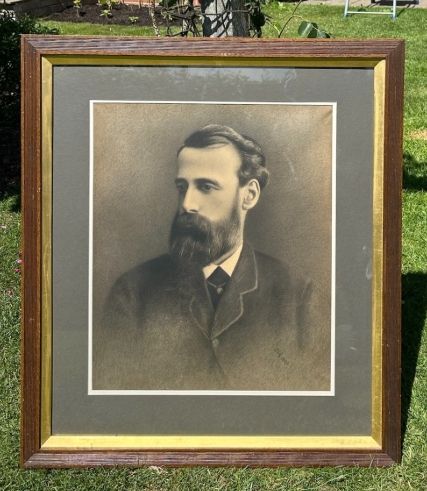
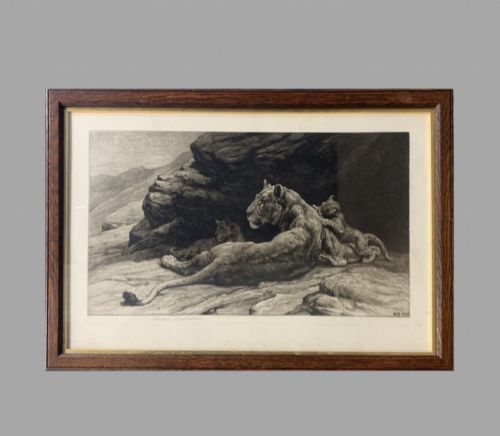
The listings feature diverse artistic mediums, including oil paintings, charcoal drawings, watercolours, and etched vellum alongside traditional trade signs.
Assessing quality and execution
Quality in these pieces rests upon the crispness of the lettering or artistic execution and the structural integrity of the timber moulding. A superior example demonstrates skilled hand-painting, well-balanced proportions in the oak frame, and high-grade materials that have aged gracefully without compromising the central display.
Significance also depends on the historical clarity of the subject matter, whether a named trade, a signed artwork, or a documented presentation piece. Pieces that retain their original glass, backing boards, and untouched surface patination command greater interest than those with mismatched components or later alterations.
Frederick Marriott·Herbert Dicksee·Dame Elisabeth Frink·Harry Wanless·Kershaw Schofield
The Oak Framed Sign Glossary
- Oak frame
- A structural border fashioned from Quercus timber, providing robust containment and support for paintings, prints, or trade notices. It often displays characteristic medullary rays within the grain.
- Trade sign
- A board or plaque created to advertise a specific merchant, business, or profession, frequently incorporating bold lettering or graphic symbols to attract customers.
- Illuminated text
- A manuscript or printed script embellished with bright pigments, metallic leaf, or decorative borders, often used for religious mottos in public or domestic spaces.
- Sign-writing
- The professional craft of painting letters and numerals by hand for commercial or informational purposes, utilising specialised brushes and durable enamels.
Oak Framed Sign: Frequently Asked Questions
What periods do these pieces represent?
The collection spans multiple decades from the late nineteenth century through to the mid-twentieth century. Key eras include the Victorian and Edwardian periods, alongside the interwar years and the 1950s and 1960s.
Stylistic influences range from Arts and Crafts craftsmanship to Mid-Century Modern design. Each piece reflects the aesthetic preferences and manufacturing techniques of its specific decade of origin.
How were trade signs displayed originally?
Tradespeople mounted these items outside shops, above doorways, or inside commercial premises to clearly advertise goods and services to the public. They served a purely practical function before later being appreciated as decorative artefacts.
Many incorporated durable materials like painted wood, glass, or metal to withstand daily wear and tear in bustling environments.
Can I hang these signs in modern rooms?
The neutral tones of aged oak and classic typography allow these pieces to integrate easily into contemporary interiors. They work well as statement wall art in kitchens, living spaces, or studies.
Ensure you use appropriate wall fixings suited to the weight of the solid timber and glass components.
How do I care for antique oak frames?
Maintain the wood by keeping the pieces away from direct heat sources and strong sunlight, which can dry out the timber and fade painted surfaces. Dust the frames gently with a dry, soft cloth.
Avoid applying modern chemical polishes or water directly to the exposed wood or historic paper elements.