

Antique Copper Copper
When you search for antique copper copper, you uncover substantial metal vessels and hearth items forged to endure centuries of daily domestic and garden use.
Antique Copper Copper
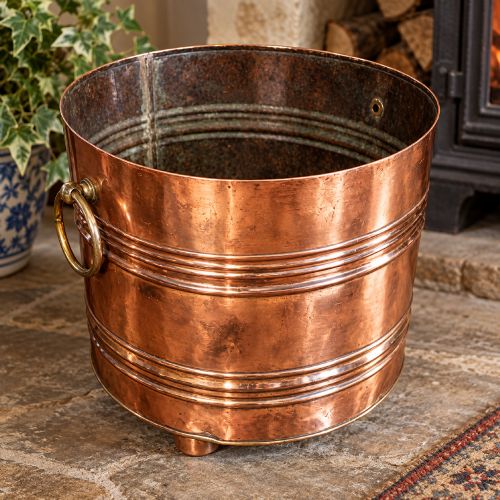
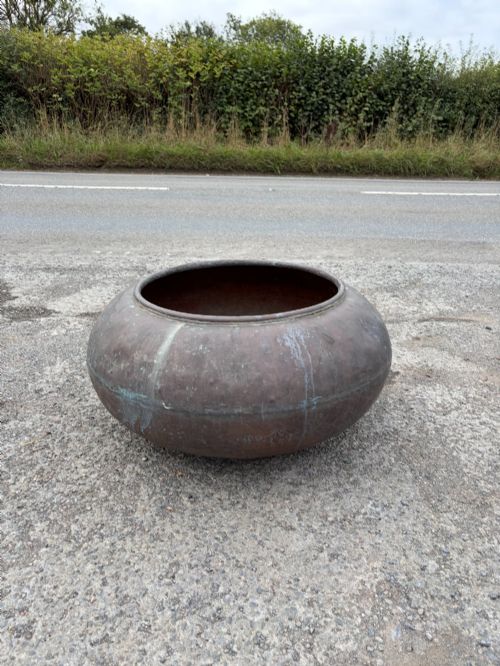
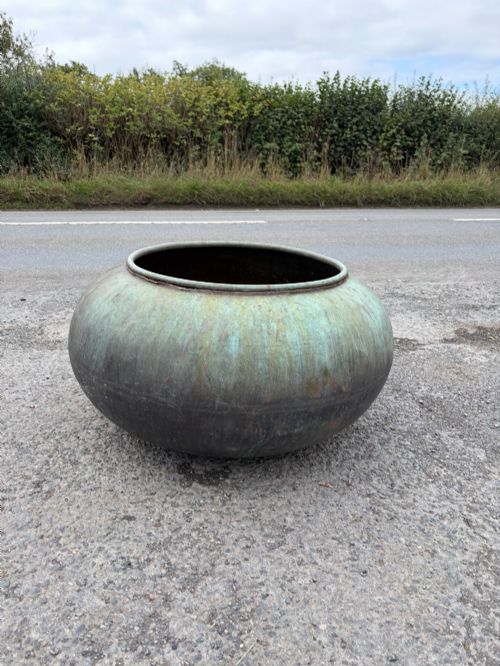
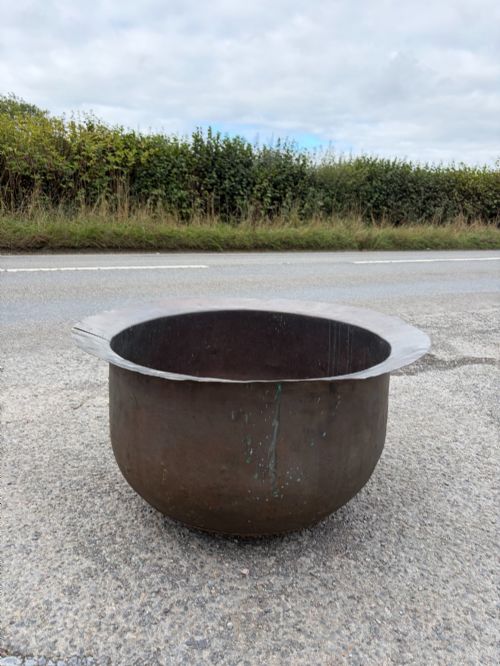
The search phrase antique copper copper brings up a dense concentration of robust metalware designed for heating, cooking, and water storage. Common domestic survivals include heavy coal scuttles, kettles, wash tubs, and large garden planters or pots.
Most examples originate from the Victorian and Edwardian eras, alongside Georgian kitchenware and distinct Arts and Crafts decorative pieces. Makers often paired copper with brass, iron, or oak to build utilitarian vessels that double as decorative objects.
How they were made
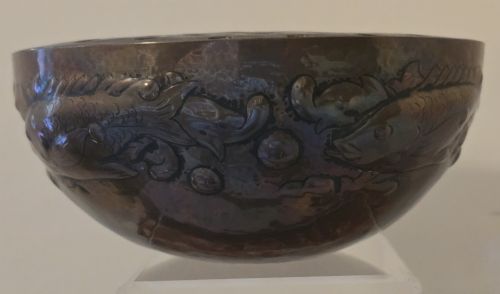
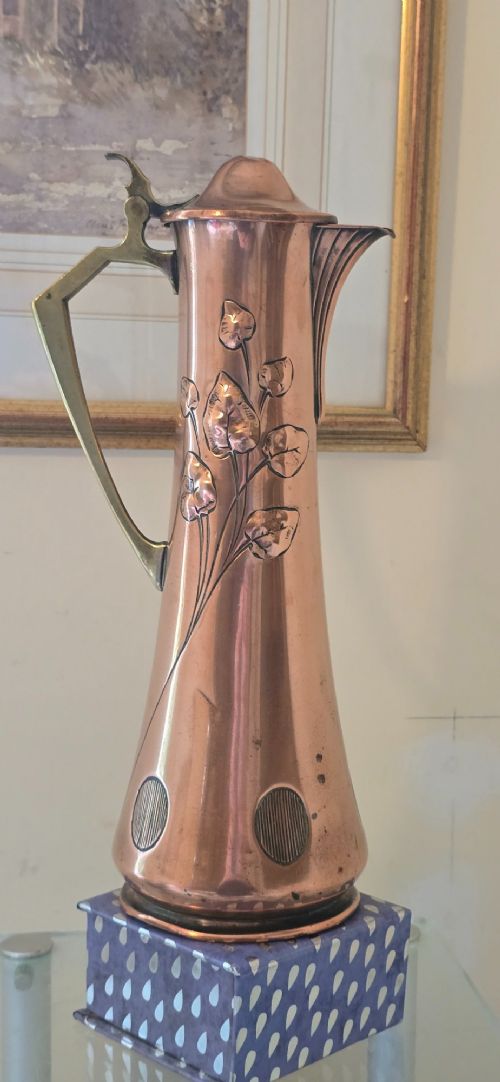
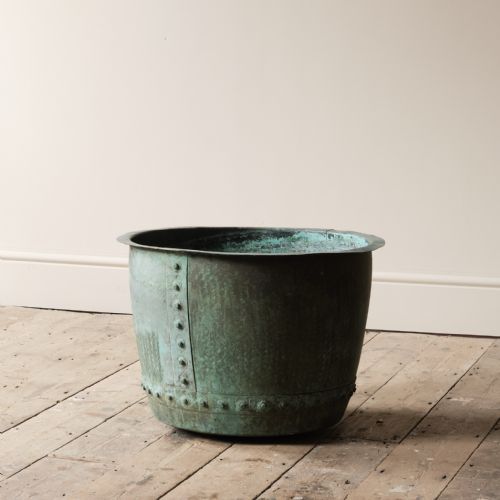
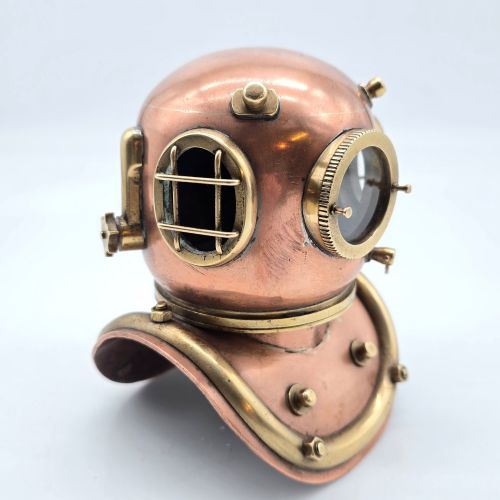
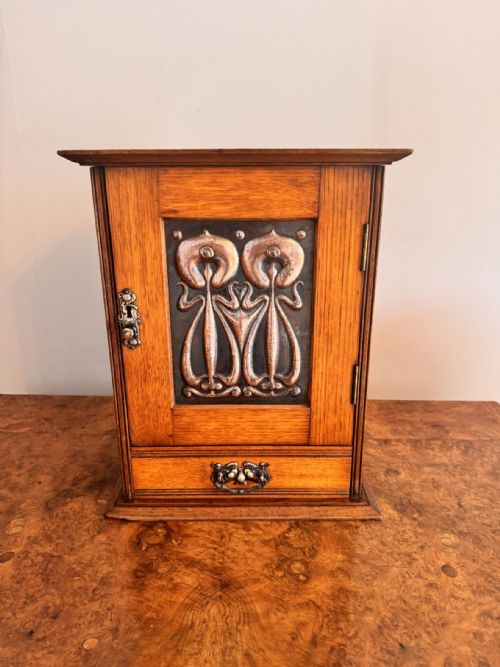
The construction relies heavily on hand-beaten sheet metal shaped over forms, joined by visible rivets, or occasionally hammered with fluid Art Nouveau floral relief designs. Workshops utilised brass for handles, feet, and rims to contrast against the warm tone of the primary metal.
Internal surfaces were frequently tinned by hand to prevent toxic verdigris contamination during food and water preparation, a technical necessity for functional kitchenware.
One remarkably persistent beetle-shaped snuff box proves that even nineteenth-century metalworkers enjoyed hiding tiny surprises inside their pockets.
What varies in quality
Gauge thickness dictates structural integrity, separating heavy-walled pots and kettles meant for hearth fires from thin decorative items stamped by later factories. Riveting precision and the clean hammer work on raised surfaces denote superior workshop execution.
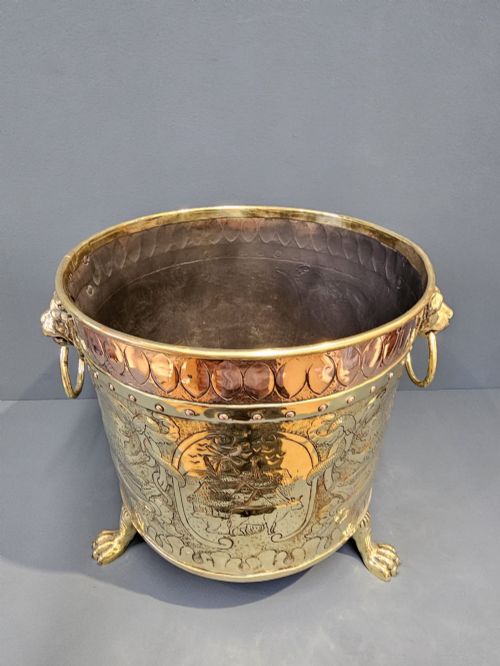
Originality of integrated fittings, such as brass lion mask handles, wrought iron swinging bails, and matching lids, preserves the historical integrity of the piece.
WMF·Richard Evered and Sons
The Antique Copper Copper Glossary
- Coal Scuttle
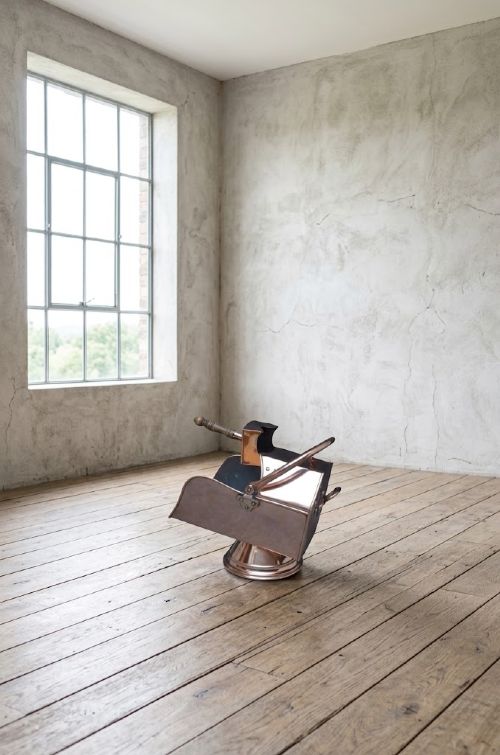
- A domestic container designed to hold solid fuel by the fireplace, often featuring a sloped mouth and a sturdy swing handle. Many surviving examples combine beaten copper bodies with cast brass feet.
- Planter
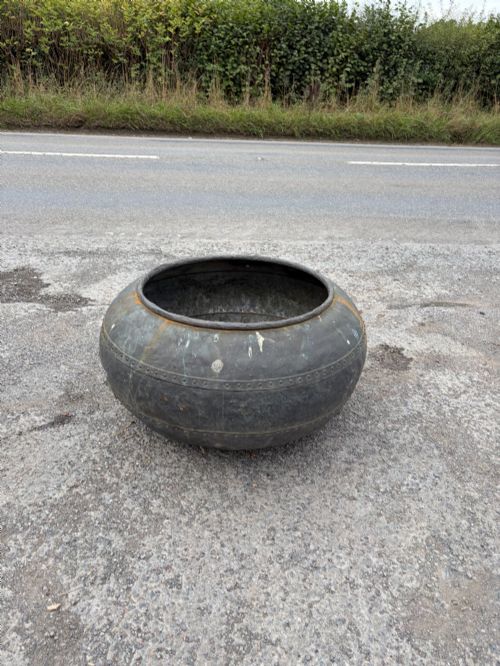
- A large vessel utilised for housing plants indoors or within a garden setting. These often take the form of riveted tubs or cauldrons mounted on iron stands.
- Samovar
- A traditional metal urn utilised for boiling water, typically featuring an internal heating pipe and a spigot near the base. They appear frequently in brass and copper combinations.
- Riveted
- A method of joining sheet metal where metal pins are driven through overlapping plates and hammered flat. This technique provides both structural strength and visual texture on utilitarian vessels.
- Arts and Crafts
- A design movement spanning the late nineteenth and early twentieth centuries that emphasised hand-craftsmanship and honest materials. Metalware from this period often displays deliberate surface hammering and stylized floral motifs.
Antique Copper Copper: Frequently Asked Questions
How do I clean antique copper?
Maintenance depends entirely on whether you prefer a bright polished finish or a dark, untouched verdigris patina acquired over generations. Gentle washing with warm soapy water removes dust without disturbing the historical surface.
Avoid harsh modern chemical abrasives that strip away the thin outer layer of aged metal. A soft cloth and mild proprietary metal cleaner suffice if you choose to reduce oxidation.
Are old copper pots safe for cooking?
Most antique vessels were originally lined with a thin layer of tin to prevent direct contact between food and toxic copper oxides. Over long periods of use, this tin lining typically wears away completely.
Utilise these items purely for dry storage, log holding, or plant display unless a professional retinning specialist has renewed the interior surface.
How can I date an old copper piece?
Dating relies on observing construction markers, such as hand-cut dovetails, thick hand-beaten sheet walls, and early cast brass attachments rather than modern machine threading. Georgian and early Victorian items frequently show irregular hammering patterns unique to manual workshops.
Later Edwardian and Arts and Crafts productions often feature stylised stamped motifs or maker stamps associated with known guilds.
What is a coal scuttle used for?
Coal scuttles served as portable storage containers positioned beside domestic fireplaces to supply fuel conveniently throughout the winter months. Their angled openings allowed handlers to tip coal cleanly onto hearth flames.
Today, collectors repurpose these sturdy lidded bins as umbrella stands, log holders, or large decorative floor planters.