


Antique Condiment Vessel
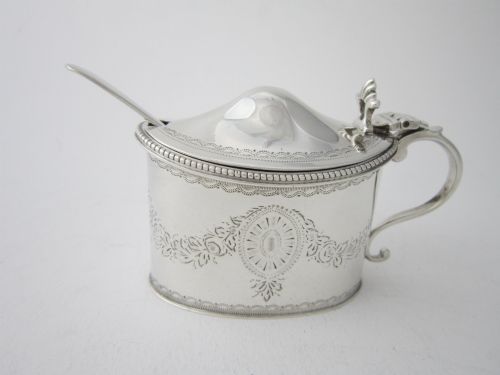
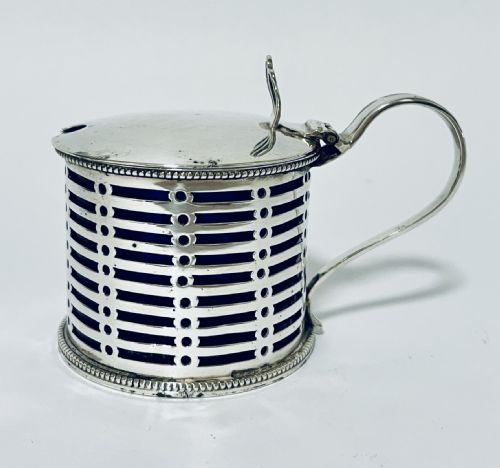
An antique condiment vessel brings tactile weight and functional elegance to the table, taking forms from drum mustard pots to cut glass preserve jars.
Antique Condiment Vessel
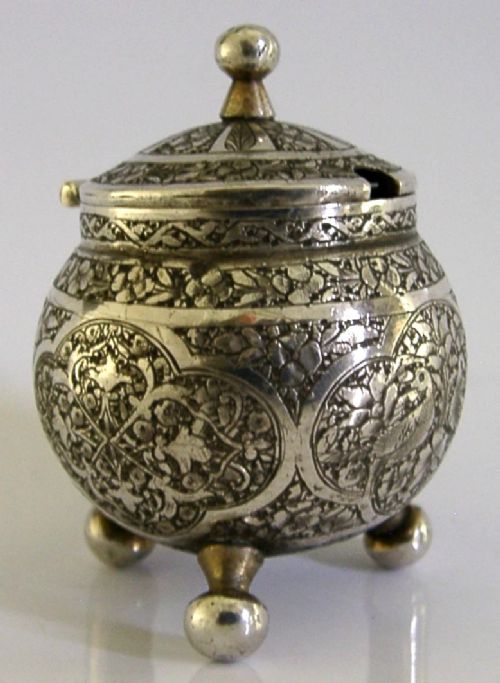
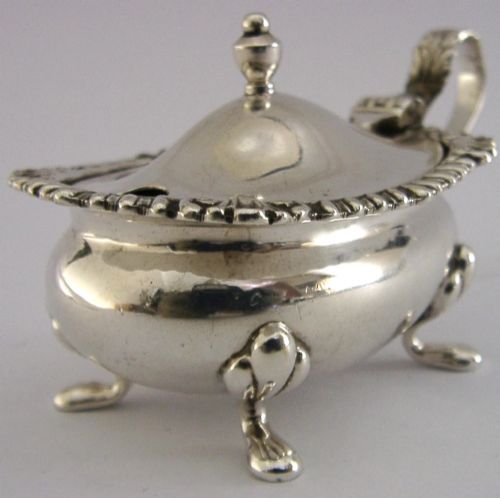
When you search for an antique condiment vessel, you encounter a specialised form of tableware designed to hold substances like mustard, sugar, or preserves. The selection spans distinct periods from the Georgian era through the Victorian and Edwardian periods up to the Art Deco movement and the mid-twentieth century. The pieces you meet most frequently on this page are silver and silver plate mustard pots, alongside glass condiment jars and sugar bowls.
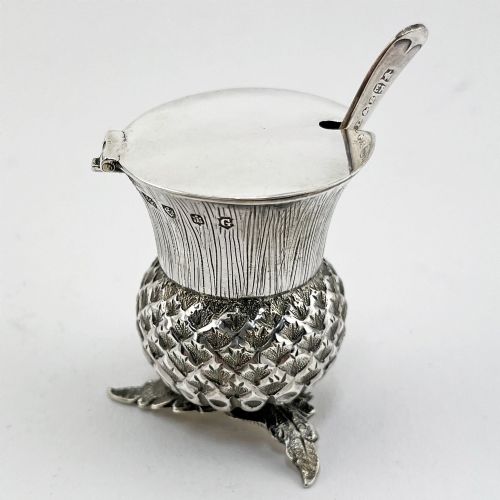
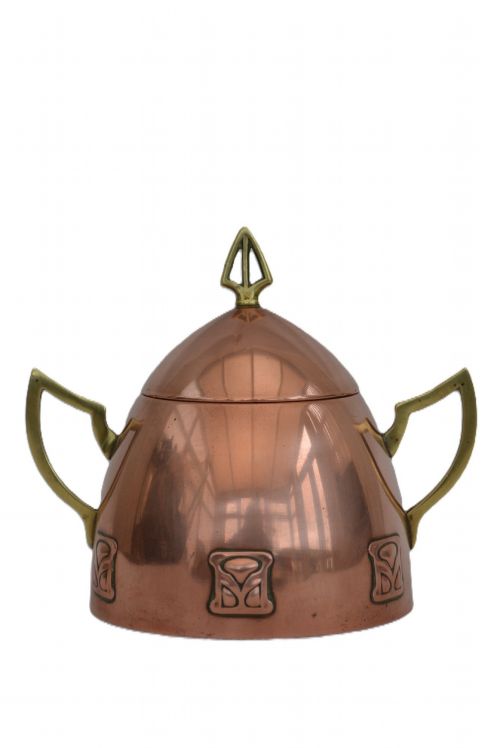
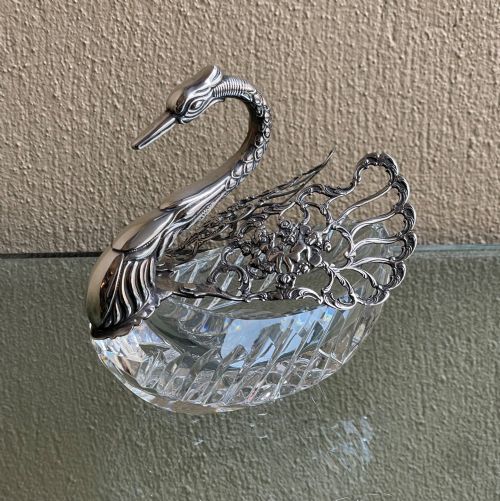
The objects take diverse shapes, ranging from drum mustard pots and octagonal forms to novelty designs such as thistles, swans, and squirrels. Materials shift from solid sterling silver and silver plate to brass, copper, and cut or cobalt glass liners. Origins stretch across English workshops, Scottish novelty pieces, Spanish salts, and Ottoman solid silver items, providing a broad geographical and stylistic spread.
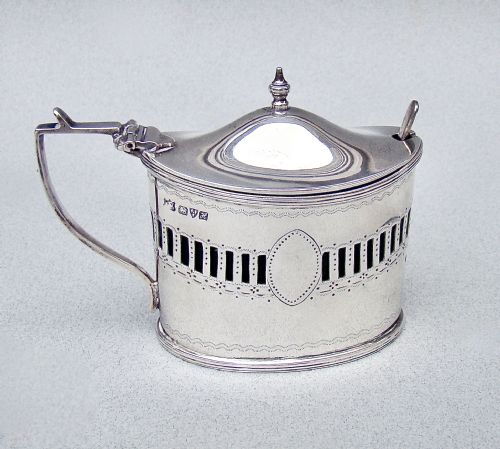
Form follows function closely in these tableware items, which often include hinged lids, pierced galleries, and matching spoons or sifters. Whether handling an early Victorian pierced silver pot or a plain George III example, buyers encounter items intended for active dining use rather than mere display. The survival of fragile glass liners alongside heavy silver mounts indicates careful preservation through successive generations.
Materials and construction methods
Makers constructed these pieces primarily using sterling silver, silver plate, brass, and copper, frequently pairing metalwork with blown or cut glass. Metal components were cast, hammered, or pierced to create decorative patterns, while glass liners were blown and ground to fit snugly inside the outer framework. Pierced silver work required precise hand-sawing to produce delicate lattices without compromising structural integrity.
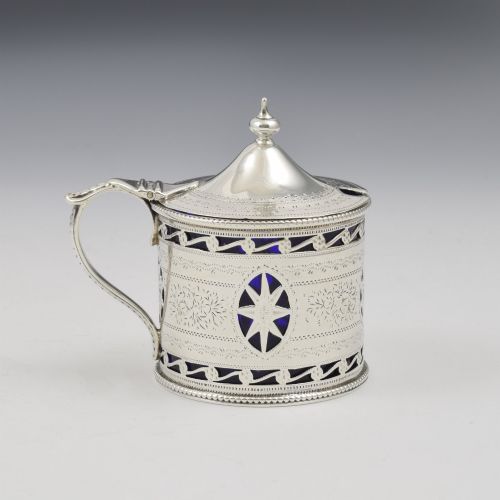
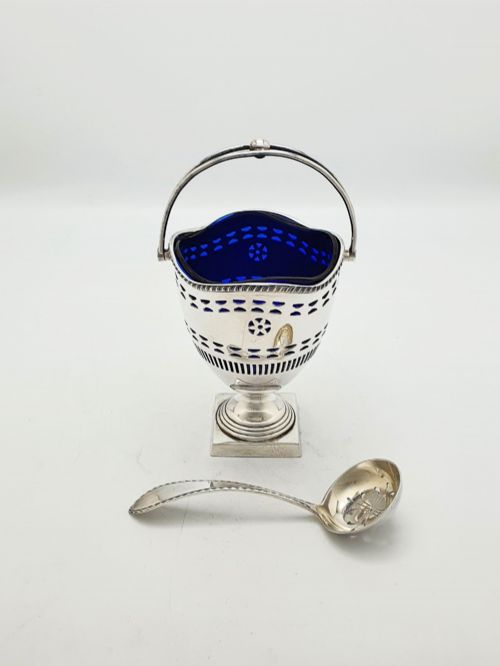
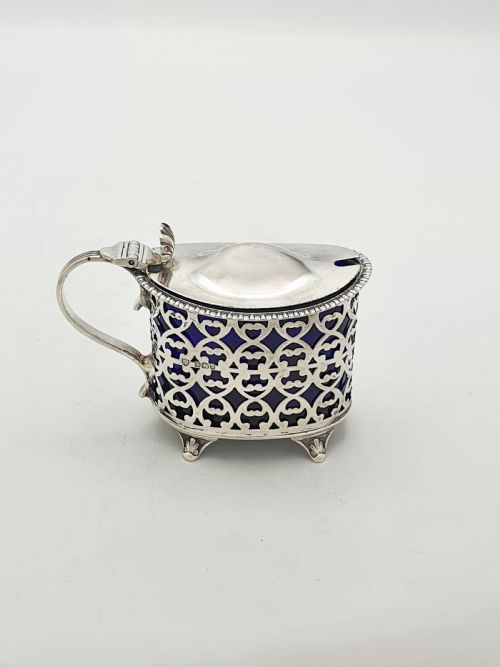
Assembly involved soldering hinges to lids and bodies, attaching cast handles, and securing mounts to glass vessels with specialised adhesives or mechanical fittings. Makers utilised coloured glass, notably cobalt blue, to provide visual contrast behind pierced silver galleries. Hallmarks and maker marks were then stamped directly into the metal surfaces to record the assay office, date, and silversmith.
Squirrels, thistles, and swans take functional form, holding mustard and sugar with unexpected woodland charm.
Distinctions in quality and execution
Quality rests upon the weight of the metal, the crispness of the chasing or piercing, and the integrity of the maker marks. Heavy gauge silver provides a substantial feel in the hand compared to lighter plated alternatives, while deeply struck hallmarks ensure secure provenance. The precision of hand-piercing and the absence of distortion in the metal walls mark out superior examples.
The inclusion of original, undamaged glass liners - whether cobalt or clear cut glass - significantly elevates a piece's completeness. Superior items exhibit smooth hinge action on lids, secure closures, and unblemished metal surfaces that retain their original polish and detail. Novelty forms and items by recognised silversmiths demonstrate greater ambition in design and execution.
Alfred Marston·Nathan and Hayes·Charles Fox II·Matthew Boulton·Robert Hennell I·Charles Stuart Harris·Omar Ramsden·Heath and Middleton
The Antique Condiment Vessel Glossary
- Mustard pot
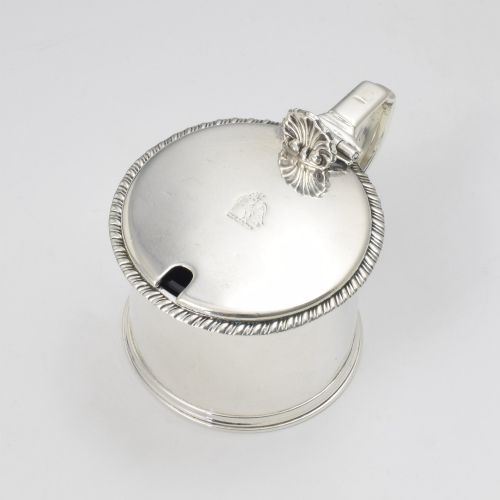
- A small covered container designed specifically for holding and serving prepared mustard at the dining table. These vessels typically feature a hinged lid, a cut-out for a spoon, and often a removable glass liner.
- Pierced silver
- Metalwork decorated by cutting or sawing small shapes through the silver sheet to create openwork patterns. This technique lightened the object visually while revealing the coloured glass liner placed within.
- Cobalt glass
- Deep blue glass utilised extensively for removable liners inside pierced silver condiment pots. The intense colour shows brightly through the openwork designs of the outer metal jacket.
- Sterling silver
- An alloy consisting of ninety-two point five percent silver by mass, with the remainder being other metals such as copper. This standard composition was stamped with official assay office hallmarks to guarantee purity.
- Sugar shaker
- A tall vessel with a perforated top used for dusting powdered sugar onto food. They frequently share stylistic periods and manufacturing techniques with condiment pots.
Antique Condiment Vessel: Frequently Asked Questions
What is an antique condiment vessel used for?
These vessels held table condiments such as mustard, sugar, and preserves during formal and domestic meals. They kept substances contained and served them cleanly using matching spoons or sifters.
Over time, dining fashions shifted, but the vessels remained valued for their craftsmanship and decorative presence on sideboards and dining tables.
How do I identify a Georgian mustard pot?
Georgian examples often display restrained classical lines, plain cylindrical bodies, or elegant drum shapes without excessive ornamentation. Hallmarks stamped on the metal provide precise date letters and maker marks to confirm the period.
Examining the construction methods, such as hand-soldered joints and traditional hinges, helps distinguish these eighteenth- and early nineteenth-century pieces from later revivals.
Why do some silver pots have glass liners?
Glass liners protected the sterling silver exterior from the corrosive acids found in condiments like mustard and vinegar. Cobalt or clear glass was blown to fit the interior cavity of pierced metalwork.
Finding a vessel with its original matching glass liner adds considerable completeness to the piece.
How should I clean sterling silver condiment vessels?
Clean sterling silver gently using a soft microfibre cloth and a reputable, non-abrasive silver polish to remove tarnish without harming the metal surface. Avoid harsh scrubbing brushes that can scratch engraved details or damage antique hallmarks.
Glass liners can be washed separately in warm, soapy water, ensuring they are dried thoroughly before being replaced inside the silver mount.