


Antique Condiment Spoons
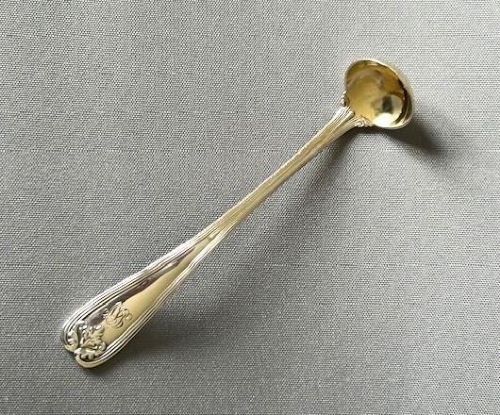
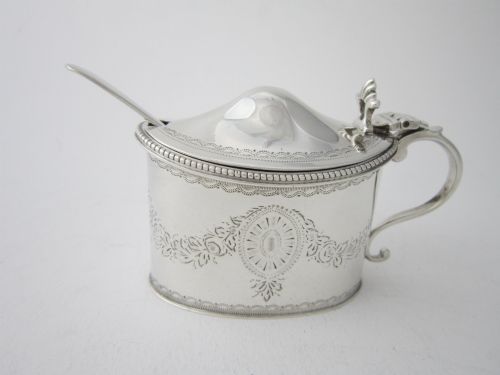
Antique condiment spoons are small, functional table silver designed to serve salt, mustard, and preserves from matching cruet sets.
Antique Condiment Spoons
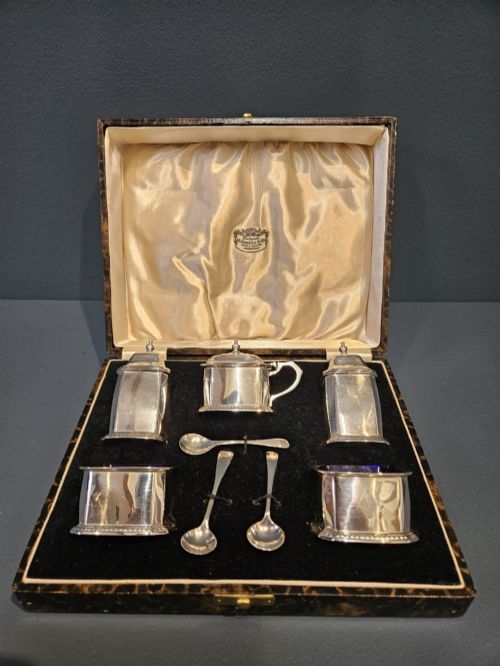
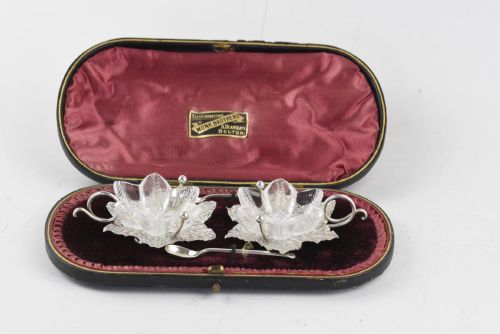
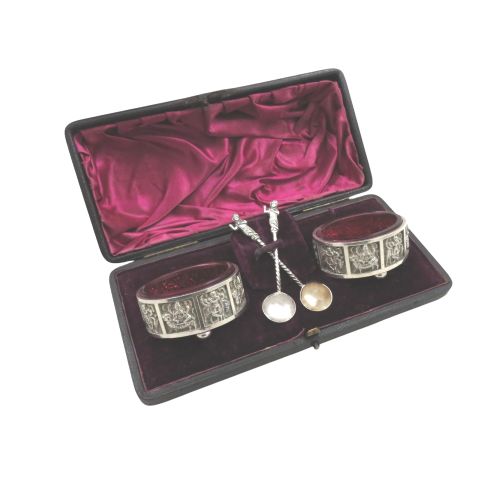
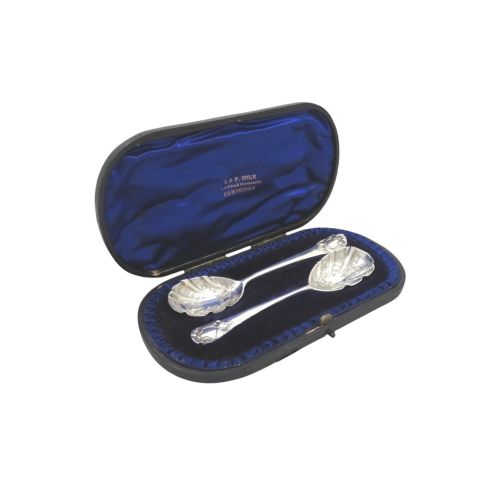
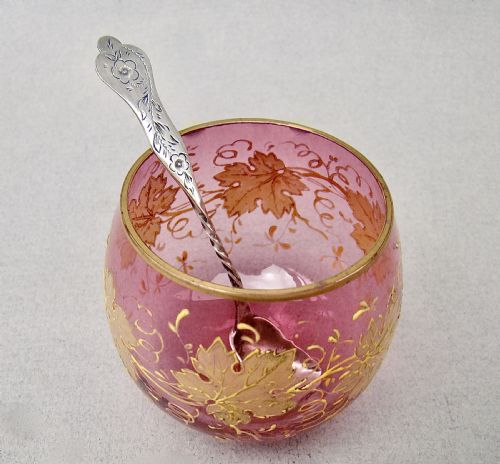
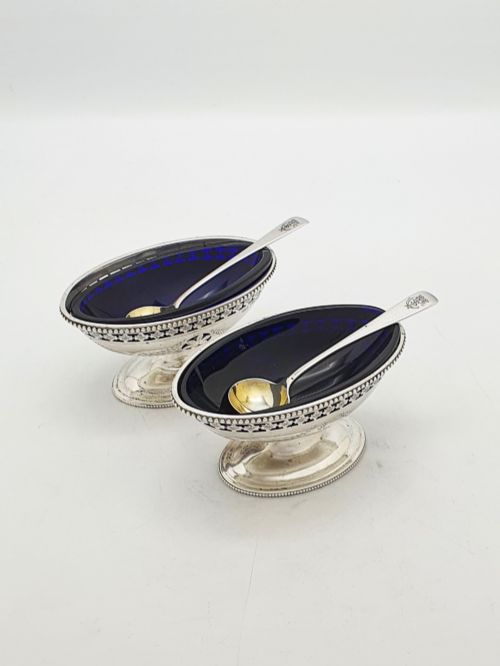
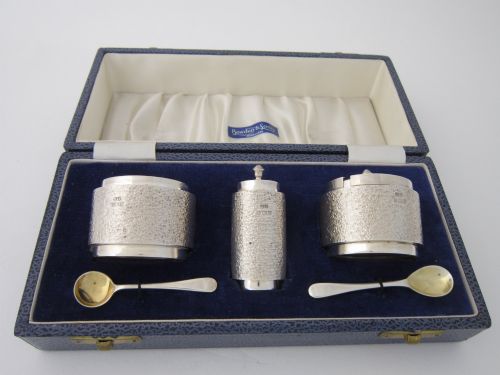
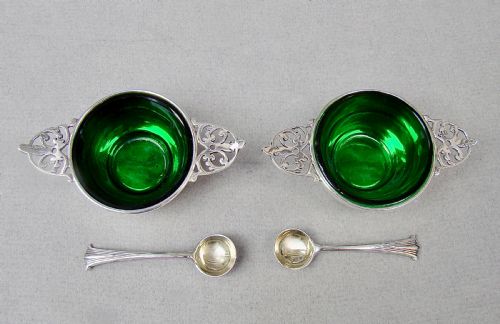
The domestic dining table of the nineteenth and early twentieth centuries required specific miniature spoons for individual condiments. Many surviving examples emerge from fitted presentation cases containing matched pairs or sets of salt cellars with cobalt or cranberry glass liners.
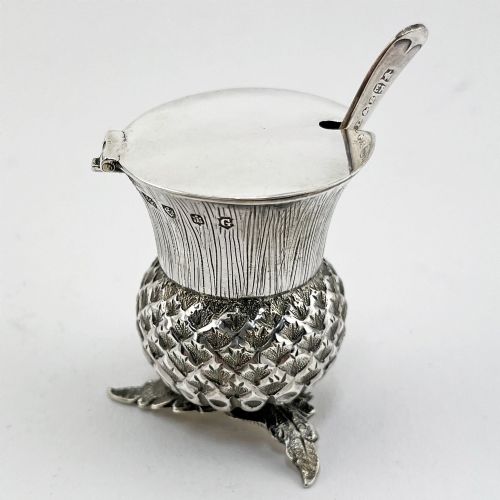
Makers produced these implements in various forms, ranging from plain fiddle patterns to elaborate novelty designs shaped like birds, thistles, or quaichs. Scottish silversmiths also contributed regional variations such as Arbroath mustard spoons and specialised ladles.
Materials and Construction
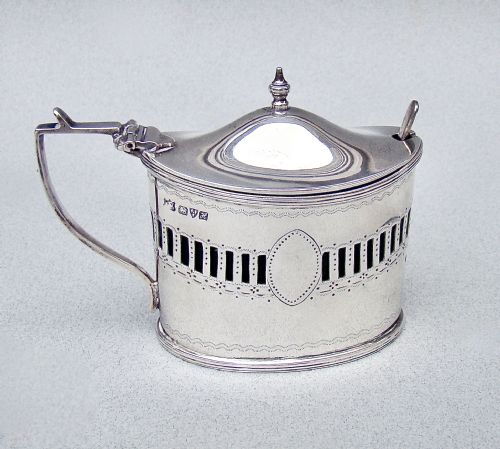
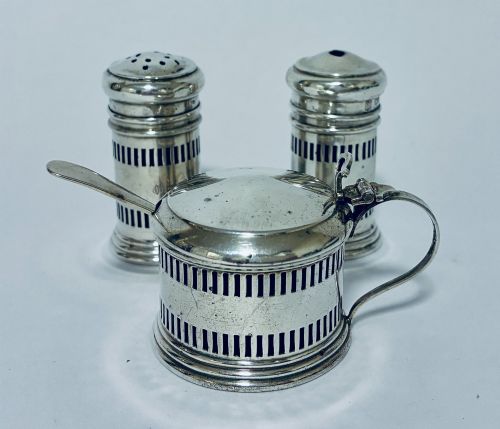
Silversmiths primarily utilised sterling silver and silver plate to shape the bowls and handles of these small spoons, often stamping hallmarks to indicate the assay office and date of manufacture. Manufacturers combined the metalwork with delicate cut glass, ruby red glass, and cobalt glass liners housed within cruet frames.
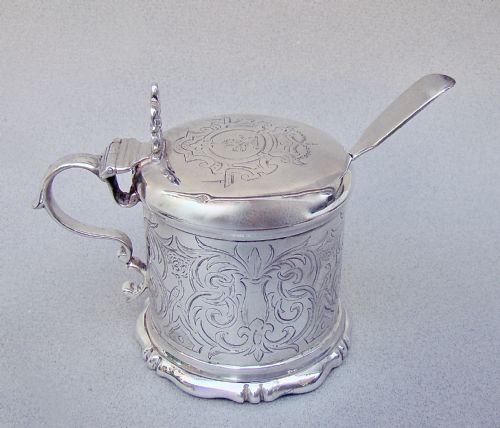
Production techniques involved traditional casting, piercing, and hand-finishing, allowing artisans to create intricate decorative motifs such as cherubs, Hindu deities, and equestrian scenes on the accompanying salt cellars and mustard pots. Fitted presentation boxes frequently lined with velvet and silk housed these delicate utensils alongside their glass vessels.
The listings feature sterling silver and silver plate alongside cobalt glass, cut glass, velvet, and silk from the Victorian and Edwardian eras.
Factors of Quality
The distinction between standard domestic items and finer pieces rests upon the crispness of the chased or pierced decoration and the weight of the silver used in the handle. Maker attribution plays a significant role, with pieces produced by recognised workshops or prominent silversmiths demonstrating superior proportion and finish.
The presence of original glass liners matching the spoons, as well as intact fitted cases lined with silk or velvet, elevates the integrity of a set. Cruet spoons retaining clear hallmarks and undamaged bowls maintain their original form without excessive wear from historical polishing.
Alfred Marston·Tiffany·Charles and George Fox·Josiah Williams and Co·Hamilton and Inches·Charles Stuart Harris·Wilmot Manufacturing Co
The Antique Condiment Spoons Glossary
- Cruet set
- A matched collection of small bottles, jars, or open cellars designed to hold condiments, usually arranged in a metal frame with dedicated spoons.
- Salt cellar
- An open vessel used to hold table salt before the invention of free-flowing salt shakers, typically paired with a miniature spoon.
- Hallmark
- An official stamp applied to precious metals indicating the standard of purity, the assay office, and the year of manufacture.
- Cobalt glass
- A deep blue glass frequently blown into liners for open salt cellars to contrast against the polished silver frames.
- Quaich
- A traditional Scottish two-handled drinking vessel, occasionally adopted in miniature form as a novelty salt cellar.
Antique Condiment Spoons: Frequently Asked Questions
What are antique condiment spoons used for?
These small utensils serve individual portions of salt, mustard, jam, or preserves from table cruets and pots. They prevent diners from dipping larger cutlery into shared condiments.
Each spoon matches the specific depth and opening of its companion glass liner or ceramic pot. Their miniature scale suited the formal dining arrangements of the nineteenth and early twentieth centuries.
Are glass liners original to the spoons?
Original glass liners fit snugly into the silver frames and match the production period of the spoons and cellars. Subtle bubbles or minor imperfections in the cobalt or cranberry glass often indicate nineteenth-century manufacture.
Replacement liners frequently differ slightly in colour, thickness, or height compared to the antique metal housing. Examining the base of the glass can reveal manufacturing marks consistent with the era.
How can I date an antique spoon?
British silver bears stamped hallmarks that include a date letter corresponding to the specific year and assay office of testing. Maker marks and standard lion passant symbols confirm the metal purity and operating years of the silversmith.
Stylistic cues such as Aesthetic movement engraving or Art Deco geometric lines further narrow down the decade of production. Cased sets often retain retailer details on the interior silk lining that help verify the timeline.