



Scottish Sterling Silver Flatware
Scottish sterling silver flatware brings substantial provincial character and rare maker marks to the dining table.
Scottish Sterling Silver Flatware
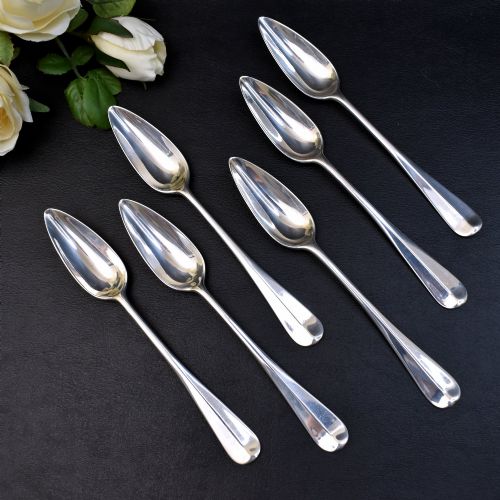
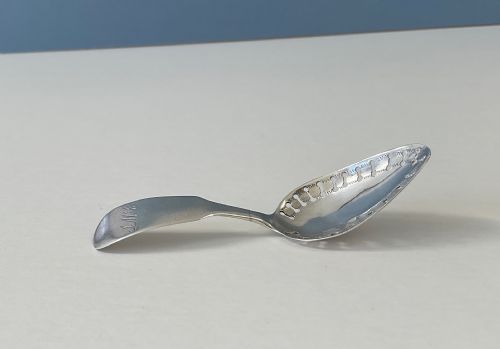
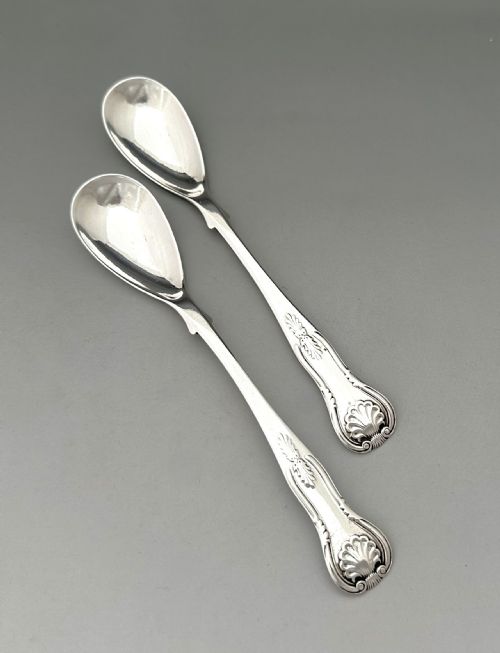
When you search for scottish sterling silver flatware, you encounter specialised implements ranging from heavy hash spoons and basting spoons to delicate condiment spoons, sugar tongs, and caddy spoons. These pieces reflect distinct regional assay practices and manufacturing centres outside London, particularly through items created in Edinburgh, Glasgow, Inverness, and Arbroath. The forms span functional dining tools to decorative accessories designed for specific domestic tasks.
You are most likely to meet Georgian and 18th Century examples on this page, alongside Victorian and 1920s iterations. Styles encompass classic George I rat tail designs, provincial patterns, and Art Deco influences. These items demonstrate the durable utility and aesthetic ambition of Scottish silversmiths across multiple generations.
Materials and construction
These items are fashioned from sterling silver and standard silver, utilising traditional hand-forged and cast techniques appropriate to their period. Silversmiths shaped heavy metal ingots into robust serving spoons and delicate condiment spoons through skilled hammering and shaping.
Detailing includes early rat tail attachments on bowls, private die stampings, and provincial town marks that indicate origin and maker. The physical weight of the metal, such as heavy hash spoons, points to substantial material investment during production.
Scottish Sterling Silver Flatware Retail Price Guide 2026
Typical asking prices for scottish sterling silver flatware among the pieces listed under this phrase on Sellingantiques today, from the lower quarter to the upper quarter. They describe what is for sale here now, not the wider market.
The listings here feature sterling silver and silver objects spanning the Georgian period, 18th Century, Victorian era, and 1920.
Assessing quality and merit
Distinction in these pieces rests on the clarity of provincial assay marks, the presence of recognised regional makers such as Hamilton & Inches or James Tait, and the scarcity of specific forms like private die tablespoons or Arbroath mustard spoons. Superior examples retain crisp detail on hallmarks and bowls without excessive thinning from historical polishing.
The physical substance of the piece, demonstrated by heavy gram weights in hash and basting spoons, separates standard utilitarian flatware from exceptional collector pieces. Provenance linked to specific Scottish towns adds considerable historical interest.
Hamilton & Inches·R Grey·James Tait·Robert Gordon·Alexander Henderson
The Scottish Sterling Silver Flatware Glossary
- Assay mark
- A stamp indicating the purity of the silver and the testing office. These marks confirm standard precious metal content.
- Rat tail
- A strengthening tongue of metal running down the back of a spoon bowl. This feature appears on early George I examples.
- Provincial
- Items made and marked outside the main London assay office. Scottish provincial towns produced distinctive regional variations.
- Private die
- A custom stamp commissioned by a family or organisation. These dies created personalized crests or ciphers on flatware.
- Caddy spoon
- A short spoon designed for measuring loose tea leaves. They often feature decorative bowls suited to tea canisters.
Scottish Sterling Silver Flatware: Frequently Asked Questions
What makes Scottish flatware different?
Scottish pieces often feature distinct provincial town marks and maker stamps that differ from standard London hallmarks. This regional independence creates unique stylistic variations in spoons and tongs.
Makers working in cities like Glasgow, Inverness, or Arbroath applied traditional techniques that set their output apart within the broader market for silver tableware.
How were hash spoons used?
Hash spoons functioned as large serving implements for substantial meat and vegetable dishes at the dining table. Their generous proportions handled heavy portions during communal dining.
Due to their size and weight, surviving examples demonstrate the substantial material scale employed by 18th century silversmiths.
Are caddy spoons rare?
Caddy spoons served a specific domestic role in measuring tea from storage canisters into the pot. Their compact size and specialised shapes made them distinct from standard dining spoons.
Collectors prize these smaller items for their varied bowl designs and the intimate connection to historical tea drinking customs.
How do I identify provincial marks?
Provincial marks usually consist of maker initials combined with town symbols rather than standard leopard head or lion passant stamps. These local signatures identify the specific Scottish location of manufacture.
Consulting specialised reference guides helps match these regional punch marks to known silversmiths working outside major assay centres.