






Antique Coffee Table Stool
An antique coffee table stool brings low, sturdy character to a room, serving equally as a seat or a surface for daily life.

Antique Coffee Table Stool
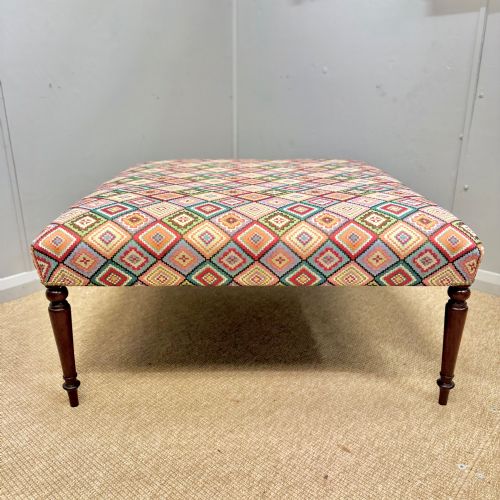
When you search for an antique coffee table stool, you encounter low forms that bridge the gap between traditional seating and occasional surfaces. These pieces often originate as nineteenth-century ottomans, footstools, or low benches adapted over time for modern living.
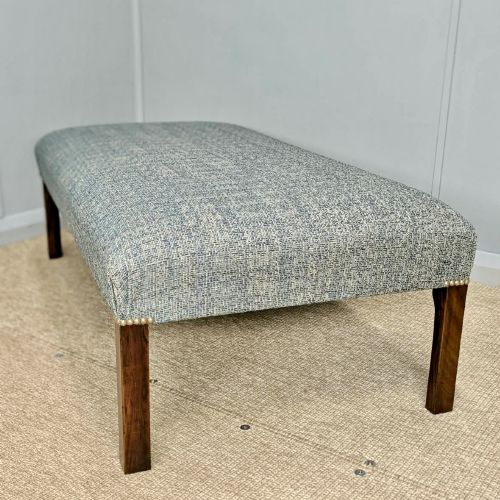
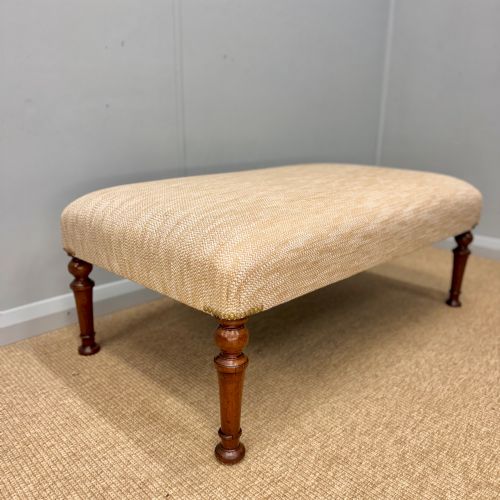
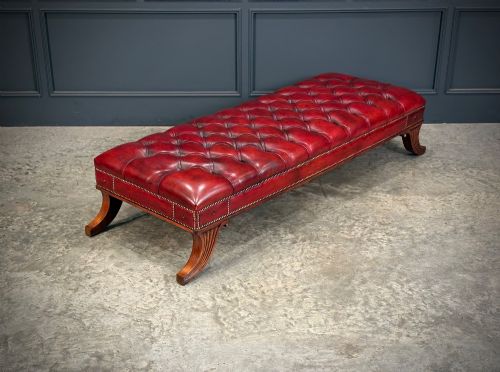
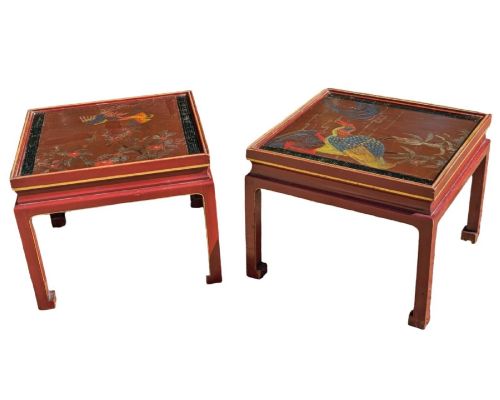
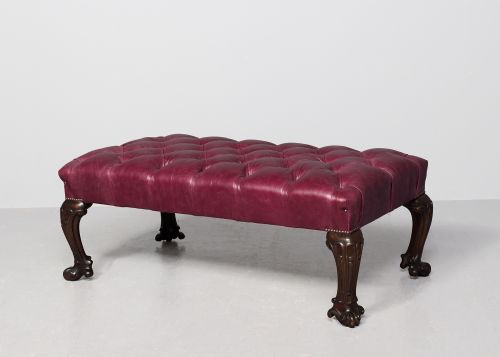
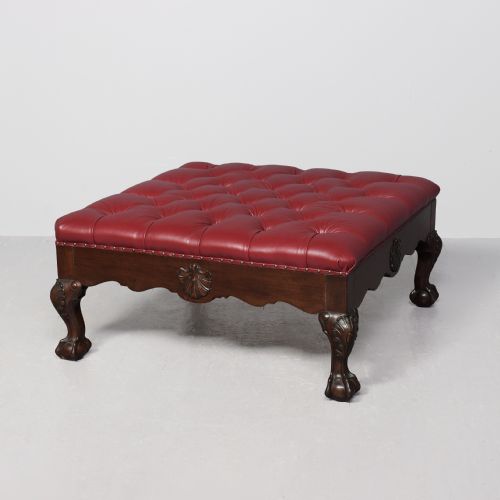
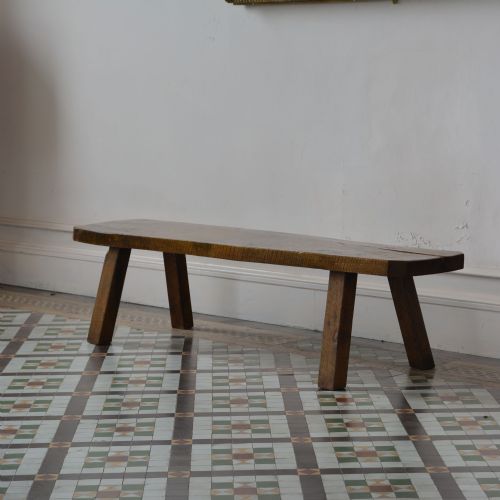
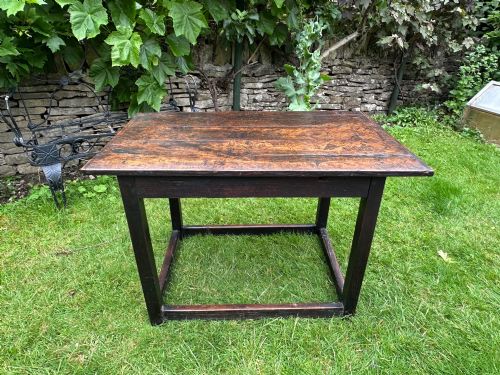
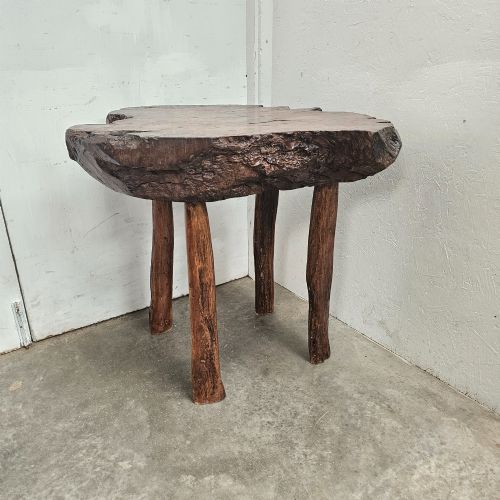
The selection ranges from substantial Victorian buttoned leather footstools to rustic oak plank tables and low Anglo-Indian or Middle Eastern seating. Walnut, mahogany, and oak dominate the construction, reflecting the sturdy timbers favoured by makers across the Georgian, Victorian, and Edwardian eras.
How they were made
Carpenters and cabinetmakers utilised dense hardwoods such as oak, mahogany, walnut, and rosewood to build sturdy frames capable of supporting heavy upholstery or solid plank tops. Joinery methods included traditional techniques like joint construction, pegging, and precise turning.
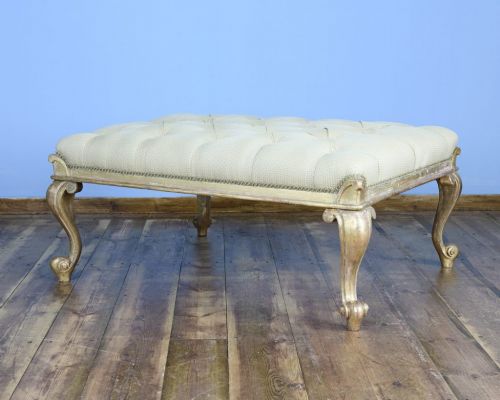
Upholstered examples rely on hide, leather, or zebra skin pulled tight over horsehair or padding, often finished with deep buttoning and brass studs. Carved wooden elements, seen in Anglo-Indian, Burmese, and French Régence styles, demonstrate intricate hand-chizzling directly into the timber.
Antique Coffee Table Stool Retail Price Guide 2026
Typical asking prices for coffee table stool among the pieces listed under this phrase on Sellingantiques today, from the lower quarter to the upper quarter. They describe what is for sale here now, not the wider market.
The documented periods stretch from the seventeenth century through the Georgian and Victorian eras into the early twentieth century.
What varies in quality
The integrity of the underlying timber frame dictates the fundamental worth of each piece, distinguishing solid hardwood construction from softer, lesser-grade woods. Original patination on woods like oak and walnut, acquired through decades of handling, adds significant depth compared to stripped or heavily refinished surfaces.
Upholstery quality depends on the depth of the buttoning, the selection of hand-dyed English leather or hide, and whether the webbing retains its proper tension. Adaptation from earlier forms requires sympathetic conversion, where the alteration respects the original proportions and historic fabric of the item.
The Antique Coffee Table Stool Glossary
- Buttoned leather
- Upholstery secured with deep indentations held by twine and covered buttons, creating a cushioned surface common on Victorian footstools.
- Joint stool
- A low wooden stool constructed with mortise and tenon joints, dating from the seventeenth century and earlier.
- Ottoman
- A low, upholstered seat or couch without arms or a back, frequently utilised as a dual-purpose coffee table.
- Parcel gilt
- Woodwork partially decorated with gold leaf or gold paint to highlight carved details.
- Gate leg
- A table or stool featuring hinged legs that swing out to support drop-down flaps.
Antique Coffee Table Stool: Frequently Asked Questions
How do I care for antique leather upholstery?
Regular dusting and occasional applications of neutral leather balm help maintain the suppleness of nineteenth-century hide.
Keeping the leather away from direct heat sources prevents the surface from drying out and cracking.
Can I distinguish an original footstool from an adapted table?
Examination of the underside often reveals the age of the webbing, padding, and block fixings used by the maker.
Signs of wear around the lower legs should align naturally with the overall age of the wooden frame.
What defines Anglo-Indian furniture style?
These pieces combine traditional British furniture forms with intricate, dense hand-carvings executed by artisans in the Indian subcontinent.
Woods like teak and exotic hardwoods feature heavily, often displaying motifs such as elephants or foliate patterns.