



Antique Parlour Stool
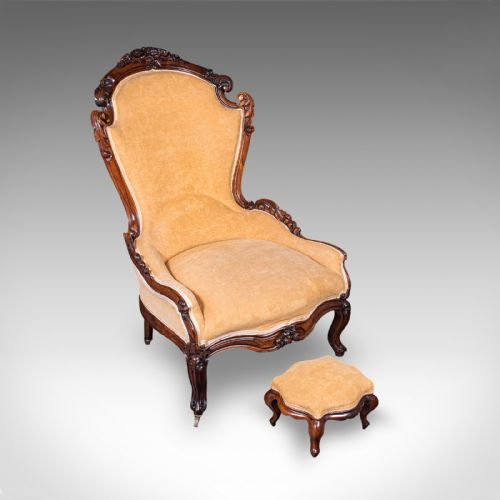
These antique parlour stool examples are low seating pieces designed for Victorian interiors, offering compact proportions and traditional craftsmanship.
Antique Parlour Stool
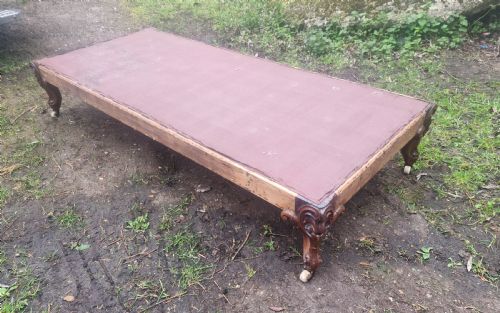
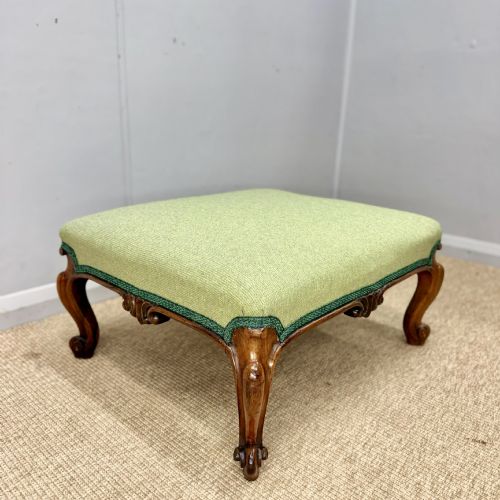
An antique parlour stool is a domestic seating piece designed for the principal reception rooms of the period, appearing primarily in Victorian forms. Buyers encounter individual examples and matched pairs configured as low footstools, round foot stools, and larger centre stools.
The evidence shows forms originating in the Georgian and Victorian eras, with Victorian Rococo Revival styling frequently defining the silhouettes. These pieces serve as functional footrests or freestanding occasional seats that complement period upholstery schemes.
How they were made
Timbers selected for the frames include rosewood, mahogany, and walnut, often shaped with carved details. Workshops utilised dense hardwoods to support structural joinery and ornate surface carving on the legs and rails.
Upholstery techniques incorporate textile, fabric, and needlepoint geometric kilm tapestry elements. Certain pieces also feature decorative inlays such as Tunbridge ware and brass accents.
Antique Parlour Stool Retail Price Guide 2026
Typical asking prices for parlour stool among the pieces listed under this phrase on Sellingantiques today, from the lower quarter to the upper quarter. They describe what is for sale here now, not the wider market.
Some Victorian foot stools hide intricate geometric tapestry beneath unassuming wooden frames, rewarding a closer look.
What varies in quality
The refinement of the frame carving distinguishes standard production from superior examples. Skilled hand-carving on rosewood or walnut structures elevates the visual presence of the piece.
The sophistication of the top surface, from geometric kilm tapestry needlepoint to inlaid Tunbridge ware, determines the tier of the object. Intricate textile work and specialised wood inlays indicate higher workshop input.
The Antique Parlour Stool Glossary
- Tunbridge ware
- A form of woodwork featuring microscopic mosaic wooden tesserae to create pictorial or geometric surface patterns. It appears on Victorian small round foot stools.
- Kilim tapestry
- A flat-weave textile technique utilised for durable and decorative top covers. This material provides traditional geometric patterns on period seating.
- Centre stool
- A freestanding seating piece finished on all sides for placement in the middle of a room. These larger stools often feature carved rosewood frames.
- Rococo Revival
- A nineteenth-century design movement favouring asymmetrical scrollwork, naturalistic floral carving, and curved outlines. This style defines several Victorian pieces in the evidence.
Antique Parlour Stool: Frequently Asked Questions
Where were parlour stools placed?
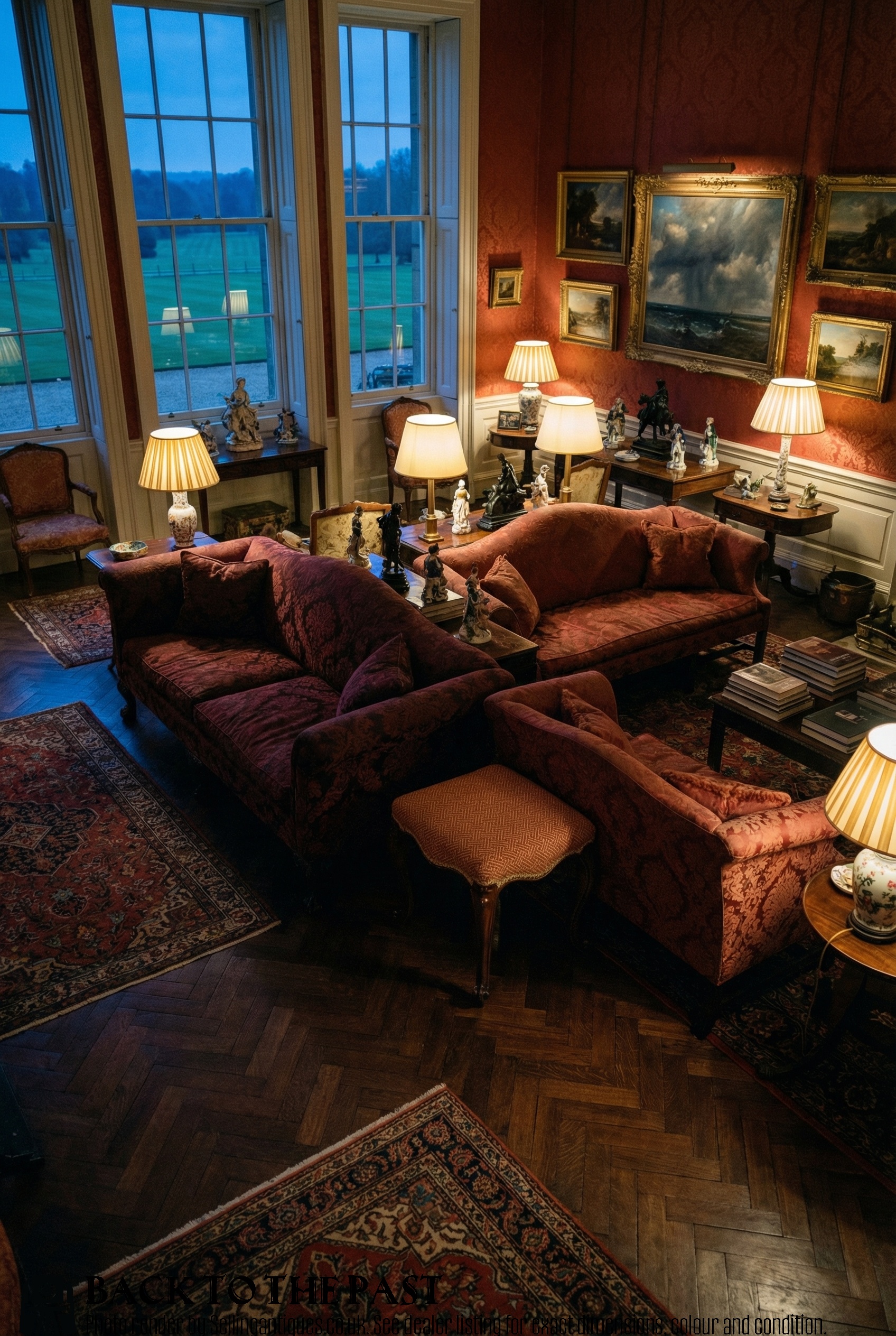
These low seats sat beside firesides and within reception rooms to serve as footrests or casual seating. Their compact size allowed them to move easily around the room as needed.
Larger centre stools stood freestanding in open spaces, while smaller footstools rested near armchairs and sofas.
How do I identify a Victorian stool?
Victorian examples rely on dense timbers such as rosewood, mahogany, and walnut, often displaying heavy carved wooden frames. The presence of Revival styling provides a clear indicator of nineteenth-century manufacture.
Details like needlepoint tapestry, fabric upholstery, and Tunbridge ware inlay further anchor these pieces in the Victorian era.
What is Tunbridge ware?
Tunbridge ware is a specialised form of woodworking that uses tiny wooden tiles to form geometric or pictorial mosaics. It decorates the surface of specific Victorian foot stools.
This technique demonstrates meticulous craftsmanship and adds distinct visual character to small wooden items.
Can these stools be reupholstered?
Many surviving examples are offered specifically for reupholstering to match modern interior textiles. The underlying frame remains the primary historical asset of the piece.
Original needlepoint or fabric can be replaced while preserving the carved timber structure underneath.