




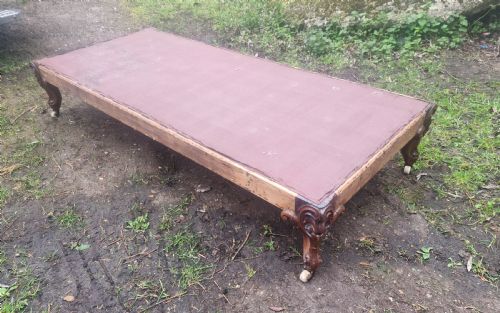


Dark Wood Footrest
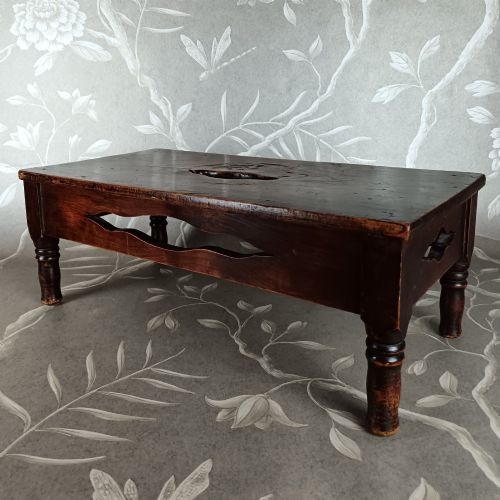
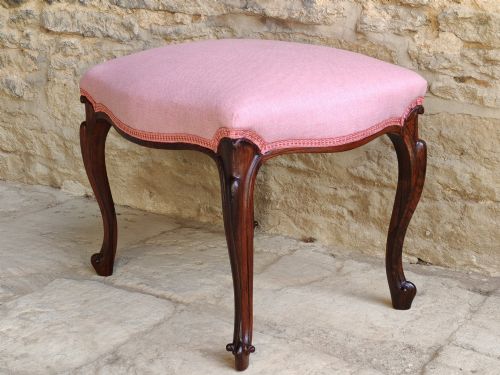
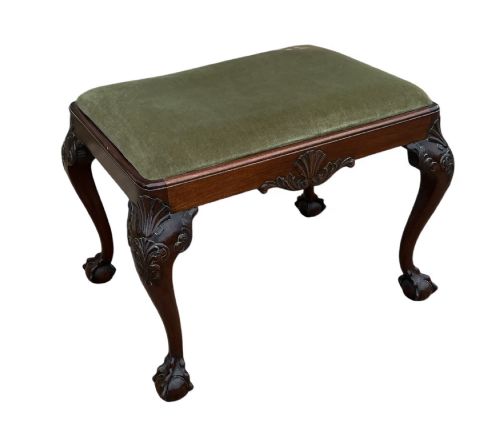
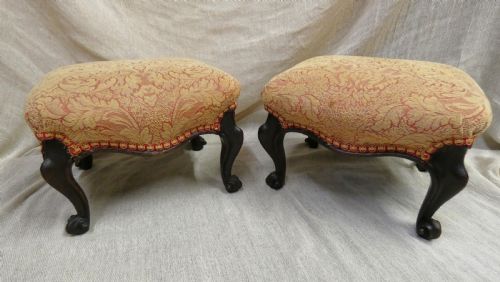
A dark wood footrest brings solidity and low-slung comfort to a room, appearing in forms from modest turned wood to carved rosewood.
Dark Wood Footrest
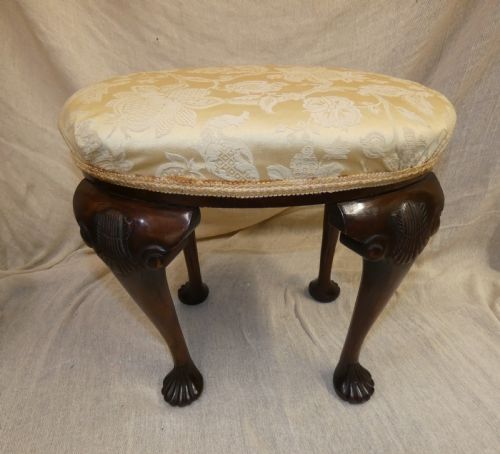
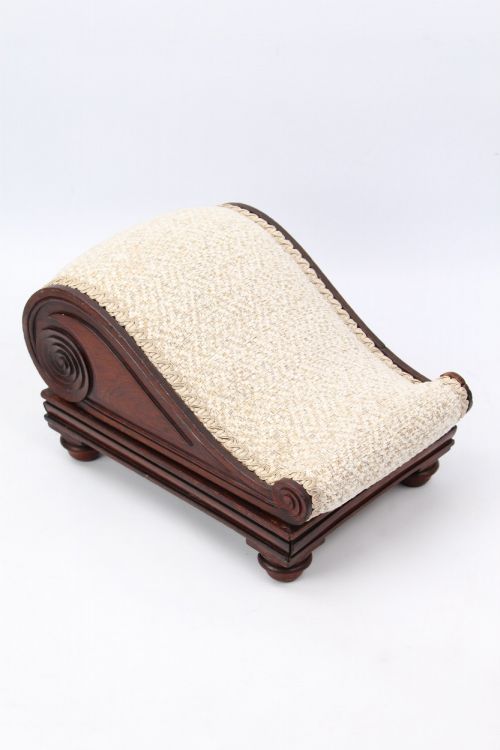
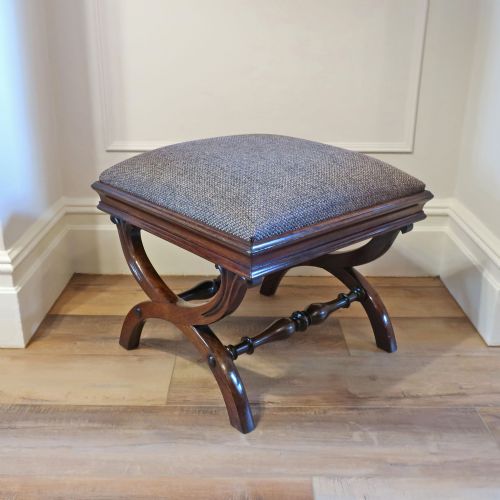
A dark wood footrest encompasses low stools, ottomans, and specialised gout stools designed to support seated relaxation. When you search for a dark wood footrest, you encounter pieces spanning from the eighteenth century through to the Edwardian era.
The Victorian period supplies the majority of these pieces, frequently constructed in mahogany or rosewood with carved frames and upholstered tops. Alongside British examples, the selection includes Anglo-Indian items and Chinese hardwood forms.
Materials and construction
Frames rely on dense timbers such as mahogany, rosewood, oak, and hardwood, shaped through turning and hand-carving. Joinery techniques secure cabriole legs, straight frames, and folding structures.
Upholstery materials range from original tapestry and needlework to leather, velvet, and modern fabrics applied over webbing or squab cushions.
Dark Wood Footrest Retail Price Guide 2026
Typical asking prices for dark wood footrest among the pieces listed under this phrase on Sellingantiques today, from the lower quarter to the upper quarter. They describe what is for sale here now, not the wider market.
A folding horseshoe-back chair proves that seventeenth-century ergonomics crossed continents with surprising agility.
Judging quality
Quality rests upon the crispness of the timber carving and the architectural proportion of the frame. Pieces featuring robust secondary timbers and refined cabriole or turned legs demonstrate superior cabinet-making.
The integrity of the original wood finish and the presence of period upholstery elements elevate the standing of a piece within its respective period.
Thonet
The Dark Wood Footrest Glossary
- Gout stool
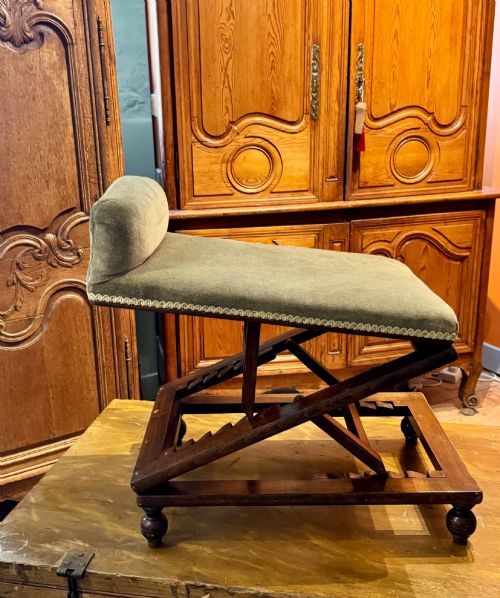
- A specialised footrest featuring an adjustable sloping top designed to elevate and comfort feet affected by gout. These metamorphic items often incorporate mechanical ratchets.
- Bergere
- A closed-upholstered armchair or stool with a wooden frame where the sides are filled with cane work. This technique creates a lighter visual appearance in dense hardwood frames.
- Needlework
- Hand-stitched textile work utilising wool or silk threads on canvas ground. It frequently covers the tops of nineteenth-century footstools in floral or geometric patterns.
- Anglo-Indian
- Furniture made in the Indian subcontinent by local craftsmen working to British colonial room designs. These items utilise dense indigenous hardwoods and deep relief carving.
Dark Wood Footrest: Frequently Asked Questions
How do I date a dark wood footrest?
Dating relies upon observing the timber species, joinery methods, and the stylistic vocabulary of the frame. Georgian pieces display restrained mahogany carving, while Victorian examples often embrace heavier rosewood frames and cabriole legs.
Secondary woods and fixing methods inside the frame offer further clues. Examining the wear patterns on the underside helps confirm the age of the structure.
What is a gout stool?
A gout stool is an adjustable footrest fitted with a hinged platform that tilts to various angles. They allowed sufferers to elevate their feet in a customized position of relief.
Victorian iterations frequently include mechanical brass ratchets to hold the incline. They stand out from standard footstools by their functional complexity.
Can I reupholster an antique footstool?
Reupholstering is a common practice that preserves the utility of these seating items. Many pieces reach the market ready for new fabric to match modern interiors.
Traditional stuffing methods and matching textile choices protect the character of the wooden frame. Professional upholstery ensures the tension supports daily use.
Where should I place a dark wood footrest?
These compact pieces suit placement before armchairs, sofas, or low firesides. Their dense timber tones ground lighter upholstery schemes in a living space.
Larger ottoman variants also function as impromptu coffee tables when topped with a stable tray. Their low profile maintains open sightlines across a room.