
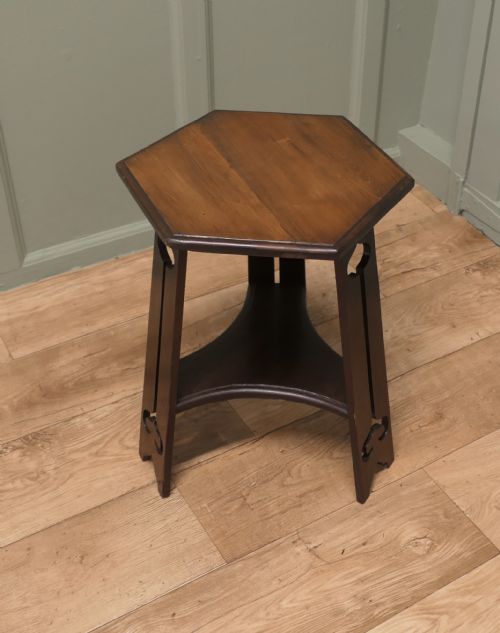


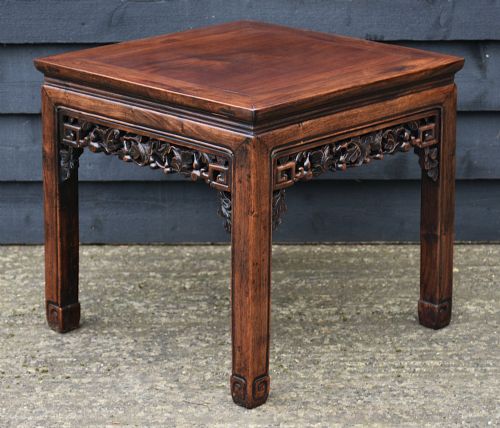
Antique Coffee Side Tables
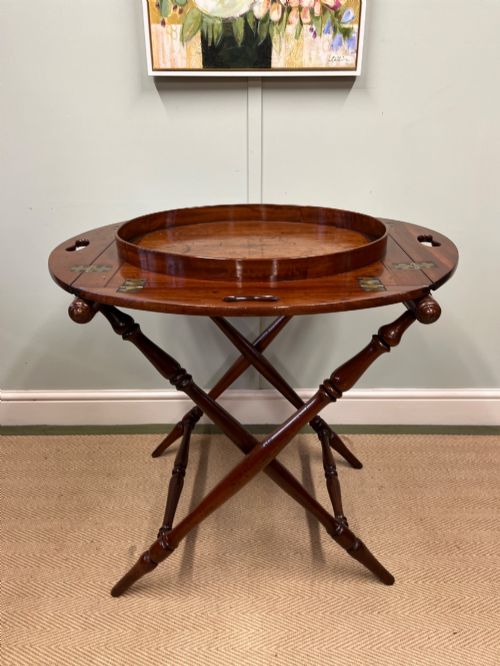
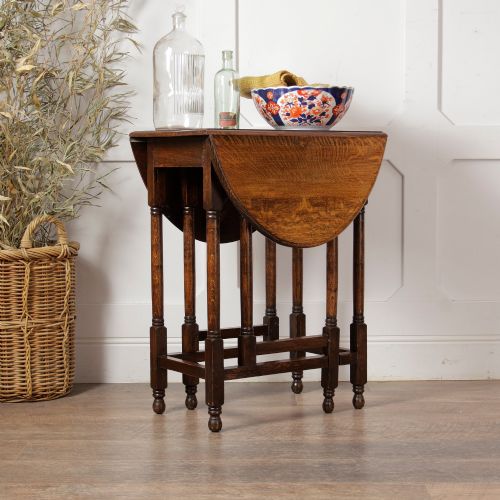
These antique coffee side tables bring compact utility and period timber into a room, offering multiple surfaces that tuck neatly away when not in use.
What antique coffee side tables are
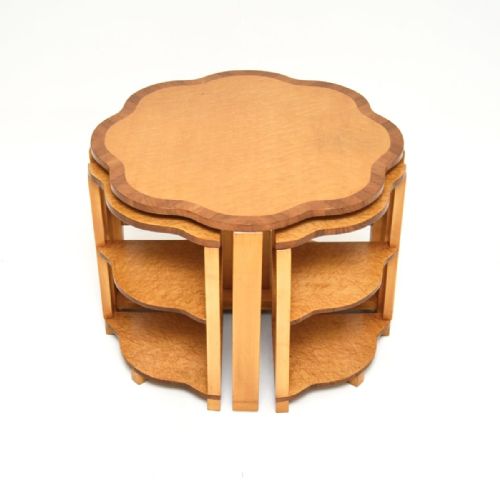
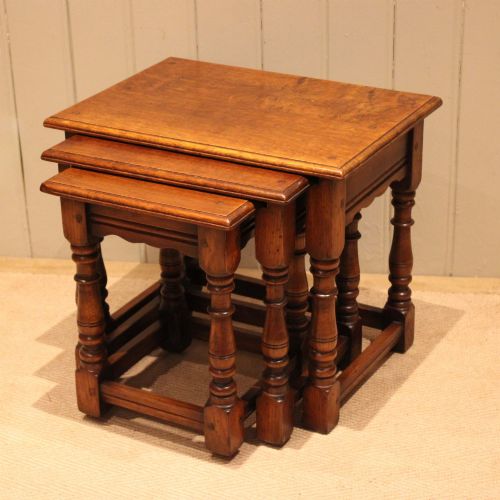
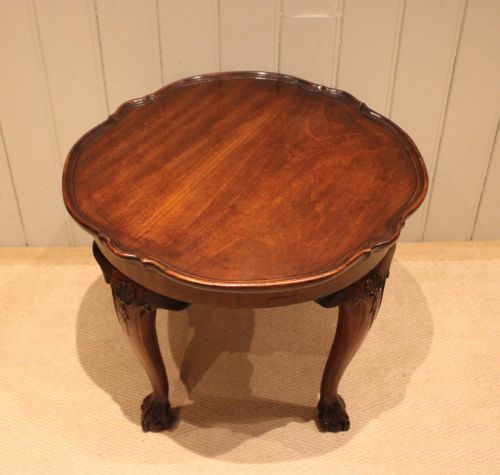
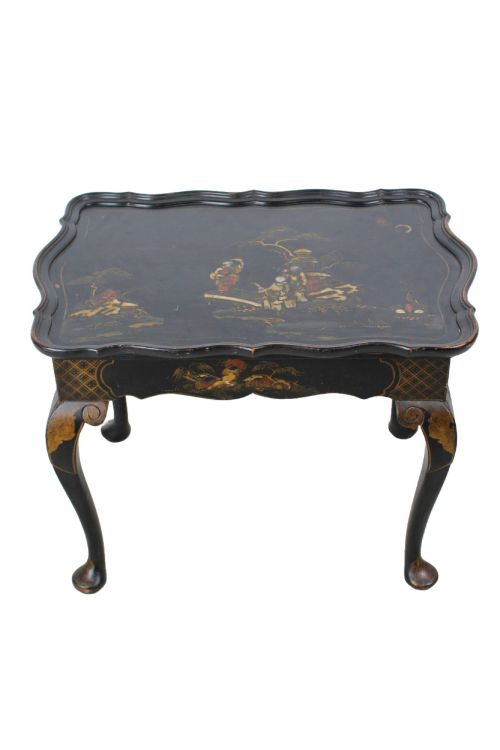
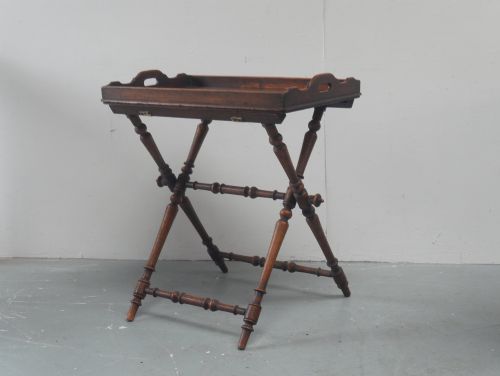
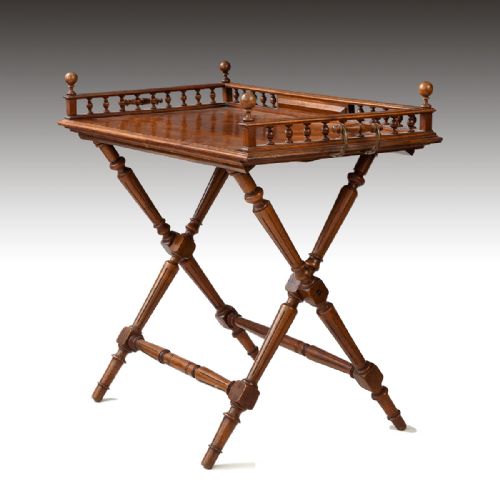
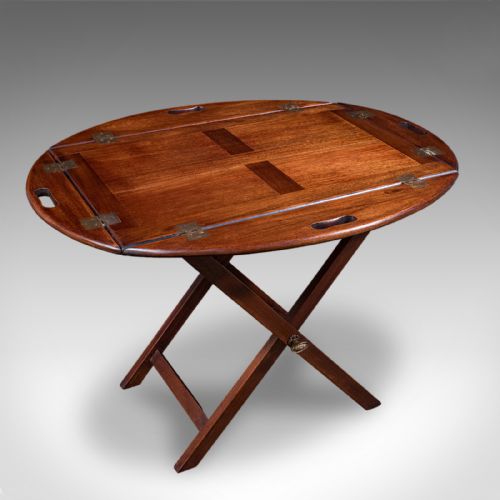
When you search for antique coffee side tables, you encounter versatile multi-tiered surfaces and nests designed for flexible placement beside seating. The pieces on this page span the Victorian and Edwardian eras down to the 1920s, with revival styles ranging from Queen Anne to Chippendale.
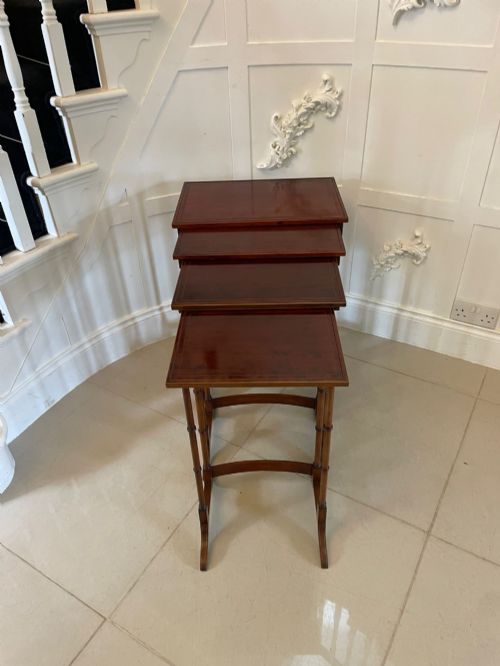
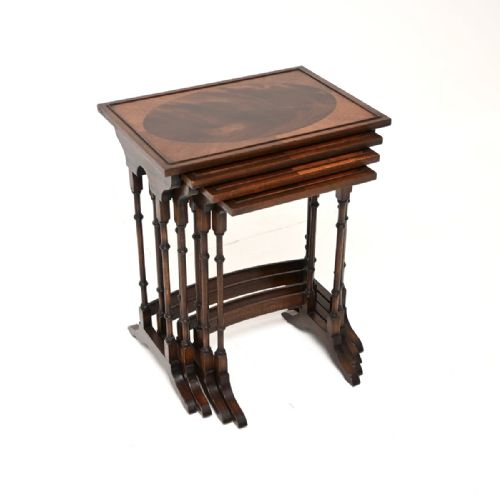
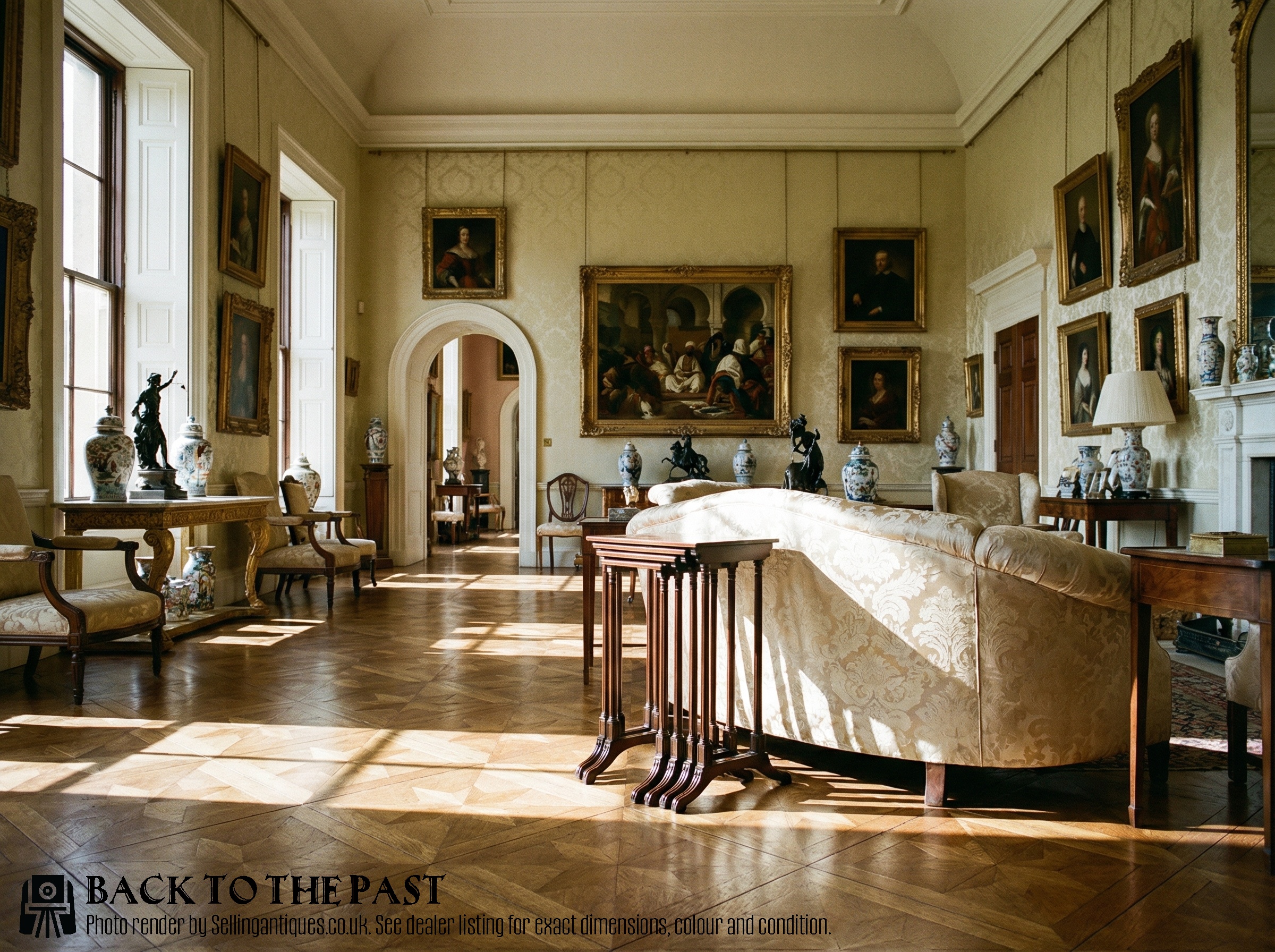
The dominant forms are nests of tables, often comprising sets of three or four stacking tables, alongside pairs of lamp and occasional tables. Materials reflect traditional cabinet-making, featuring mahogany, burr walnut, satinwood, and rosewood timbers.
Origins include English workshops alongside regional specialisms such as Irish Killarney ware. Buyers find both standalone low tables and quartetto sets designed to slide together in a tiered column.

How they were made
Makers utilised solid timbers and decorative veneers, selecting mahogany, burr walnut, and satinwood for their grain and durability. Hardwood frames support flat tops that frequently incorporate contrasting boxwood inlay or marquetry work.
Surface treatments include inset leather panels on specific lamp and side tables. Construction relies on traditional joinery methods suited to stacking frames and occasional table structures.
Retail Price Guide 2026
Typical UK retail prices for coffee side tables, calculated from the Sellingantiques database of over a million retail prices indexed since 2003. This retail price guide relies exclusively on Sellingantiques data; no external sources or auction records are used, so the figures do not describe the wider market.
Listings feature mahogany, burr walnut, satinwood, and rosewood across Victorian, Edwardian, and 1920s periods.
What varies in quality
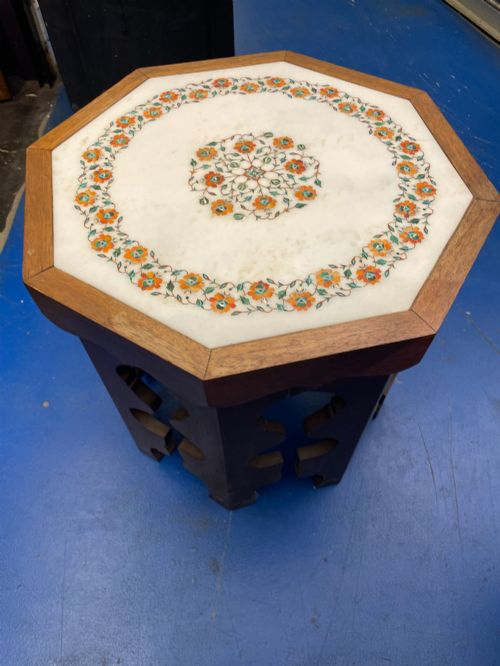
Distinction across these tables lies in the choice of timber veneer and the complexity of decorative embellishment. Marquetry detailing, such as the intricate work seen on Killarney pieces, and delicate boxwood stringing elevate the visual impact above plain constructions.
The precision of the nesting mechanism and the matching of grain patterns across a set dictate the refinement of the piece. Superior examples maintain structural stability and tight joints across every tier of a quartetto nest.
The Antique Coffee Side Tables Glossary
- Quartetto
- A set of four nesting tables designed to stack inside one another. These space-saving sets became particularly popular in the Edwardian period.
- Marquetry
- The art of applying pieces of veneer to a structure to form decorative patterns and pictures. It often incorporates various natural wood colours.
- Satinwood
- A durable, lustrous timber with a yellowish sheen used for high-status veneer and inlay work. It contrasts strongly against darker woods like mahogany.
- Burr walnut
- Timber taken from a walnut tree outgrowth, producing complex, swirling grain patterns. Cabinet makers prized it for decorative table tops.
- Inlay
- A technique where contrasting materials are inserted into depressions in a timber base to form a pattern. Boxwood is frequently used for this purpose.
Frequently Asked Questions
What is a quartetto nest?
A quartetto nest consists of four tables graduated in size so they slide completely beneath one another. They provide multiple surfaces for drinks or lamps while occupying the floor space of just one table.
This design allows a room to remain uncluttered until extra surface area is required. The tables separate easily for use across different seating areas.
How were nesting tables used?
Historically, these tables served during afternoon tea, card games, or reading when guests required individual resting places for books or cups. Their compact footprint suited drawing rooms and parlours where permanent heavy furniture was impractical.
Today they function effectively as flexible coffee side tables beside modern sofas. They offer temporary utility that disappears back into a neat stack when finished.
How do I care for inlaid timber tops?
Inlaid surfaces require protection from direct sunlight, excessive heat, and moisture to prevent veneer lifting and timber shrinkage. Regular dusting with a soft dry cloth maintains the finish without introducing damaging silicones or harsh cleaning agents.
Using coasters prevents ring marks on polished mahogany or burr walnut. Gentle waxing periodically preserves the natural lustre of the wood.
How do I distinguish Edwardian nests from later pieces?
Edwardian and turn-of-the-century nests often employ satinwood inlay and fine proportions influenced by Sheraton revivals. Pieces from the 1920s frequently showcase burr walnut veneers and simpler, heavier structural lines.
Examining the underside and interior joints reveals the construction methods and timber ageing typical of each decade. Comparing the cabinetry style helps place the table within its historical period.