

Antique Cobalt Pitcher
An antique cobalt pitcher brings deep blue decoration and robust ceramic craft to the table, spanning centuries of global pottery traditions.
Antique Cobalt Pitcher
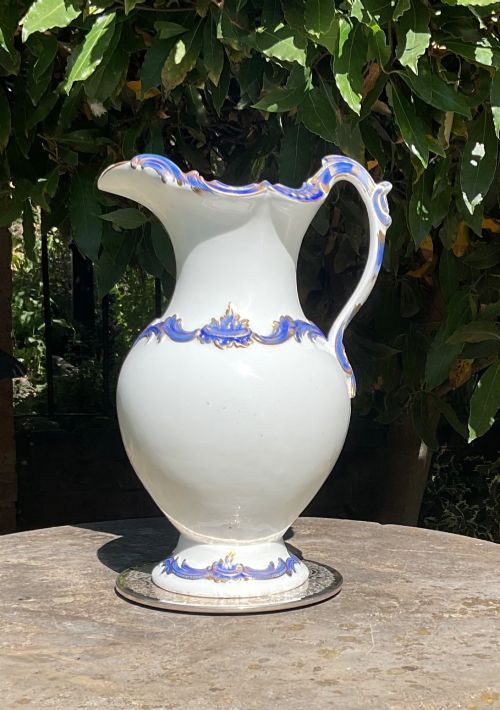
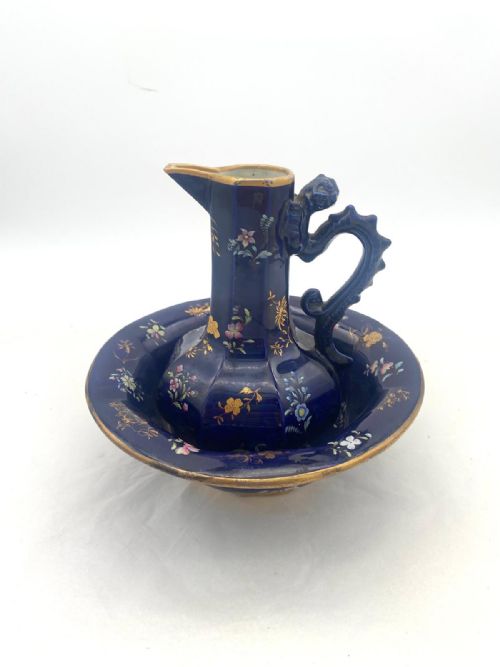
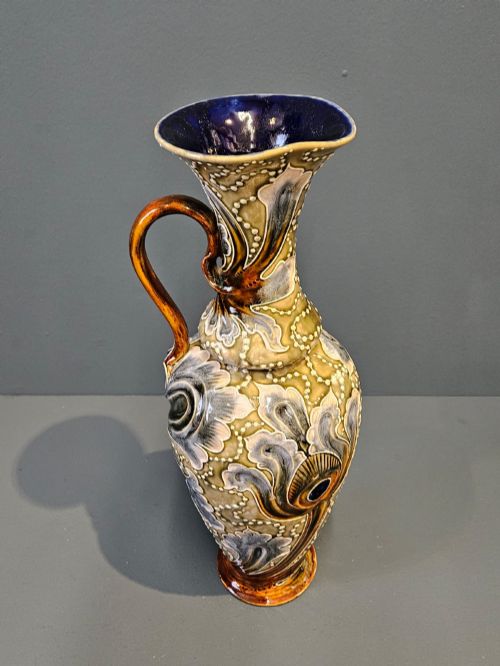
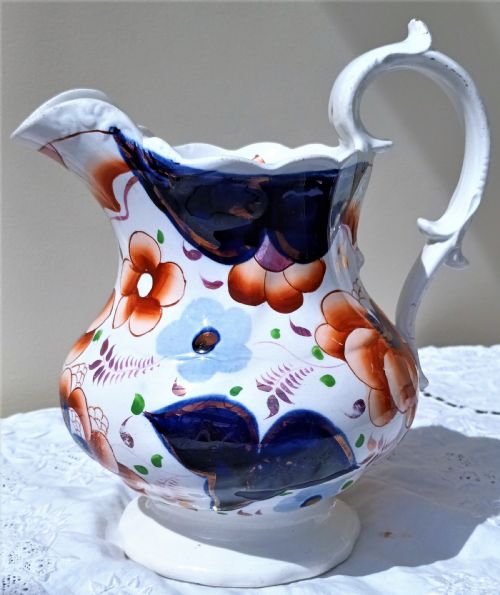
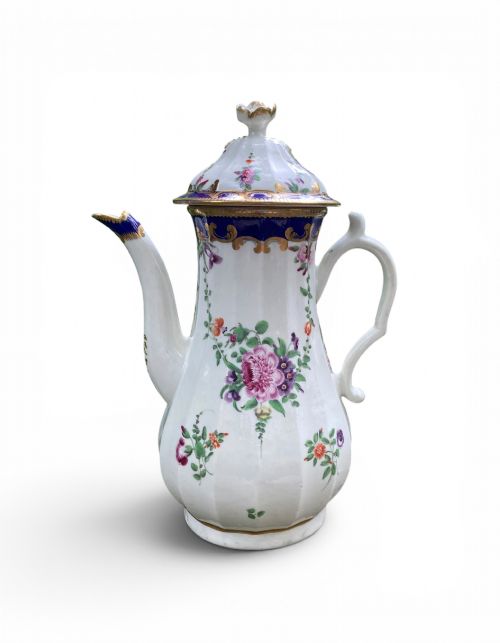
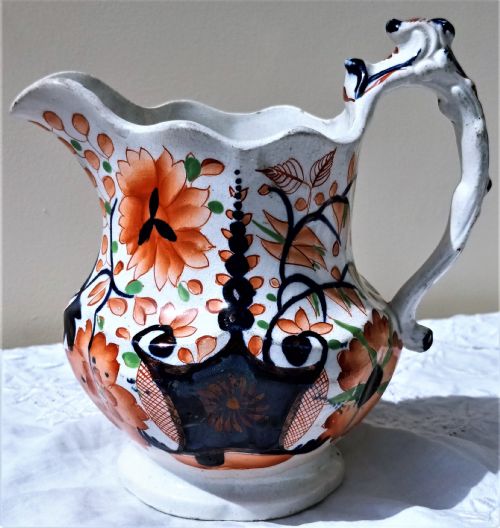
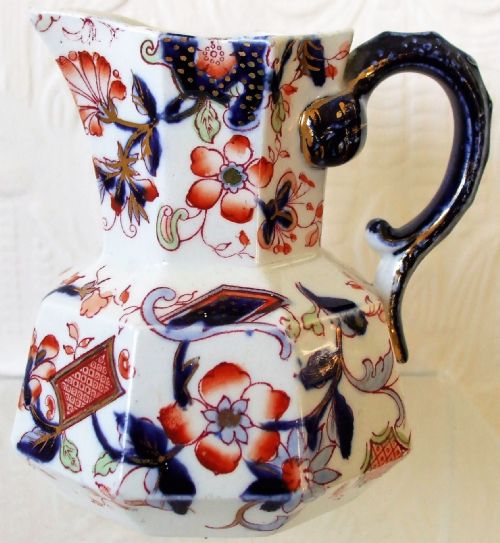
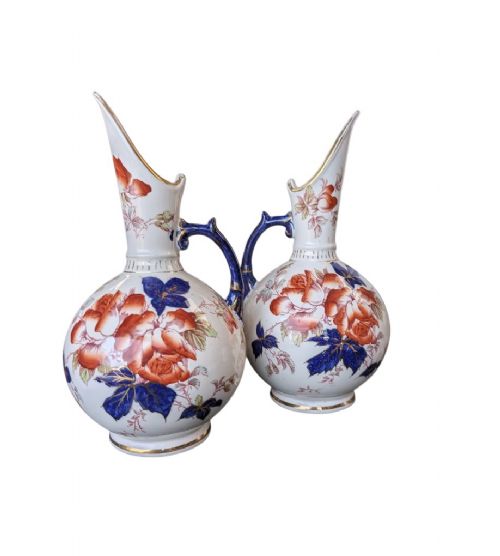
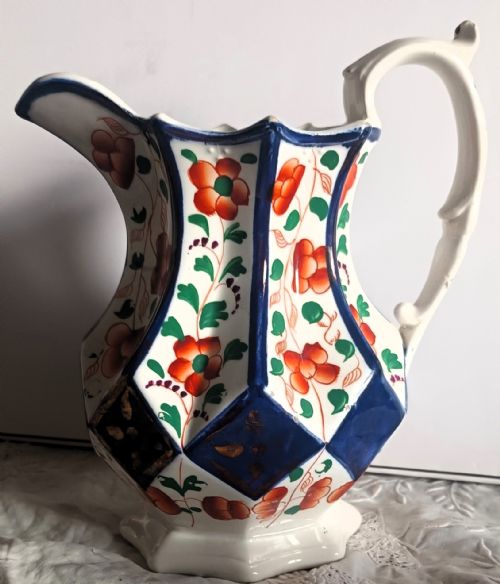
An antique cobalt pitcher is a vessel designed for holding liquids, rendered distinct by rich blue decoration applied under or over the glaze. These pieces emerge from the eighteenth and nineteenth centuries, taking the form of jugs, ewers, and basin sets used for domestic service.
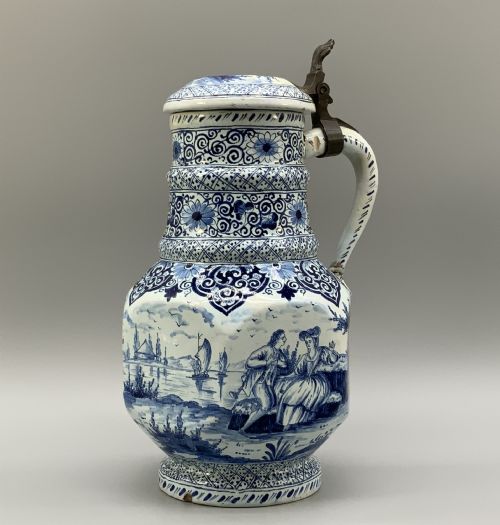
The selection here includes earthenware, ironstone, porcelain, and salt-glazed stoneware originating from English, German, and Asian kilns. Pieces span the Georgian and Victorian eras, alongside Dutch Delftware and German Westerwald productions.
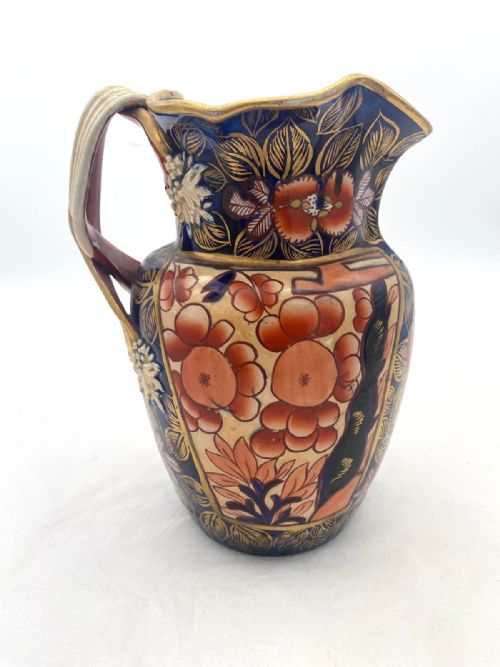
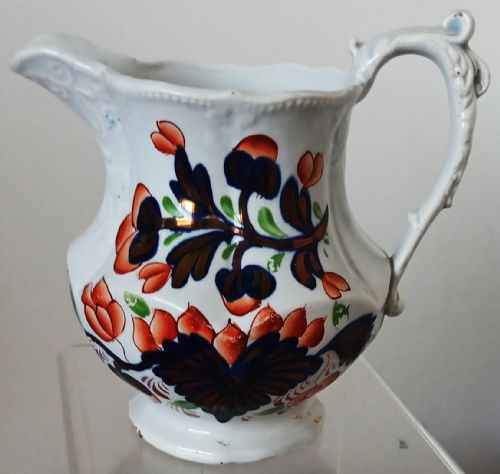
Buyers encounter transfer-printed ironstone, hand-painted porcelain, and salt-glazed stoneware bearing traditional motifs, floral patterns, and historical scenes. Each item reflects the utilitarian and decorative domestic standards of its period.
How they were made
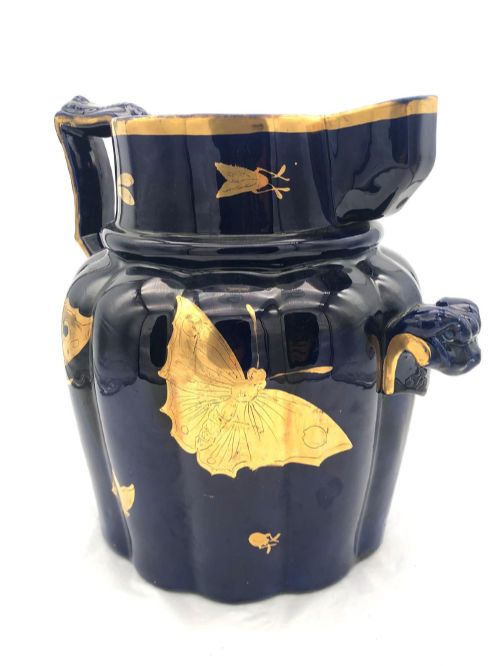
Potters shaped these vessels using earthenware, ironstone, porcelain, and stoneware clays, frequently employing moulds or the potter's wheel to establish the body. Handles and spouts, such as mask heads or grotesque forms, were shaped separately and joined before firing.
Cobalt oxide provided the pigment for the characteristic blue decoration, applied by hand painting or transfer printing directly onto the clay body or over an initial tin glaze. Salt-glazed stoneware pieces received applications of salt during the kiln firing to create an orange-peel texture.
Glazes, including clear lead variants and specialised salt glazes, were fired to seal the porous ceramic bodies and protect the cobalt pigments. Gold leaf and gilt highlights occasionally supplemented the blue decoration on finer porcelain and ironstone bodies.
Listings feature periods from the seventeenth through the early twentieth century, encompassing Georgian, Victorian, and Ming Dynasty revival styles.
What varies in quality
The refinement of the ceramic body and the clarity of the cobalt decoration separate standard utility wares from exceptional pieces. Finely potted porcelain and dense ironstone exhibit sharper moulded details and thinner walls than heavier earthenware bodies.
Hand-painted precision and the depth of the cobalt pigment dictate artistic value, distinguishing master-painted scenes from repetitive transfer-printed patterns. The inclusion of supplementary materials such as gilt detailing or pewter lids elevates the status of the vessel.
Minton·Mason's Ironstone·Doulton Lambeth·Simon Peter Gerz·Caughley Coalport
The Antique Cobalt Pitcher Glossary
- Cobalt
- A metallic oxide used to create a permanent, deep blue colour on ceramics that withstands high kiln temperatures without fading. It forms the basis of the characteristic decoration on these pitchers.
- Ironstone
- A patented type of heavy earthenware developed in the nineteenth century that mimics porcelain through its durability and dense body. It frequently supports transfer-printed cobalt designs.
- Salt Glaze
- A vitreous coating formed by throwing common salt into the kiln during high-temperature firing, creating a pitted texture resembling an orange peel. This technique defines traditional German stoneware.
- Transfer Printing
- A method of applying intricate engraved designs to pottery by pressing paper printed with metallic oxide onto the clay body. This innovation allowed complex blue patterns to be replicated efficiently.
- Ewer
- A large pitcher with a flared spout and curved handle, historically utilised for pouring water at a washstand or dining table. Many examples feature elaborate moulded handles.
- Gilt
- A thin layer of gold applied to the surface of porcelain or ironstone to accent rims, handles, and moulded details. It provides a contrast to the deep cobalt blue grounds.
Antique Cobalt Pitcher: Frequently Asked Questions
What were antique cobalt pitchers used for?
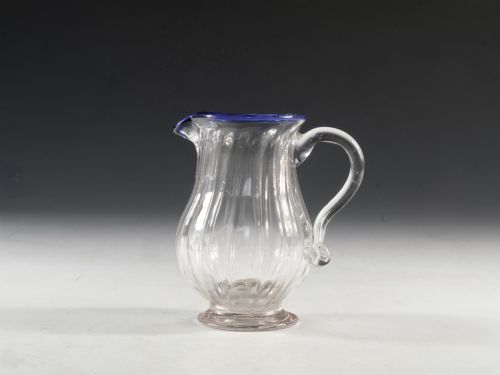
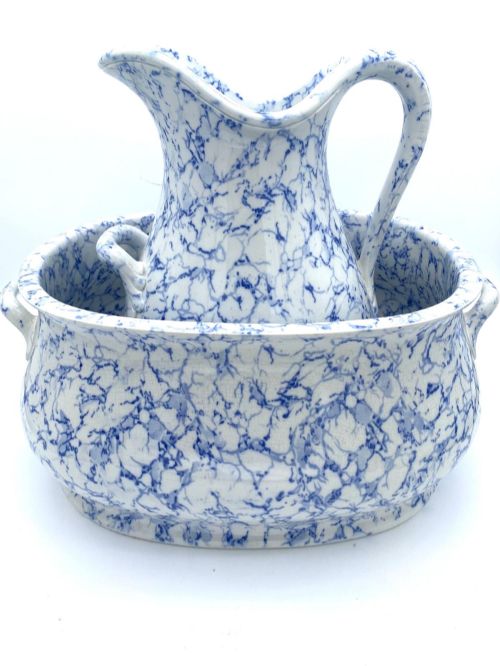
These vessels served practical roles in domestic spaces, functioning as water jugs, creamers, and components of washstand basin sets. They transferred liquids at the table or assisted with personal hygiene.
Over time, many transitioned from utilitarian service to decorative display, valued for their striking blue pigmentation and sculptural ceramic forms.
How do I date an antique cobalt pitcher?
Dating relies on examining the ceramic body, glaze characteristics, and potting techniques. Ironstone and specific transfer-printed patterns often point to the nineteenth century, while salt-glazed stoneware and tin-glazed delftware typically indicate earlier production.
Maker marks, registration diamonds, and stylistic cues like Georgian or Victorian forms further narrow the manufacturing window.
How do I care for an antique pitcher?
Clean these pieces gently by hand using warm water and mild soap, avoiding harsh scrubbing or dishwashers that can damage aged glazes and delicate gilt highlights.
Display them away from direct sunlight and extreme temperature fluctuations to protect the ceramic body and prevent crazing in the glaze.
What is the difference between stoneware and porcelain?
Stoneware is a heavy, dense, and opaque ceramic fired at high temperatures, often finished with a salt glaze. It provides durability and a rustic texture well-suited for German and English utility jugs.
Porcelain is finer, lighter, and partially translucent, produced from kaolin and fired to vitrification. It supports delicate hand-painted cobalt scenes and formal table service.