


Antique Cobalt Decanter
An antique cobalt decanter catches the light with deep blue richness, offering both historic charm and functional elegance for your home.
Antique Cobalt Decanter
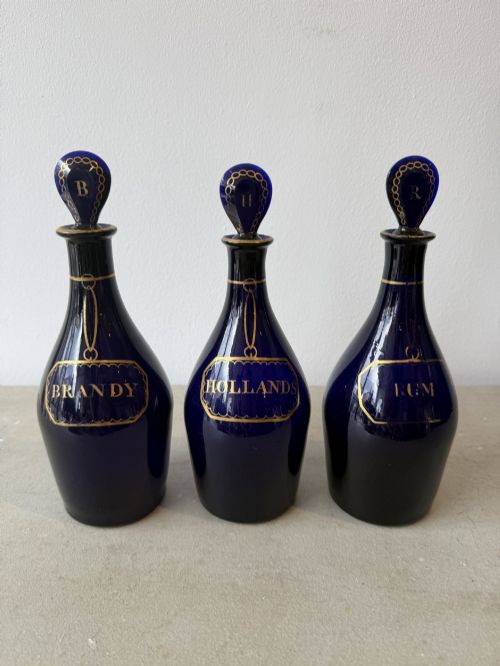
When you search for an antique cobalt decanter, you encounter vessels shaped from rich blue glass that served functional roles in historic dining and medicine. These pieces range from Georgian and Victorian wine flagons to apothecary bottles and stands.
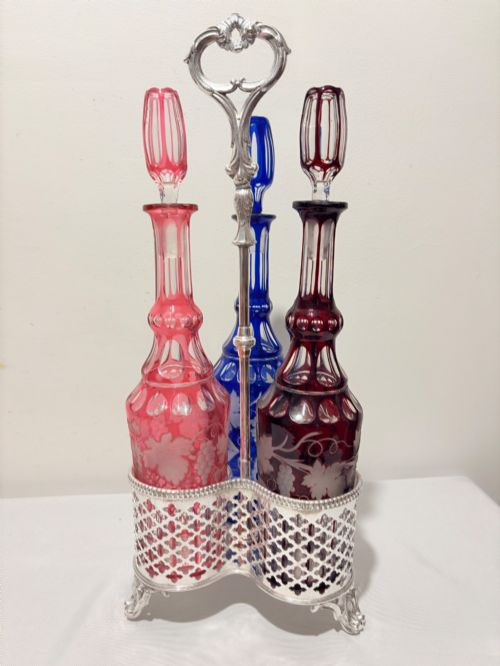
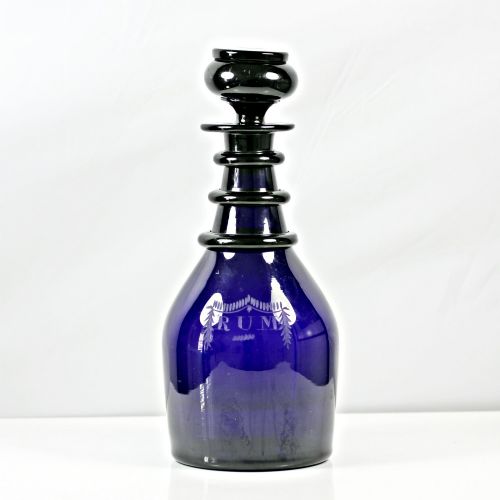
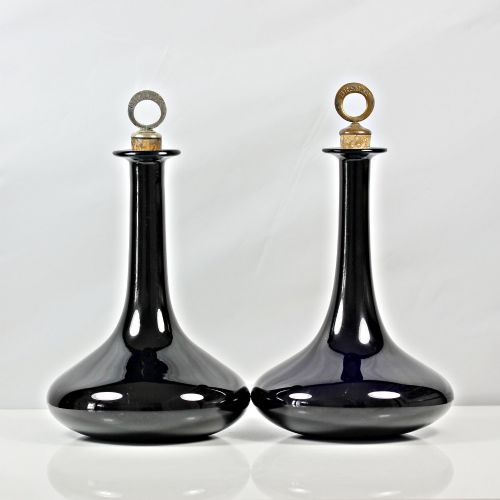
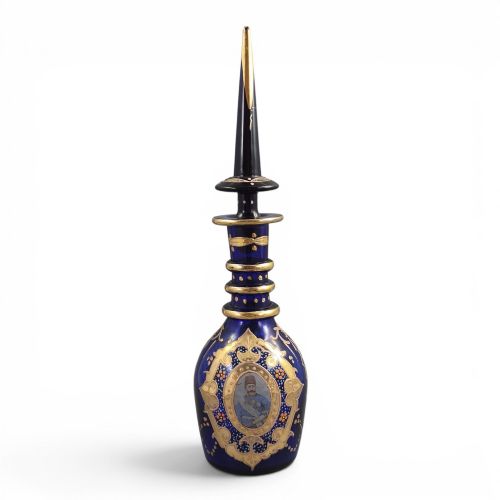
The most common examples on this page are Bristol blue three-ring rum decanters and mell decanters from the nineteenth century. Makers also produced Bohemian enameled export pieces and silver-mounted serving bottles during this period.
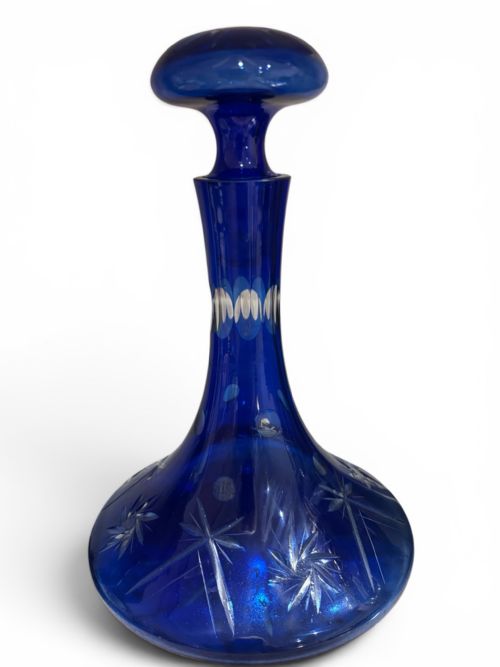
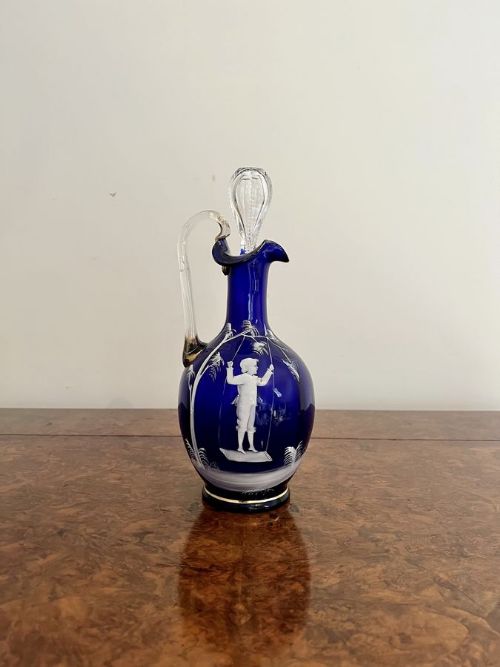
Forms vary from heavy cut glass vessels to delicate hand-blown bottles adorned with gold leaf or enamel decoration. Each piece reflects the specific tastes of its era, from Georgian simplicity to Victorian ornamentation.
Materials and construction methods
Glassmakers utilised rich cobalt oxide to achieve the signature intense blue hue seen across these vessels. Artisans shaped the glass using traditional hand-blowing techniques, frequently adding applied rings or cut facets.
Metal mounts in silver plate and silver necks provided secure closures alongside cork stoppers. Artisans often embellished the glass surface with fine enamel work and gold leaf details.
Listings feature 19th Century, Georgian, and Art Deco periods alongside materials such as cobalt glass, silver plate, and gold leaf.
Factors influencing quality
Depth and clarity of the cobalt glass distinguish finer vessels from standard production items. Crisp cutting and well-executed hand-painted enamel or gold leaf decoration elevate the work.
The integrity of original silver mounts and matching stoppers contributes significantly to the overall merit of a piece. Well-proportioned forms with minimal surface wear represent the upper tier of the range.
The Antique Cobalt Decanter Glossary
- Bristol Blue
- A deep cobalt glass traditionally associated with glasshouses in the Bristol area during the eighteenth and nineteenth centuries. This intensely coloured material became widely popular for serving spirits and wines.
- Mell Decanter
- A bottle form characterised by a tapered body and distinctive shoulder profile, often utilised for serving wine or spirits in the Georgian and Victorian eras. These vessels frequently feature three or more glass rings on the neck.
- Silver Plate
- A thin layer of silver fused to a base metal foundation to give the appearance of solid silver. This technique appeared frequently on mounts, collars, and stands associated with nineteenth-century glassware.
- Enamel
- A durable vitreous substance fused to the glass surface through firing to create colourful painted ornamentation. This technique often appears on export pieces intended for Persian and European markets.
- Apothecary Bottle
- A utilitarian vessel designed for storing medical compounds, often fitted with a ground glass stopper. These bottles occasionally feature painted labels denoting specific contents.
Antique Cobalt Decanter: Frequently Asked Questions
How do I clean an old decanter safely?
Wash the glass gently in warm water using mild soap and a soft bottle brush. Avoid extreme temperature changes to prevent cracking the historic material.
Dry the vessel thoroughly and store it without the stopper inserted to allow air circulation inside the bottle.
Were these blue bottles used for wine?
Many of these vessels served specific roles for holding wine, rum, or whiskey on dining tables and sideboards. Others functioned as apothecary bottles for storing medicines and tonics.
Distinctive neck rings provided a secure grip for pouring during formal meals and gatherings.
How can I tell a Georgian decanter from a Victorian one?
Georgian examples often display heavier lead glass construction with deep hand-cutting and distinct three-ring necks. Victorian pieces frequently incorporate brighter cobalt shades and varied decorative techniques like enamel work.
Examining the pontil mark on the base helps determine the period and manufacturing method used.
Can I use these decanters daily?
These historic vessels can certainly hold liquids, though hand washing remains essential to preserve the delicate glass and metal mounts. Storing them securely away from heavy foot traffic protects them from accidental damage.
Displaying them where natural light passes through the cobalt glass highlights their colour and form.