






Antique Coastal Landscape
An antique coastal landscape captures the shifting moods of the shore, preserving Victorian harbours and breezy maritime scenes through expressive brushwork.
Antique Coastal Landscape
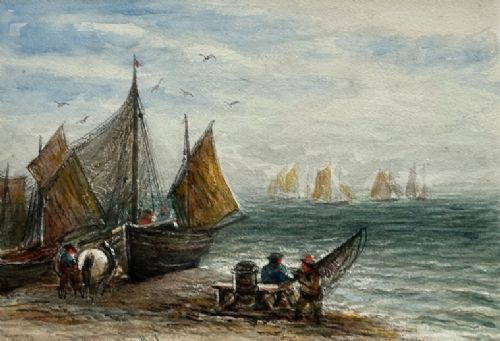
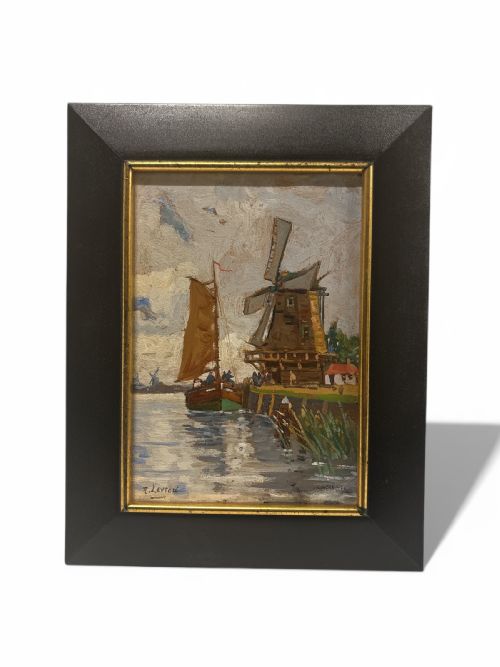
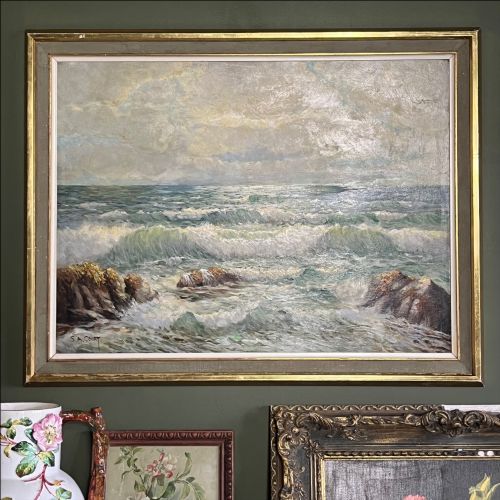
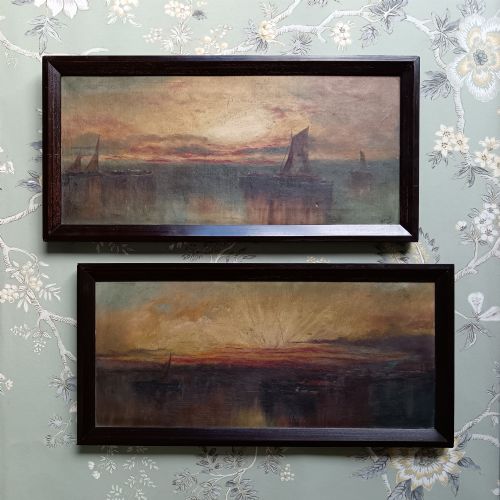
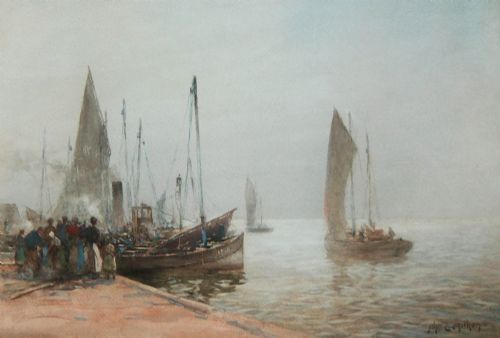
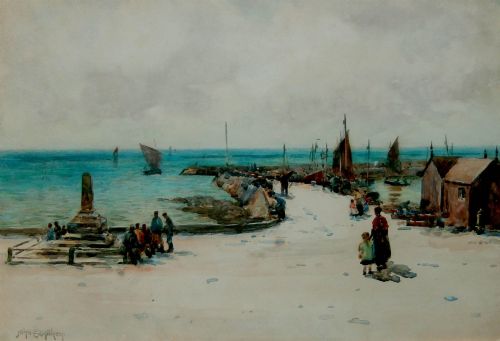
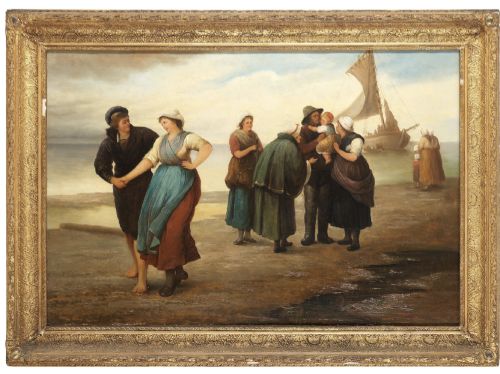
An antique coastal landscape records maritime life, busy fishing ports, and quiet shores across the nineteenth and early twentieth centuries. These works range from detailed watercolour studies of Cornish villages to dramatic oil paintings of Dutch boats in gales.
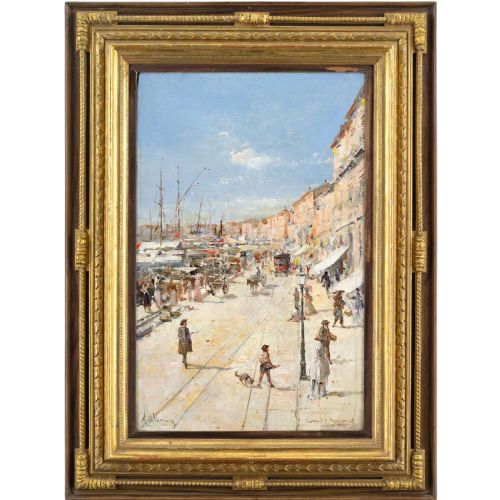
Buyers encounter traditional British scenes featuring St Ives, Whitby, and Scarborough alongside continental European views. The works span intimate paper studies to large canvas seascapes framed in gilt wood.
How these coastal scenes were painted
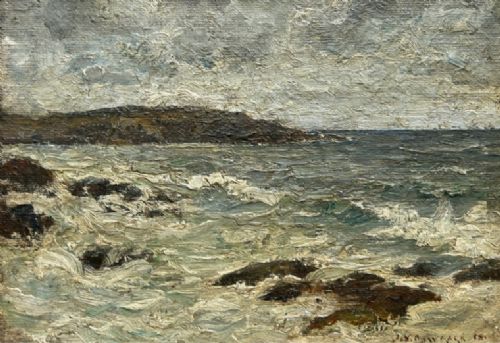
Artists worked primarily in oil paint on canvas, wood panel, and board, or applied transparent washes in watercolour on paper. Oil paintings allowed for rich, impasto textures that rendered churning waves and stormy skies with physical depth.
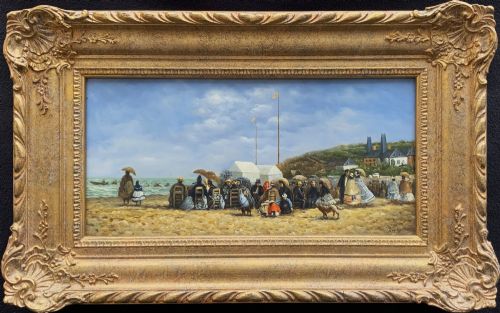
Watercolour compositions relied on swift brushstrokes and preserved paper highlights to capture bright coastal light and atmospheric sea spray. Works were frequently housed in ornate, gilt wood frames featuring floral or rococo motifs.
Antique Coastal Landscape Retail Price Guide 2026
Typical asking prices for coastal landscape among the pieces listed under this phrase on Sellingantiques today, from the lower quarter to the upper quarter. They describe what is for sale here now, not the wider market.
Several Victorian canvases double as accidental historical archives, preserving forgotten types of fishing boat rigging and weather-beaten maritime coats.
What distinguishes superior works
Quality rests in the artist's command of natural light, atmospheric perspective, and the specific movement of water. Superior compositions convey the genuine weight of a stormy sea or the luminous clarity of dawn over a harbour.
The sensitivity of the brushwork and the contextual detail of the figures - such as local fisherfolk, returning boats, or coastal cottages - elevate a painting from a routine topographical record to a compelling artistic statement.
James Orrock·John Wilson Carmichael·Joseph Farquharson·Hector Caffieri·William Henry Williamson
The Antique Coastal Landscape Glossary
- Impasto
- Paint applied thickly to a canvas or board, leaving visible brush or palette knife marks that create a tactile, three-dimensional surface. This technique is frequently utilised to emphasise crashing waves and swirling clouds.
- Seascape
- A work of art depicting the sea, coastal views, ships, or maritime activity. These pieces focus heavily on marine atmospheres and shorelines.
- Watercolour
- A painting method where fine pigment is suspended in a water-based solution on paper. It relies on translucent washes to achieve luminous effects.
- Gilt wood
- Timber frames or decorative elements coated in a thin layer of gold leaf or metallic paint. They are standard fixtures for framing nineteenth-century oil paintings.
Antique Coastal Landscape: Frequently Asked Questions
What subjects appear in these coastal scenes?
Paintings frequently depict busy fishing harbours, remote cottages, and sailing vessels navigating calm waters or stormy gales.
Scenes also record specific regional landmarks, coastal paths, and local figures hauling catches across British and European shores.
How do I care for antique watercolours?
Watercolours on paper are highly sensitive to direct sunlight and moisture. Glazing them with UV-filtering glass protects the pigments from fading over time.
Keep these works away from humid environments to prevent foxing spots and paper degradation.
How do I distinguish oil paintings from watercolours?
Oil paintings feature heavier pigment layers on canvas, panel, or board, often displaying visible texture and crackleur. Watercolours are executed on paper under glass, showing transparent washes and smooth surfaces.
Examining the medium closely reveals whether the binder is linseed oil or water-soluble gum.
Where were most of these artists working?
Makers active in these styles worked across British coastal colonies like Cornwall, Yorkshire, and Scotland, as well as continental European ports. Artists travelled extensively to paint specific maritime communities.
Their output reflects both plein-air observation and studio interpretations of local sea life.