



Antique Clock Dial Face
An antique clock dial face brings the rich mechanical heritage of eighteenth and nineteenth century timekeeping into a modern room.
Antique Clock Dial Face
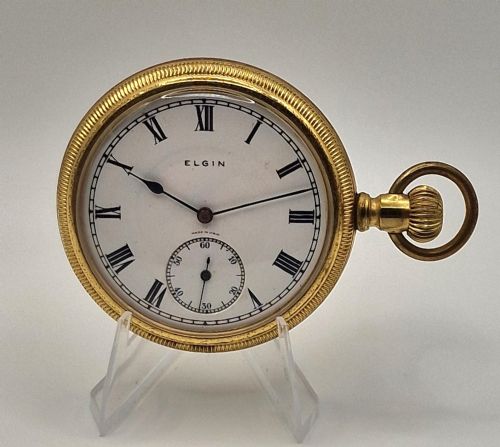
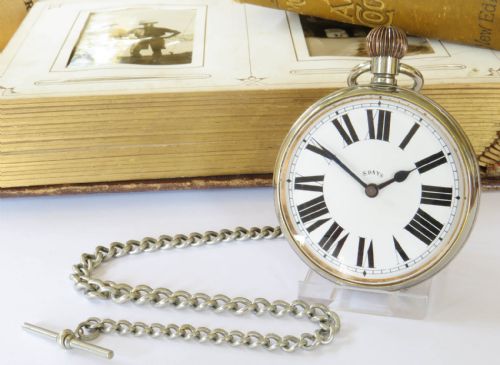
When you search for an antique clock dial face, you encounter pieces drawn from longcase clocks, architectural salvage, and pocket watches originating in Georgian, Victorian, and Edwardian periods.
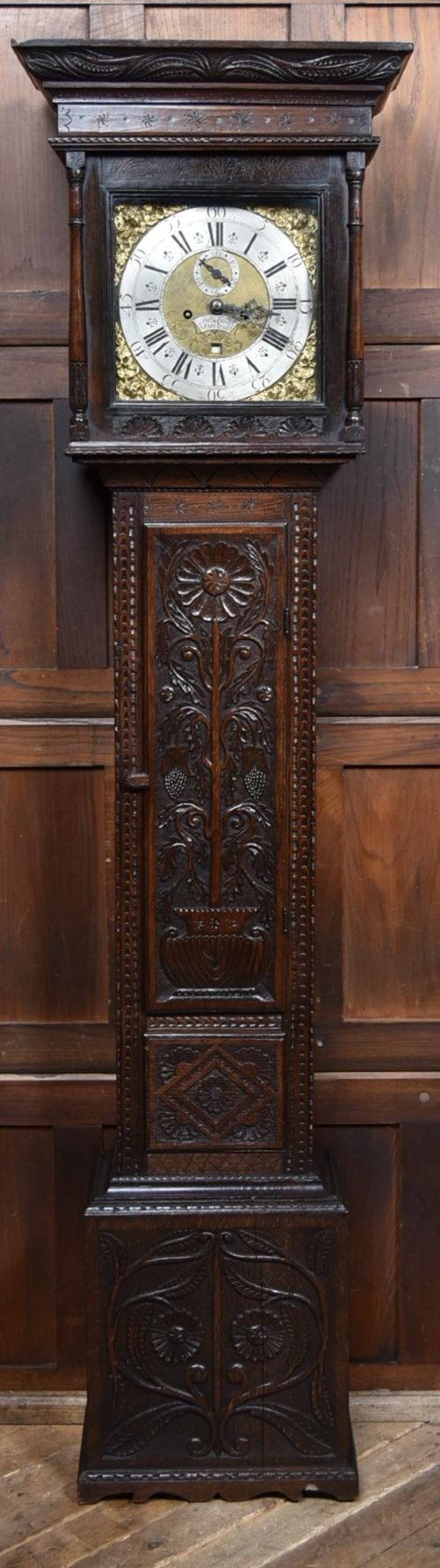
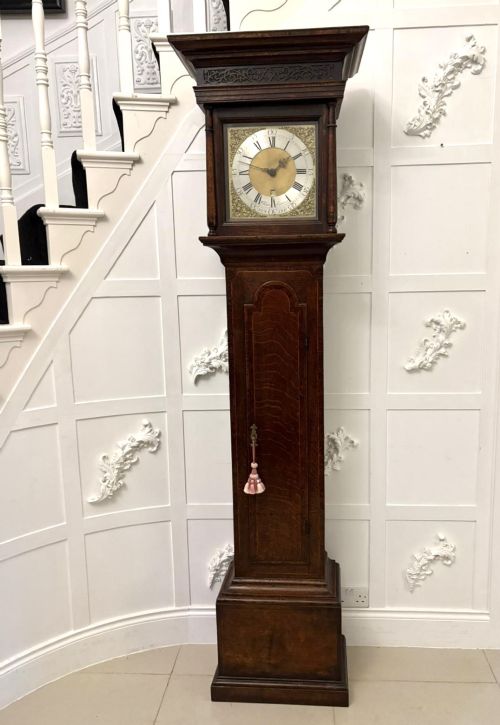
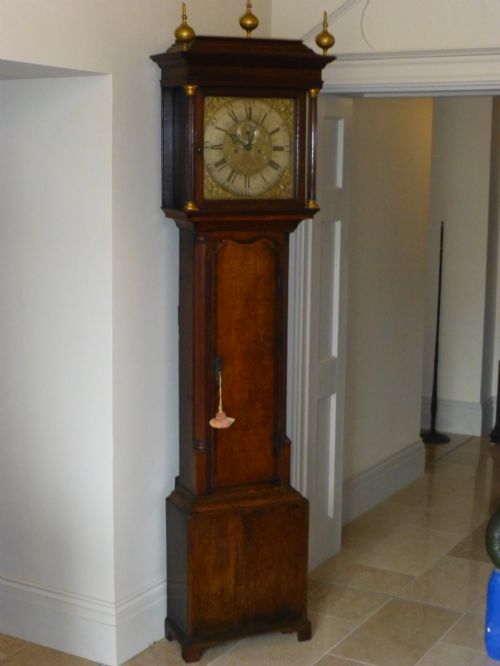
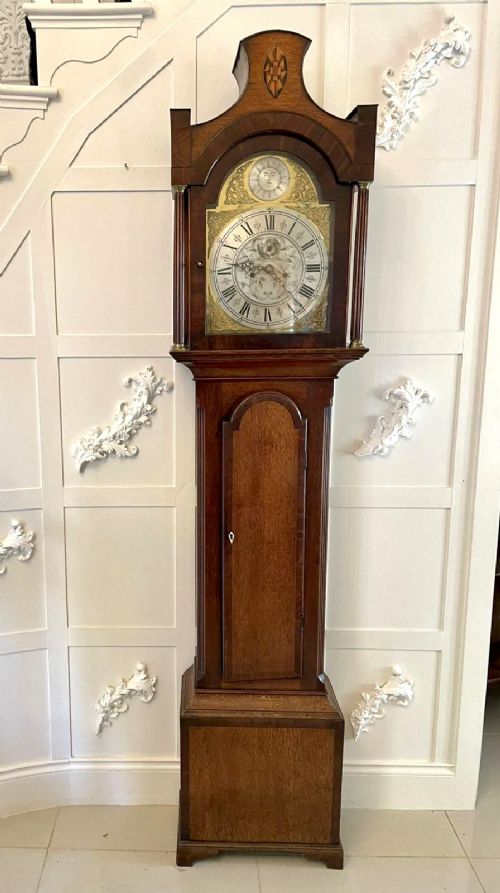
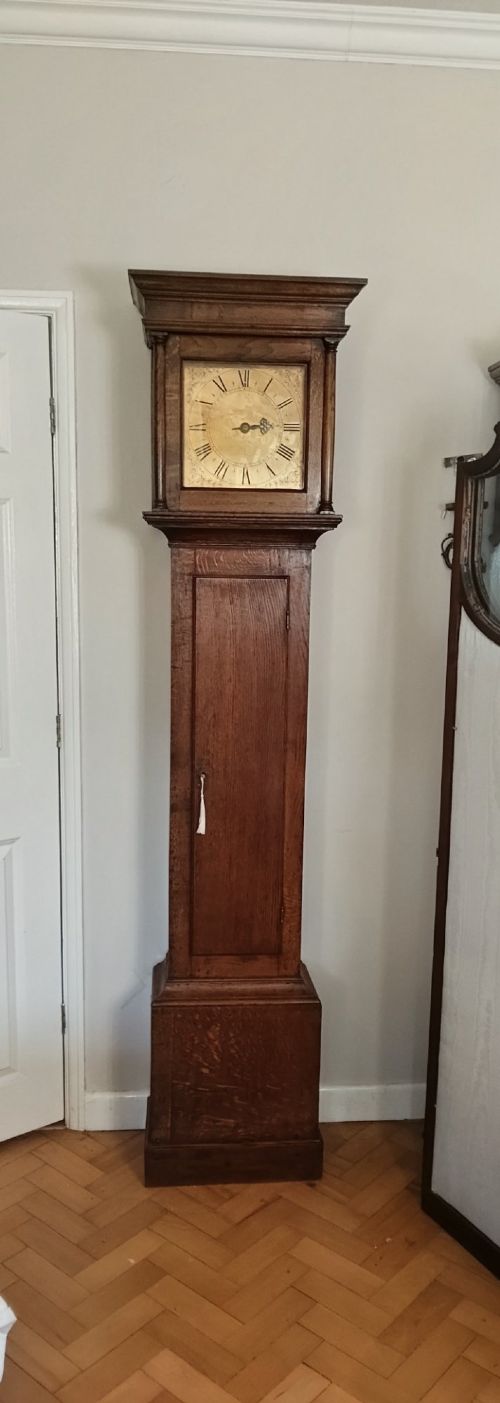
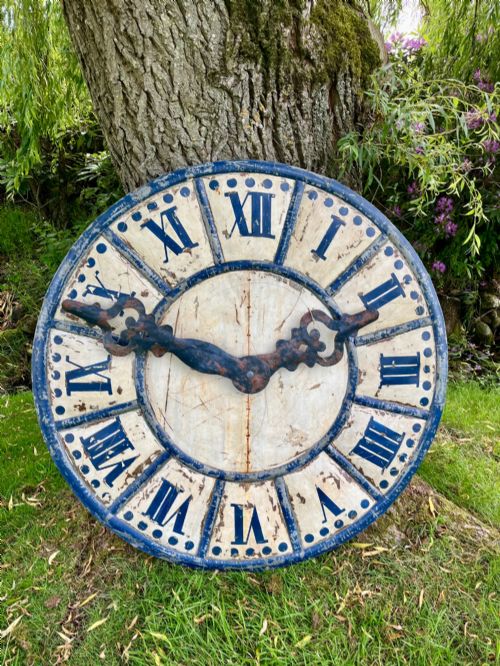
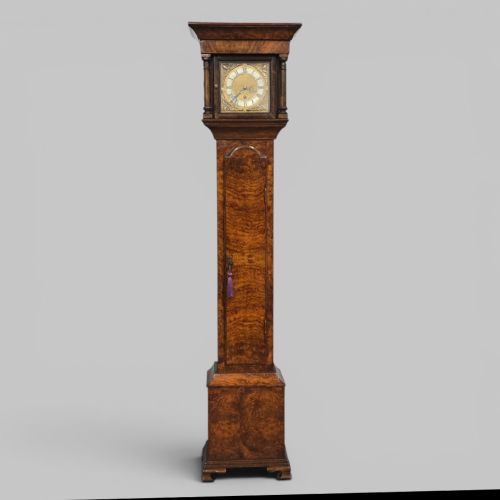
The version you are most likely to meet on this page is the brass or painted dial removed from an eighteenth century oak or mahogany grandfather clock, alongside larger French and English turret clock faces.
These items range from domestic grandfather clock faces signed by regional makers to massive industrial dials intended for towers and public buildings.
How they were made
The materials recorded in these pieces rely heavily on brass, copper, steel, iron, glass, and painted wood, often housed in oak, mahogany, or walnut surrounds.
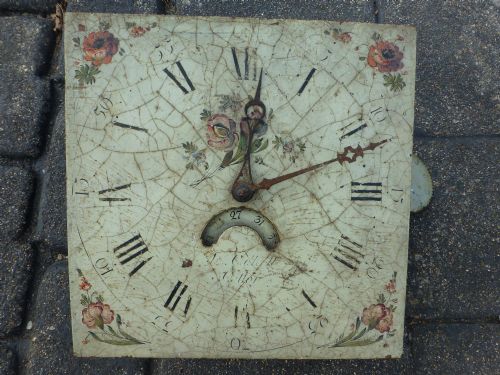
Dials were laboriously engraved, silvered, or hand-painted with enamel and pigment, showcasing the precision of Georgian and Victorian metalworkers and horologists.
Several turret clock faces weigh more than an adult deer and once shouted the time across entire European parishes.
What varies in quality
The distinction between standard utility work and top-tier craftsmanship rests on the crispness of the hand-engraved brass numerals, the artistic depth of painted moonphases or floral spandrels, and the legibility of the maker signature.
Proportion and material selection also dictate merit, separating straightforward pine or oak examples from finely figured flame mahogany or burr walnut housings and substantial architectural bronze castings.
Jn° Smith Macclesfd·Smith of Chester·Joseph Gibson Ecclefechan·David Morice of Auchtermuchty·John Pollard of Crediton·Jn Wright Linton·Richard Northen·William Betagh Dublin·D. Munsey of Cambridge·Joyce Whitchurch·Lepaute Paris
The Antique Clock Dial Face Glossary
- Spandrel
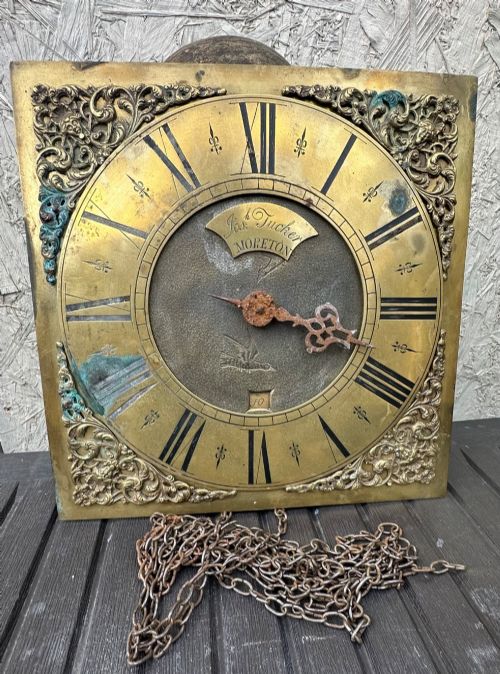
- The decorative corner piece on a clock dial, often cast in brass and styled in floral or rococo motifs. These fill the space between the circular chapter ring and the square edge of the dial plate.
- Chapter ring
- The outer ring on a clock face that bears the numerical hour markers. On quality pieces, this is often a separate silvered brass plate pinned to the main dial.
- Moonphase
- A mechanical display on the dial that tracks the lunar cycle through painted representations of the moon. It typically appears within an arched top section of the clock face.
- Grandfather clock
- A tall freestanding pendulum clock, also known as a longcase clock. The dial sits at the top behind a glazed door, historically protected within oak or mahogany cases.
- Turret clock
- A large clock designed for public buildings, church towers, or industrial settings. Their dials are built on a grand scale using iron, copper, and glass to withstand outdoor elements.
Antique Clock Dial Face: Frequently Asked Questions
What is an antique clock dial face?
An antique clock dial face is the visible numerical plate removed from a historic timepiece, such as a Georgian longcase clock or an industrial turret clock.
These pieces showcase period craftsmanship, featuring hand-engraved brass, painted enamel, and signature work from historic regional clockmakers.
How were old clock faces used?
They served as the primary time-indicating interface for domestic grandfather clocks, pocket watches, and large public buildings.
Craftsmen mounted them to internal movements using brass feet and pins, allowing owners to read hours and minutes through hands driven by weight or spring power.
How do I display an antique dial?
Many collectors mount large dial faces directly onto interior walls as focal art pieces, utilising their architectural presence and distressed patinas.
Smaller brass or painted dials can sit on specialist stands or inside cabinetry, preserving the original mounting brackets where possible.
How can I tell the period of a dial?
Stylistic clues such as floral spandrels, hand-scripted maker signatures, and the transition from square brass plates to arched dials indicate specific eras.
Eighteenth century pieces typically display engraved brass with subsidiary seconds rings, while later Victorian and Edwardian examples lean toward bold painted iron and enamel.