
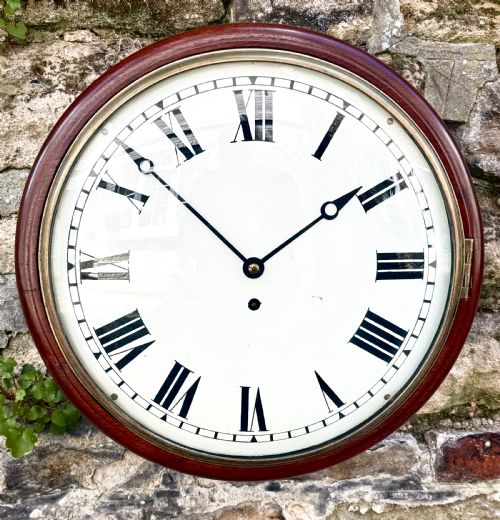


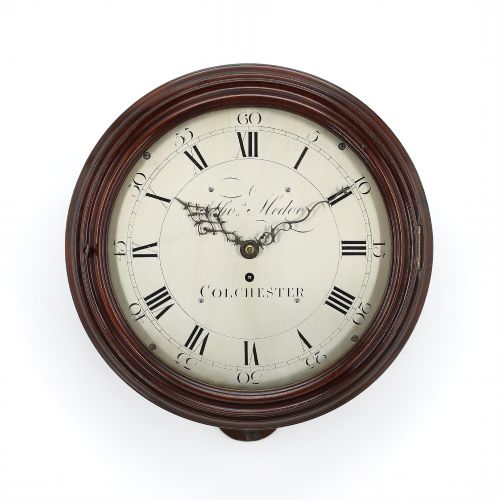
Vintage Brass Movement Clock
A vintage brass movement clock brings precise mechanics and warm metal tones into a room, joining utility with centuries of horological craft.
Vintage Brass Movement Clock
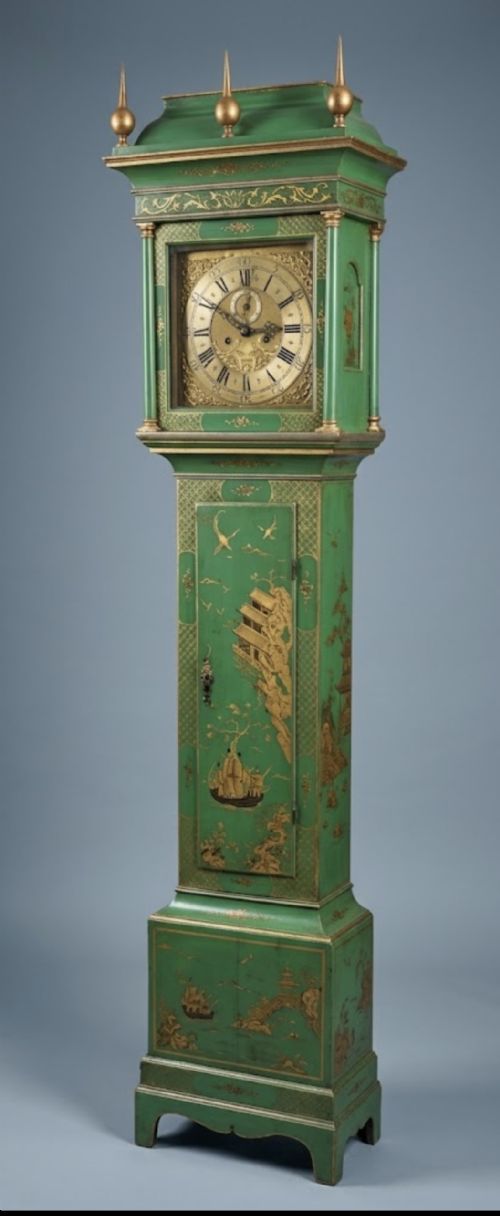
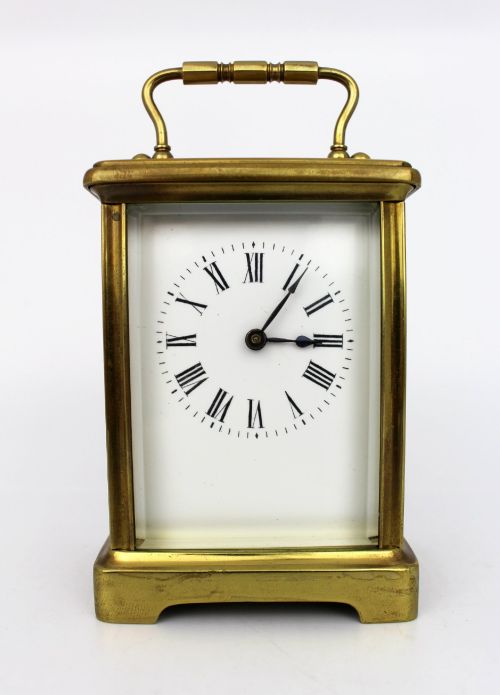
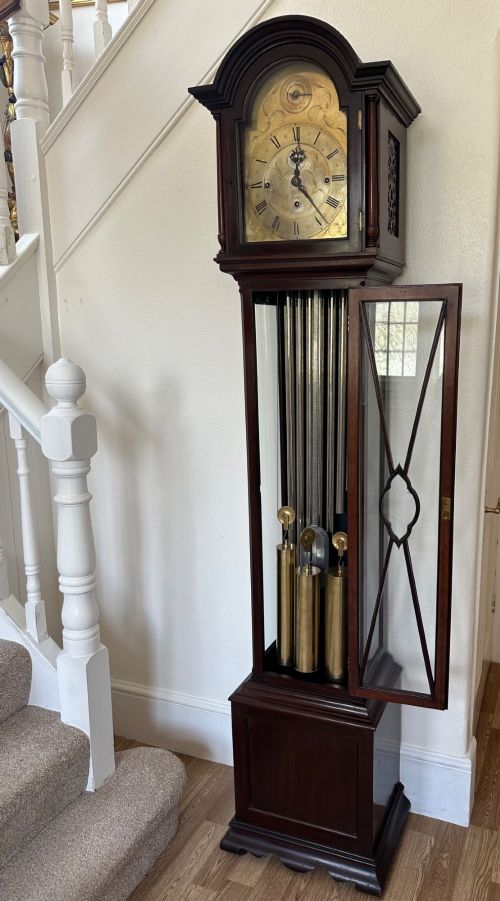
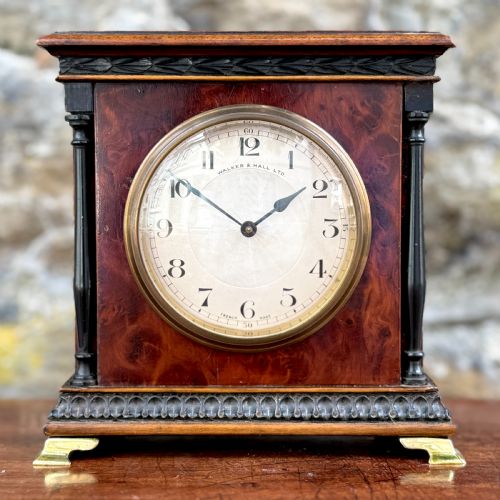
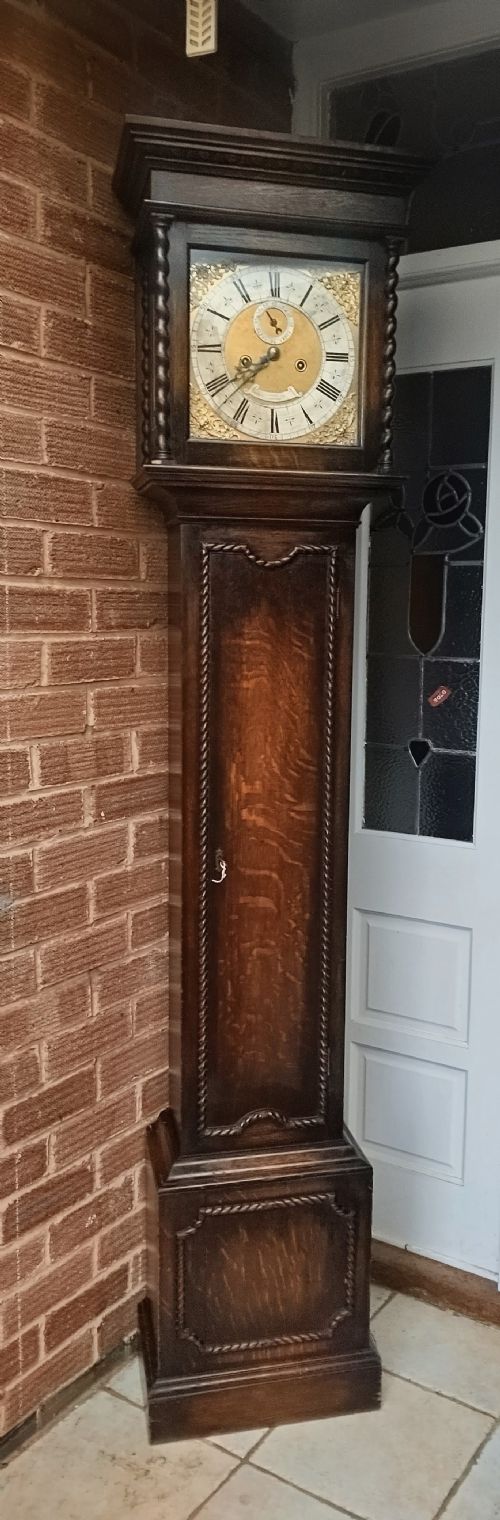
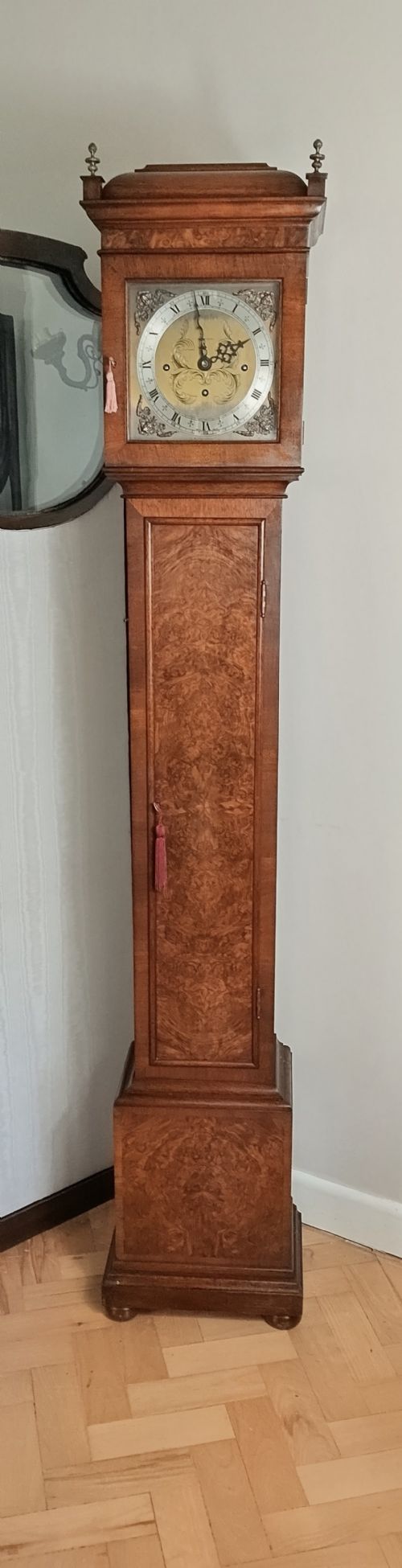
When you search for a vintage brass movement clock, you encounter a diverse range of horological forms spanning several centuries of domestic and institutional use. Wall clocks, carriage clocks, mantel clocks, and longcase clocks dominate this category, each housing mechanical works driven by brass gears and escapements.
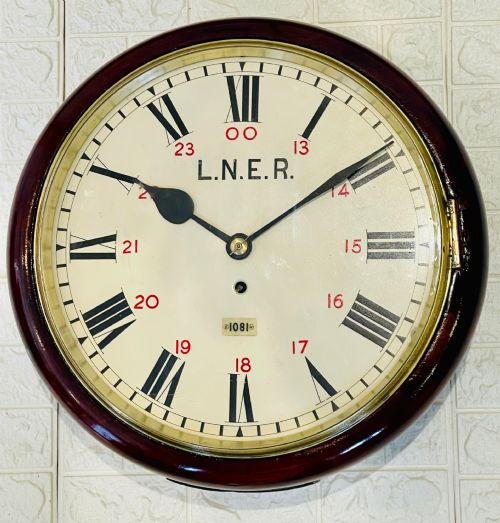
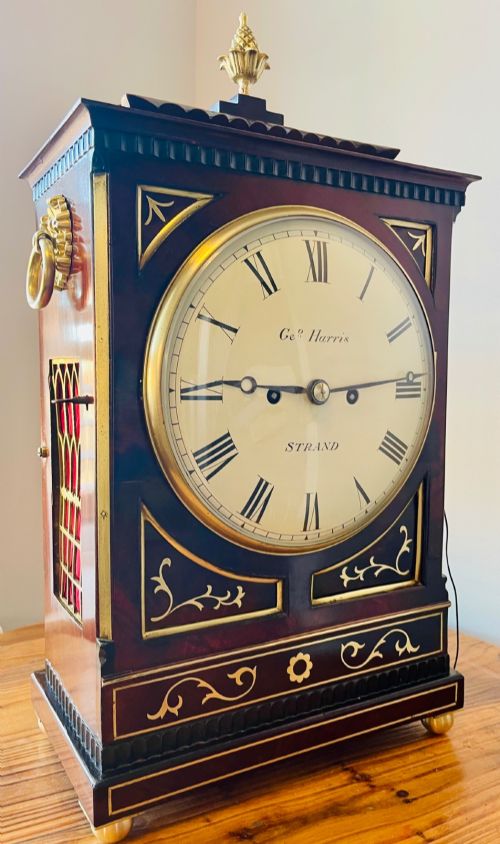
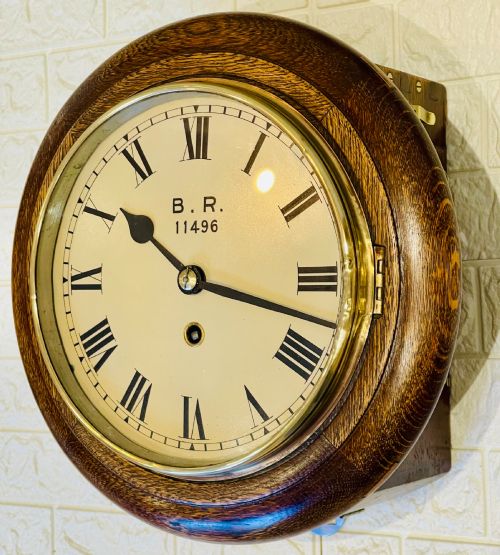
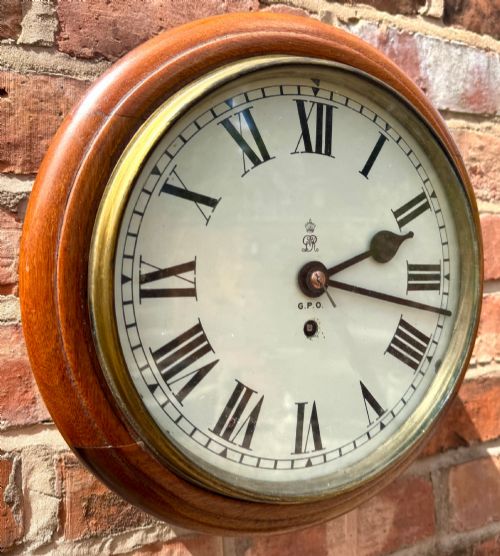
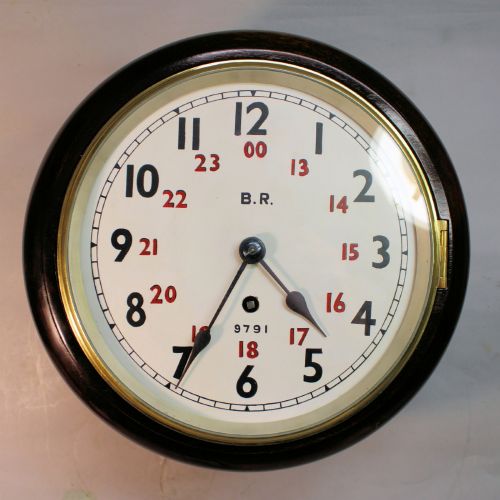
You are most likely to meet Victorian and Edwardian examples on this page, alongside mid-century pieces and earlier Georgian or Regency survivals. These include utilitarian railway dial clocks housed in mahogany or oak cases, delicate French carriage clocks with glass panels, and substantial bracket or longcase clocks.
The origins of these pieces stretch across Britain, France, Germany, and Switzerland. Regional makers and prominent retailers such as John Walker or Harrods often stamped their names upon dials and movements, tying individual clocks to specific railways, municipal buildings, or domestic drawing rooms.
Materials and construction
Brass forms the structural heart of these movements, utilised for plates, gear wheels, and escapement components that require durability and minimal friction. Fusee chains, steel arbors, and metal springs provide the driving tension, while glass panels and glazed dial covers protect the delicate internal mechanisms from dust.
Cases rely on traditional cabinet timbers including mahogany, walnut, oak, maple, and lacquered finishes, frequently shaped to suit specific mounting requirements from ships' bulkheads to grand hallways. Enamel, silvered metal, and painted iron dials carry the numerals, paired with handcrafted steel hands driven by the internal gear train.
Listings feature movements spanning the eighteenth, nineteenth, and twentieth centuries, housed in materials ranging from gilt brass to mahogany.
Distinctions in standard
The distinction between standard production and superior craftsmanship rests in the finishing of the internal brass components and the precision of the gear train cutting. Hand-engraved backplates, signed plates, and complex complications like repeating strike mechanisms or tubular bells separate finer workshop examples from mass-produced items.
Case construction likewise dictates grade, with solid timber framing, meticulous veneer work, and heavy cast brass bezels contrasting against simpler utility housings. Originality of components and historical preservation further define the standing of any individual piece within this tradition.
John Fielder of Alton·Lenzkirch·Walker and Hall·G&J·Thomas Hedge of Colchester·Schneckenburger·Brunelot·John Walker·Duverdrey and Bloquel·W. Burton·Harrods·Kelvin White and Hutton
The Vintage Brass Movement Clock Glossary
- Fusee
- A conical pulley used in mechanical clocks to equalise the torque of the mainspring as it unwinds. This mechanism ensures consistent driving force is delivered to the gear train throughout the winding cycle.
- Carriage clock
- A portable spring-driven timepiece designed for travel during the nineteenth century. These clocks typically feature a rectangular brass case with glazed panels and a folding handle.
- Dial clock
- A wall-mounted timepiece featuring a prominent circular face framed by a wooden surround. Railway companies and public offices widely utilised these dependable clocks for operational timekeeping.
- Bracket clock
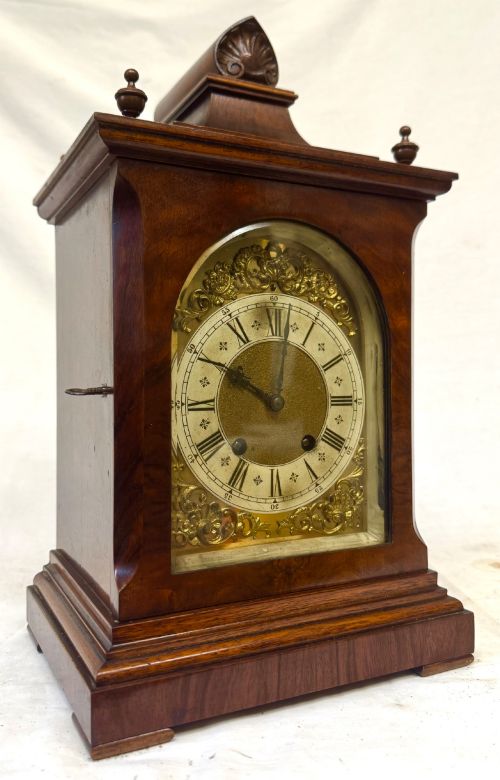
- A portable table or mantel clock originating from an era when such pieces rested upon architectural wall brackets. Later versions evolved into decorative freestanding mantel clocks with striking movements.
- Torsion clock
- A timepiece regulated by a suspended pendulum that rotates continuously in alternating directions. This slow-moving mechanism allows the clock to run for months on a single wind.
Vintage Brass Movement Clock: Frequently Asked Questions
How do fusee movements work?
A fusee movement uses a conical pulley connected to the mainspring by a chain or cord. As the spring loses tension, the chain rides higher on the cone to maintain steady power.
This clever geometric adjustment ensures the clock maintains consistent timekeeping right up until the moment it requires rewinding.
Were railway clocks accurate?
Railway clocks required high precision to coordinate train timetables across national networks. Fusee movements installed in station waiting rooms and offices delivered exceptional reliability.
Inspectors routinely checked these dials to ensure strict adherence to official timetables for passenger safety.
How do I wind a carriage clock?
Carriage clocks generally feature a winding arbor accessed through the base or the back plate. Inserting a matching key allows you to tension the mainspring gently.
Care must be taken not to overwind the mechanism, stopping as soon as resistance indicates the spring is fully loaded.
What is a ting tang strike?
A ting tang strike mechanism sounds two different pitched bells on the quarters or hours to mark the passage of time. One hammer hits a higher note followed immediately by a lower note.
This melodic chime configuration was popular in nineteenth-century bracket clocks produced across European workshops.