
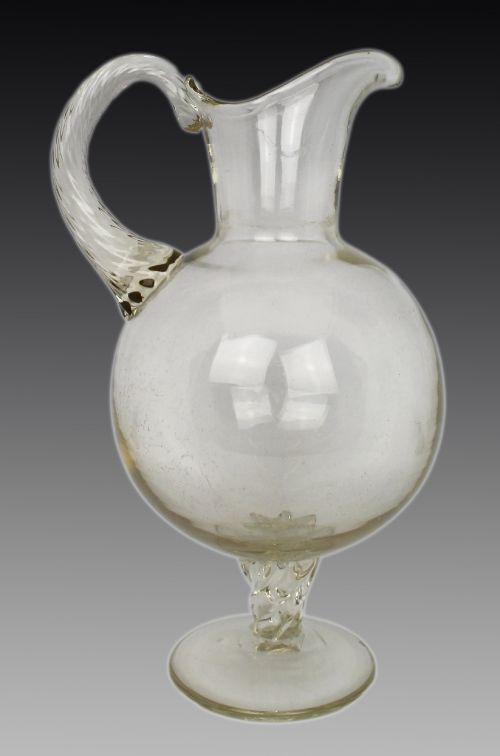
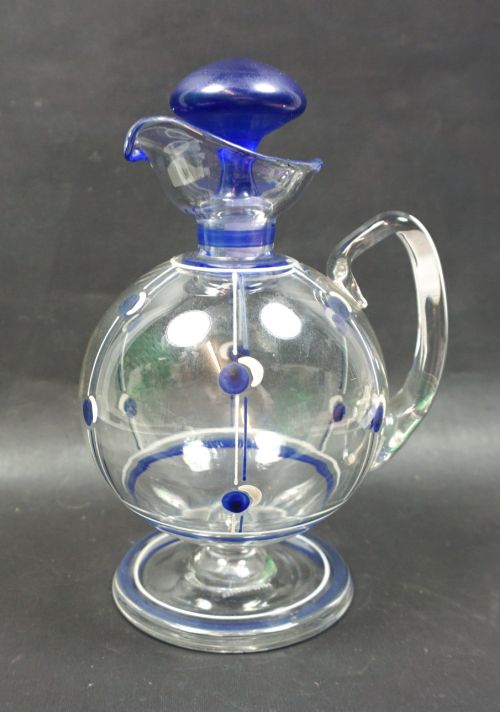
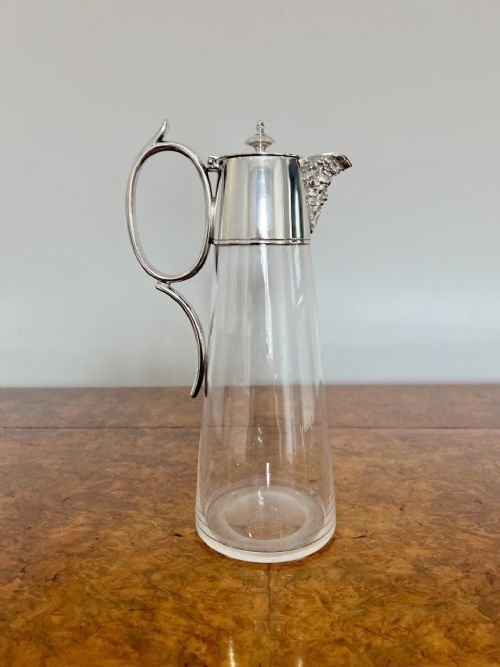
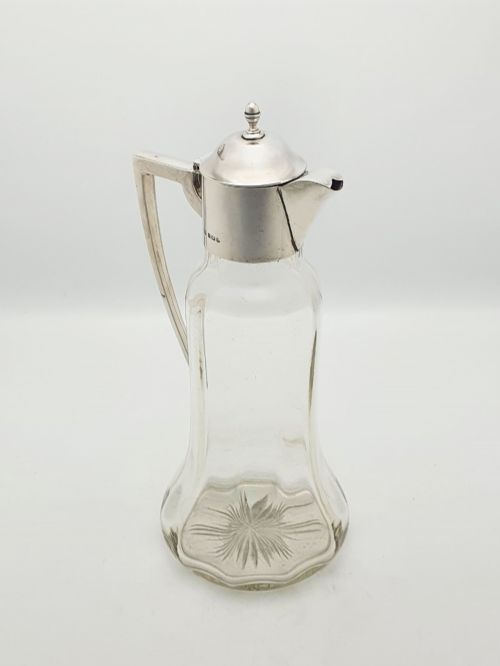
Antique Clear Jug
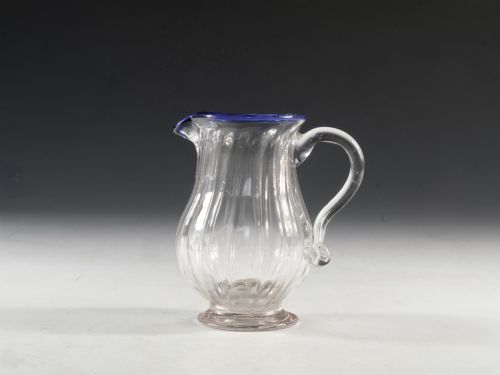
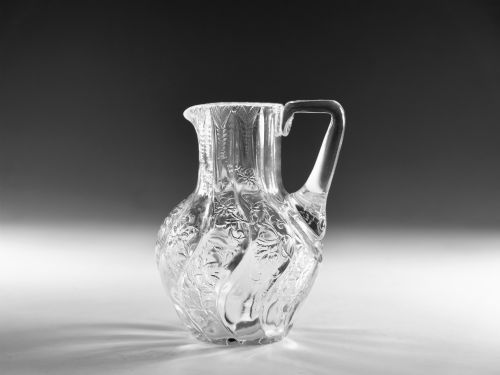
An antique clear jug brings brilliant light to a table, combining transparent glass with polished silver mounts and cut facets.
Antique Clear Jug
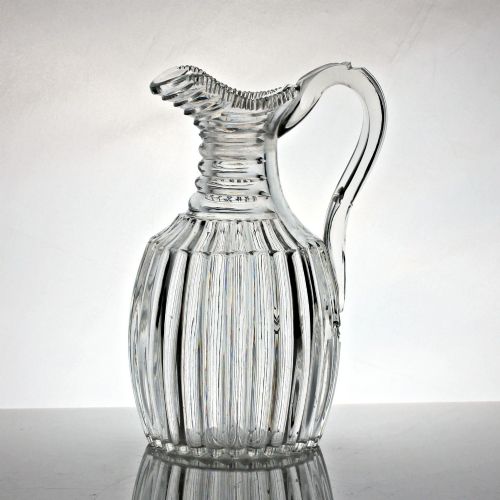
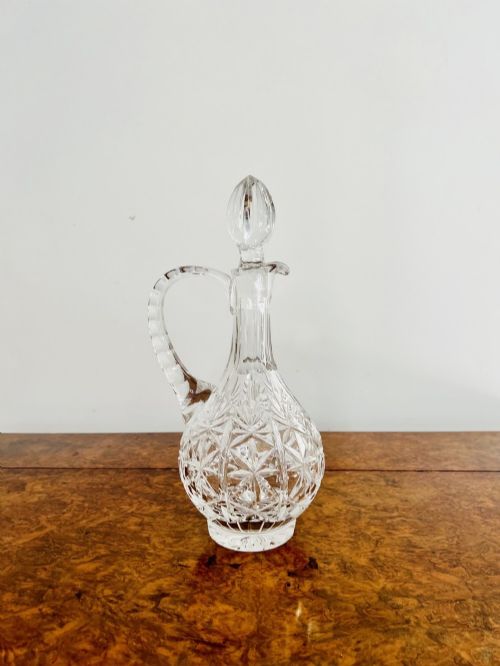
When you search for an antique clear jug, you encounter vessels designed for water, wine, claret, whisky, and lemonade across the nineteenth and twentieth centuries. These pieces appear in forms ranging from heavy panel-cut ewers and slender decanters to small whisky noggins fitted with handles and spouts.
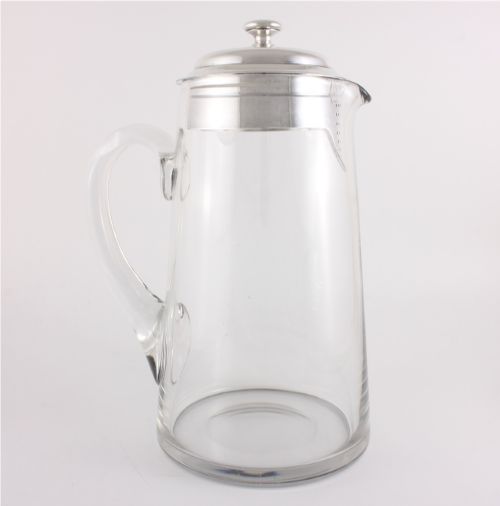
The pieces on this page span Victorian, Edwardian, and Art Deco periods, drawing on English, Irish, Bohemian, and Italian origins. You meet tall pitchers with ice tubes alongside modest cream jugs and handled barware.
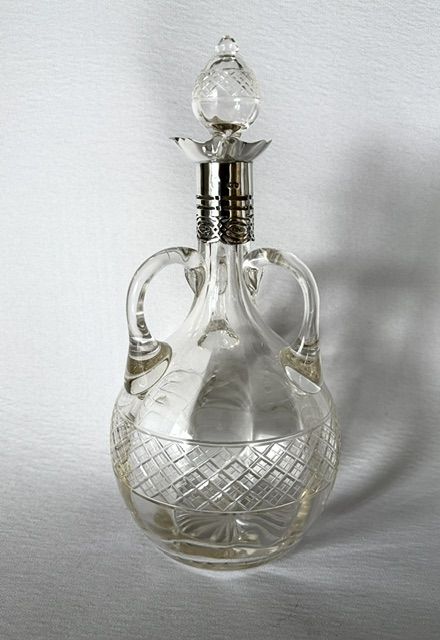
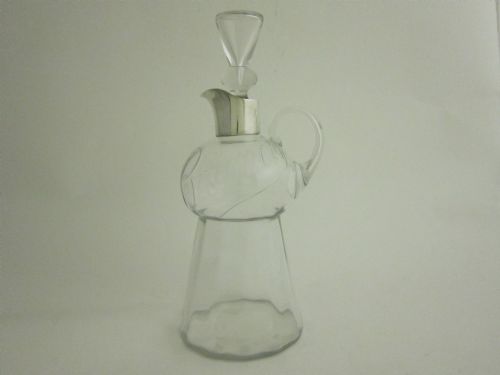
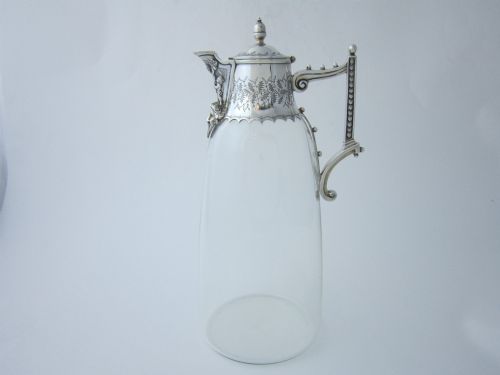
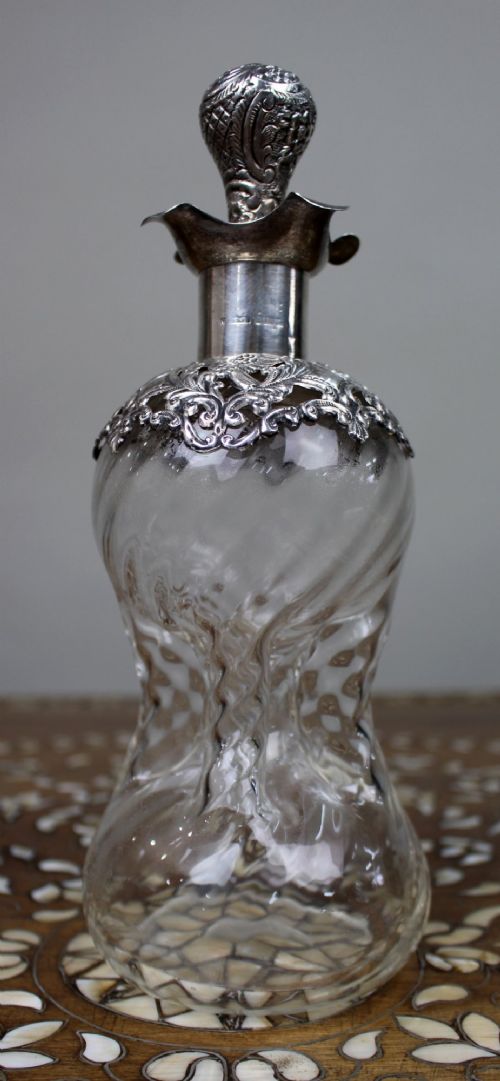
Many examples combine transparent glass bodies with precious metal mounts, pairing sterling silver collars and hinged lids with deeply carved or smooth crystal surfaces.
Materials and construction
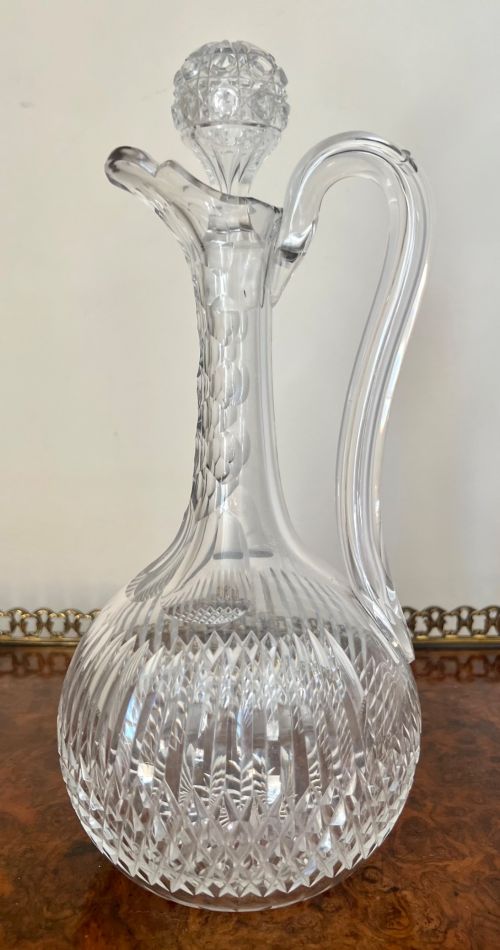
Makers formed these vessels using lead crystal, blown glass, and overshot glass techniques, often employing wheel-cutting to create deep prismatic facets, flutes, and intaglio engravings. Artisans shaped handles separately and applied them to the main body while the glass remained hot.
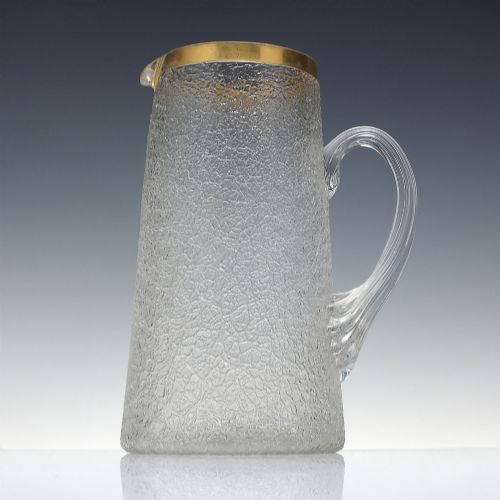
Mounts and hardware utilise sterling silver or silver plate, secured around the neck with collars and hinged lids that frequently incorporate thumbpieces. Some vessels feature added decoration such as gilded rims, blue enamel work, or integrated ice tubes.
The listings span Victorian, Edwardian, and Art Deco periods, incorporating lead crystal, cranberry glass, and sterling silver mounts.
Judging quality in clear glassware
Weight and clarity distinguish the handle of a superior vessel, where heavy lead crystal refracts light cleanly without internal clouding or bubbles. The depth and precision of the cutting define the craftsmanship, with crisp pillar and prism facets showing sharp, deliberate edges rather than soft contours.
The integration of metalwork dictates overall execution, as high-grade sterling silver mounts fit snugly to the glass collar with crisp hallmarks and smoothly operating hinges. Engraved ornamentation, whether depicting dolphins or floral motifs, displays controlled hand-work rather than mechanical uniformity.
Stevens & Williams·Mappin & Webb·Webb Corbett·Richardsons
The Antique Clear Jug Glossary
- Claret jug
- A vessel specifically shaped for serving red wine at the dining table. These typically feature a glass body with a silver handle, collar, and hinged spout.
- Whisky noggin
- A small spirit jug or miniature decanter designed for individual service. They generally include a looped handle and a star-cut base.
- Ewer
- A large jug with a wide spout and a curved handle, traditionally used for water or wine. Many Victorian examples display heavy cut glass decoration.
- Lead crystal
- Glass containing metallic oxide that increases weight, brilliance, and refractive index. This material permits deep, sharp cutting without chipping.
- Overshot glass
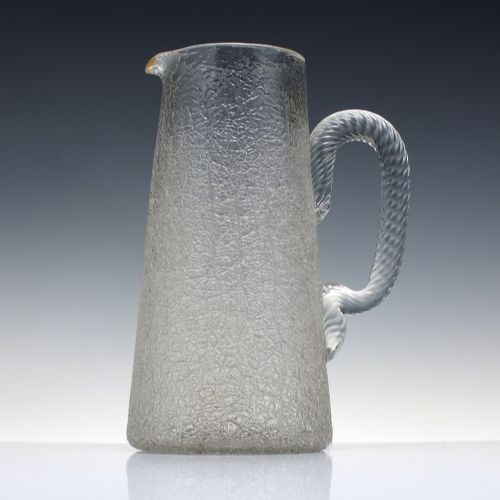
- A technique where fine glass threads are trailed across the surface of a blown vessel. This creates a textured exterior finish resembling ice.
Antique Clear Jug: Frequently Asked Questions
What is a whisky noggin?
A whisky noggin is a small, single-serving jug designed for spirits during the Victorian and Edwardian periods. They usually feature a sturdy handle, a pouring lip, and a flat star-cut base.
Many examples include a matching silver-topped stopper and a silver label identifying the contents.
How do I date a silver-mounted jug?
Check the silver collar or mount for British hallmarks, which typically include a date letter, a lion passant for sterling standard, and a maker's mark. These assay stamps provide the exact year the metal mount was tested and registered.
Compare the glass cutting style and handle form with the hallmarked date to confirm the piece remains in its original configuration.
Were these jugs used for water or wine?
Usage depends on the specific form, as tall pitchers with ice tubes served lemonade and water, while narrower vessels with spouts accommodated claret or whisky. Heavier cut glass ewers frequently appeared on dining tables for water during multi-course meals.
Many pieces listed as decanters or claret jugs feature narrow necks suited to preserving wine aromas before pouring.