
Antique Classical Candlesticks
These antique classical candlesticks bring formal symmetry and enduring metalwork from the nineteenth and early twentieth centuries into modern rooms.
Antique Classical Candlesticks
Antique classical candlesticks follow historical design idioms originating in ancient Greece and Rome, translated through Regency, Victorian, and Edwardian revivals. When searching for antique classical candlesticks, buyers encounter matched pairs executed in sturdy metals and refined stone.
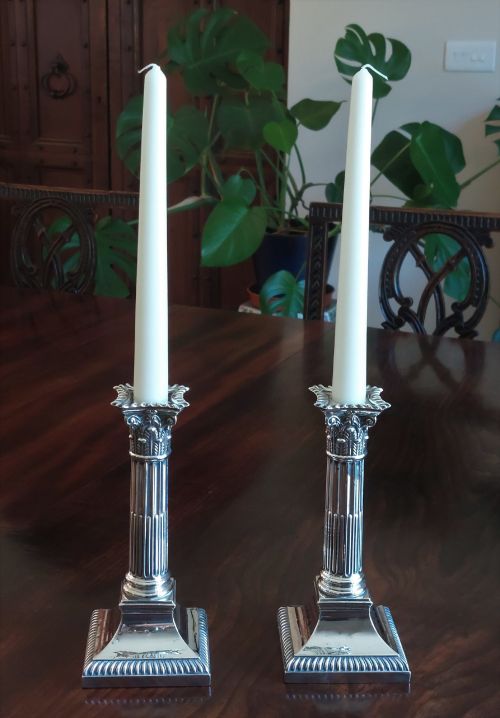
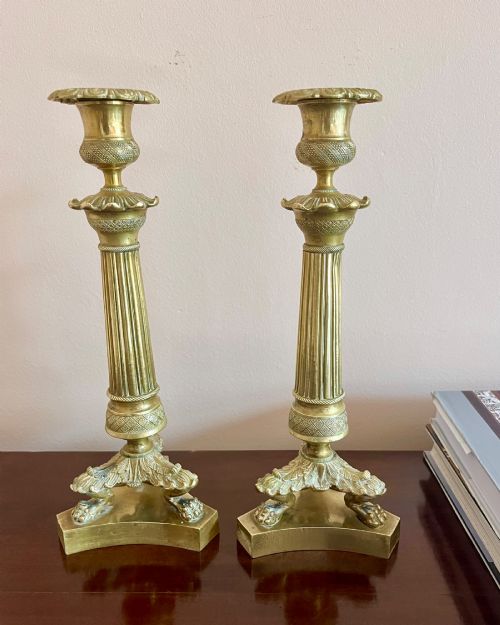
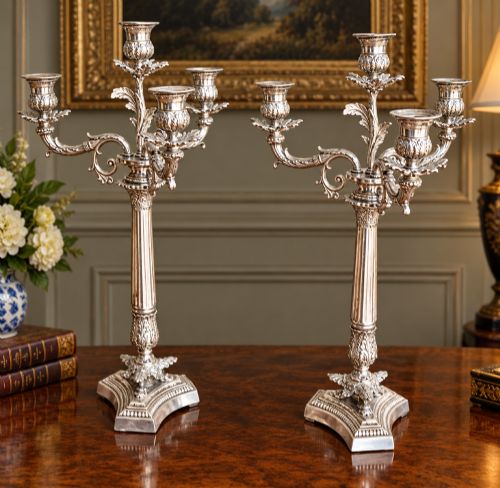
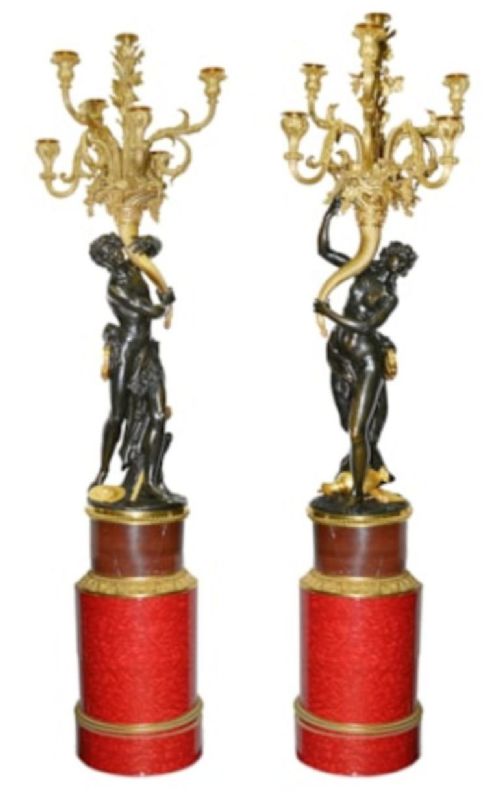
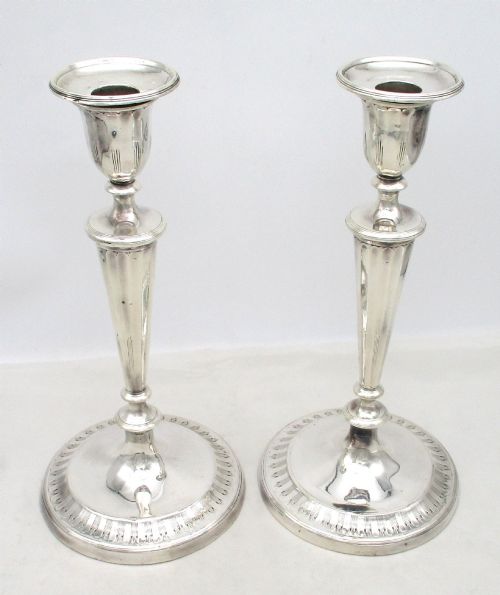
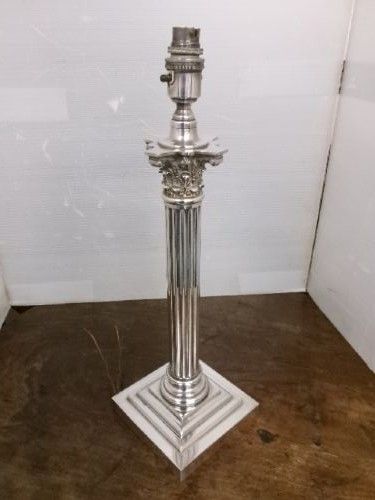
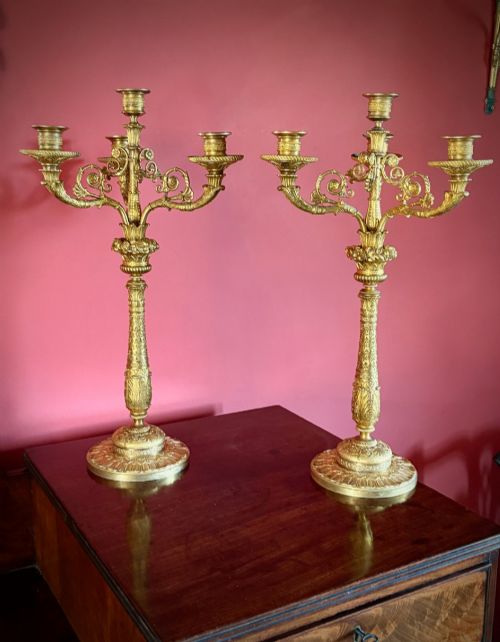
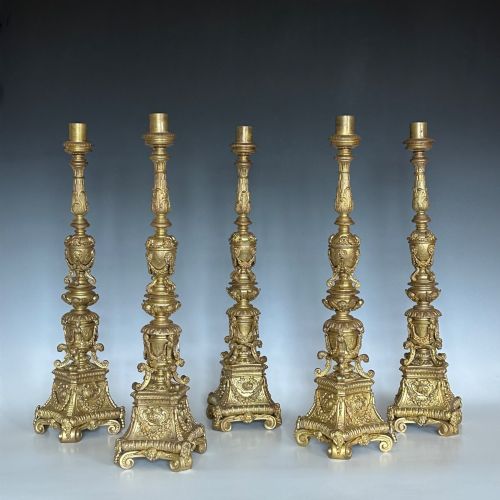
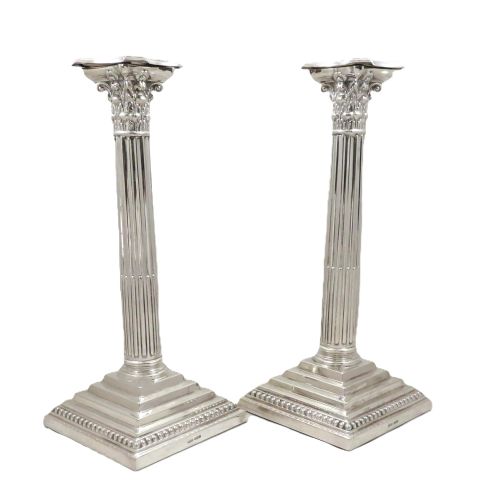
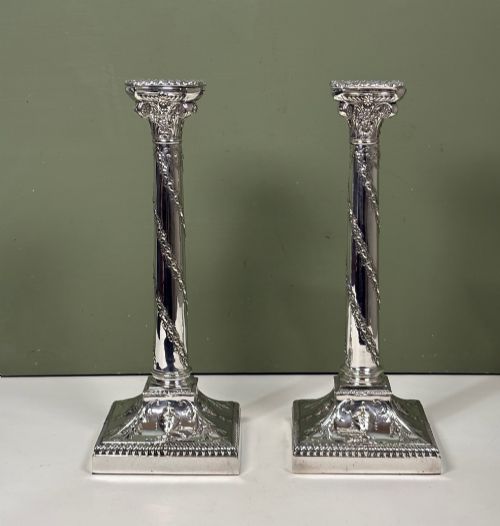
The most common forms on this page include tall Corinthian columns, multi-light candelabra, and figural supports cast in brass, bronze, and silver plate. These lighting accessories range from compact domestic desk pieces to large floor and table specimens designed for formal dining rooms.
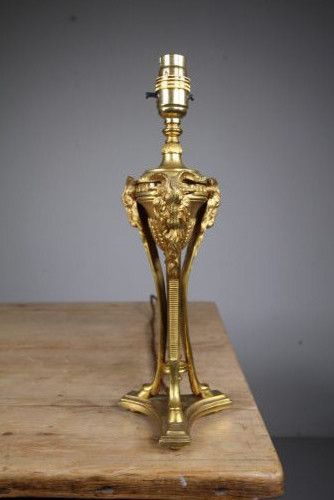
Originating largely from British and French workshops, these pieces incorporate architectural details such as fluted shafts, rams' heads, and marble plinths. Many survive today in pairs, having transitioned through various domestic interiors over the decades.
How They Were Made
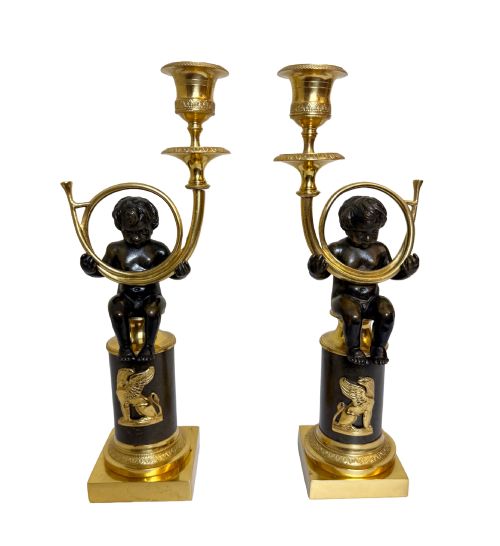
Foundry workers utilised sand casting and lost-wax methods to form heavy components in gilt bronze, ormolu, and brass. Complex items combined separate cast sections screwed or pegged together into a unified structure.
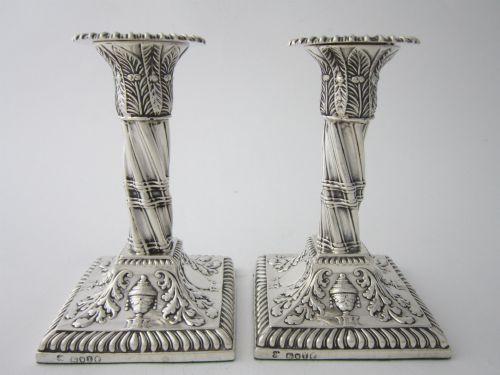
Silversmiths applied thin layers of silver onto base metals through early plating techniques or shaped solid sterling silver sheets over weighted cores. Surface decoration involved chiselling, gilding, and burnishing to create contrasts between matte and bright metal.
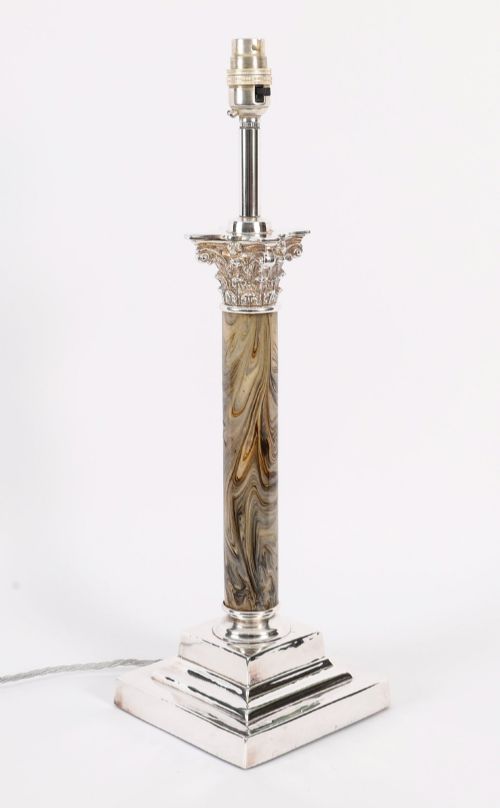
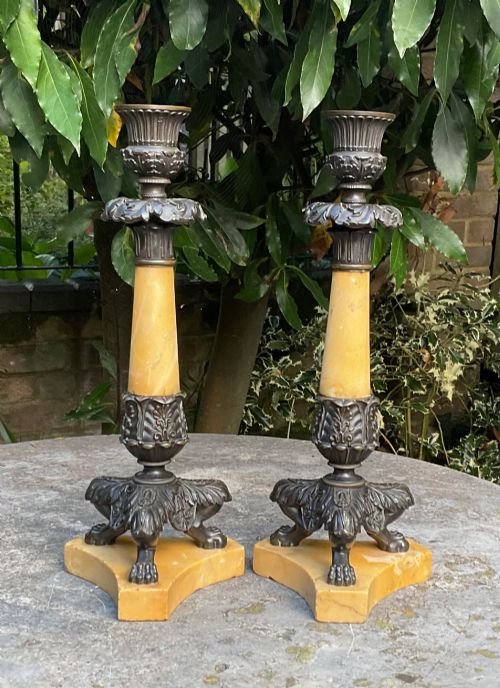
Natural materials like white and coloured marble formed sturdy bases, often turned on lathes and mounted with cast metal collars and drip pans.
Neoclassical and French Empire styles dominate the design vocabulary of these pieces.
What Varies in Quality
Superior items display crisp, deeply chased surface details where acanthus leaves, fluting, and figural elements remain sharp and well-defined. Lesser examples show softened casting lines and shallow stamping from mass-production runs.
The weight and stability of the base indicate the standard of construction, with high-grade pieces utilising dense marble plinths and thick-gauge metals that resist bending. Poorer specimens rely on hollow lightweight stampings filled with weighted composition materials.
Original surface finishes, such as fire gilding or untouched patinated bronze, elevate the integrity of a piece. Re-plating or heavy over-cleaning diminishes the historical texture of the metal.
Garrard & Co·Hawksworth Eyre·Walker & Hall·Barker Bros Ltd
The Antique Classical Candlesticks Glossary
- Ormolu
- A finely ground gold powder applied to a bronze base using a mercury amalgamation technique, common in French neoclassical pieces. This durable finish yields a warm, soft lustre distinct from modern electroplating.
- Corinthian Column
- An architectural order featuring an ornate capital decorated with acanthus leaves, frequently utilised for the shafts of formal candlesticks. It provides a vertical sense of proportion rooted in classical antiquity.
- Candelabra
- A branched lighting fixture holding multiple candles upon a central stem. These multi-light forms often feature detachable arms for versatile display.
- Silver Plate
- A thin layer of silver fused or electroplated onto a base metal such as copper or nickel brass. It offered an accessible alternative to solid sterling silver during the nineteenth century.
Antique Classical Candlesticks: Frequently Asked Questions
How do I clean antique metal?
Dust gently with a soft microfibre cloth to remove surface particles without disturbing the underlying patina. Avoid abrasive commercial metal polishes that strip original finishes.
For silver-plated or sterling items, use a specialised non-abrasive cream applied sparingly. Rinse and dry thoroughly to prevent residue buildup in recessed ornamental details.
Can these be wired for electricity?
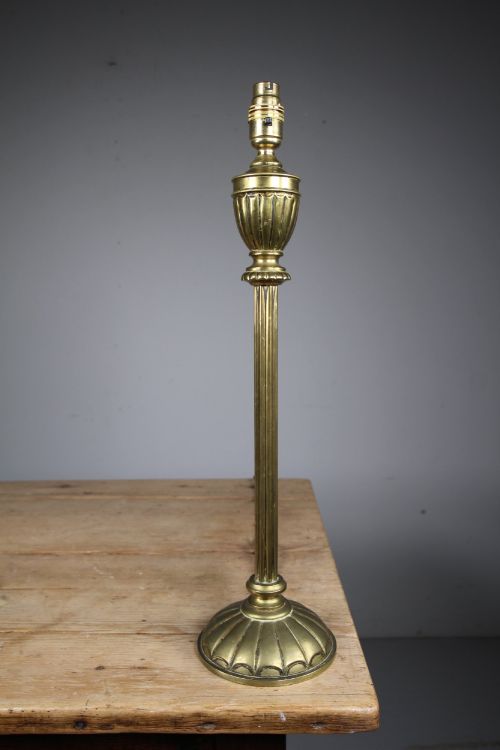
Many examples are found safely converted to table lamps using brass-threaded riser tubes placed through the central axis. Professional rewiring ensures modern electrical safety standards are met.
Original proportions can be maintained by selecting slender internal wiring kits that avoid drilling through structural cast metal.
How are periods identified?
Stylistic markers such as Regency bronze mounts or Edwardian neoclassical silver plating help determine the manufacturing era. Hallmarks on silver items provide exact assay office dates.
Construction methods, including hand-cut threads and the composition of core weights, further narrow down the decade of production.
Where were they used?
These decorative accessories occupied sideboards, mantelpieces, and dining tables in grand homes to provide ambient illumination. They served both functional lighting needs and aesthetic display purposes.
In pairs, they created balanced focal points on architectural furniture within formal drawing rooms.