



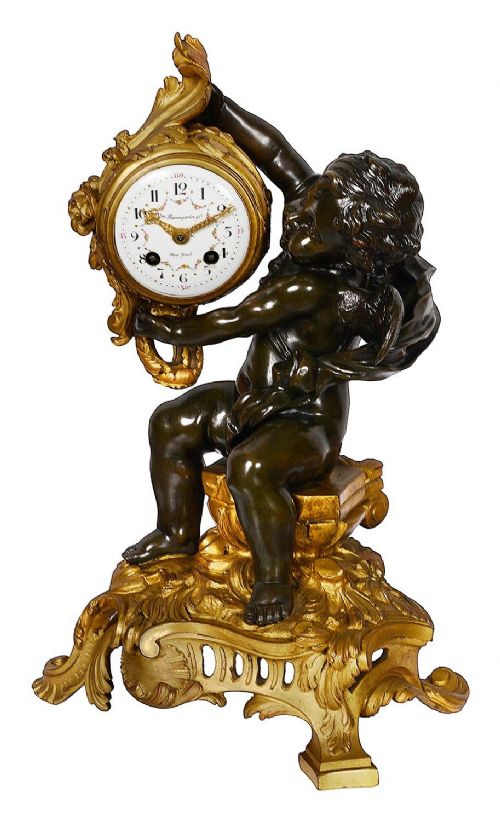
Antique Classical Bronze Putto
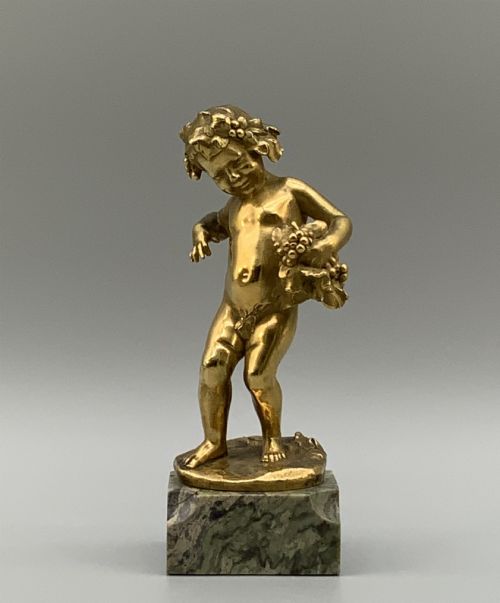
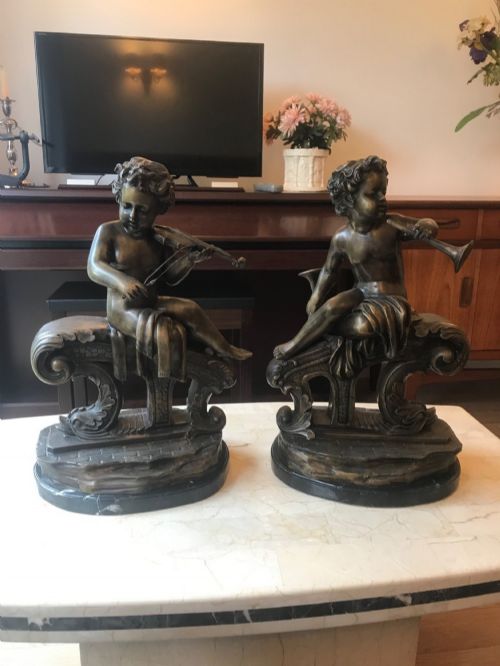
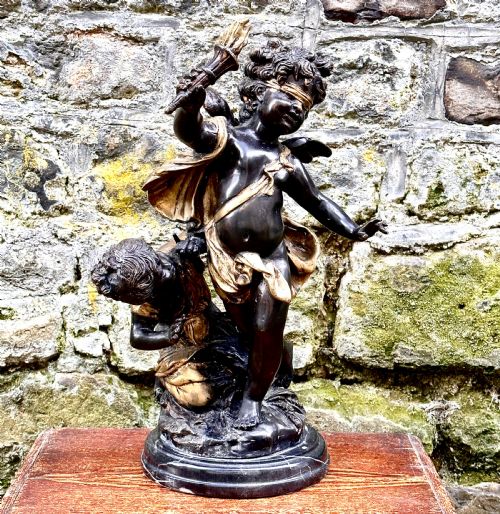
An antique classical bronze putto captures the playful, winged child figure favoured across centuries of European decorative sculpture.
Antique Classical Bronze Putto
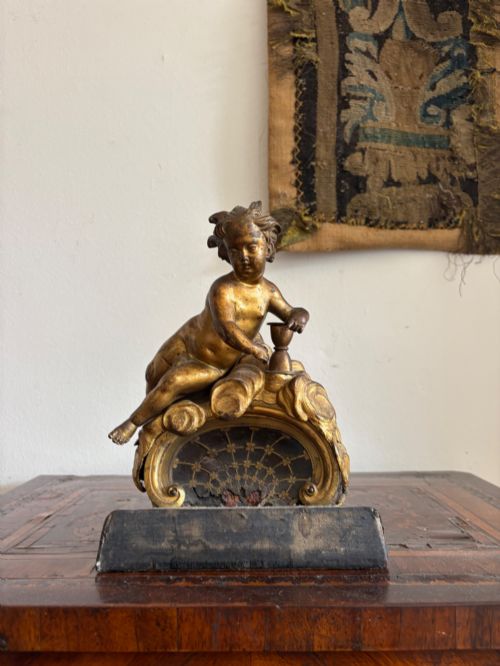
An antique classical bronze putto takes the form of a winged infant or child figure, appearing in various domestic objects and standalone sculptures. These pieces emerge predominantly from nineteenth-century French and Italian workshops, channelling neoclassical and revival aesthetics.
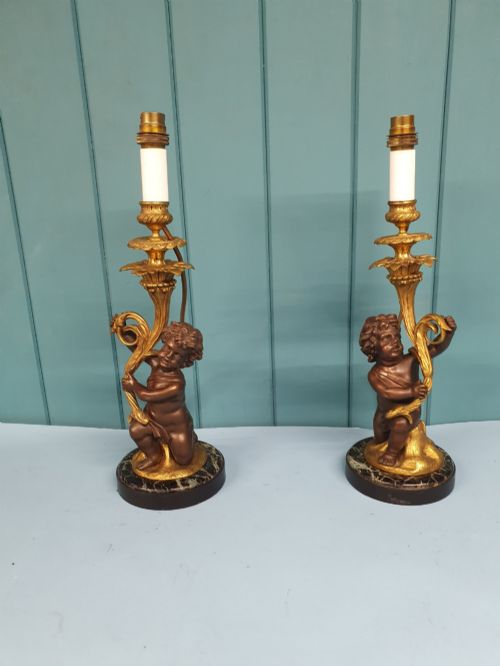
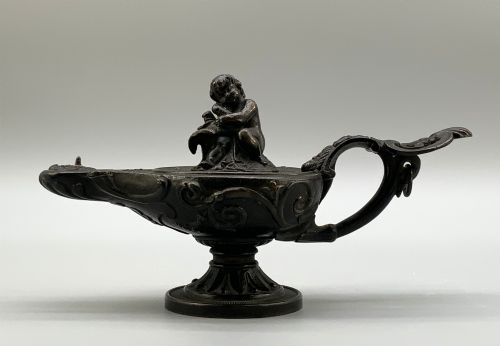
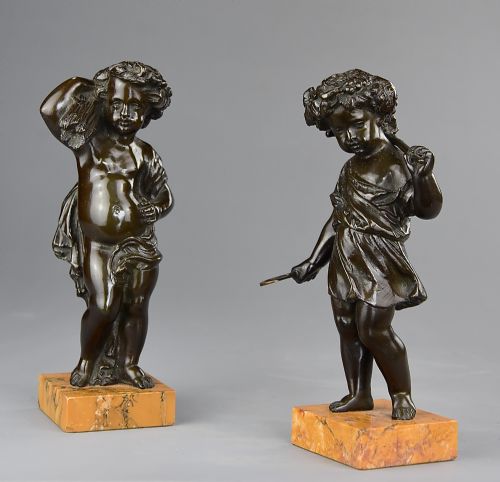
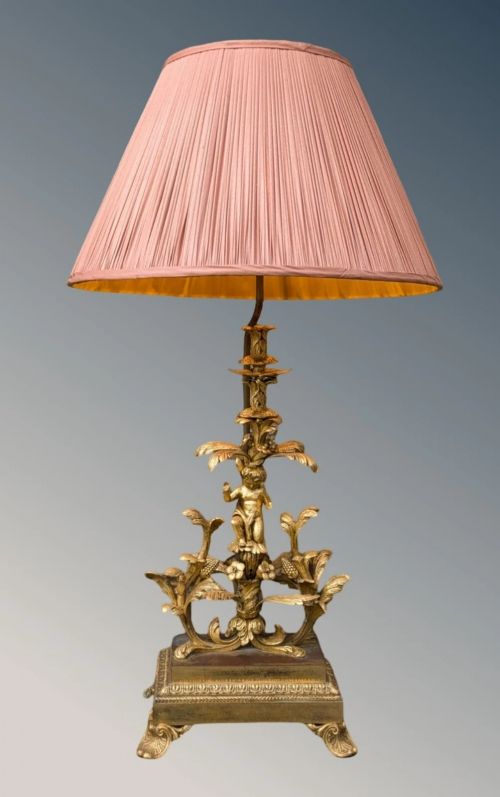
Buyers encounter these figures incorporated into functional items such as mantel clocks, table lamps, candlesticks, and wall sconces, alongside independent statuettes. The forms draw heavily on mythological themes, depicting putti as musicians, hunters, or companions to animals.
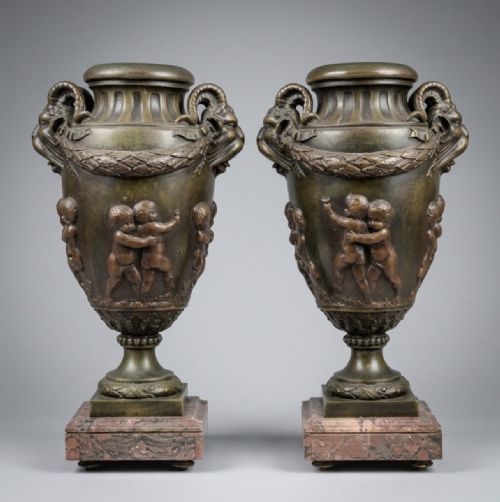
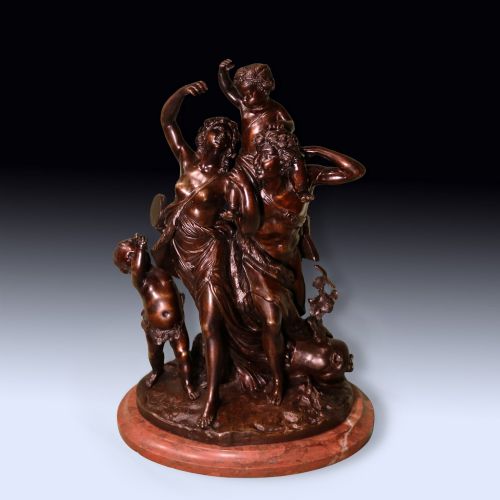
The material execution ranges from heavy cast bronze to gilt bronze, ormolu, and patinated surfaces, frequently mounted on marble bases. Such works reflect the enduring nineteenth-century fascination with Grand Tour souvenirs and classical antiquity.
How they were made
Foundries utilised traditional metal-casting techniques to shape the bronze, often employing the lost-wax method for intricate figural details. Artisans then refined the raw castings through chasing and filing to sharpen the hair, wings, and facial expressions.
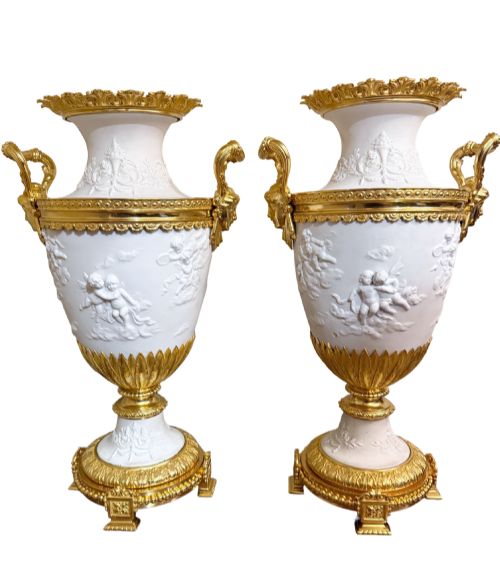
Surface treatments define the visual identity of these objects, combining chemical patination to achieve dark brown or green tones with fire-gilding or ormolu to produce bright golden highlights. Many figures integrate polished marble plinths or bases to anchor the heavier metal compositions.
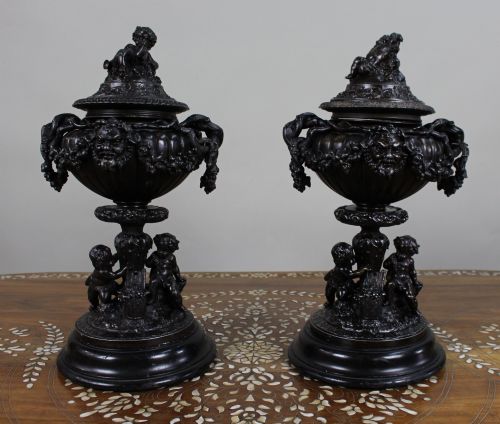
Listings feature nineteenth-century French and Italian works utilising bronze, gilt bronze, marble, and ormolu across sculptural and functional forms.
What varies in quality
The quality of the surface finish and the integration of secondary materials dictate the overall merit of an object. Rich, stable patination, high-grade fire gilding, and the use of dense decorative stones such as marble or malachite distinguish the more ambitious commissions.
Charles Louis Malric·Susse Frères·Claude Michael Clodion·Louis Auguste Moreau
The Antique Classical Bronze Putto Glossary
- Putto
- A plump, often winged infant depicted in classical art. The plural form is putti, frequently appearing in Renaissance and nineteenth-century revival sculpture.
- Ormolu
- Finely ground high-carat gold applied to a bronze base through a mercury amalgamation technique. This process creates a durable golden finish characteristic of French decorative objects.
- Patinated bronze
- Metal treated with chemical solutions to produce a controlled surface colour, typically ranging from deep brown to verdigris. This layer protects the metal while enhancing visual contrast.
- Grand Tour
- A cultural journey undertaken by wealthy young Europeans to view continental antiquities. Travellers often returned with small bronze sculptures and architectural models.
- Campana
- A classical vase shape resembling an inverted bell, popular during the neoclassical period. These vessels frequently feature cast handles and figural friezes.
Antique Classical Bronze Putto: Frequently Asked Questions
What is a putto?
A putto is a representation of a small, winged child, often derived from classical mythology and Renaissance art. In decorative metalwork, these figures frequently symbolise love, music, or the harvest.
Artists utilised them to add a narrative or whimsical element to everyday objects such as clocks, lamps, and candlesticks.
How do I date these bronzes?
Dating relies on examining the casting technique, mounting methods, and the style of the base or associated hardware. Nineteenth-century pieces often feature specific patination styles and fixture types common to French and Italian foundries.
Comparing the signature or foundry mark, where present, against historical registry records provides a more exact period.
Where should I place a bronze putto?
These figures suit display on mantelpieces, desks, or dedicated side tables where their detailed casting can be appreciated up close. Pairing them with complementary period lighting or clocks enhances their decorative impact in a room.
Placing them away from direct heat sources helps preserve the stability of patinated surfaces and marble bases.
How should I clean antique bronze?
Dusting gently with a soft, dry cloth is usually sufficient to maintain the surface without disturbing the original patina or gilding. Avoid using chemical polishes or abrasive cleaners, which can strip away historic finishes.
Professional conservation is recommended if the metal requires deeper cleaning or stabilisation.