

Antique Chinese Silver
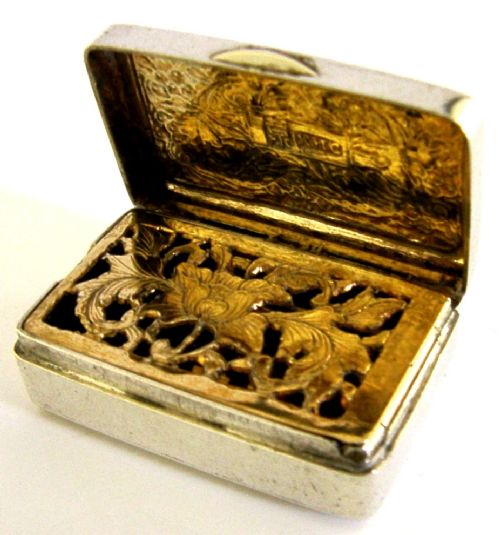
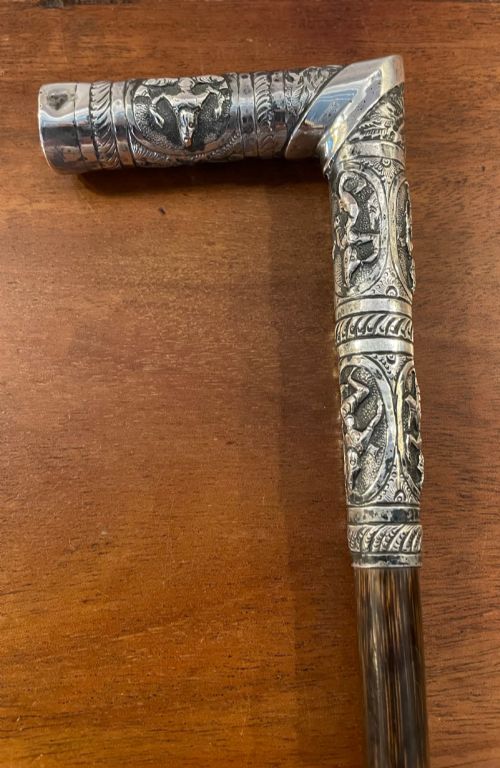
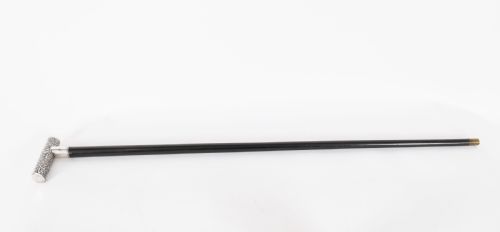
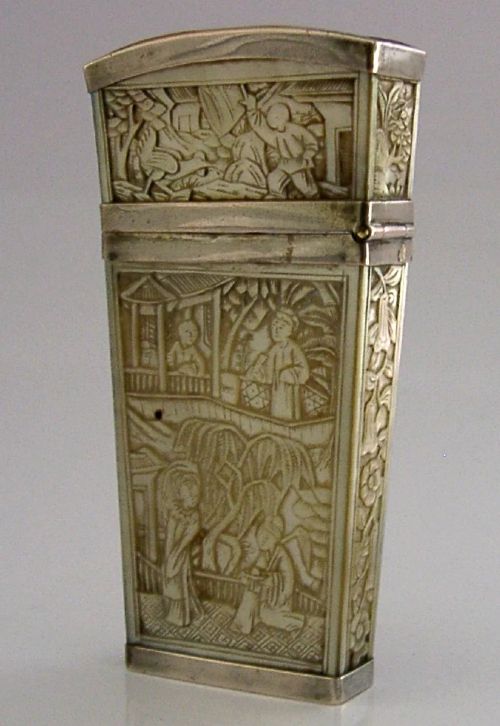
These pieces of antique chinese silver range from delicate boxes to striking walking cane handles, offering intricate craftsmanship for the discerning collector.
Antique Chinese Silver
Collectors seeking antique chinese silver encounter a diverse array of domestic items and decorative objects produced primarily for export markets during the late nineteenth and early twentieth centuries.
Originating predominantly from workshops operating in bustling trading ports, these items blend traditional regional imagery with forms tailored for Western patrons.
How They Were Made
Master silversmiths utilised high-grade sterling silver and white metal alloys, hammering and shaping sheet metal into complex hollowware and flatware forms.
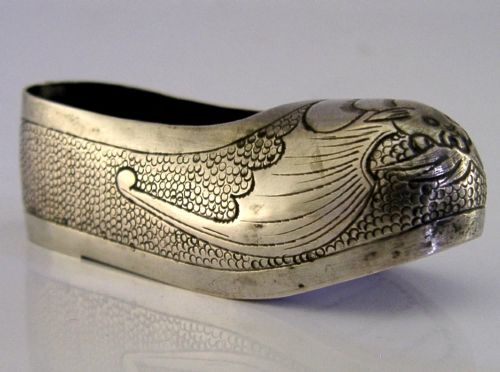
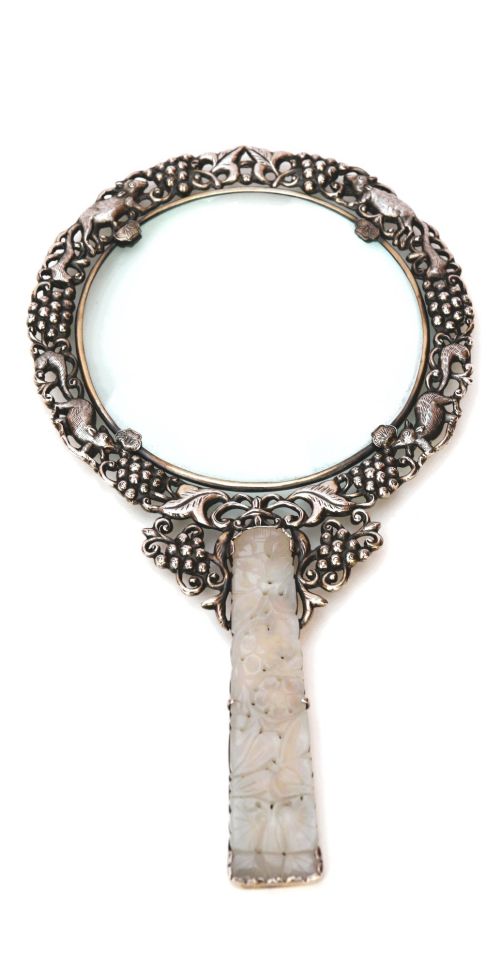
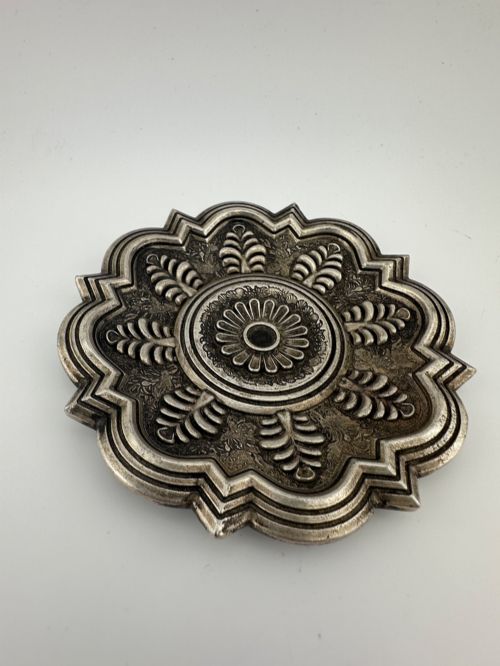
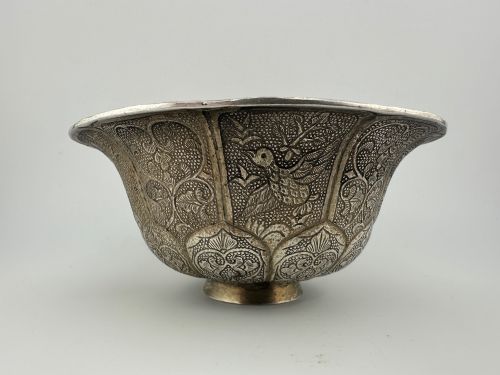
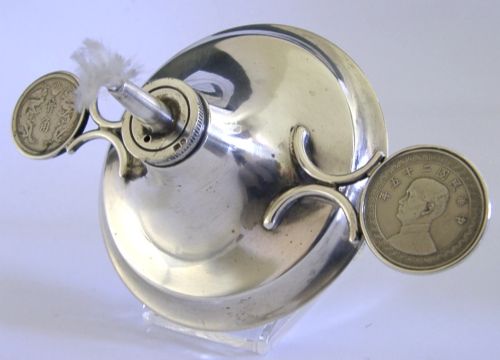
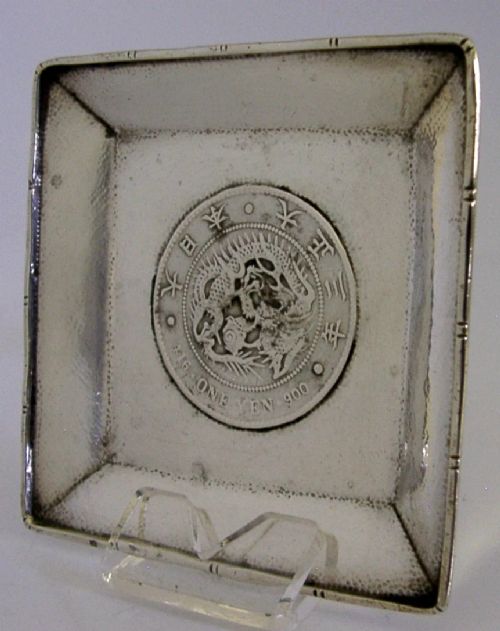
Decoration was achieved through meticulous repousse work, chasing, and filigree, often incorporating elements of enamel or inset jade and coins.
Handles and structural components frequently combined the silver with organic materials such as bamboo, malacca wood, and cherry wood.
Antique Chinese Silver Retail Price Guide 2026
Typical asking prices for chinese silver among the pieces listed under this phrase on Sellingantiques today, from the lower quarter to the upper quarter. They describe what is for sale here now, not the wider market.
Listings feature items from the 18th Century through to the 1930s, utilising silver, jade, enamel, and glass.
What Varies in Quality
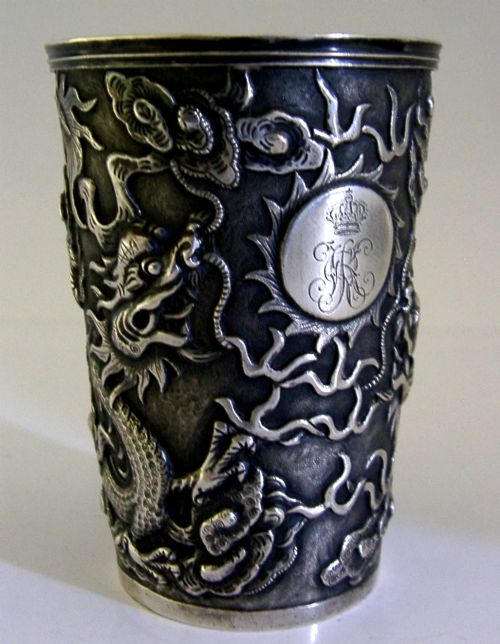
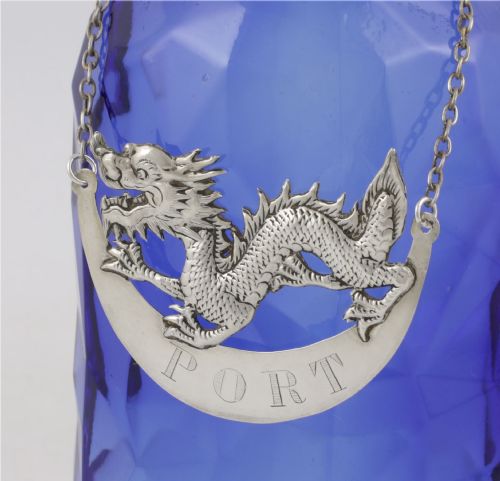
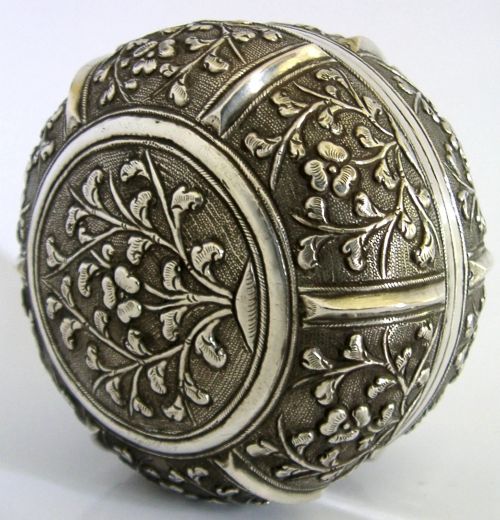
The distinction between standard items and exceptional pieces rests upon the depth and clarity of the repousse relief work, particularly in complex dragon and floral motifs.
Signature marks from prominent workshops command greater attention, reflecting the rigorous standards maintained by master silversmiths.
The integration of secondary materials like carved jade or vitreous enamel dictates the overall refinement of the finished object.
Wang Hing And Company·Lee Yee Hing·Luen Hing·Zee Wo
The Antique Chinese Silver Glossary
- Chinese Export Silver
- Silverware produced in China from the late eighteenth to the mid-twentieth century specifically for foreign markets, often bearing artisan or maker marks.
- Repousse
- A metalworking technique where the metal is hammered from the reverse side to form a raised design in relief on the front.
- White Metal
- An alloy of various non-precious metals used in Asian export wares, often possessing a bright appearance similar to silver.
- Paktong
- A copper-nickel-zinc alloy originating in China, utilised historically for candlesticks and decorative metalware before the widespread adoption of modern plating.
Antique Chinese Silver: Frequently Asked Questions
How do I identify maker marks?
Maker marks on these silver items typically appear as stamped characters or pseudo-hallmarks near the base or rim. Prominent workshops operating in treaty ports often used distinctive artisan stamps.
Translating these stamps or matching them to recorded nineteenth-century workshop ledgers helps establish the specific origin of the piece.
What motifs are most common?
Dragons, prunus blossoms, bamboo, and intricate floral arrangements dominate the surface decoration of these items. These symbols carry deep cultural significance, representing longevity, resilience, and prosperity.
Master silversmiths rendered these naturalistic designs with high-relief repousse work to catch the light and accentuate the texture of the metal.
How should I care for antique silver?
Preserving these objects requires gentle dusting with a soft, dry cloth and avoiding harsh chemical dips that strip the aged patina. Items featuring enamel or inset jade demand particular caution during cleaning.
Displaying pieces away from direct sunlight and excessive humidity protects vulnerable organic components like bamboo or cherry wood handles.