


Antique Chinese Porcelain Pair
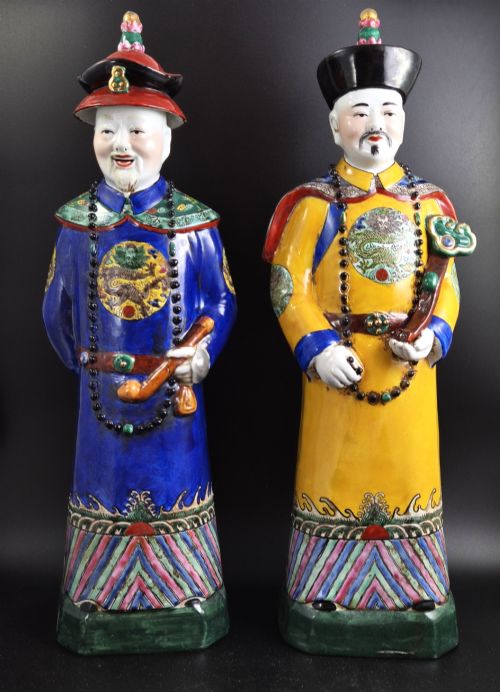
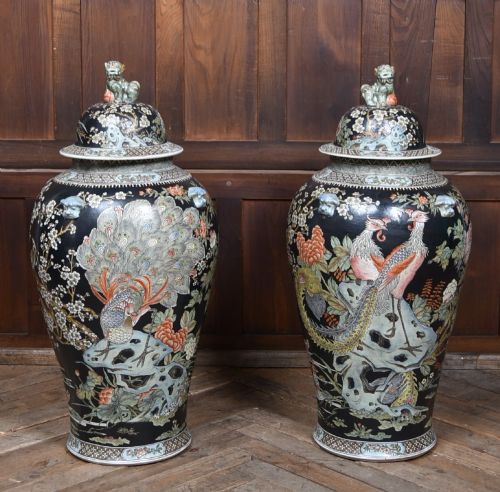
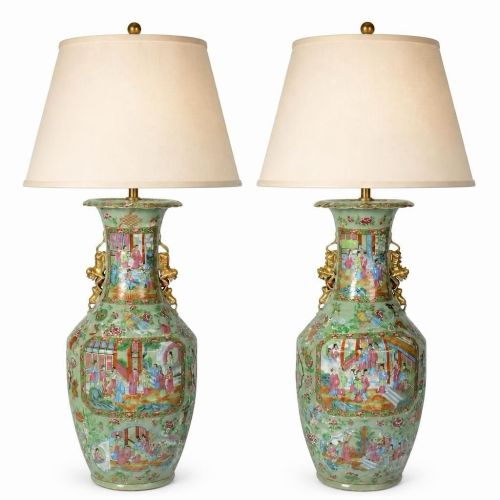
When searching for an antique chinese porcelain pair, collectors encounter matched sets of vessels, figures, and lamps shaped by centuries of imperial and export traditions.
Antique Chinese Porcelain Pair
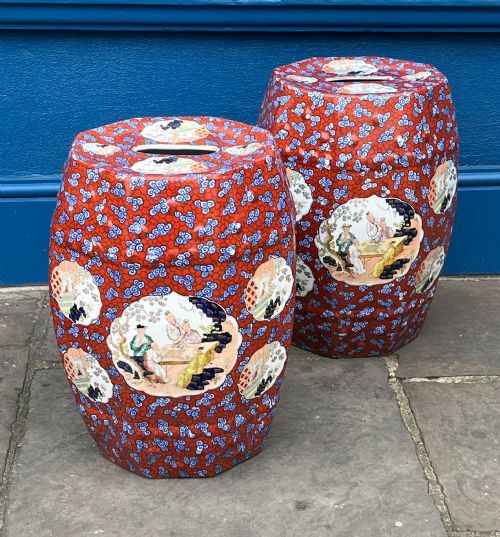
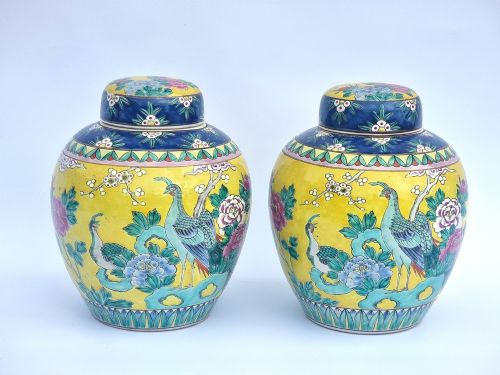
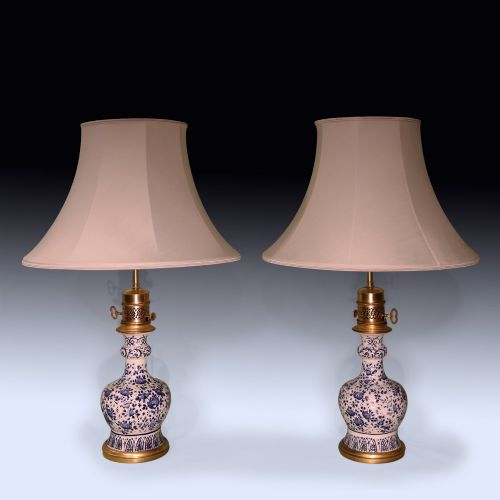
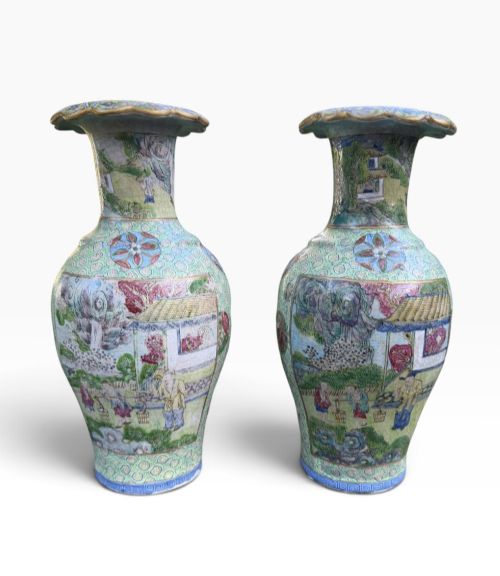
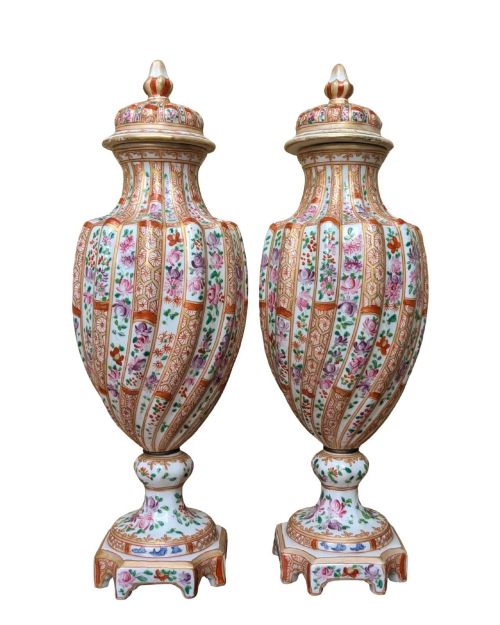
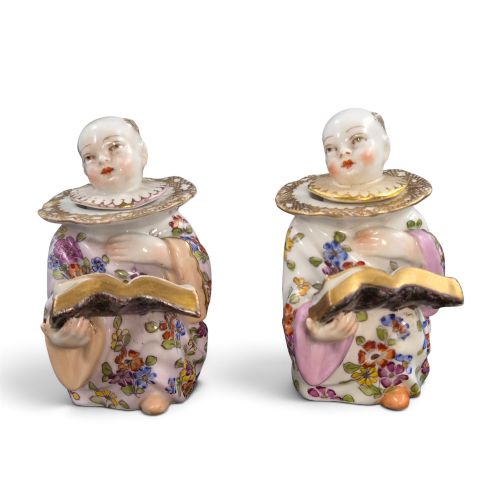
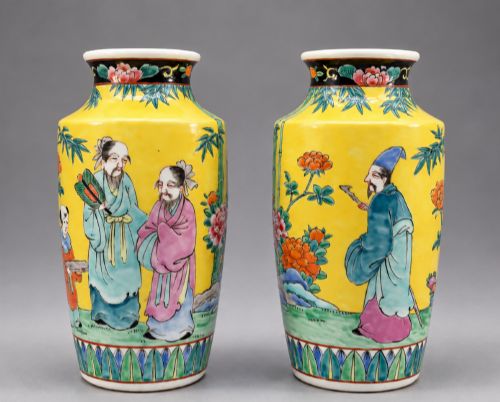
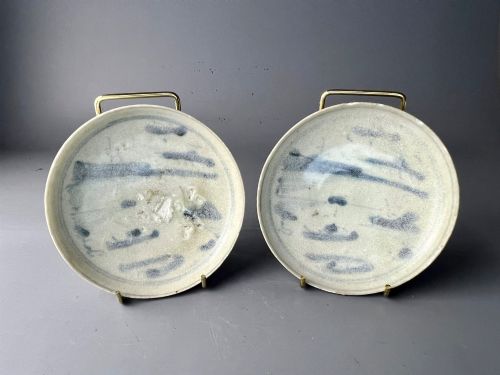
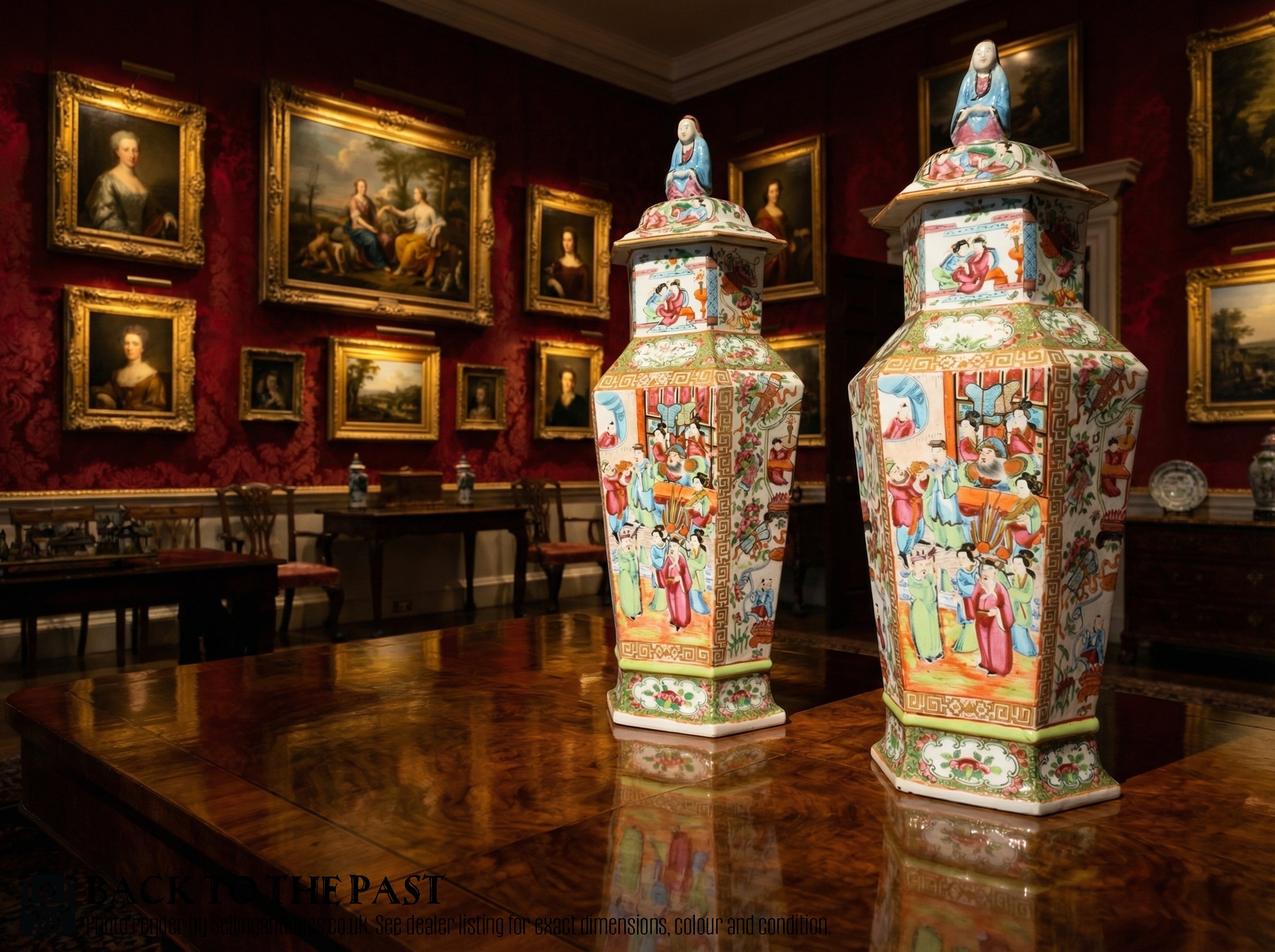
An antique chinese porcelain pair comprises matched dual items intended for symmetrical placement, spanning utilitarian vessels, temple jars, and decorative figures. The selection includes blue and white vases, famille rose dishes, and ginger jars alongside converted table lamps.
Most examples originate from the nineteenth century and the Qing Dynasty, though eighteenth-century platters and early twentieth-century republican pieces appear regularly. Buyers frequently meet Canton, Kangxi style, and rose medallion designs configured as balanced sets.
These dual items served functional roles in scholarly retreats and domestic interiors, functioning as mantle ornaments, lamp bases, or ceremonial containers. Their survival as complete pairs reflects careful preservation across generations of collectors.
How they were made
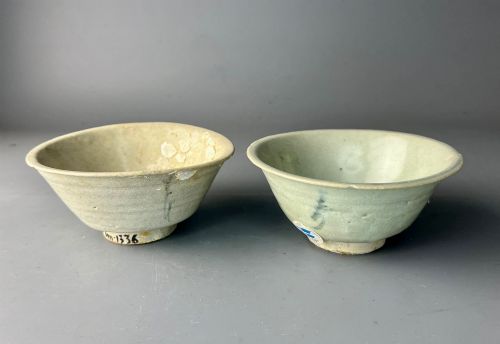
Potters shaped these objects from refined clay bodies, applying mineral-rich glazes such as celadon, tea dust, and cracked glaze before high-temperature firing. Cobalt blue underglaze and hand-applied enamel colours including iron-red defined the decorative surfaces.
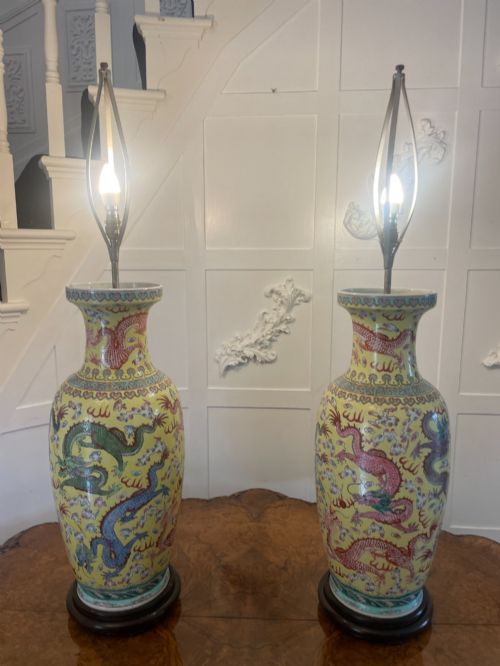
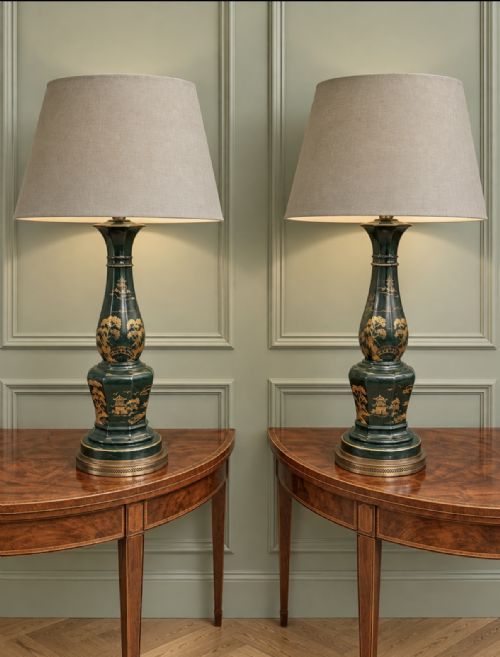
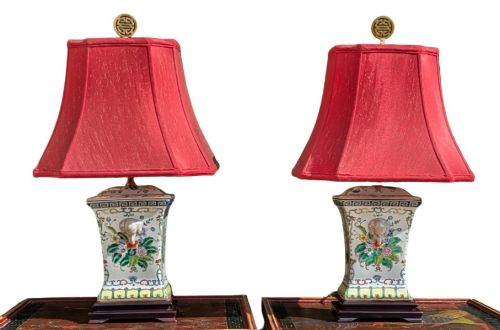
Many nineteenth-century export pieces received secondary brass, ormolu, or wooden mounts, while others were later adapted into table lamps with fabric shades. Artisans utilised intricate hand-painting techniques to render figures, dragons, and floral motifs across both halves of each set.
Antique Chinese Porcelain Pair Retail Price Guide 2026
Typical asking prices for chinese porcelain pair among the pieces listed under this phrase on Sellingantiques today, from the lower quarter to the upper quarter. They describe what is for sale here now, not the wider market.
Listings feature porcelain, enamel, brass, and wood across Qing Dynasty and twentieth-century forms.
What varies in quality
The precision of the hand-painted detail distinguishes masterwork pairs from standard export wares, particularly in the rendering of facial expressions on figural subjects and scales on dragons. Consistency between the two individual pieces determines whether a set reads as a unified artistic vision.
The clarity and depth of the enamel palette, alongside the purity of the white porcelain ground, indicate the standard of the kiln work. Preservation of original gilding and the absence of firing distortions elevate the standing of any matched duo.
Edmé Samson
The Antique Chinese Porcelain Pair Glossary
- Famille Rose
- A polychrome porcelain enamel palette introduced in the eighteenth century, dominated by opaque pink and rose hues. It allowed for delicate shading of floral and figural scenes.
- Canton Porcelain
- Ware decorated in the southern Chinese port city of Canton primarily for the Western export market. These pieces typically feature dense panels of figures, birds, and flowers.
- Kangxi Style
- Decoration associated with the reign of the Kangxi Emperor, known for vibrant blue and white painting. Collectors use this term to describe later pieces referencing these classic seventeenth-century aesthetics.
- Rose Medallion
- A specific nineteenth-century export pattern divided into alternating segments of figures and birds or flowers. Each panel is rendered in rich enamels and gold gilt.
- Tea Dust Glaze
- An olive-green mottled ceramic surface texture resembling fine metallic dust. It was achieved through iron-rich crystalline glazes fired in reducing atmospheres.
Antique Chinese Porcelain Pair: Frequently Asked Questions
How do I display a pair safely?
Place them symmetrically on stable surfaces away from direct sunlight and heavy foot traffic. Ensure wooden bases or mounts rest evenly to prevent tipping.
For lamp conversions, check that wiring meets modern safety standards before continuous use in living spaces.
Were these always made as pairs?
Potters frequently threw and fired vessels in matched batches to satisfy European and domestic demand for symmetrical interior decoration. Companion pieces were intended to flank mantles, altars, or central furniture.
Some pairings developed later when collectors united similar single surviving items of identical size and palette.
How can I tell periods apart?
Examine the base markings, potting thickness, and enamel characteristics to gauge the era of manufacture. Eighteenth-century pieces often display finer potting and softer underglaze tones.
Late nineteenth-century and republican items tend to feature brighter, denser enamels and heavier porcelain bodies.
Can converted lamp pairs be restored?
Many nineteenth-century vases were drilled or fitted with brass mounts to serve as lighting. Professional conservators can remove or service electrical components without harming the ceramic body.
Retaining original ormolu mounts adds historical context to the lighting conversion.