




Antique Chinese Planter
An antique Chinese planter brings centuries of craftsmanship into a room, holding greenery or standing alone as a sculptural vessel.
Antique Chinese Planter
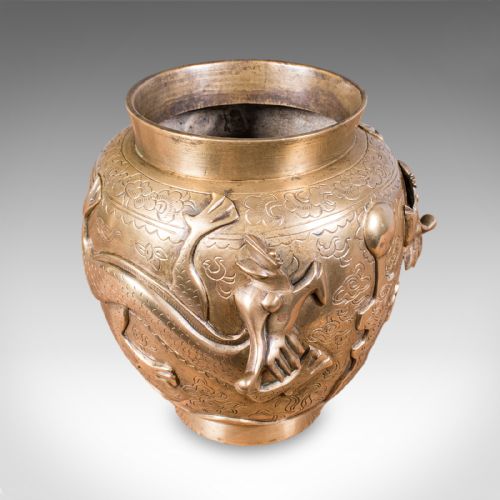
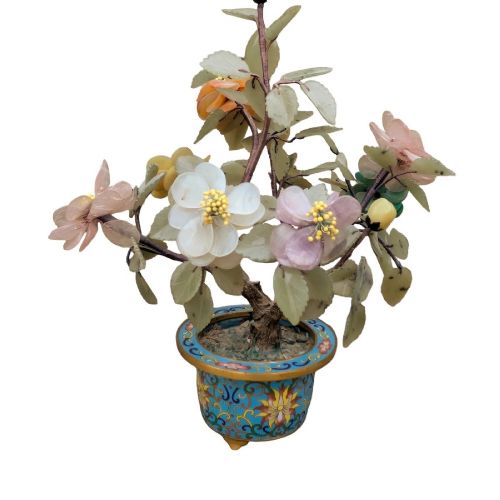
An antique Chinese planter encompasses a variety of vessels designed to display plants, trees, and flowers inside the home or courtyard. The selections available typically take the form of heavy jardinières, cachepots, and fish bowls made for botanical display.
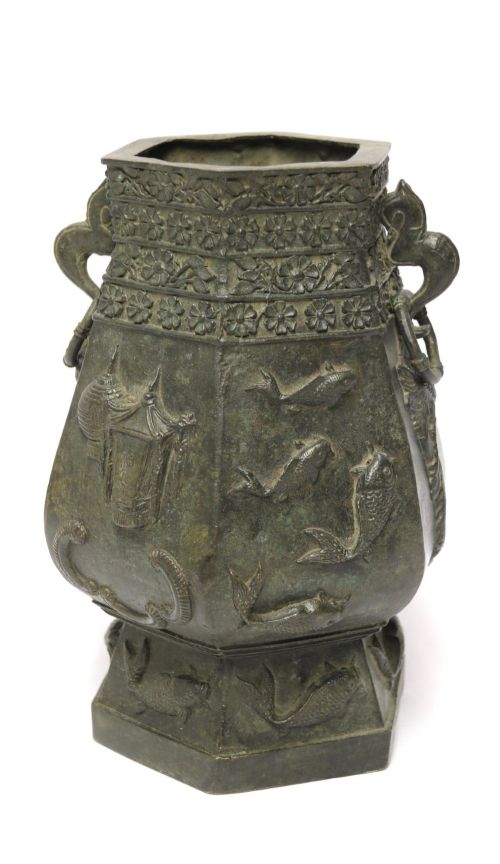
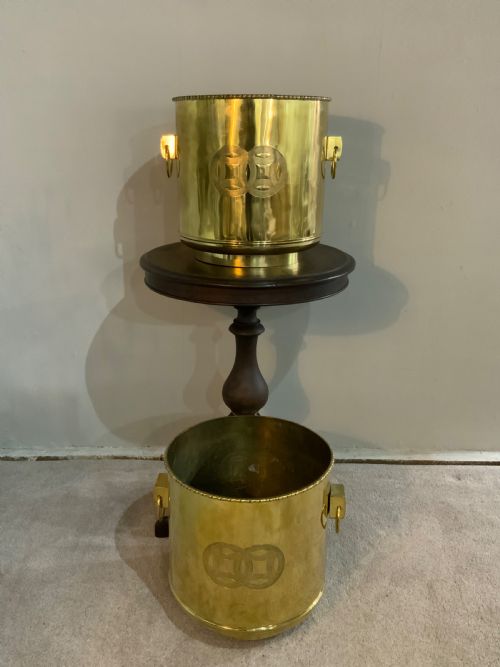
The objects frequently appear in bronze, brass, and porcelain, alongside carved hardwood stands that elevate the vessels. These pieces date across the nineteenth and early twentieth centuries, reflecting Qing Dynasty aesthetics and later export styles.
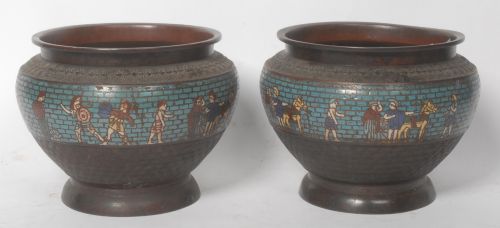
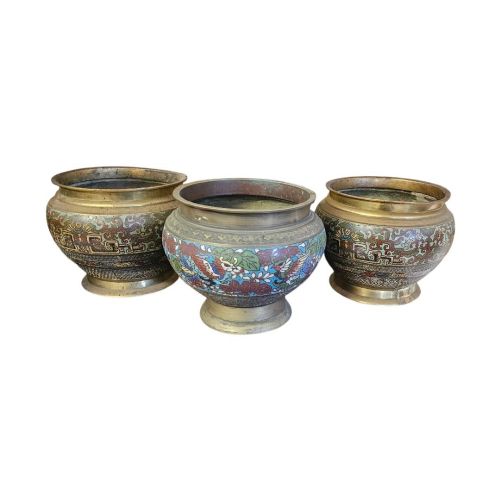
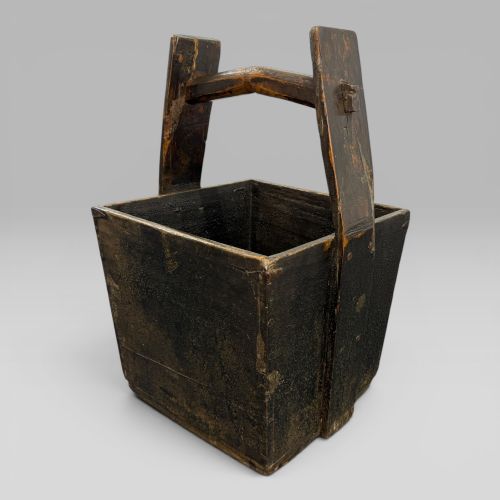
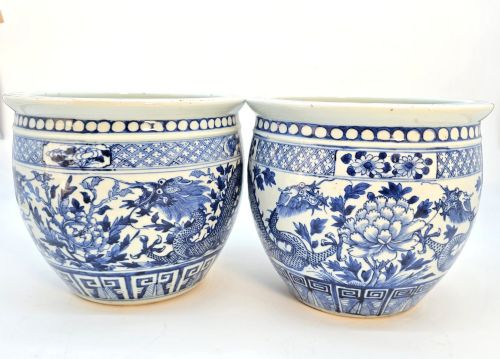
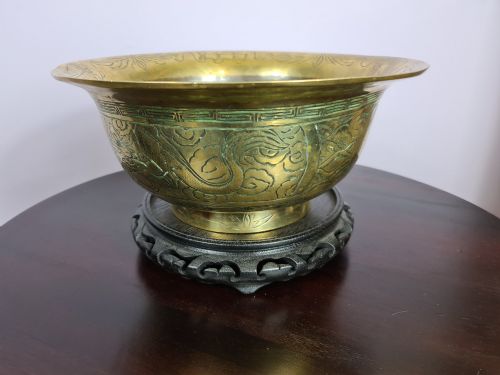
Buyers encounter substantial bronze champlevé enamel bowls, blue and white porcelain fish bowls, and elm harvest vessels adapted for modern interiors. Matching stands often accompany the ceramic and metal planters to create a unified display.
How they were made
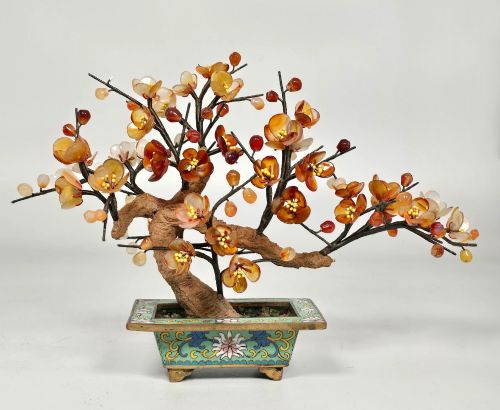
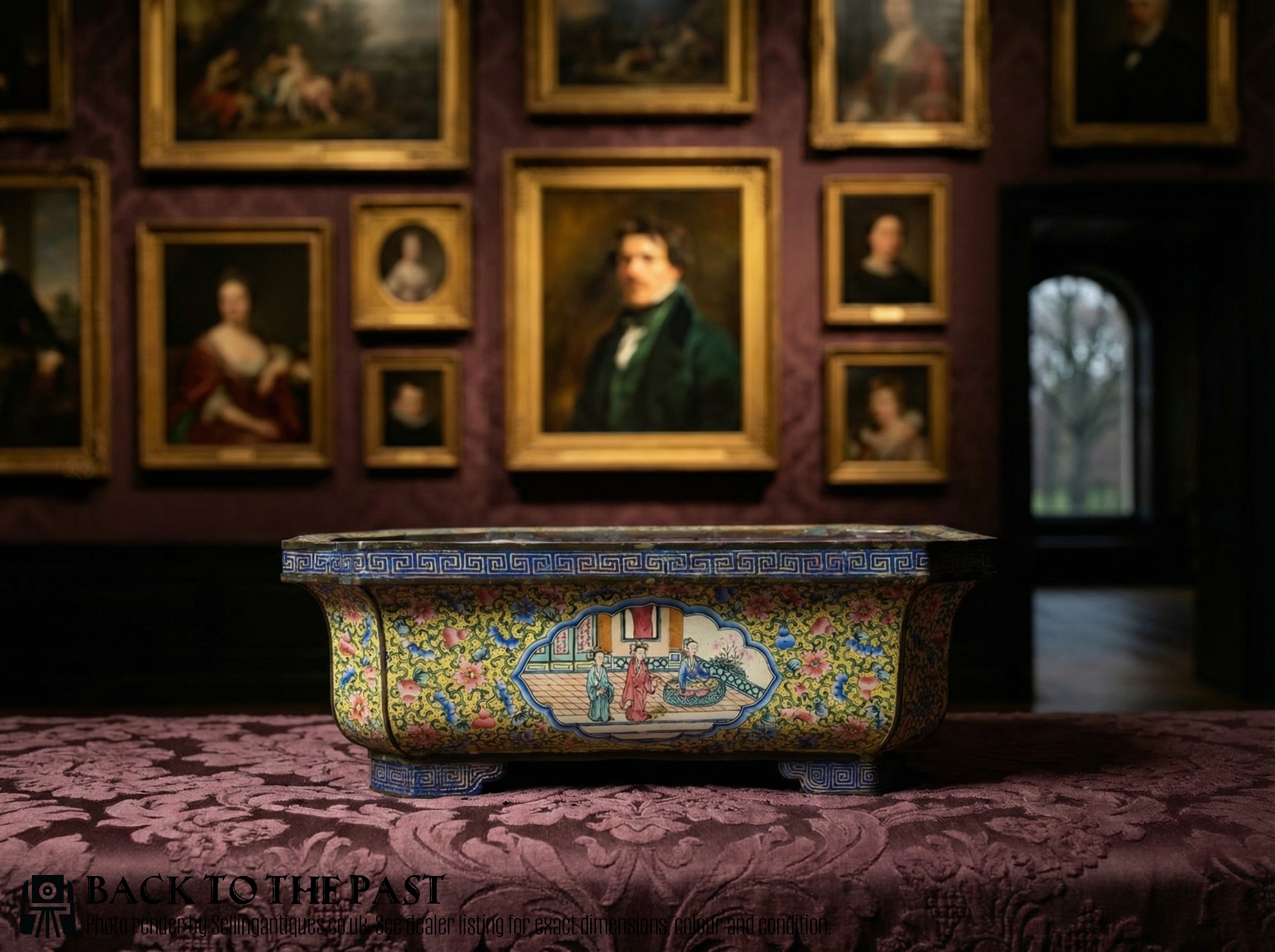
Metals form a major category, with artisans casting bronze, brass, and iron into vessels, often enriching the surface through champlevé and cloisonné enamel work. These metal containers involve detailed hand-finishing, sometimes incorporating applied script or Greco-Roman motifs for the export market.
Ceramic pieces rely on porcelain and glazed earthenware, decorated in blue and white or polychrome Famille Rose and Famille Verte palettes. Potters shape large fish bowls and jardinières, then fire them at high temperatures to achieve durable, vitrified bodies suitable for holding water and soil.
Woodworking complements the metal and ceramic containers through carved hardwood stands and tables. Craftsmen join dense timbers like elm and mahogany to build sturdy pedestals, mortar bases, and multi-tiered plant tables designed to support heavy vessels.
Antique Chinese Planter Retail Price Guide 2026
Typical asking prices for chinese planter among the pieces listed under this phrase on Sellingantiques today, from the lower quarter to the upper quarter. They describe what is for sale here now, not the wider market.
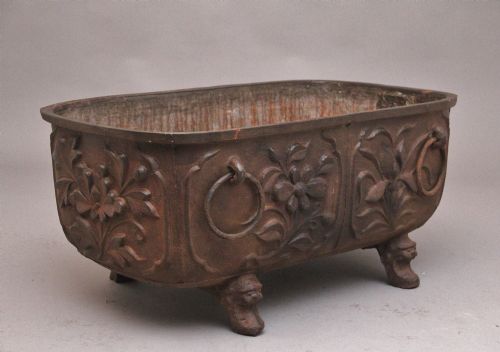
A heavy iron temple bath finds new life as a garden centrepiece, proving ancient vessels adapt easily to modern greenery.
What varies in quality
Quality rests upon the crispness of the casting in metal vessels and the clarity of the pigment in porcelain pieces. Superior bronze bowls display deep, clean champlevé work with intact enamel cells, whereas lesser examples show uneven surfaces and blurred cloisonné wires.
The integration of the vessel with its support structure marks another distinction in craftsmanship. Finely carved hardwood stands utilise precise joinery and detailed relief carving that match the dignity of the porcelain or bronze bowl resting above.
The Antique Chinese Planter Glossary
- Jardiniere
- An ornamental pot or stand for holding plants or flowers. These large vessels sit directly on the floor or upon dedicated wooden pedestals.
- Cachepot
- A decorative flowerpot cover used to conceal a plain inner plant pot. They prevent water from damaging furniture surfaces.
- Champlevy
- An enamelling technique where artists carve troughs into a metal surface to hold coloured glass paste before firing. This method creates rich, patterned colour fields across bronze vessels.
- Famille Rose
- A palette of opaque rose-coloured enamel introduced in Chinese porcelain decoration during the eighteenth century. The soft pink tones dominate floral and figural scenes.
- Cloisonne
- A decorative metalwork technique where thin wire partitions form raised cells that are filled with enamel paste. The piece is then fired and polished to a smooth finish.
Antique Chinese Planter: Frequently Asked Questions
What is the difference between a jardiniere and a fish bowl?
A jardiniere generally functions as a container for potted plants and floral arrangements, featuring a flat base suitable for interior display.
Fish bowls are wider, heavier ceramic vessels traditionally intended to hold goldfish, though collectors now use them interchangeably as large planters.
Did these planters always come with stands?
Many large ceramic and bronze vessels were designed to sit upon matching carved hardwood stands to elevate them off cold floors. Over the centuries, planters and their original stands frequently became separated, making matched pairs notable finds.
How do I date a porcelain planter?
Dating relies on observing the painting style, glaze characteristics, and potting weight characteristic of periods like the Qing Dynasty or the nineteenth century. Blue and white pigments and Famille Rose enamel saturation offer key visual clues to the era of production.