
Antique Chinese Censer
When you search for an antique chinese censer, you encounter ritual vessels and scholar's studio burners crafted in bronze, brass, jade, and porcelain.
Antique Chinese Censer
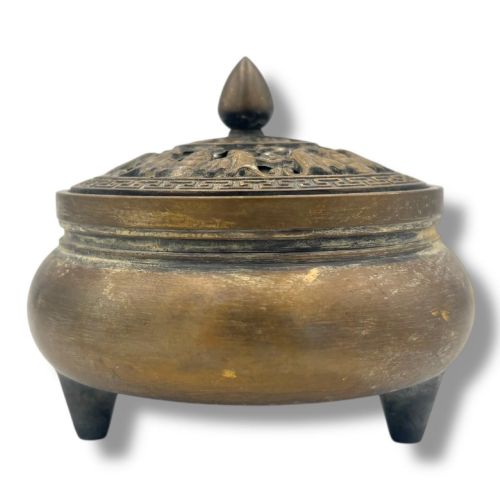
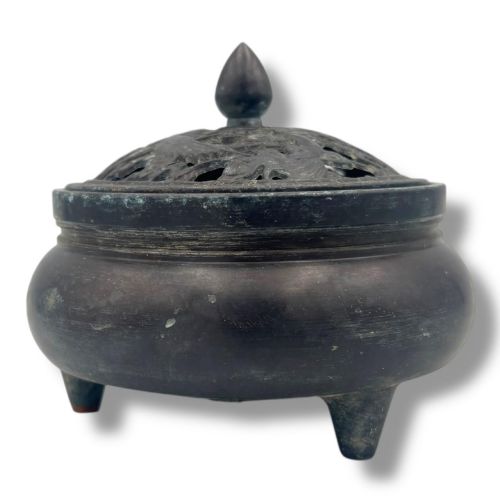
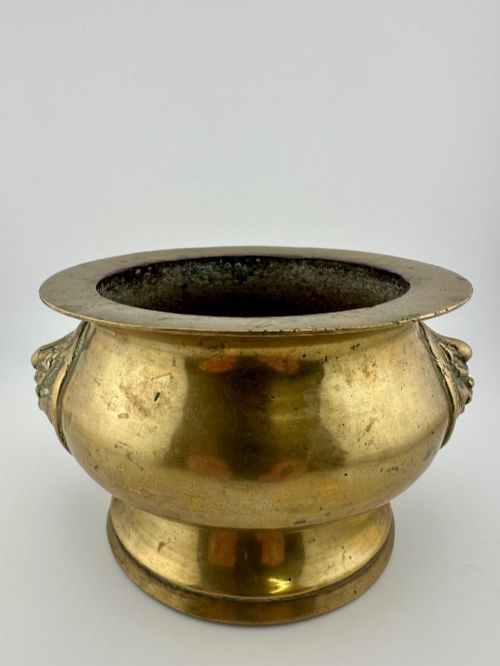
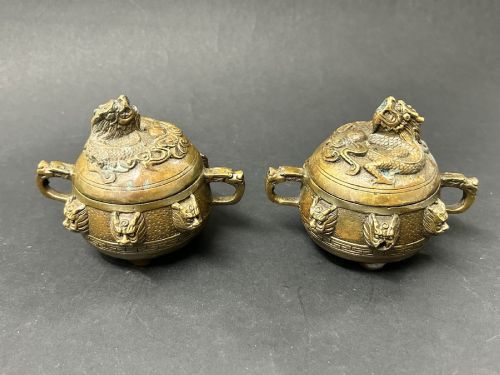
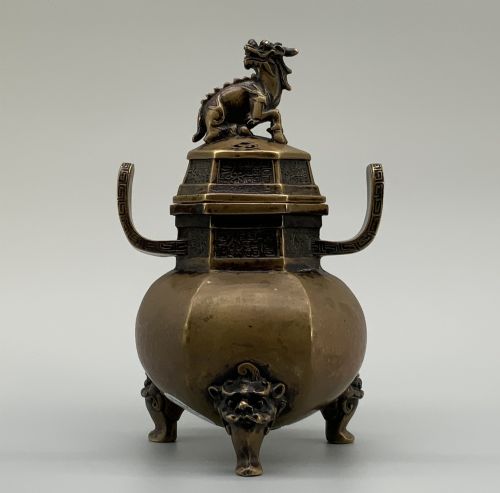
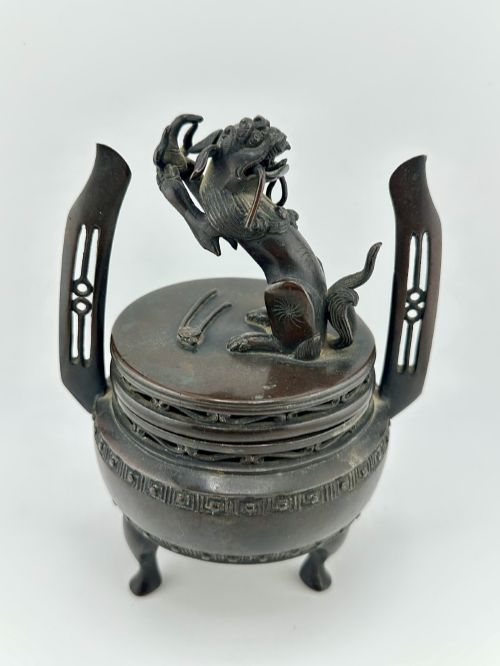
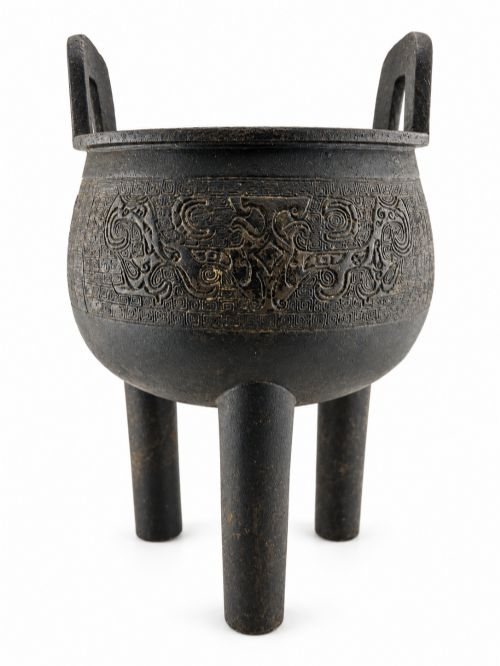
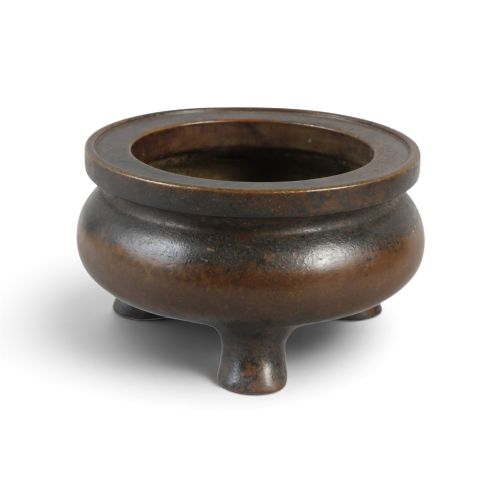
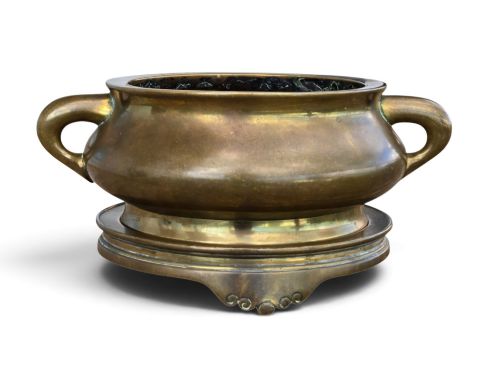
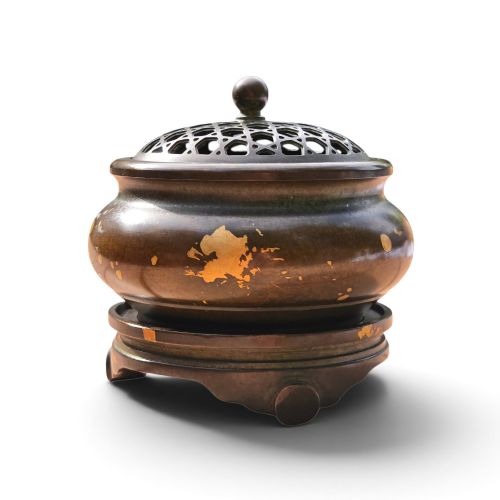
An antique chinese censer serves as a traditional vessel designed for burning incense in domestic shrines, reception halls, and quiet studies. The examples most frequently encountered on this page date from the late nineteenth century and take the form of tripod bowls fitted with handles and matching covers.
Makers shaped these objects to recall ancient bronze rituals, employing archaic motifs such as taotie masks, dragon panels, and tripod supports. Collectors select these pieces for their sculptural presence, substantial weight, and historical association with imperial and scholar culture.
Materials and Construction
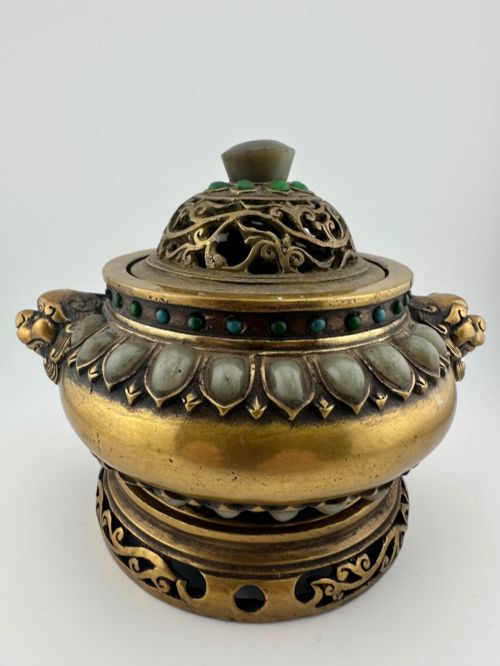
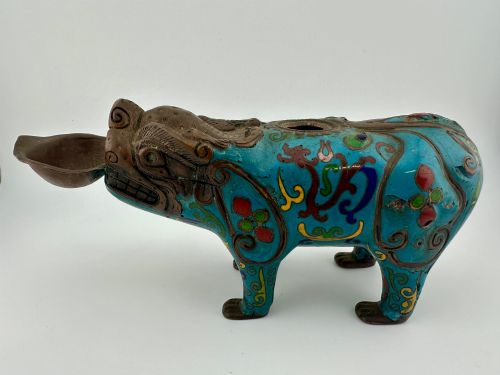
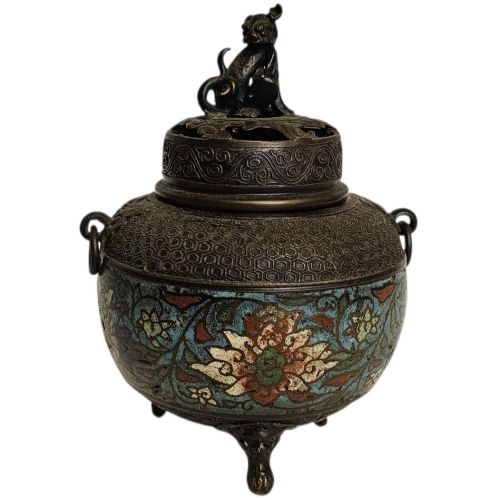
Foundry workers cast the bronze and brass pieces utilising lost-wax techniques, producing heavy walls capable of retaining heat and developing rich surface patinas. Artisans applied gold splashes, embedded hardstone panels, or incorporated turquoise and lapis lazuli wirework within cloisonné enamel compartments.
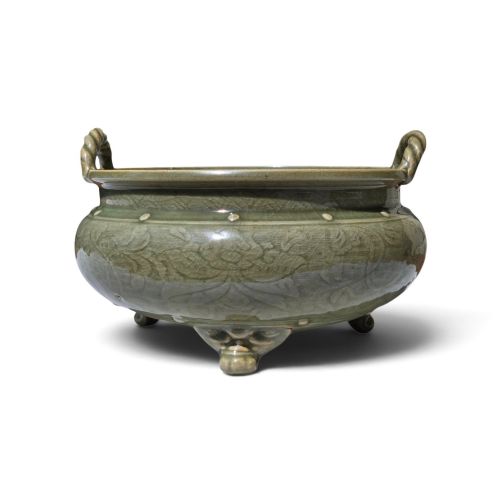
Ceramic versions emerge from regional kilns in Dehua and Longquan, displaying monochrome celadon glazes or translucent white porcelain bodies. These ceramic forms often feature moulded details such as bamboo sections or mythical beasts integrated directly into the clay.
Antique Chinese Censer Retail Price Guide 2026
Typical asking prices for chinese censer among the pieces listed under this phrase on Sellingantiques today, from the lower quarter to the upper quarter. They describe what is for sale here now, not the wider market.
Listings feature bronze, brass, porcelain, jade, and cloisonne enamel across periods spanning the Ming dynasty to the early twentieth century.
Distinctions in Execution
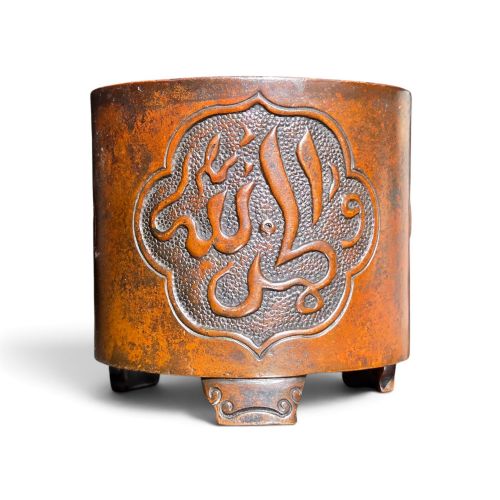
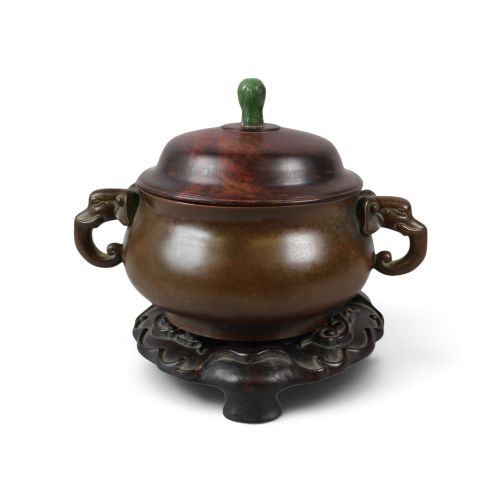
The standard of a bronze piece rests upon the crispness of the cast relief and the density of the metal alloy. Superior examples exhibit sharply defined lion-mask handles, balanced proportions across three legs, and original hardwood stands or fitted covers that complement the primary body.
In cloisonné and porcelain works, quality reveals itself through the regularity of the enamel cells, the purity of the glaze without surface pitting, and the deliberate restraint of the decorative scheme. Workshop marks, whether cast or stamped, indicate the ambition of the original commission.
The Antique Chinese Censer Glossary
- Archaistic
- A style that deliberately copies or reinterprets ancient forms and decorative motifs from the Shang and Zhou dynasties. This aesthetic dominated imperial workshops during the Ming and Qing periods.
- Tripod
- A vessel supported by three feet, commonly seen on ritual bronze and ceramic censers. These legs often take the form of animal paws or stylized roots.
- Taotie
- A mythical zoomorphic mask motif featuring prominent eyes and a split face, frequently cast onto the sides of early bronze vessels. It served a protective or talismanic function.
- Patina
- The surface sheen and colour acquired by metal through age, handling, and oxidation. A stable patina enhances the visual depth of antique bronze.
- Celadon
- A transparent green glaze applied to high-fired porcelain, originating in Longquan kilns. The colour mimics the appearance of jade.
Antique Chinese Censer: Frequently Asked Questions
How were these censers used?
Owners placed powdered or stick incense inside the vessel, often filling the bottom with ash to insulate the heat. The fragrant smoke drifted upward through pierced lids or open mouths, purifying the air in studies and temples.
In scholar's studios, they formed part of a quiet desktop arrangement alongside brush pots and scholar's rocks. Their presence created a contemplative atmosphere suited to reading, painting, and poetry.
How do I identify the period?
Dating relies on examining the weight of the metal, the style of the cast or incised mark, and the characteristics of the surface patina. Earlier pieces from the Ming dynasty often display a dense, heavy build with deep relief panels, while late Qing and nineteenth-century examples introduce varied patination and playful mythical beast finials.
Markings referring to earlier reigns, such as the Xuande or Qianlong periods, frequently appear as honorific tributes rather than direct indications of manufacture date. Evaluating the technical execution and wear patterns helps clarify the actual age of the object.
How should I display a censer?
These vessels suit placement on wooden tables, low cabinets, or dedicated display shelves where their three-dimensional form and patinated surfaces catch the light. Many substantial bronzes sit upon custom hardwood stands that elevate the piece and protect fine furniture surfaces.
Keeping them away from direct moisture preserves the metal finish and any delicate hardstone inlays. Gentle dusting with a soft cloth maintains the natural sheen of the bronze without stripping the historical patina.