


Antique Chinese Bottle
When you search for an antique chinese bottle, you find carved hardstones, painted porcelains and glazed ceramics shaped for snuff, scent or wine.
Antique Chinese Bottle
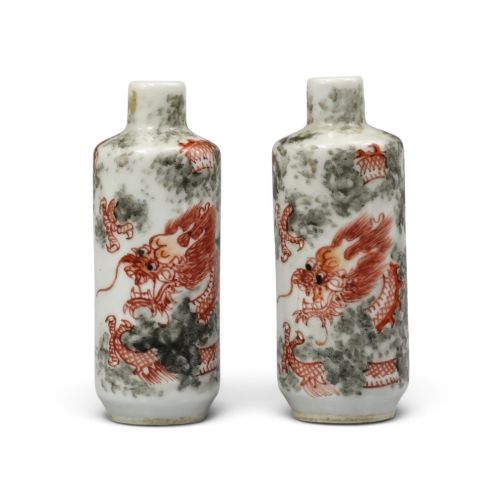
An antique chinese bottle encompasses small portable containers such as snuff and scent flasks alongside larger vessels like garlic-mouth and double-gourd vases.
The pieces on this page originate predominantly from the Qing Dynasty and the 19th century, drawing upon imperial workshop traditions and export trade wares.
Collectors encounter porcelain forms alongside jade, agate, rock crystal and cloisonné miniature vessels produced across the 18th and 19th centuries.
Materials and Technique
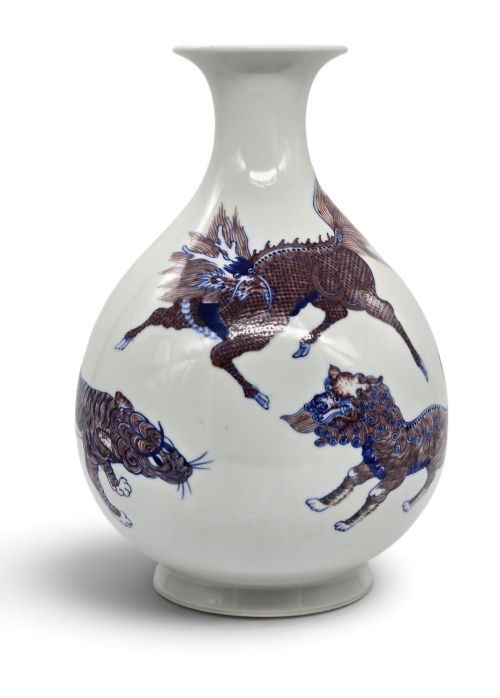
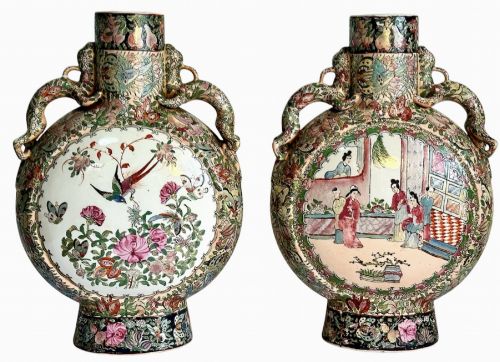
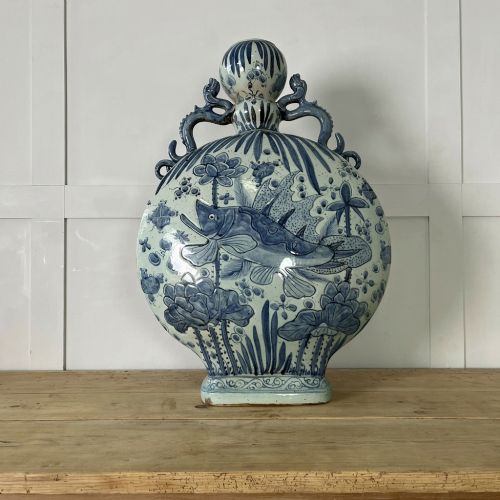
Potters shaped these vessels in porcelain and ceramic, applying cobalt glaze, underglaze blue, tea dust glaze and famille rose enamels before kiln firing.
Lapidaries carved hardstone materials including jade, rock crystal, coral and shadow agate, often utilising interior painting techniques or openwork prunus designs.
Listings span porcelain, jade, rock crystal, agate, glass and cloisonné across the 18th, 19th and early 20th centuries.
Distinctions in Execution
Excellence resides in the crispness of the carving and the control of the pigment, where master-carved openwork and fine underglaze painting separate superior work from simpler commercial output.
The harmony of the form, the integrity of the glaze or stone, and the delicacy of detailed figural decoration determine the standing of each vessel within its period.
Cartier Paris
The Antique Chinese Bottle Glossary
- Famille Rose
- A palette of opaque enamels dominated by pink or rose colours, introduced during the Qing Dynasty. Artisans used these enamels to depict figures, florals and symbolic motifs.
- Cloisonne
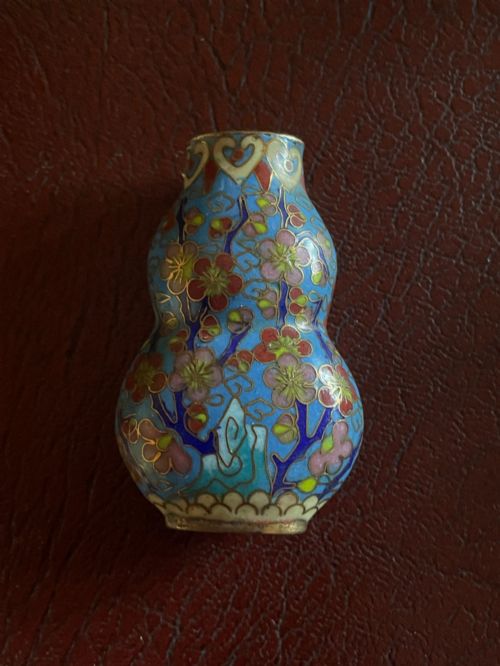
- Enamelwork created by soldering metal wires to a metal base to form compartments, which are then filled with paste and fired. Miniature vases and bottles frequently showcase this wirework technique.
- Double-Gourd
- A vessel shape resembling two joined spheres, symbolising fortune and auspiciousness in Chinese tradition. These pieces often feature monochrome glazes or underglaze blue decoration.
- Underglaze Blue
- Pigment applied to the ceramic body before glazing and firing, producing cobalt blue designs under a clear coat. This technique defines traditional blue and white bottle vases.
- Snuff Bottle
- A small container designed to hold powdered tobacco, equipped with a fitted stopper and spoon. These bottles represent miniature canvases for carving, painting and enamel work.
Antique Chinese Bottle: Frequently Asked Questions
What were antique chinese bottles used for?
These vessels served practical and ceremonial functions, primarily storing medicinal herbs, scents or powdered tobacco for personal use.
Portable snuff bottles accompanied individuals daily, while larger bottle vases decorated scholar studios and imperial interiors.
How do you display antique chinese bottles?
Display smaller vessels in enclosed cabinets or on dedicated stands that allow inspection of fine carvings and interior painting from all angles.
Ensure placement avoids direct sunlight and temperature fluctuations to protect organic materials like coral, jade and glass.
How are periods identified?
Dating relies on stylistic markers, glaze characteristics, material types and imperial reign marks found on the base or body.
Comparing potting techniques, colour palettes and carving depths against dated examples clarifies whether a piece belongs to the Qing Dynasty or later periods.
Are stoppers original?
Original stoppers match the material, age and wear patterns of the main vessel, often featuring integrated tiny ivory or metal spoons.
Many surviving pieces retain matched hardstone or gilt metal stoppers, though replacements occur frequently across portable bottles due to their diminutive scale.