
Antique China Plates
Antique china plates bring centuries of painted florals, gilded borders and transfer-printed scenes directly to the table or cabinet.
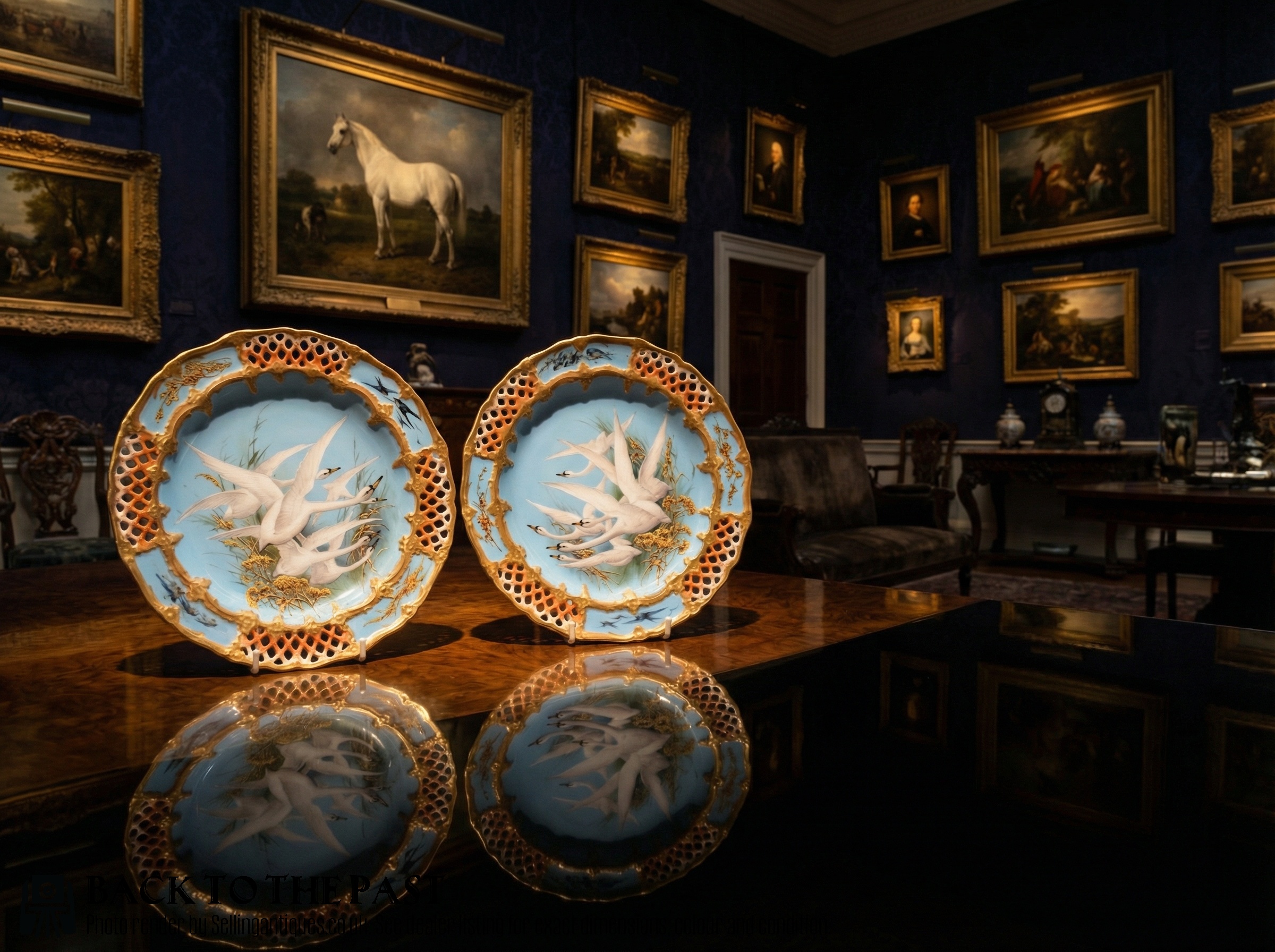
Antique China Plates
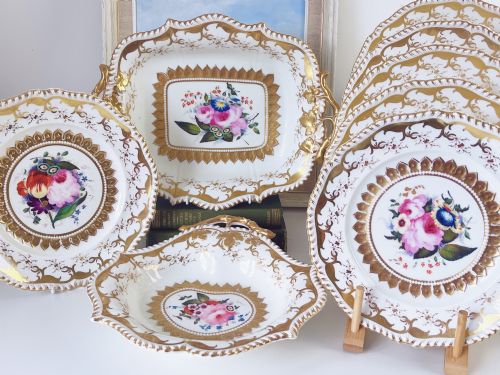
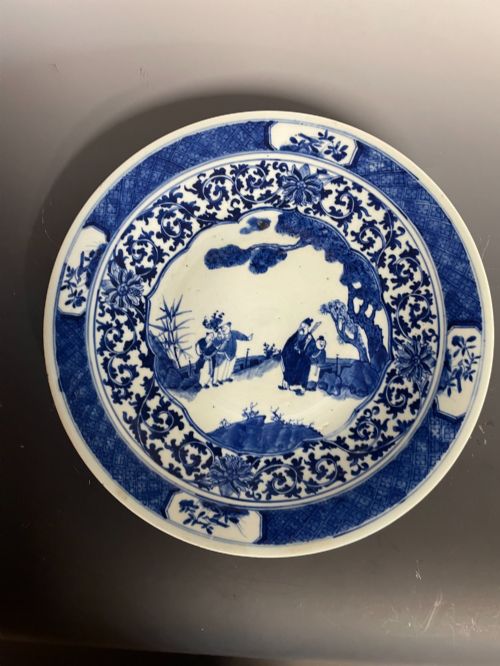
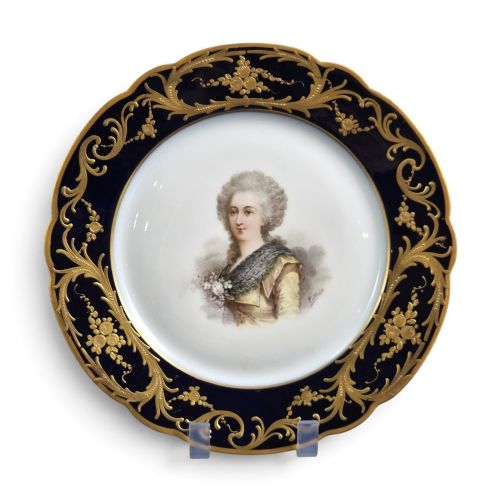
These pieces span utilitarian serving dishes, blue and white chargers, and highly decorative cabinet plates designed for display rather than dining. The selection includes everything from Georgian earthenware to elaborate Edwardian and Art Deco porcelain services.
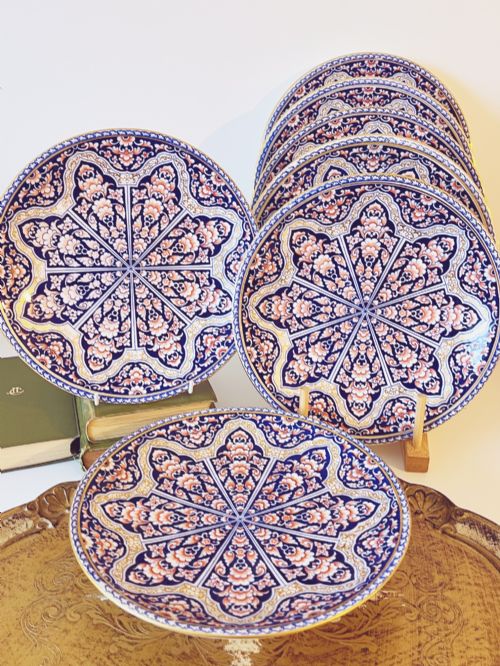
Buyers encounter individual cabinet plates alongside coordinated dessert services and serving dishes. Origins range from traditional English factories to Chinese export wares and French porcelain workshops.
How they were made
Potters shaped these pieces from porcelain, bone china, earthenware and stone china before applying detailed handpainted decoration or blue and white transfer printing. Many examples incorporate intricate enamel colours, gilding and gold leaf accents.
Firing techniques evolved across the eighteenth and nineteenth centuries, moving from early soft-paste porcelain bodies to robust ironstone and refined bone china formulations.
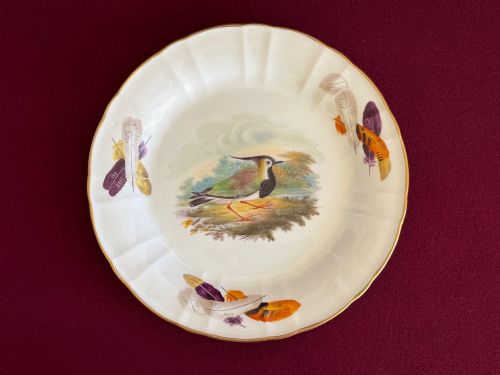
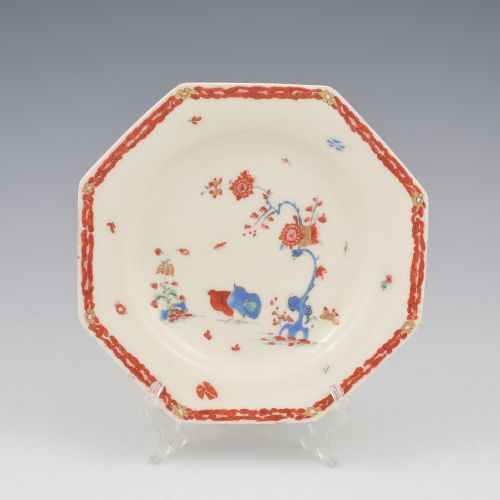
Early eighteenth-century makers occasionally decorated plates with remarkably plump quails that appear distinctly unimpressed by their surroundings.
What varies in quality
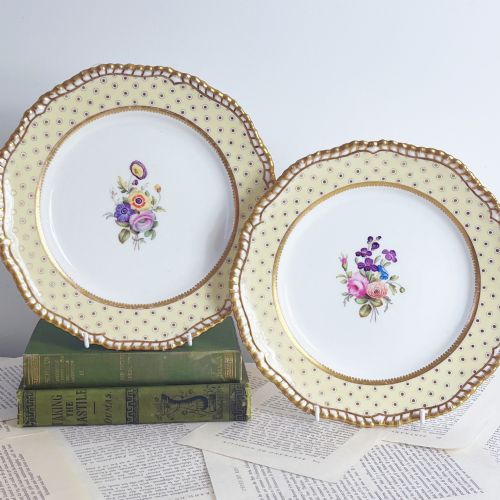
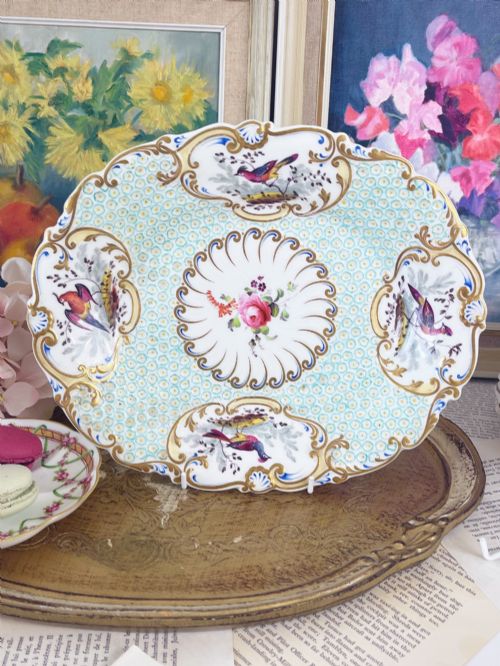
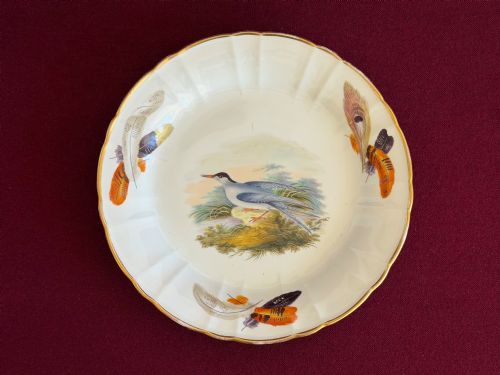
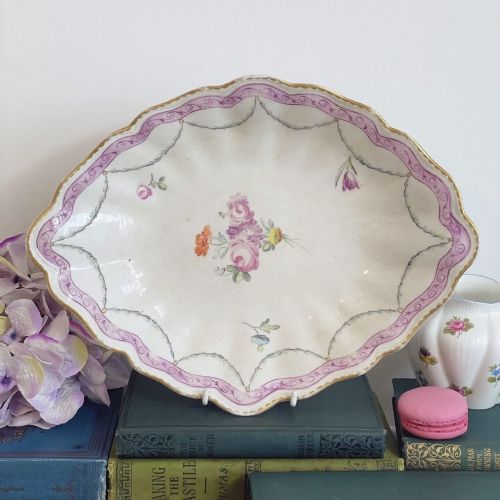
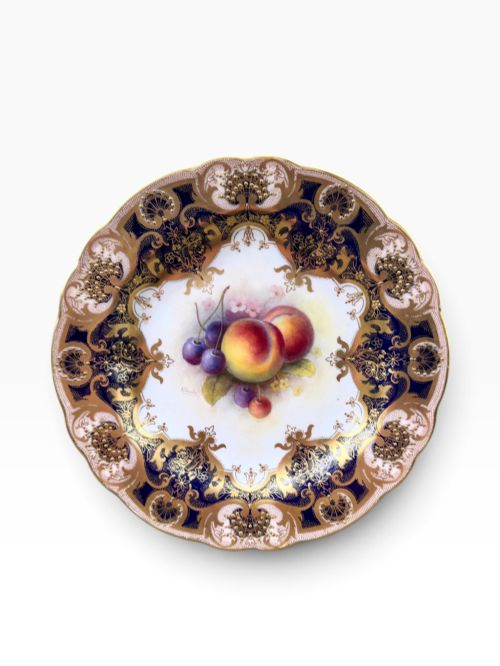
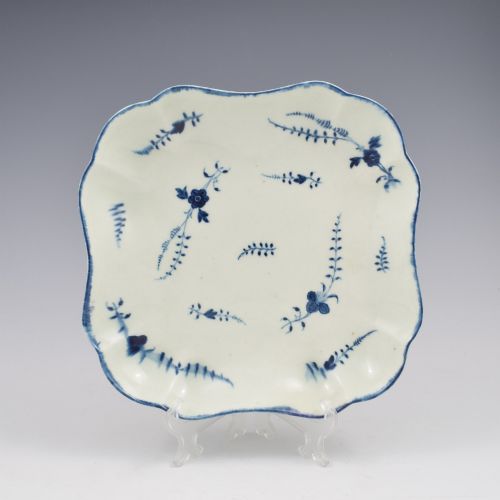
Quality rests in the crispness of the handpainted details, such as botanical studies or bird motifs, compared to simpler transfer-printed patterns. The precision of the gilding and the clarity of the glaze also separate standard production wares from premier cabinet pieces.
Signatures by recognised artists or specific period factory marks elevate individual plates within a service, distinguishing exceptional maker output from general output.
Grainger Lee And Co·Royal Crown Derby·Spode·H And R Daniel·Wedgwood·Derby·Bow Porcelain·Royal Worcester·Chamberlains Worcester·Minton·Masons Patent Ironstone
The Antique China Plates Glossary
- Bone china
- A type of porcelain incorporating bone ash that produces a strong, slightly translucent body.
- Cabinet plate
- A decorative plate intended for display in a cabinet rather than for serving food.
- Transfer printing
- A mechanical method for applying complex designs to pottery using an engraved copper plate and tissue paper.
- Imari palette
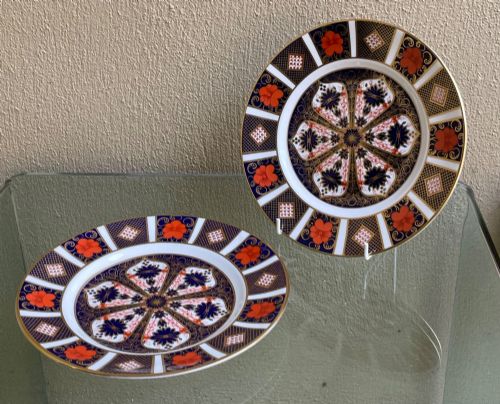
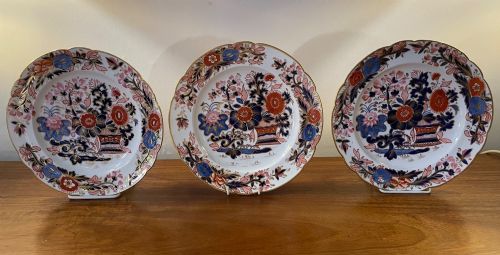
- A decorative style employing underglaze blue, iron red and gold, inspired by Japanese export wares.
- Dessert service
- A matching set of plates, dishes and comports designed for the final course of a formal meal.
Antique China Plates: Frequently Asked Questions
How do I display antique china plates safely?
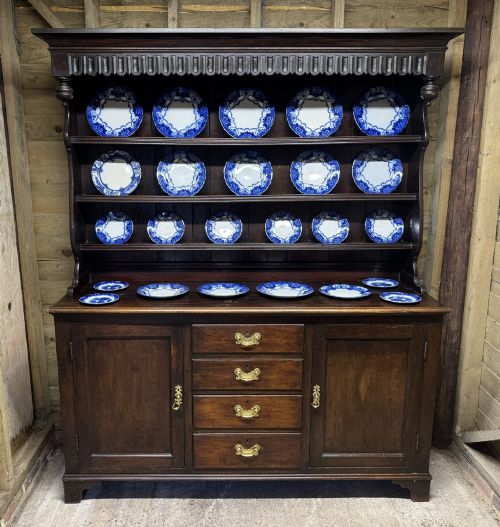
Cabinet plates with delicate gilding and handpainted details sit best in secured wall racks or dedicated display cabinets where light and dust remain controlled.
Avoid using wire hangers that put direct pressure on the rim unless they feature protective rubber tubing to prevent edge chipping.
Can I use antique plates for daily dining?
Most antique china plates and serving dishes suit light occasional use, but hand washing in warm soapy water keeps the historic glazes safe.
Harsh modern detergents, microwaves and mechanical dishwashers will damage fragile enamels and ruin delicate gold leaf accents.
How can I tell the period of a plate?
Factory backstamps, hand-written pattern numbers and specific colour palettes like the Imari style offer clear clues to a plate's date of manufacture.
Stylistic shifts, from eighteenth-century Rococo curves to Victorian aesthetic motifs, further help narrow down the decade.