

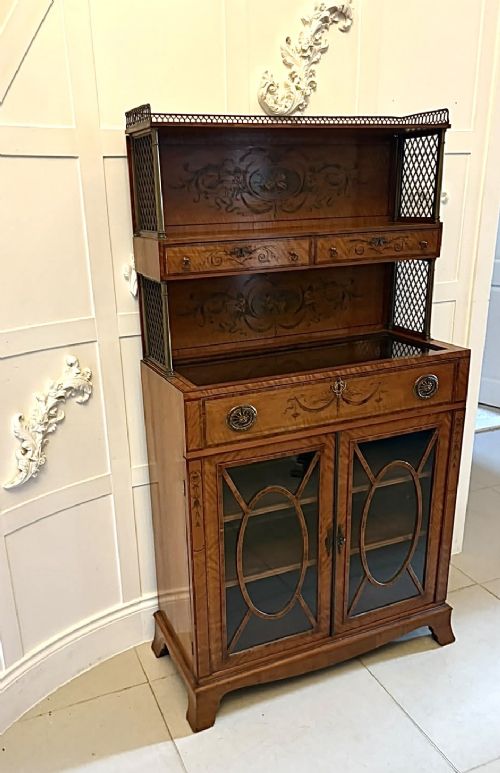
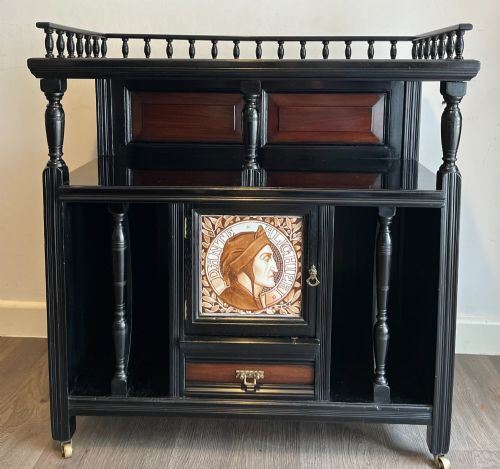
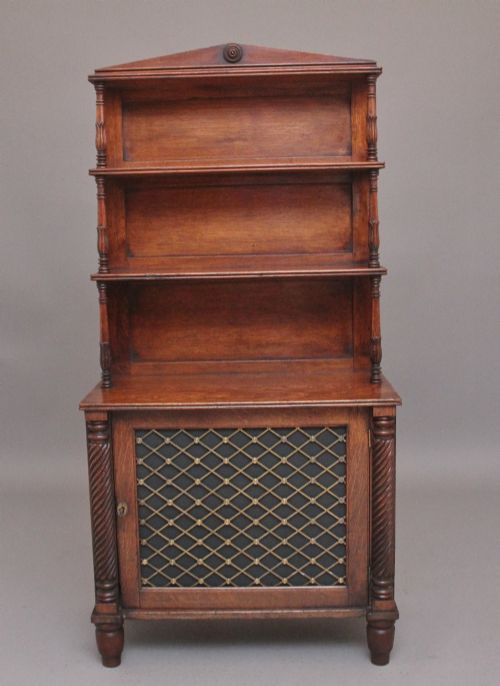
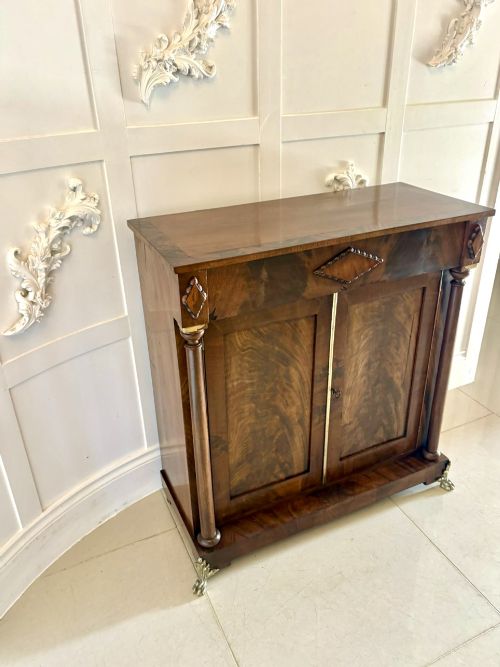
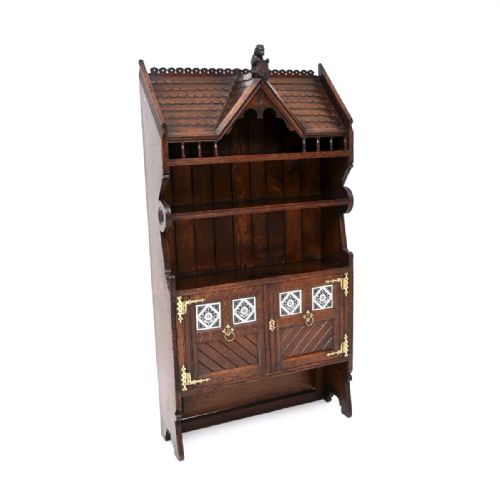
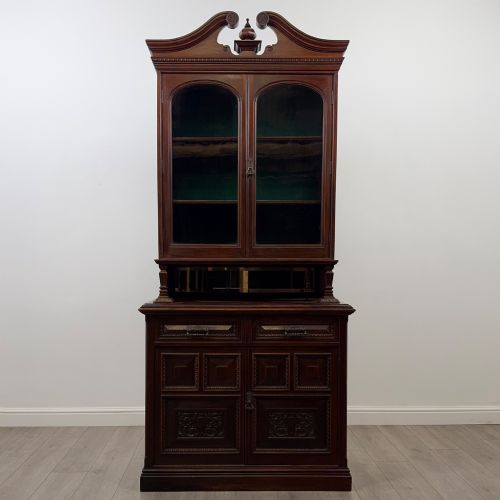
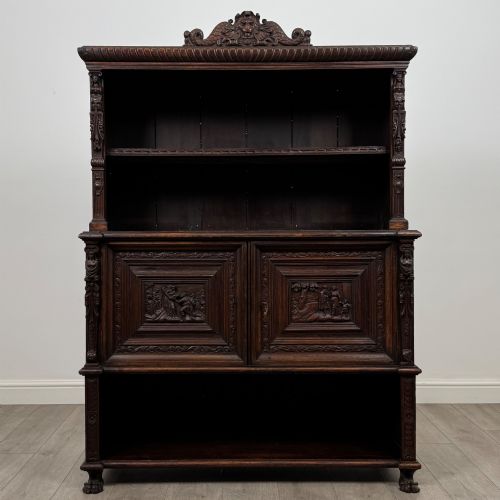
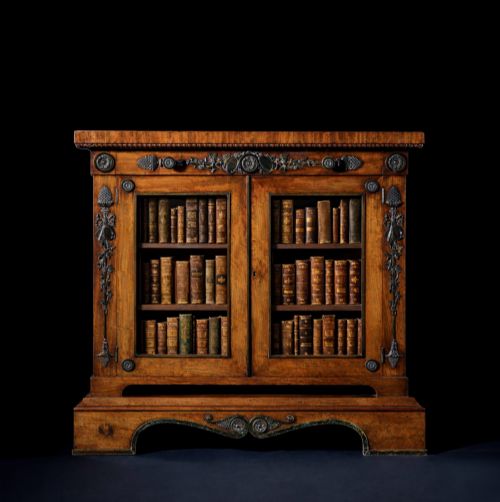
Antique Chiffonier Bookcase
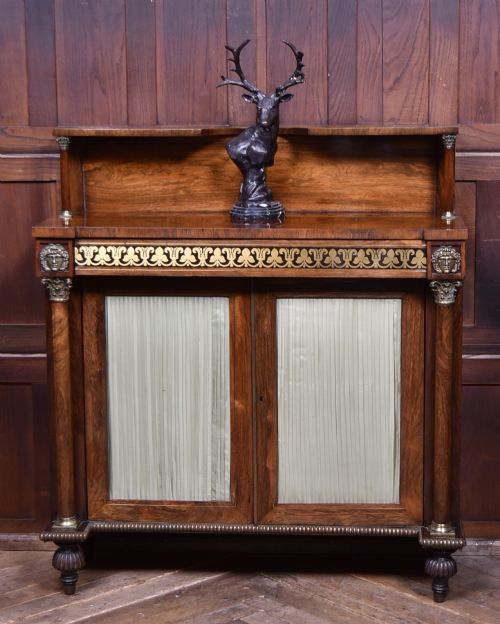
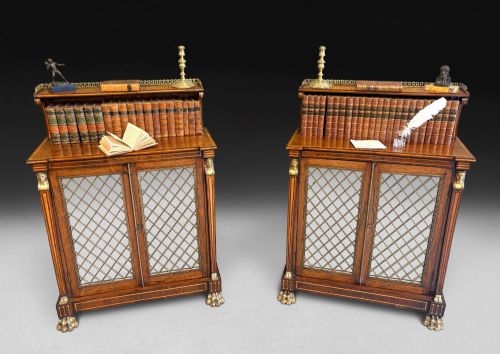
An antique chiffonier bookcase combines a lower enclosed cupboard with upper open or glazed shelving, offering a purposeful hybrid for storage and display.
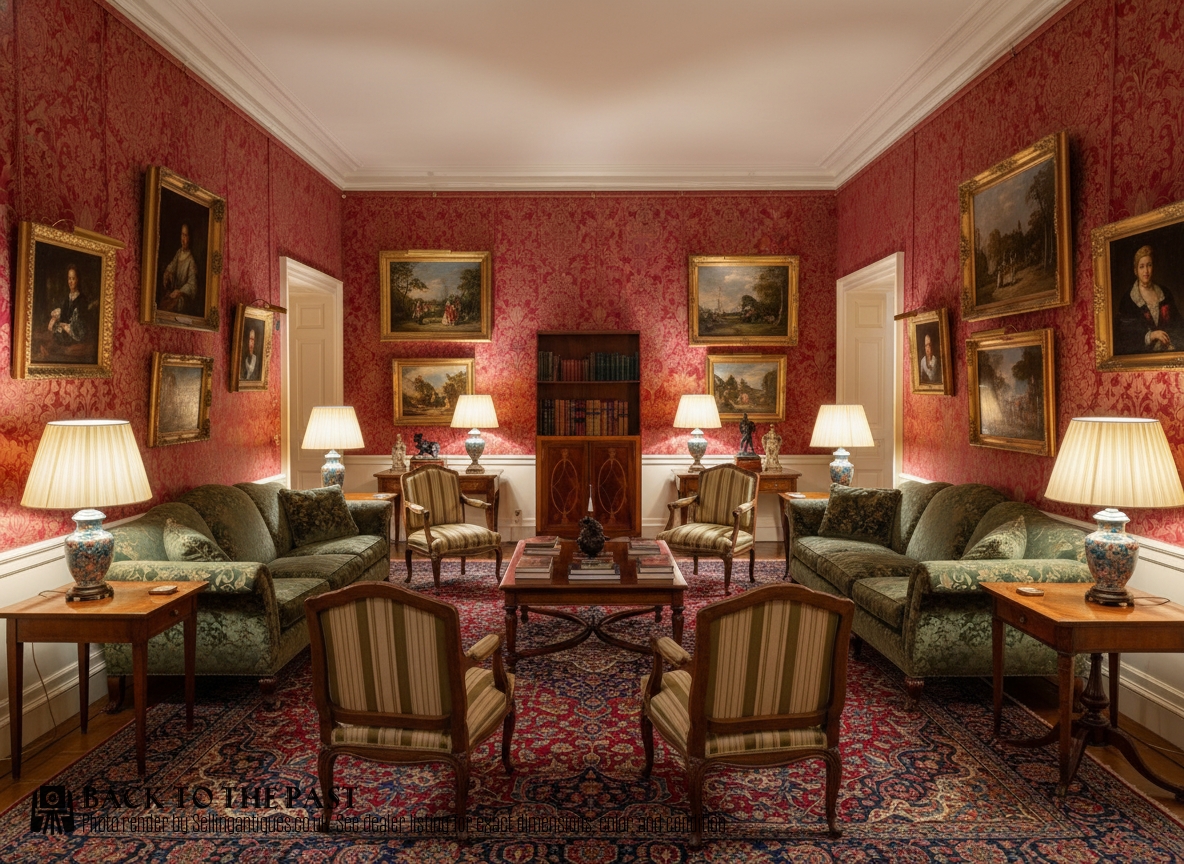
Antique Chiffonier Bookcase
When you search for an antique chiffonier bookcase, you are looking at dual-purpose furniture designed to hold books above and store items below, typically standing at a lower height than standard bookcases.
The pieces appearing here span the Regency, William IV, and Victorian periods, with many examples originating from the early nineteenth century and featuring distinct architectural forms.
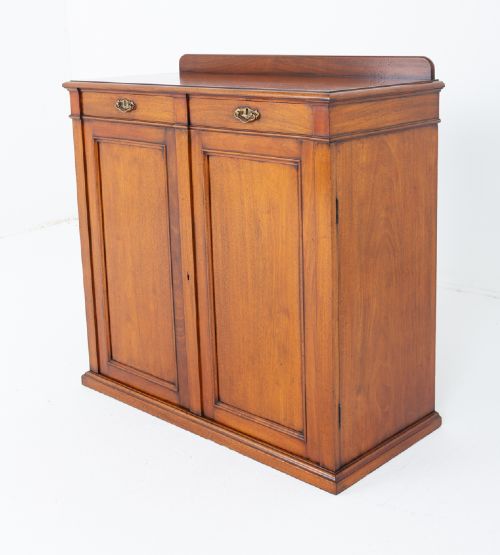
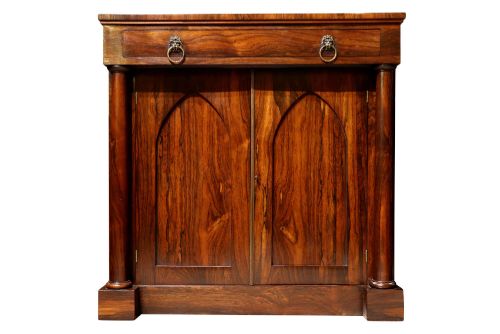
You will frequently meet rosewood and mahogany versions from the Regency era, often embellished with brass inlay, alongside later walnut and oak Victorian iterations.
Materials and Construction
Cabinet makers built these pieces using solid timbers and robust veneers, predominantly selecting rich figured mahogany and dark rosewood for their primary surfaces.
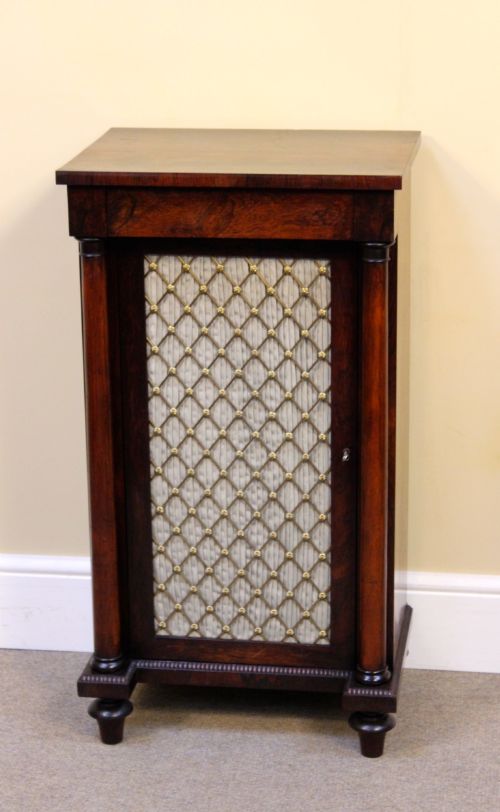
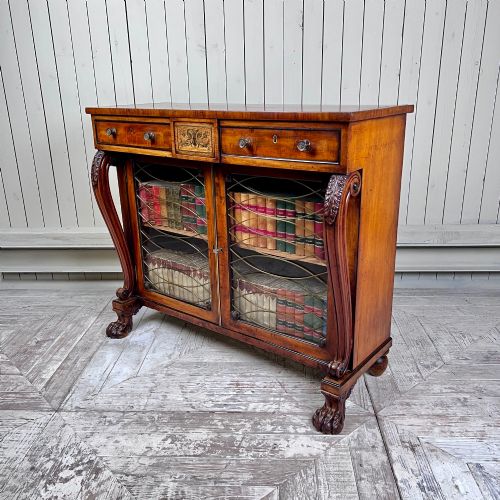
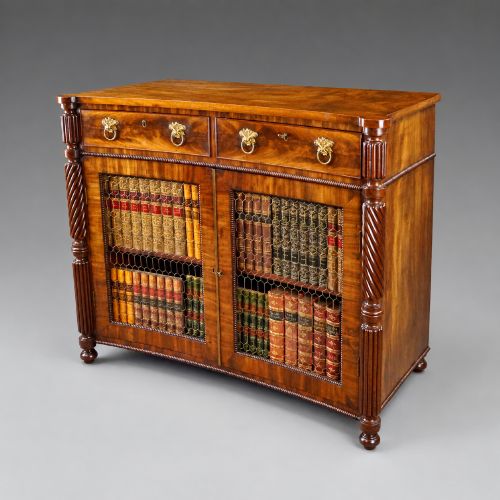
Many examples incorporate decorative details such as cast brass mounts, brass grilles, fine stringing, and ebony accents to define panels and doors.
Glazing bars on upper display sections and functional drawer mechanisms demonstrate the precise joinery typical of nineteenth-century workshops.
Antique Chiffonier Bookcase Retail Price Guide 2026
Typical asking prices for chiffonier bookcase among the pieces listed under this phrase on Sellingantiques today, from the lower quarter to the upper quarter. They describe what is for sale here now, not the wider market.
Listings span multiple nineteenth-century eras, featuring rosewood, mahogany, and pollard oak with brass, glass, and mirror elements.
Craftsmanship and Proportion
The distinction between standard examples and the finest pieces rests on the choice of timber figures, such as flame mahogany or well-grained rosewood, and the crispness of any applied carvings.
Proportion and structural integrity define superior items, where doors close flush, brass inlays remain intact, and secondary woods show equal attention to detail.
Gillows·Robert Strahan
The Antique Chiffonier Bookcase Glossary
- Chiffonier
- A low sideboard or cabinet, typically featuring a cupboard base with shelves above. This form evolved during the Regency period to serve dining and drawing rooms.
- Waterfall bookcase
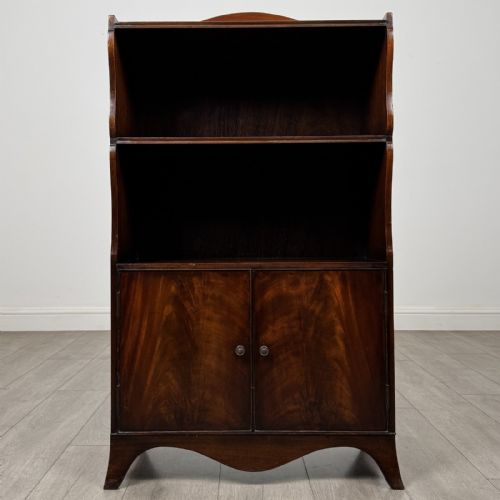
- A set of open shelves diminishing in depth from bottom to top, often incorporating a small cupboard at the base. These pieces date predominantly from the Regency and Victorian eras.
- Secretaire
- A cabinet containing a pull-down writing drawer fitted with small drawers and pigeonholes. Such multi-functional compartments frequently appear in George IV and Regency pieces.
- Brass grille
- A fine wire mesh set into cabinet doors in place of glass, allowing ventilation while protecting the contents. This detail is characteristic of high-quality Regency library furniture.
Antique Chiffonier Bookcase: Frequently Asked Questions
What is an antique chiffonier bookcase?
An antique chiffonier bookcase is a low cabinet featuring a closed cupboard base paired with open or glazed shelving above. It serves as a practical hybrid for storing household goods and displaying books.
Most surviving examples originate from the Regency and Victorian periods, constructed in timbers like mahogany and rosewood.
How were these pieces used originally?
These cabinets served in drawing rooms, libraries, and parlours to hold reading material and display decorative porcelain or glassware. The lower cupboard provided discreet storage for linens, papers, or household items.
The writing drawer variations allowed owners to draft correspondence without moving to a separate desk.
How do I date a chiffonier bookcase?
Dating relies on identifying stylistic markers, timber choices, and construction techniques associated with specific eras. Regency pieces often showcase brass inlay and rosewood, while Victorian examples lean towards heavier carved mahogany or walnut.
Examining secondary woods and hardware inside the drawers provides further chronological clues.
How do I place one in a modern room?
Their modest height makes them versatile pieces that fit well beneath windows or against living room walls without overwhelming the space. The upper shelves accommodate books or small collections while the lower cupboard hides modern clutter.
Pairing a nineteenth-century rosewood cabinet with neutral walls allows the grain and brass details to stand out.