

Antique Chester Silver
Antique Chester silver brings together small personal accessories, desk items and tableware marked by the assay office of that historic English city.
Antique Chester Silver
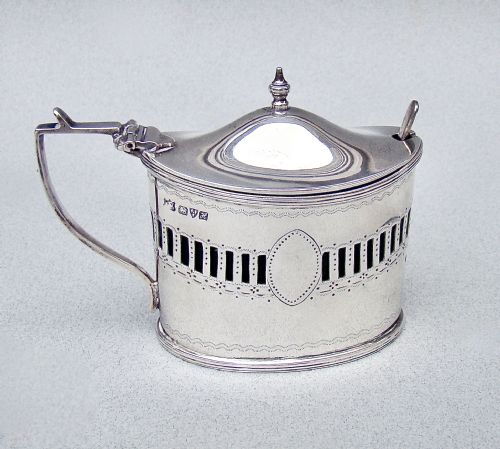
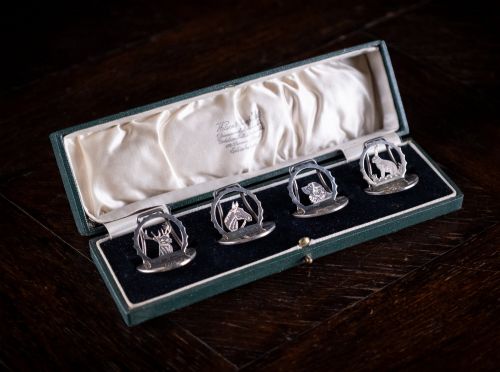
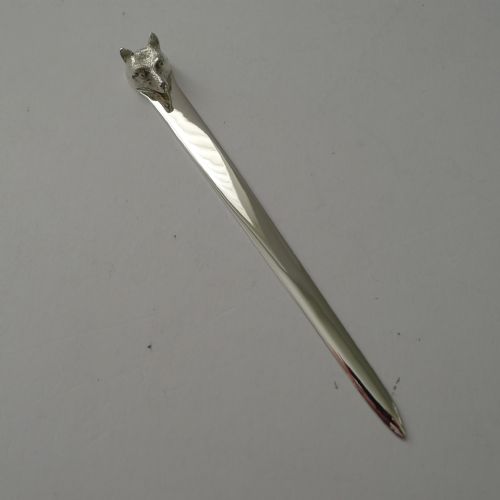
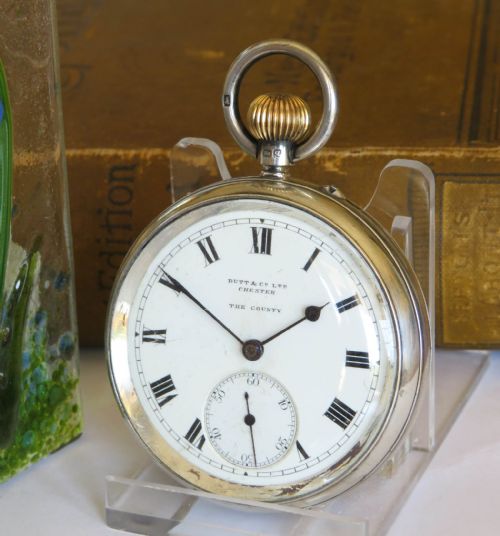
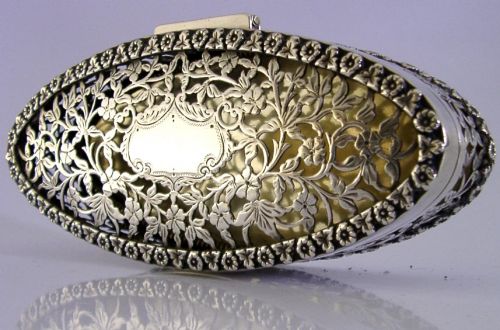
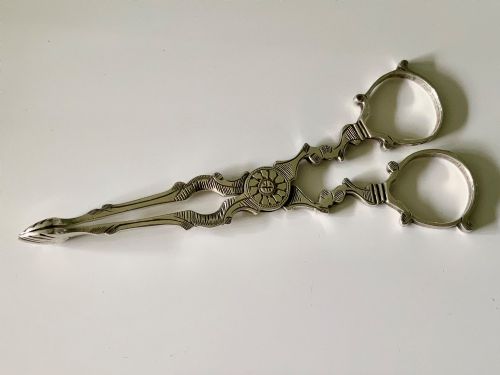
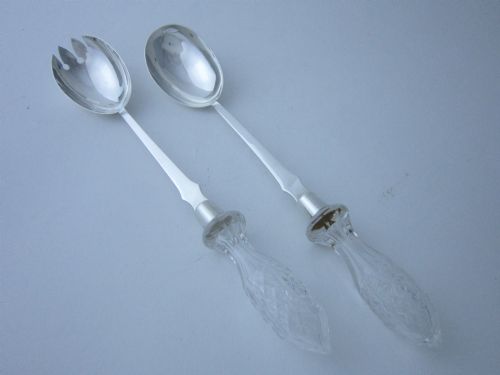
When searching for antique Chester silver, buyers encounter a wide variety of domestic and personal objects spanning the Victorian, Edwardian and George V periods. The selection includes functional items such as vesta cases, pocket watches, snuff boxes, sugar tongs, menu holders and desk seals alongside decorative tableware and dressing table pieces.
Edwardian and Victorian examples dominate the available forms, reflecting the peak years of the Chester assay office before its closure. Small silver boxes, novelty animal figures, stamp cases and card purses appear frequently across the listings.
Makers working within these eras produced both utilitarian items for daily pocket use and ornate ornamental silver for the dining table and parlor.
How they were made
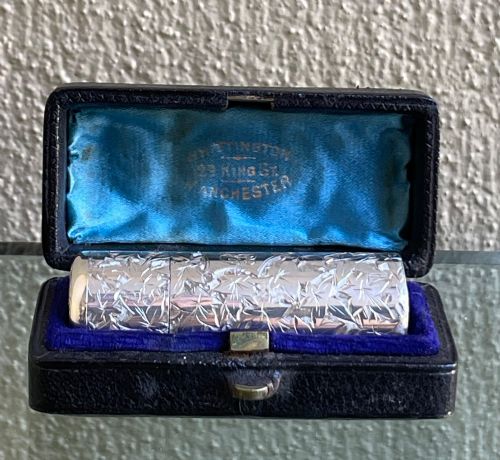
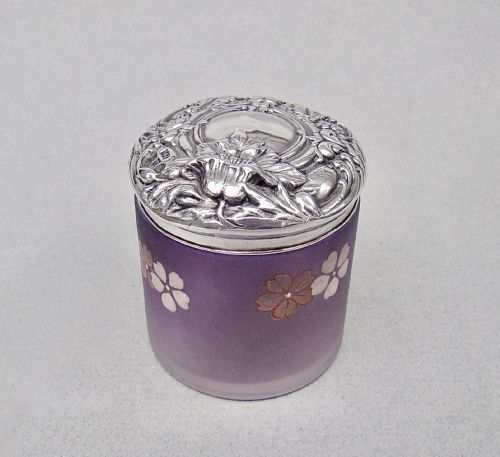
The objects are primarily formed from sterling silver, frequently combined with glass, enamel, leather, velvet and silk to create lined boxes, scent bottles, and fitted dressing table jars.
Silversmiths utilised traditional techniques including casting, piercing, hammering and engraving to produce smooth surfaces, intricate foliate scrolls, and sculptural animal forms.
Imported items carry Chester import marks alongside standard sterling content stamps, showing how continental silver was brought into the British market during the early twentieth century.
Several small silver chicks stand ready on desks as wax seals and pin cushions.
What varies in quality
Quality in antique Chester silver rests upon the crispness of the maker's stamp, the legibility of the town mark and date letter, and the depth of any hand-engraved decoration.
Pieces that retain structural integrity without distortion to thin silver walls or damage to internal silk and velvet linings sit at the higher end of the range.
Novelty items and pieces by notable makers command greater attention due to superior sculptural detail and inventive design.
Nathan and Hayes·Sampson Mordan·Alfred Marston·Horton and Allday·A. Wilcox·Asprey·Lowe and Sone·William Neale·Robert Cawley·Walter and George Myers·Charles Horner·Albert Ernest Jenkins·Adie and Lovekin
The Antique Chester Silver Glossary
- Assay office
- An official body that tests the purity of precious metals and stamps them with hallmarks. The Chester office used the three sheaves and sword crest.
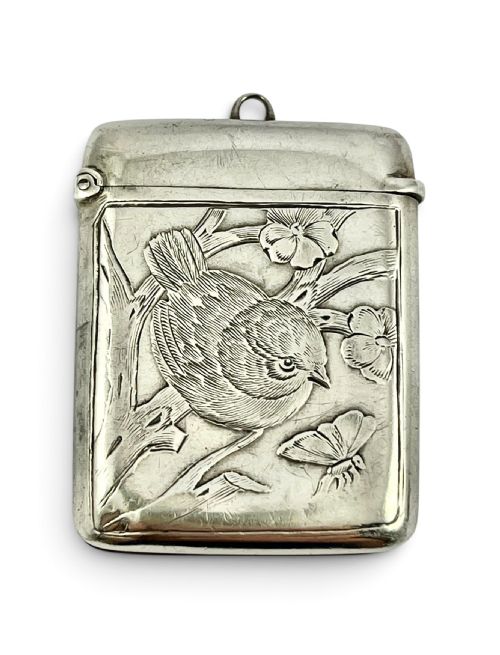
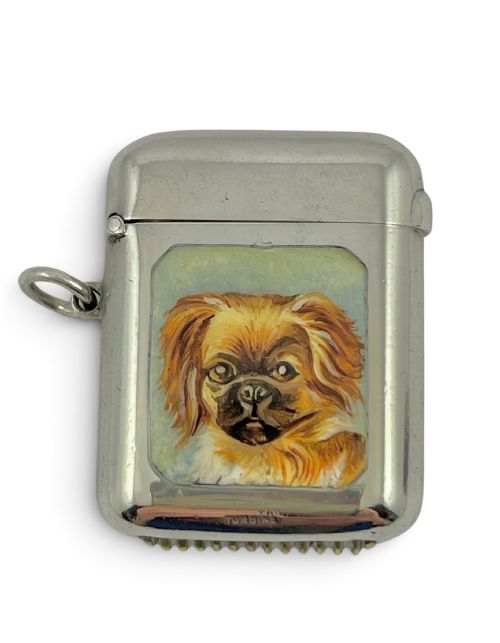
- Vesta case
- A small pocket container designed for holding matches. These often feature spring-loaded lids and engraved exterior decoration.
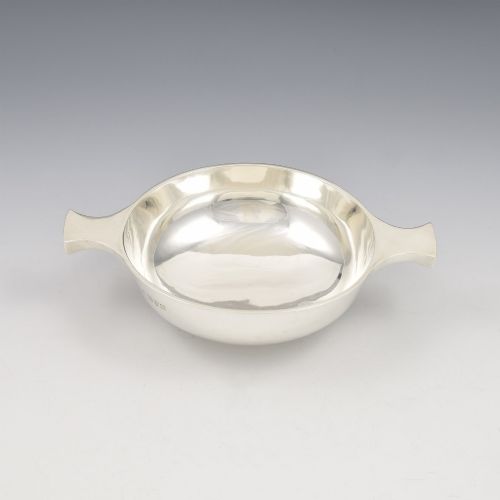
- Quaich
- A traditional shallow drinking vessel with two handles. Examples in sterling silver appear from the Edwardian period.
- Sugar tongs
- Small implements used for lifting sugar lumps. Harlequin and novelty variants are frequently collected.
- Hallmark
- A series of official marks stamped on items to show the metal standard, assay office, maker, and year of testing.
Antique Chester Silver: Frequently Asked Questions
How do I date Chester silver?
Every piece bears a specific date letter stamp alongside the Chester assay office mark of three sheaves and a dagger. Consulting an assay office date table matches this letter to the exact year of testing.
Additional clues come from the style of decoration, such as Art Nouveau whiplash lines or Edwardian neoclassical revival motifs.
What is a vesta case used for?
A vesta case was designed to hold and protect dry matches for lighting pipes, cigars, or candles before the widespread availability of safety matches and lighters.
Carried in a pocket or hung from a chatelaine, these small silver containers often feature a striking surface on the bottom.
Are Chester silver marks different from London marks?
Yes, each assay office in Britain used a distinct town mark to indicate where an item was tested and hallmarked. Chester used a mark featuring three wheatsheaves and a sword.
London used a leopard's head, while other cities used anchors, castles, or roses.
How should I clean antique silver?
Use a soft microfiber cloth and a mild, non-abrasive silver cleaner specifically formulated for antique pieces. Avoid harsh dips that strip away the dark oxidation in engraved recesses.
Store items in tarnish-resistant cloth or dry environments away from direct sunlight to preserve the finish.