
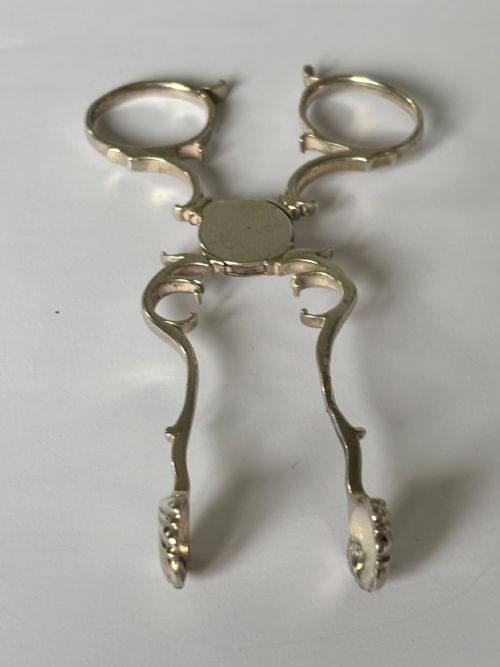


Georgian Silver Nips
These georgian silver nips are small handheld implements crafted for sugar service, offering collectors functional history in sterling silver.
Georgian Silver Nips
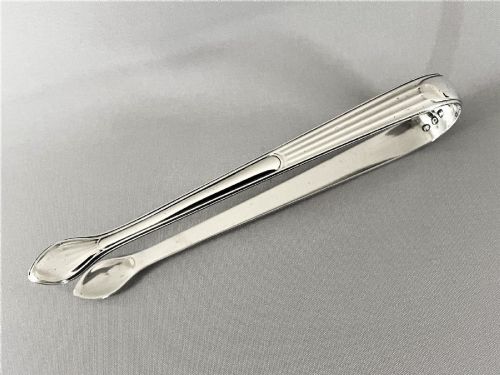
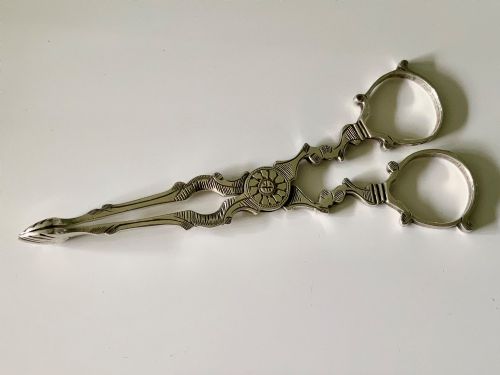
When you search for georgian silver nips, you encounter miniature tongs and scissor-action tools designed for handling sugar lumps during tea service. Most examples on this page hail from the eighteenth and nineteenth centuries, spanning George III and George IV periods.
The forms divide broadly into early scissor-type sugar nips and later spring-action sugar tongs. Regional British centres such as London, Newcastle, Dublin and Edinburgh produced these pieces in sterling silver.
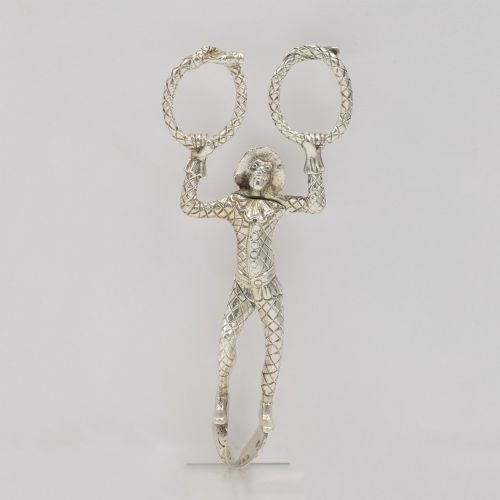
The collection includes standard tea table companions alongside unusual novelty designs like harlequin monkey figures. Makers ranged from renowned silversmiths to provincial craftsmen working across Great Britain.
Materials and construction
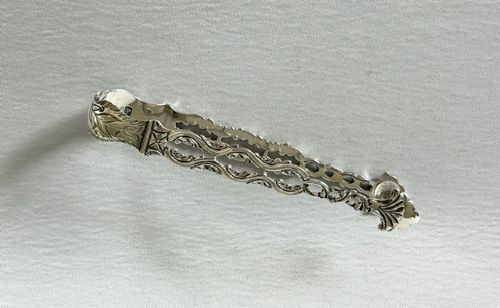
Silversmiths shaped these implements using sterling silver, employing techniques such as casting, piercing and hand-forging. Early nips often feature cast handles with delicate pierced work, while later tongs utilise spring silver arms.
Makers struck hallmarks directly onto the metal to indicate standard, origin and maker mark. Detail work on bowls and grips relied on chiselling and engraving by hand.
Listings feature sterling silver sugar implements spanning the Georgian and Regency periods, originating from London, Newcastle, Dublin, and Edinburgh.
Judging quality in silver nips
Quality rests upon the crispness of the casting and the spring tension of the arms. Finer pieces display sharply pierced bowls and well-preserved maker marks rather than worn details.
Novelty forms and specialised provincial provenance elevate certain examples above standard domestic tea wares. The balance in the hand and the preservation of original hallmarks dictate the overall desirability.
Bateman Family·Dee & Fargus·Thomas Tookey·Stephen Adams I
The Georgian Silver Nips Glossary
- Sugar nips
- Scissor-type implements with bowl ends designed for breaking and lifting sugar lumps before the widespread adoption of refined sugar loaves.
- Sugar tongs
- Spring-action implements that replaced traditional scissor nips, featuring two arms joined at a pivot or arch.
- Pierced work
- Metal cut through in decorative patterns to lighten the weight and enhance the visual appeal of the silver.
- Sterling silver
- The silver alloy standard of purity comprising high silver content used across British domestic plate.
- Hallmarks
- Official stamps struck into precious metal indicating the maker, assay office, and year of manufacture.
Georgian Silver Nips: Frequently Asked Questions
What is the difference between nips and tongs?
Traditional sugar nips operate with a scissor action, featuring finger rings and small bowls designed to nip sugar from a loaf.
Sugar tongs use a single bent piece of metal with spring tension, holding lumps between two grip ends without finger rings.
How do I date these silver pieces?
Dating relies primarily on the stamped hallmarks, which record the assay office, standard, and a date letter specific to the year of manufacture.
Stylistic cues, such as the transition from cast scissor nips to stamped spring tongs through the eighteenth century, also help narrow the period.
Were these used for tea service?
These implements were essential accessories on the Georgian tea table, used exclusively by the host to transfer sugar into cups.
Sugar was often stored in solid loaves, requiring nips or tongs to handle broken pieces before granulated sugar became common.
How should I clean antique silver?
Regular dusting with a soft cloth prevents tarnish build-up on delicate pierced work and engraved details without wearing the metal.
Harsh chemical dips should be avoided to preserve the subtle patination accumulated over centuries of handling.