


Antique Charcoal Portrait
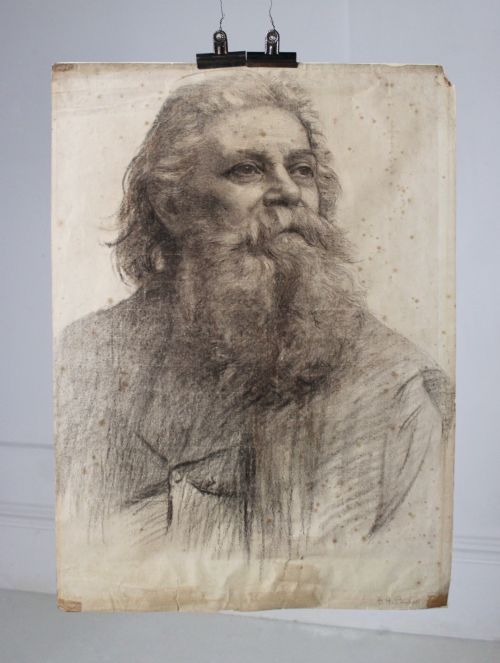
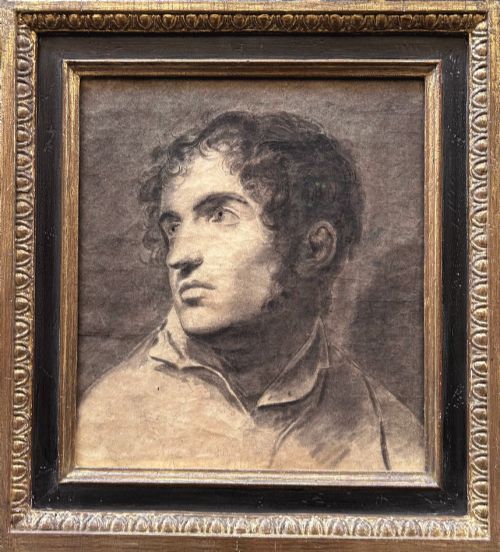
When you select an antique charcoal portrait, you acquire a direct hand-drawn study executed on paper using traditional black media.
Antique Charcoal Portrait
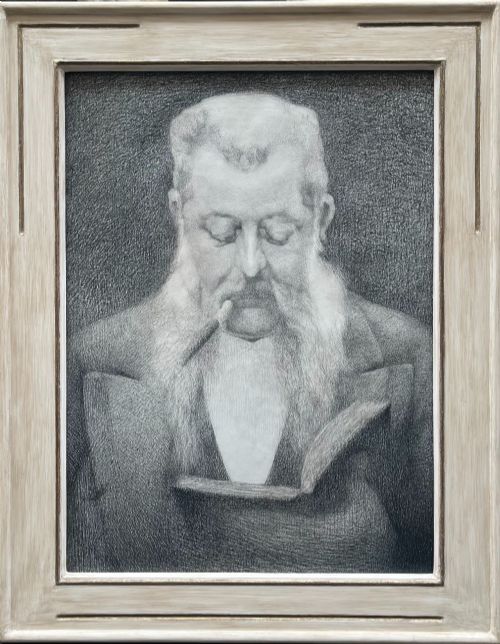
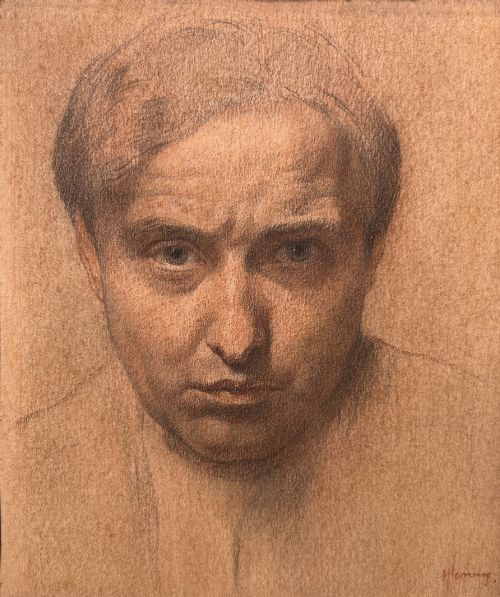
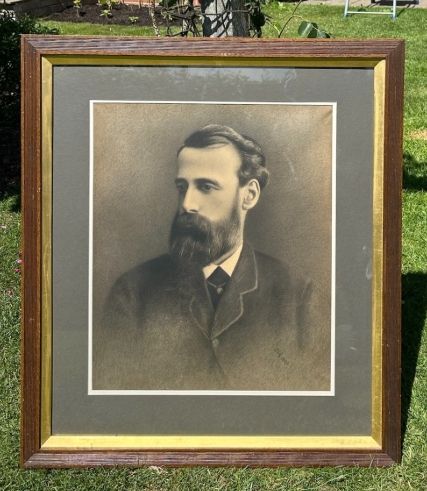
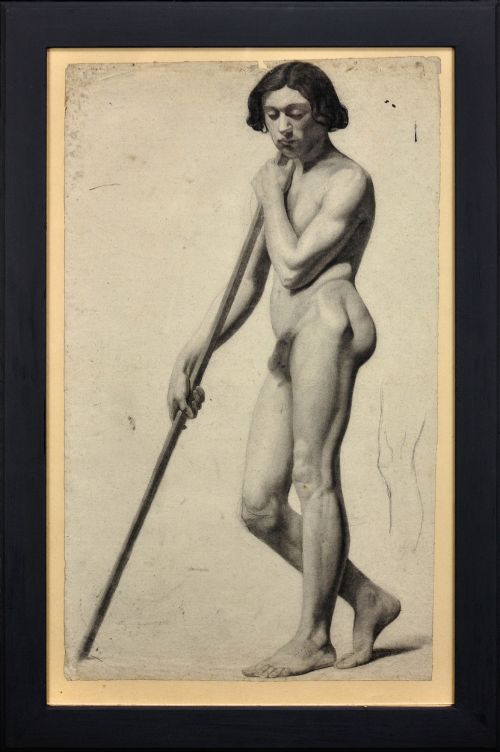
An antique charcoal portrait captures subjects ranging from academic life studies of the human form to detailed likenesses of Victorian gentlemen, ladies, and notable figures. These works span centuries, appearing alongside related mediums such as graphite, chalk, and pastel.
The assortment on this page includes French school academic works, Victorian drawings, and early twentieth-century pieces executed on paper. Buyers encounter framed original artworks, studio drawings, and detailed portrait studies reflecting periods from the eighteenth century through the art deco era.
Subjects vary from anonymous sitters and classical figures to named personalities, writers, and explorers. Whether rendered as a subtle side profile or a dramatic life study, each piece preserves the immediate touch of the artist's hand.
Materials and technique
Artists executed these works primarily with charcoal, graphite, chalk, and pastel applied directly to paper supports, occasionally utilising watermarked sheets such as J Whatman paper. Certain examples incorporate heightened charcoal or mixed media on canvas.
Framing materials commonly feature wood, glass, and gilded frames, including carved Florentine examples that complement the historical nature of the drawings. The physical execution relies on smudging, hatching, and precise linework to build shadow and form.
Antique Charcoal Portrait Retail Price Guide 2026
Typical asking prices for charcoal portrait among the pieces listed under this phrase on Sellingantiques today, from the lower quarter to the upper quarter. They describe what is for sale here now, not the wider market.
Listings feature works spanning the 18th, 19th, and early 20th centuries, executed on paper and canvas within wooden and gilded frames.
Factors of distinction
Quality rests upon the sureness of the draughtsmanship and the artist's ability to capture expression, anatomical proportion, and psychological depth within the subject. Works originating from recognised academic traditions or identified artists demonstrate superior control of tone and shadow.
The preservation of the delicate medium against the paper support, along with the retention of original framing elements such as carved gilded wood, influences the overall integrity of the piece.
Herbert Johnson Harvey·Henry Arthur Roberts·Sir Edwin Landseer·J D Fergusson·Winifred Eugene Ballard·John Hoppner·Reginald G Eves·Robin Watt·Theobald Chartran·John Seymour Lucas·Ernest Borough Johnson·George Richmond·Francis O A Haviland·Leo Klin·Francis Dodd·Cecil CP Lawson·Jonas Åkesson·Gainsborough Dupont
The Antique Charcoal Portrait Glossary
- Academic Realism
- A style of painting and drawing produced under the influence of European academies of art, emphasising precise anatomical accuracy and classical form. These works frequently include life studies of the human figure.
- Charcoal
- A dry drawing medium made from finely ground organic materials held together with a gum or wax binder, producing deep black marks on paper. Artists valued it for its tonal range and expressive potential.
- Graphite
- A crystalline form of carbon used as a drawing medium, yielding silver-grey lines rather than deep blacks. It often appears alongside charcoal and chalk in historical portrait studies.
- Giltwood
- Wood that has been covered with a thin layer of gold leaf or gold paint. This material frequently frames nineteenth-century portraits and drawings.
- Pastel
- A dry painting medium consisting of powdered pigment and a binder, creating velvety colour surfaces on paper or canvas. It appears frequently in portraiture alongside charcoal.
Antique Charcoal Portrait: Frequently Asked Questions
What is an antique charcoal portrait?
An antique charcoal portrait is an original drawing executed on paper using carbon-based sticks to capture the likeness of a person. These works date from past centuries and rely on tonal shading rather than paint.
They serve as historical records of sitters, ranging from formal commissions to studio life studies and sketches.
How do I care for a charcoal drawing?
Charcoal is a friable medium that can smudge or detach from the paper if disturbed. These works require framing behind glass with a spacer to prevent the paper from touching the glazing.
Keeping the artwork away from direct sunlight and high humidity prevents the paper support from degrading over time.
How are different periods identified?
Periods are identified through clothing styles, hairstyles, framing materials, and accompanying signatures, dates, or watermarks on the paper. Stylistic markers such as Victorian realism or art deco aesthetics also point to specific eras of execution.
Archival records and artist biographies help narrow down the date of creation when documentation exists.
Were these portraits meant for display?
Many historical portraits served as preparatory studies, academic exercises, or finished works intended for domestic display in frames. Artists produced them in studios or academies to hone their skill in capturing human expression.
Today, collectors house them in living spaces and studies, preserving their historical and aesthetic value.