

Antique Champagne Cooler
When choosing an antique champagne cooler, you secure a functional piece of dining history designed to keep bottles chilled in style.

Antique Champagne Cooler
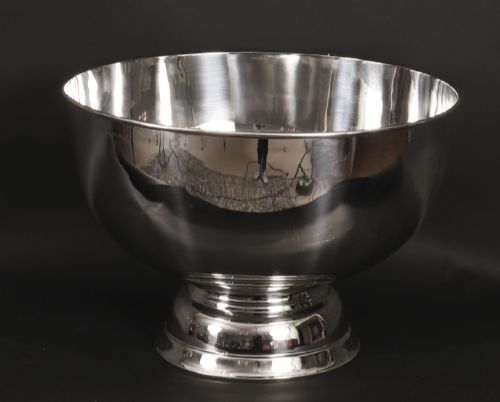
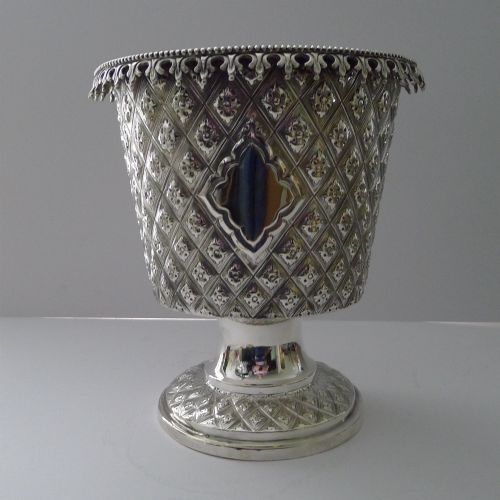
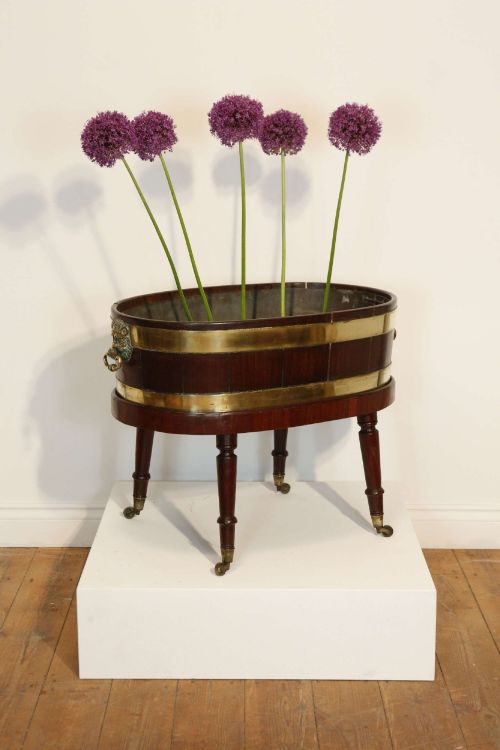
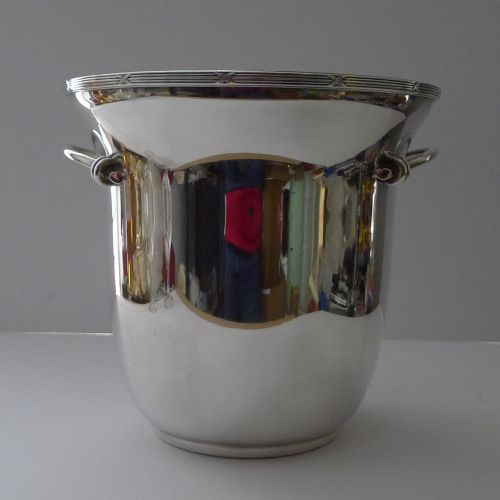
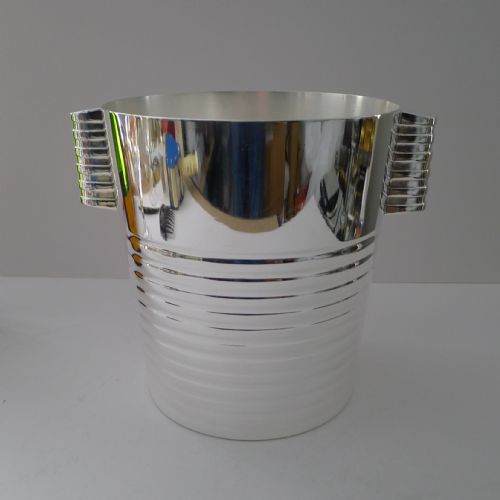
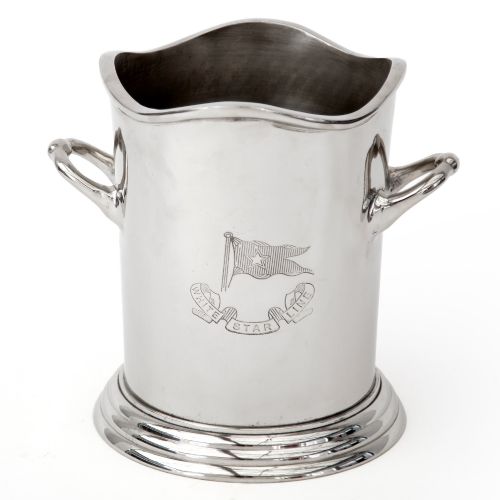
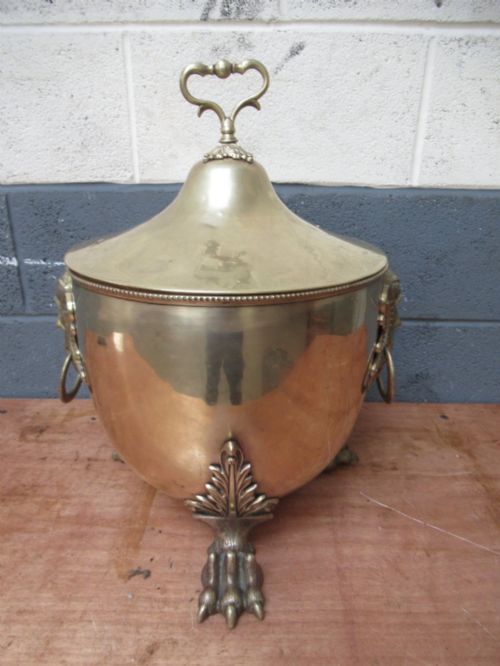
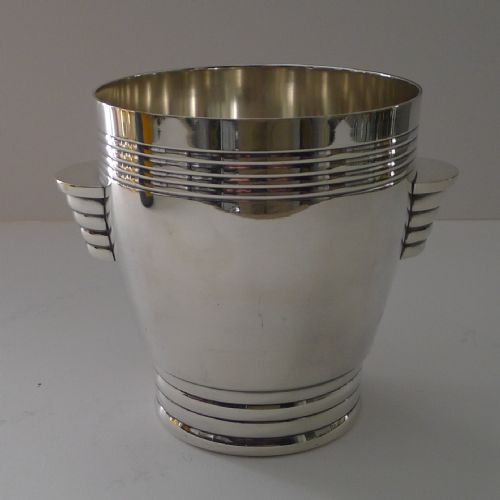
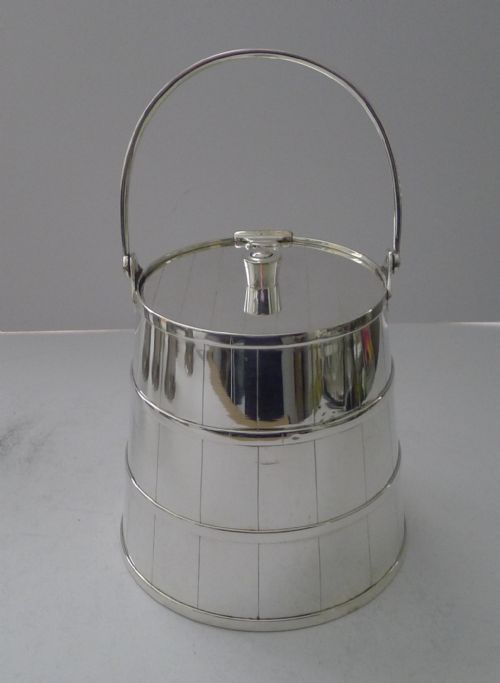
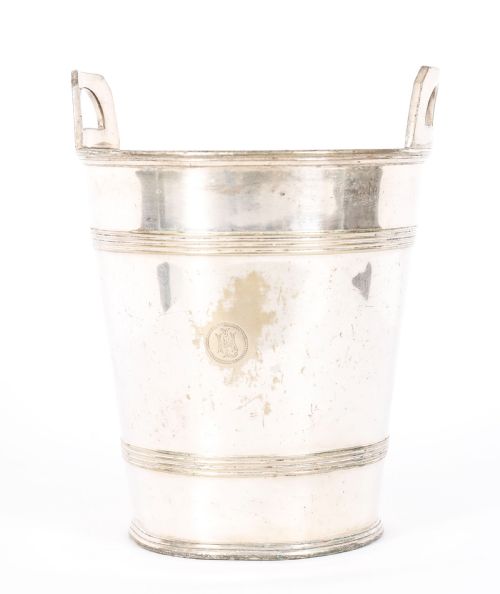
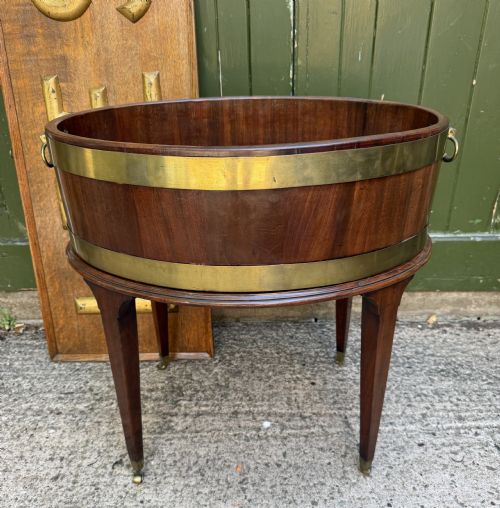
An antique champagne cooler is a vessel designed to hold ice and bottles at the table, encompassing forms from simple buckets to large standing vessels. When searching this phrase, buyers encounter items ranging from Georgian mahogany cellarettes to silver plated Art Deco ice pails.
The selection includes pieces produced across the eighteenth, nineteenth, and twentieth centuries, reflecting changing dining customs and entertaining styles. Silver plate and copper dominate the offerings, alongside timber and ceramic examples.
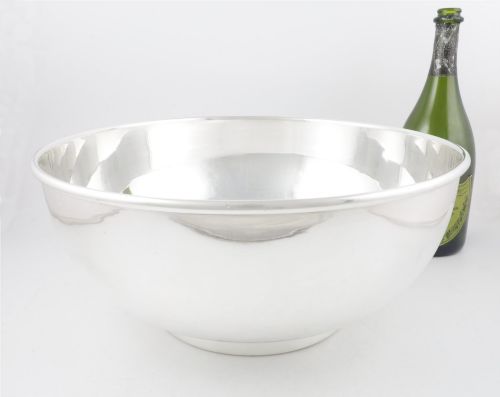
Many items served dual purposes as wine coolers, punch bowls, or jardinières, showing the adaptability of household vessels in period settings. Surviving examples demonstrate how hosts kept drinks at temperature before the advent of modern refrigeration.

How they were made
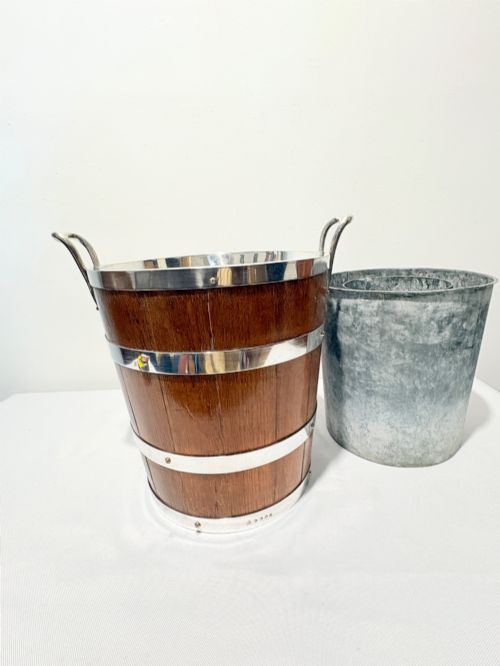
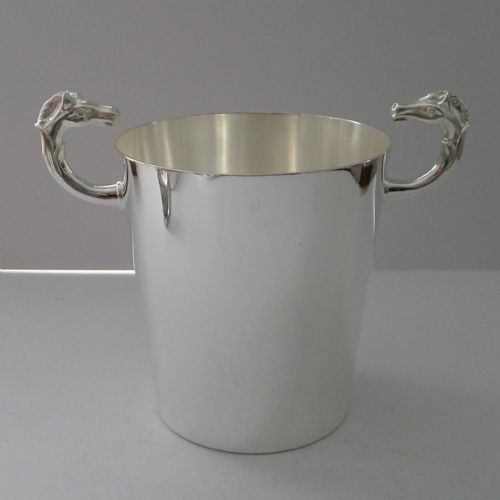
Silversmiths and manufacturers utilised silver plate, Old Sheffield Plate, and solid silver over copper cores to create polished metal vessels, often employing casting for handles and applied crests. Coopered wooden pieces relied on tight stave construction using oak or mahogany, bound with brass hoops and fitted with metal liners.
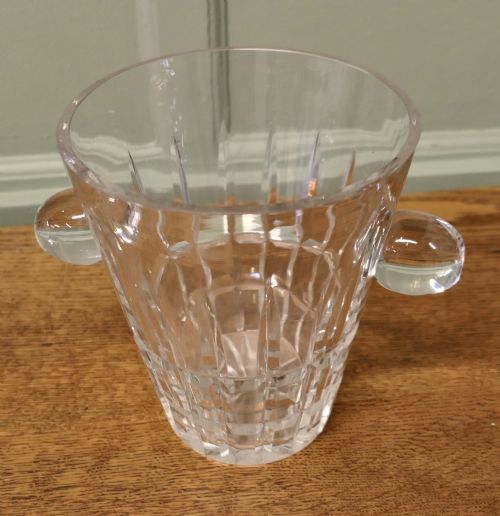
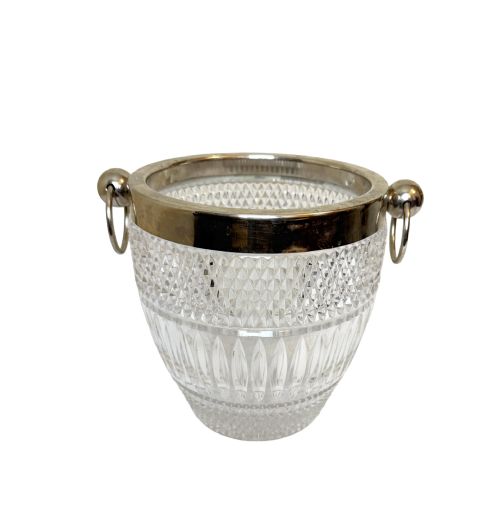
Potters shaped terracotta and earthenware bodies on wheels or in moulds, finishing them with glazes suited to holding liquids and ice. Cut crystal and glass ice buckets combined heavy blown blanks with silver plated mounts and rims for structural support.
Antique Champagne Cooler Retail Price Guide 2026
Typical asking prices for champagne cooler among the pieces listed under this phrase on Sellingantiques today, from the lower quarter to the upper quarter. They describe what is for sale here now, not the wider market.
What varies in quality
The distinction between standard production and top tier items rests upon the weight of the metal, the crispness of chased or cast ornamentation, and the integrity of the underlying construction. Pieces bearing maker marks from recognised silversmiths or workshops typically display superior detailing in handles, crests, and borders.
Material thickness and the preservation of original linings or wooden interiors dictate the durability and authenticity of surviving examples. Hand-cut crystal facets and precise coopered joints indicate superior craftsmanship during the manufacturing process.
Hutton Sheffield·Christofle·Elkington, Mason & Co·WMF·Mappin & Webb·Barker Ellis·Dawson·William Burwash·Ercuis·Elkington & Co·Puiforcat·Barnards·Walker & Hall
The Antique Champagne Cooler Glossary
- Old Sheffield Plate
- A composite material made by fusing a thin sheet of silver to a thicker copper base before rolling and shaping. This early technique leaves a characteristic edge where the base metal shows.
- Cellarette
- A lockable container used for storing wine bottles near the dining table, often raised on legs or fitted inside a stand. These timber pieces frequently double as coolers.
- Coopered
- Built from wooden staves fitted tightly together and secured by metal bands, similar to barrel construction. This technique kept wood stable when exposed to melting ice and moisture.
- Silver plate
- A thin layer of silver applied to a base metal such as copper, brass, or nickel silver. Manufacturers used various plating methods across the nineteenth and twentieth centuries.
- Jardinière
- An ornamental pot or stand designed to hold plants or flowers. Many large vessels catalogued as wine coolers share this form and function.
Antique Champagne Cooler: Frequently Asked Questions
How do I use an antique cooler today?
These pieces function well for chilling bottles at modern dinner parties, holding ice cubes, or serving as floral centerpieces. Their deep vessels accommodate modern bottle sizes alongside traditional vintages.
Place a protective liner inside older wooden or unlined metal vessels if holding melting ice for extended periods. This preserves the internal wood and metal surfaces from prolonged moisture exposure.
Were these buckets meant for wine or champagne?
Historical vessels served both wine and champagne depending on the era of manufacture and the evolving popularity of sparkling drinks. Eighteenth and early nineteenth-century pieces often bore labels for wine or punch before champagne consumption became widespread.
Many forms adapted easily between uses, functioning as ice buckets, punch bowls, or bottle holders as dining fashions shifted over the centuries.
How do I date a silver plated cooler?
Maker marks, registry numbers, and style indicators provide the primary clues for dating silver plated vessels. Stylistic shifts from Georgian neoclassical designs to Victorian rococo revival and Art Deco geometry help narrow the decade of production.
Examining the manufacturing technique, such as the presence of Old Sheffield Plate fusion edges versus nineteenth-century electroplating, establishes a clear chronological bracket.
Can I polish silver plated coolers?
Gentle cleaning with appropriate silver care products maintains the finish without removing the thin plated layer. Avoid abrasive compounds that wear down the plating, particularly on raised decorative mounts and crests.
Patina accumulated over decades adds character to antique metalwork, so polishing should target active tarnish rather than attempting a mirror-bright factory finish.