

Antique Chair with Castors
An antique chair with castors brings movable comfort to a room, offering sturdy mobility paired with period craftsmanship from the nineteenth and early twentieth centuries.
Antique Chair with Castors
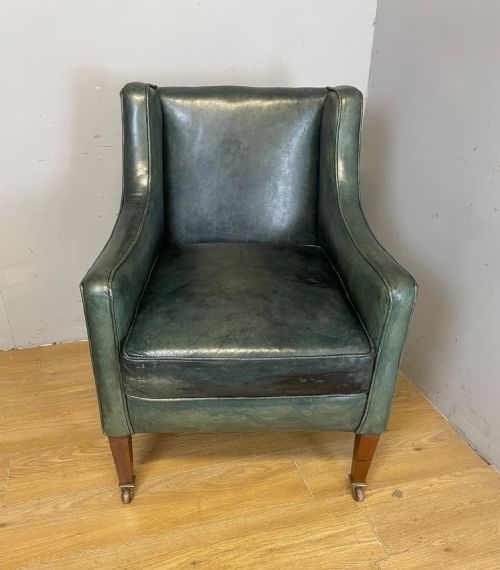
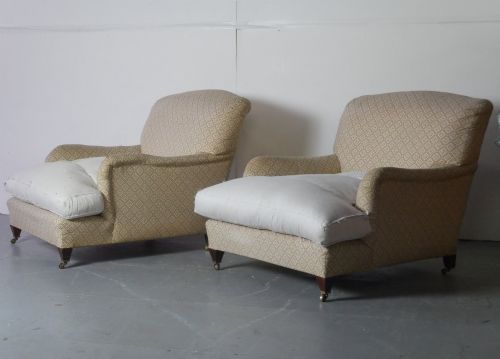
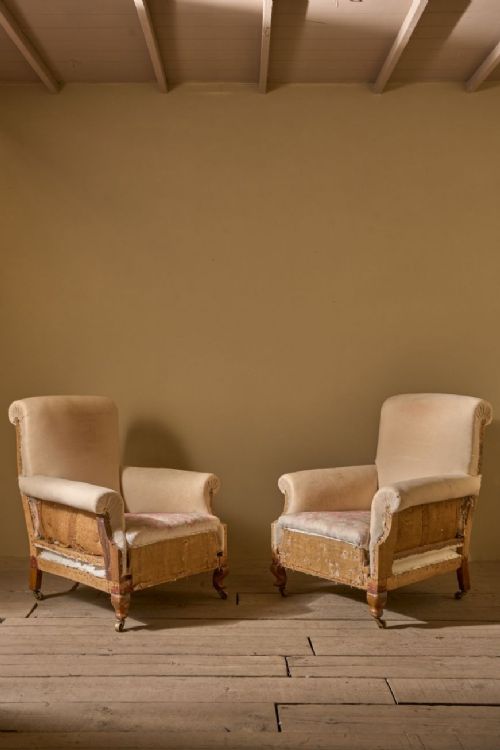
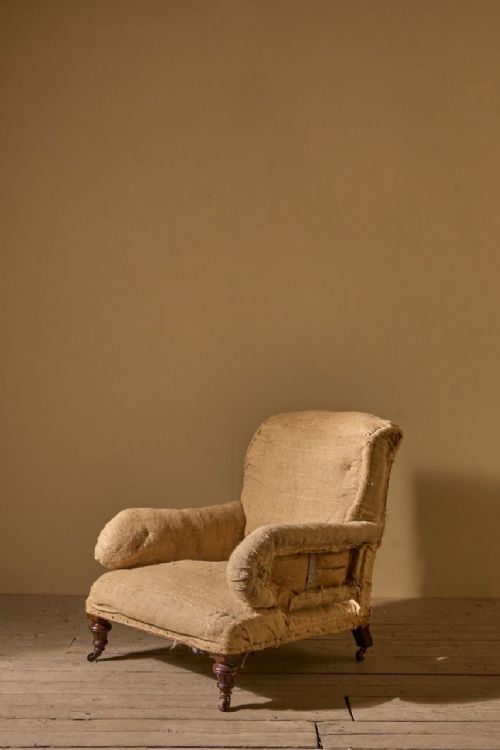
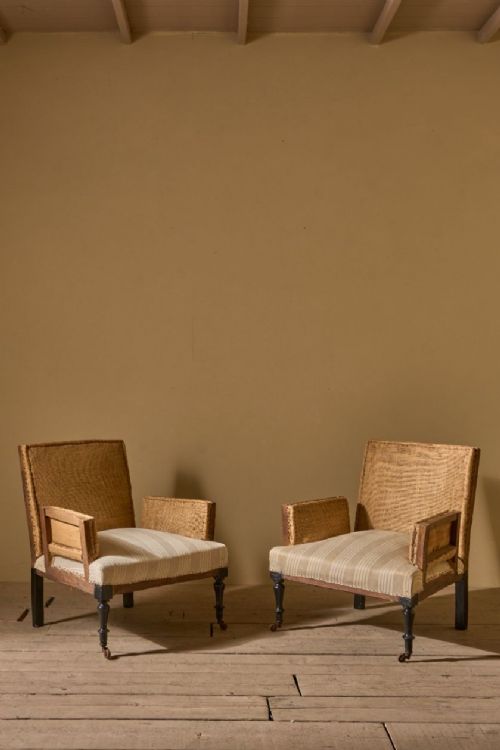
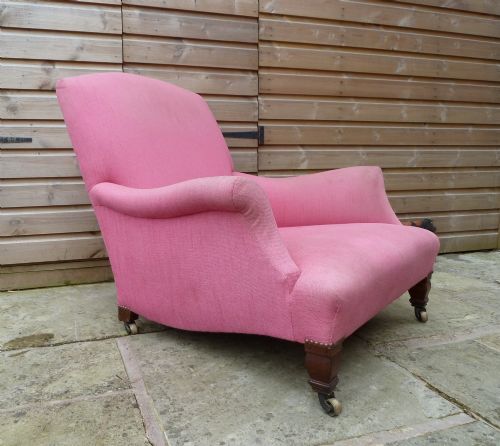
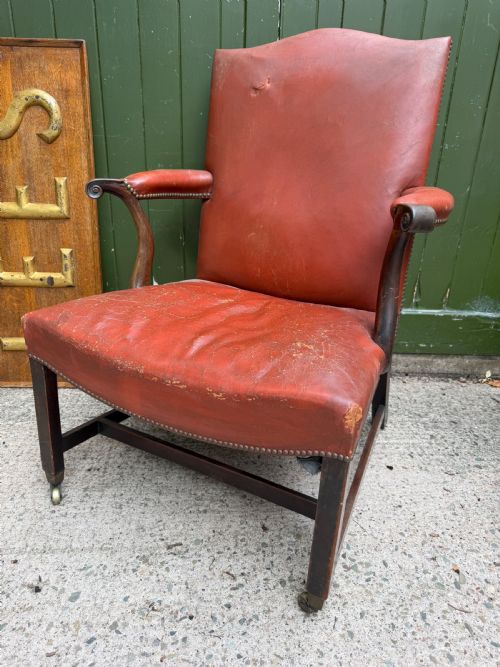
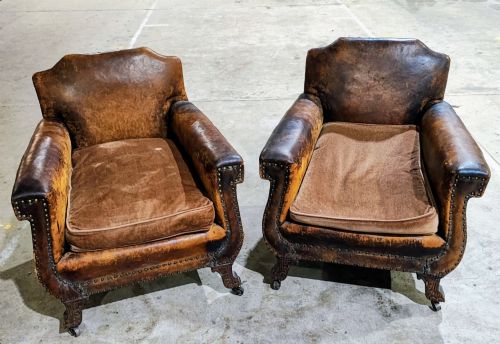
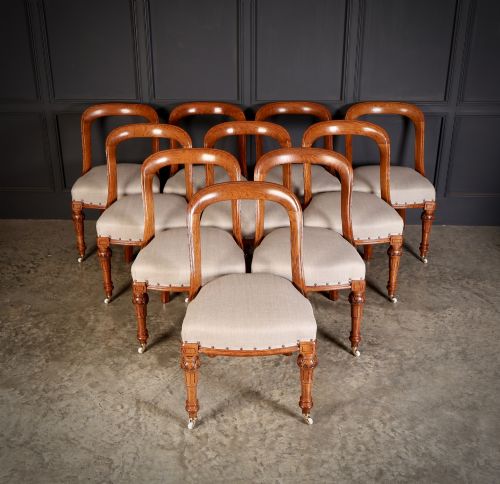
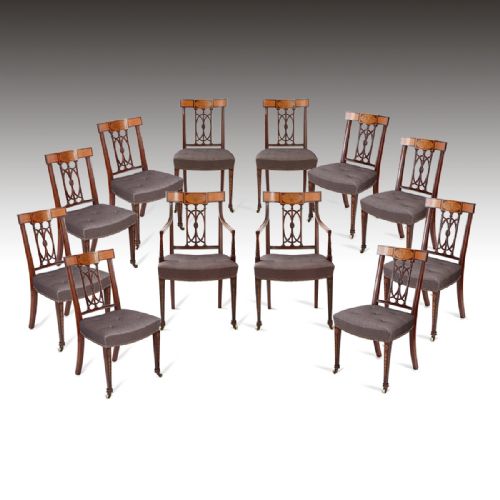
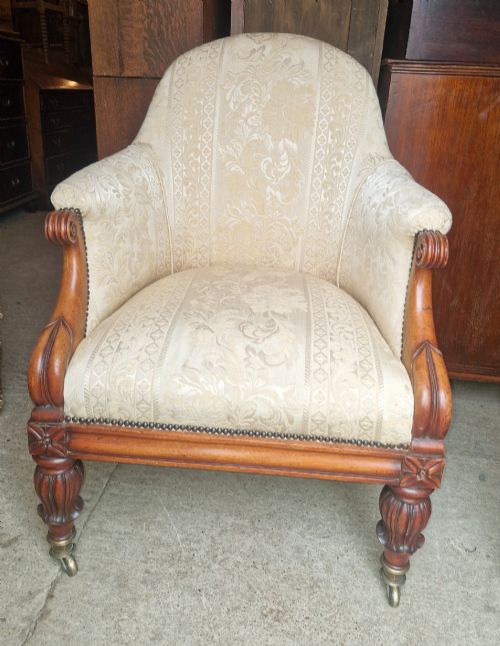
An antique chair with castors unites practical mobility with traditional seating design, appearing primarily as armchairs, desk chairs, dining chairs, and library armchairs across this selection. These pieces emerge from the nineteenth century, Regency, Victorian, and Edwardian eras, reflecting the domestic needs of parlours, libraries, and studies where moving heavy seats across thick carpets was necessary.
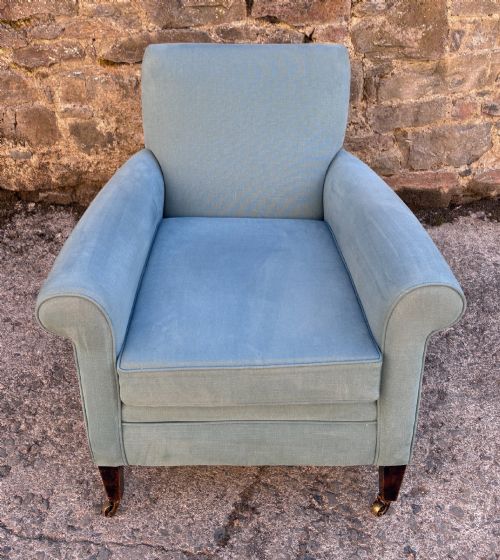
The most common forms on this page include deep-seated library and club armchairs alongside bedroom chairs and dining sets. Makers built these chairs in mahogany, oak, rosewood, and walnut, often mounting the front or all four legs on small metal wheels to ease repositioning without damaging floor coverings.
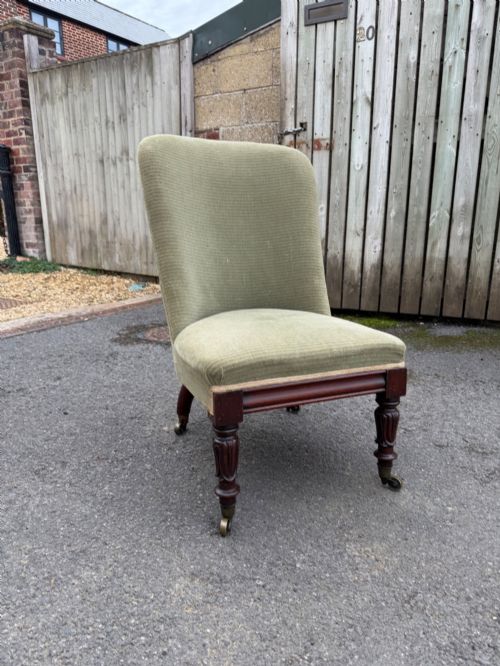
Meticulous upholstery defines many examples here, ranging from original leather and tapestry fabric to velvet and needlework. Whether a compact slipper chair or an oversized open armchair, each piece demonstrates how period furniture makers integrated functional hardware into domestic seating.
Materials and Construction Methods
Cabinetmakers constructed the frames of these chairs using durable hardwoods such as mahogany, oak, walnut, and rosewood, joined with traditional mortise and tenon techniques. Turners shaped the wooden legs to match prevailing aesthetic movements, adding brass or iron castors securely fitted to the base of each foot.
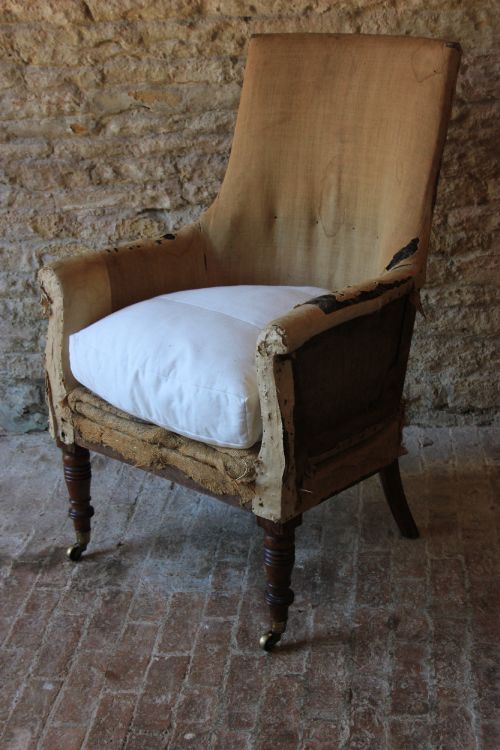
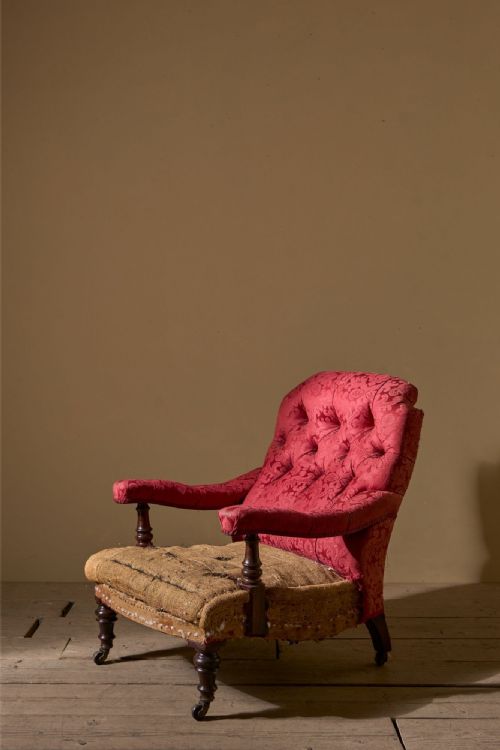
Upholstery methods involved webbed seat bases, coil springs, and horsehair stuffing, covered in leather, velvet, cotton tapestry, or needlework. Makers secured these textile layers with rows of brass tacks or deep buttoning, creating resilient support that sustained daily use in studies and drawing rooms.
Cockfighting chairs offered gentlemen a supportive chest rest while sitting backwards to watch sporting bouts.
Determinants of Quality in Period Seating
Superior quality in an antique chair with castors rests upon the proportion and timber selection of the wooden frame. Finely carved or turned details, robust joinery, and heavy, original metal castors distinguish the finest pieces from more utilitarian workshop output.
The integrity of the internal stuffing and the execution of the upholstery dictate the standard of comfort and finish. Pieces bearing maker stamps or retaining their original castors demonstrate a higher tier of craftsmanship and historical completeness.
Howard and Sons·Cope and Collinson·Kendrick and Jefferson·James Shoolbred
The Antique Chair with Castors Glossary
- Castor
- A small wheel fitted to the foot of a piece of furniture to allow easy rolling across the floor. They are commonly made of brass or iron and attached via a stem or plate.
- Bergère
- An enclosed upholstered armchair with wooden framing visible around the sides and back. The arms and back panels often feature woven cane work.
- Button Back
- An upholstery style where depressions are formed in the padding by pulling thread tightly through the fabric and securing it with buttons. This method keeps the internal stuffing evenly distributed.
- Library Chair
- A sturdy, comfortable armchair designed for reading rooms and studies. These chairs frequently feature reading arms or generous upholstered proportions.
- Slipper Chair
- A low-seated bedroom chair traditionally used by women while dressing. Their compact height and mobility make them suited to intimate spaces.
Antique Chair with Castors: Frequently Asked Questions
What periods do these chairs come from?
The listings span the nineteenth and early twentieth centuries, encompassing Regency, Victorian, Edwardian, and Arts and Crafts eras.
Cabinetmakers of these periods produced diverse seating forms, utilising woods like mahogany and oak alongside brass hardware.
Are the castors original to the chairs?
Many pieces retain their original metal or brass castors, while others feature period-appropriate replacements fitted during historical maintenance.
Examining the fixings reveals whether the wheels match the age and wear patterns of the wooden frame.
How were these chairs used originally?
Owners rolled them easily across carpets in libraries, drawing rooms, and bedrooms to adjust their placement near fires or desks.
The addition of wheels provided practical mobility without requiring heavy lifting.
What fabrics cover these antique chairs?
Upholstery materials include leather, velvet, tapestry fabric, needlework, and cotton, with some pieces featuring deep buttoning.
Many chairs retain later or renewed fabric coverings applied during professional restoration over the decades.