
Antique Ceramic Pedestals
These antique ceramic pedestals and raised vessels bring height and presence to displays, drawing the eye upward through structured form and glazed surface.
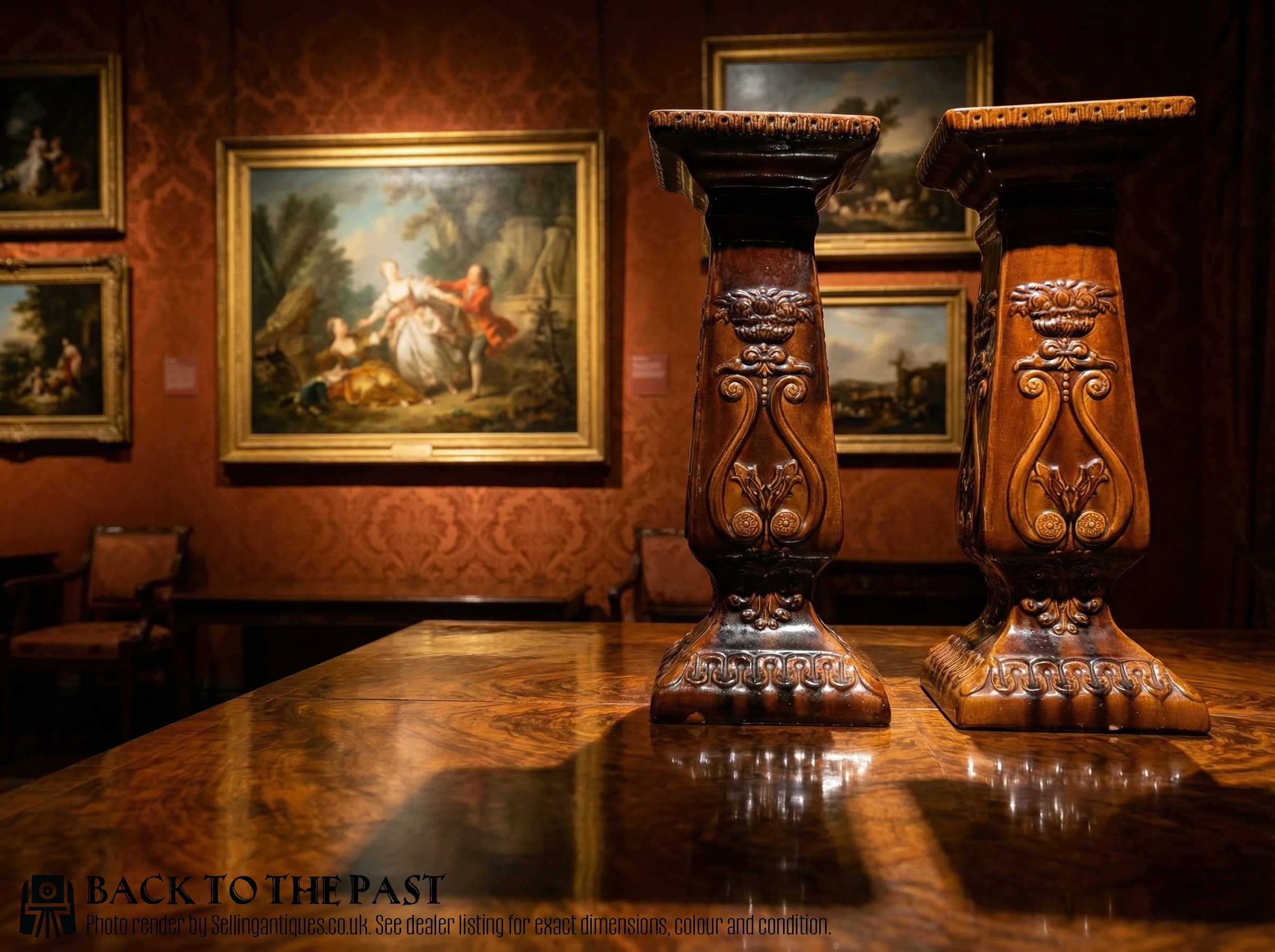
Antique Ceramic Pedestals
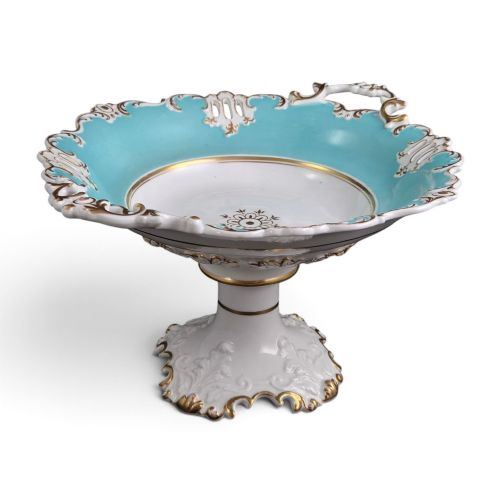
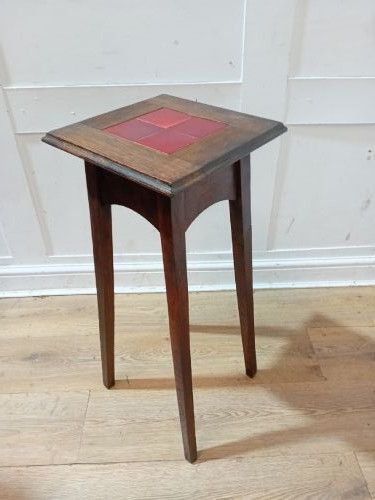
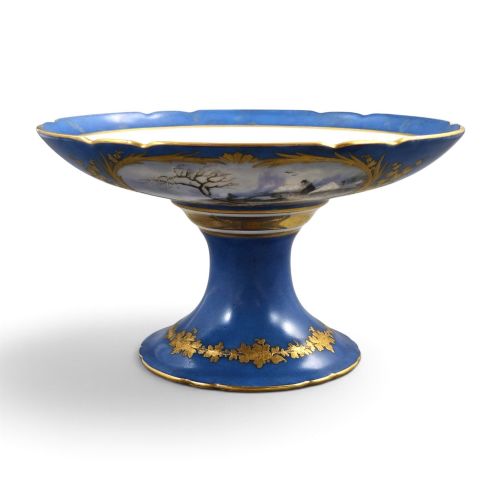
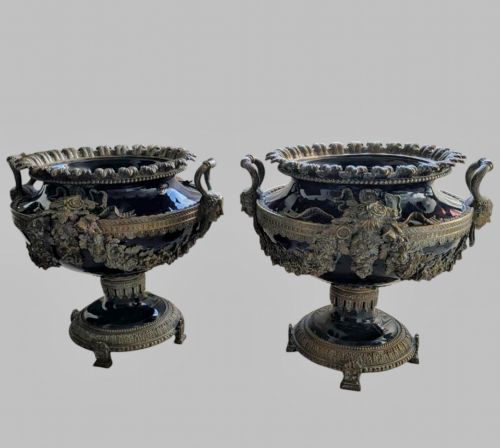
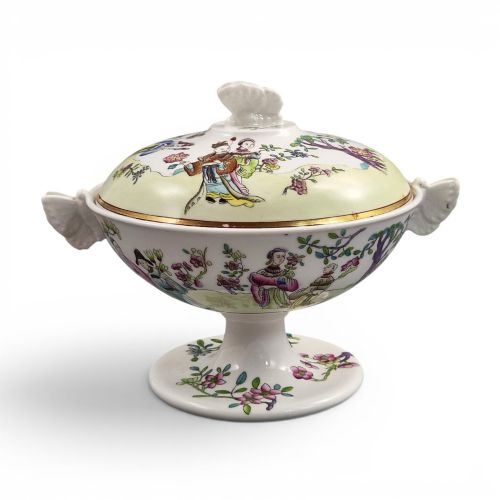
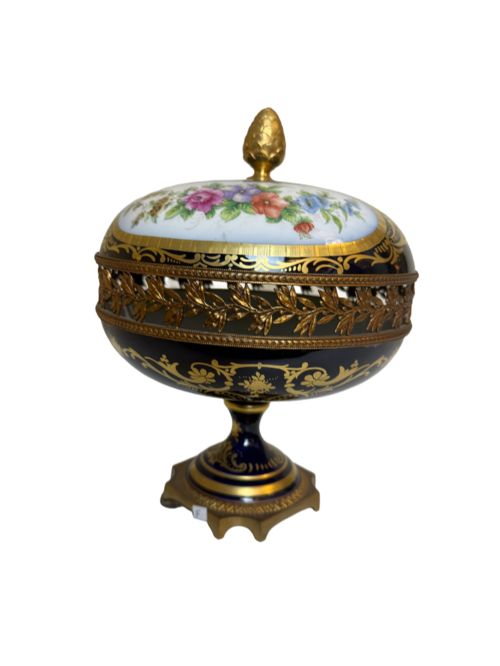
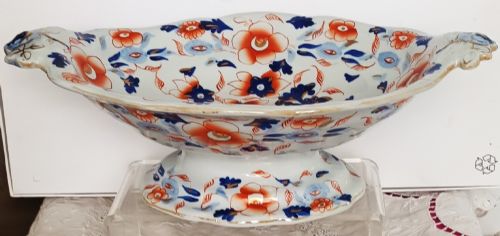
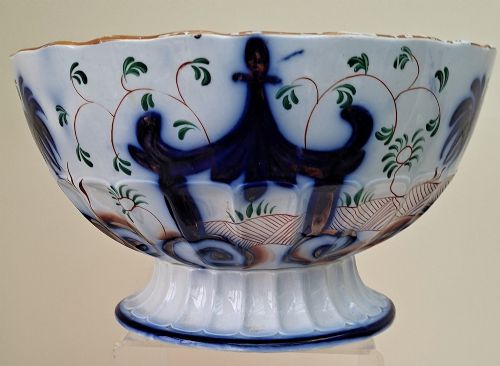
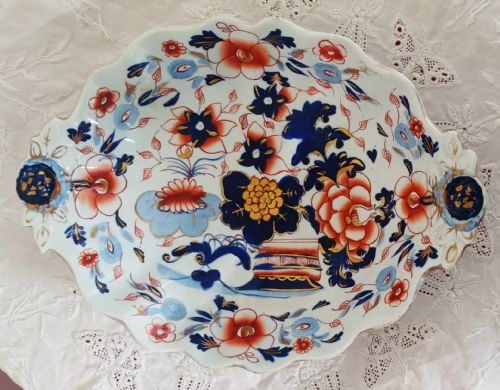
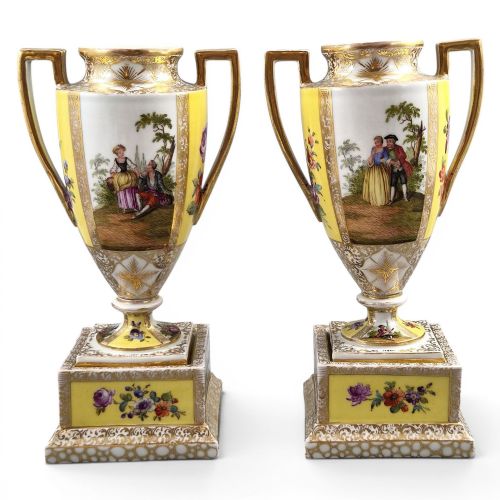
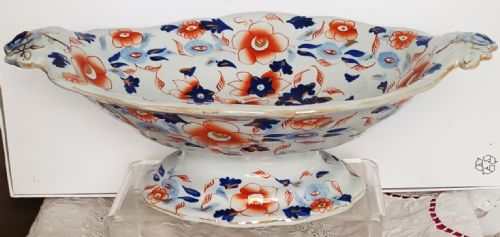
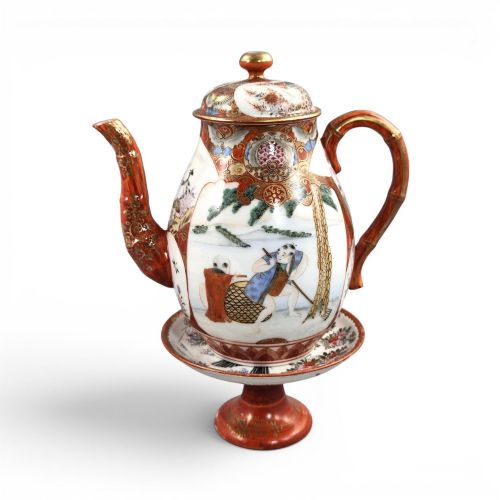
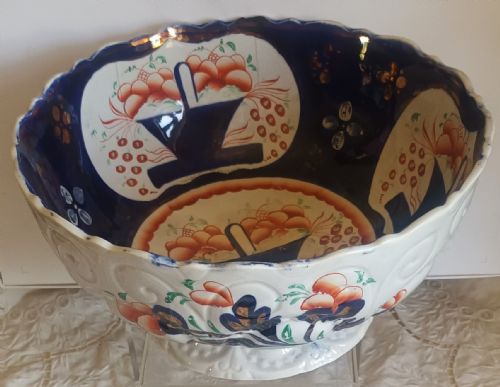
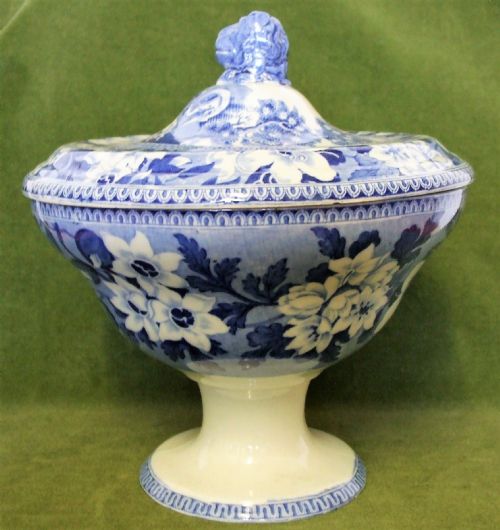
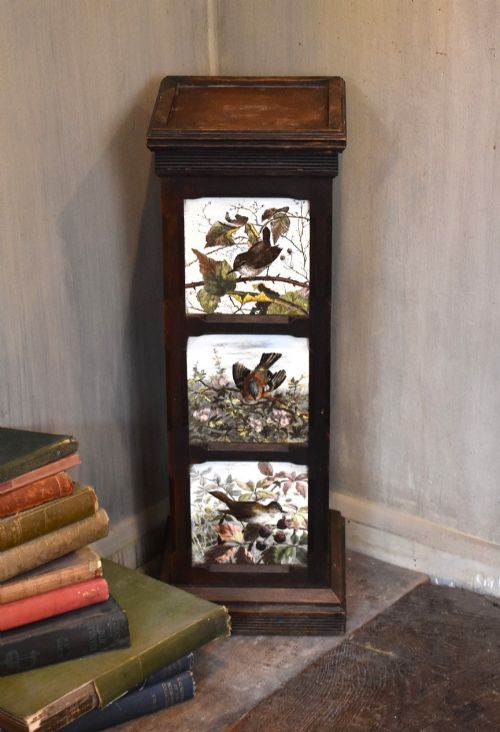
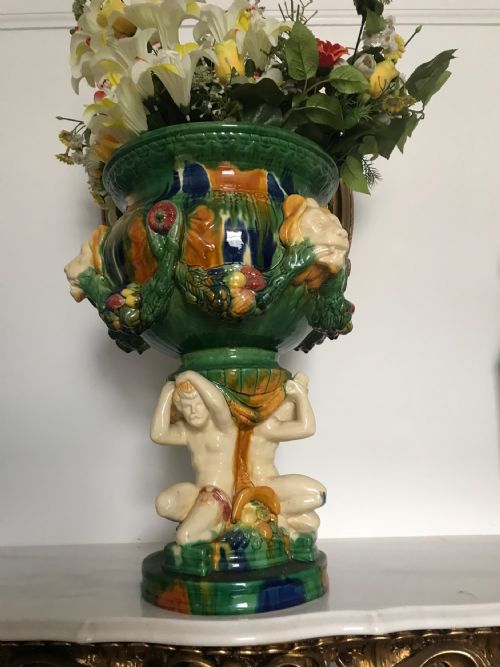
When searching for antique ceramic pedestals, collectors encounter elevated planters, jardinière stands, tazzas, and footed vessels designed to lift decorative items above surface level. The selections available encompass nineteenth-century majolica jardinières on figural bases, tiled stands, and porcelain centrepieces from English, French, German, and Japanese makers.
The forms span practical table-standing comports alongside tall floor-standing columns and glazed ceramic plant holders. Many items combine a separate vessel with a matching or complementary base column to form a unified display piece.
Examples originate across the Georgian, Victorian, and Edwardian eras, reflecting stylistic shifts from neoclassical restraint to ornate rococo revival and art nouveau plant motifs.
What varies in quality
The integrity of the structural join between a vessel and its pedestal base also distinguishes standard production from superior work. Examples bearing well-documented factory marks from prominent potteries retain greater documentary interest alongside their sculptural merit.
Listings span eight distinct periods, led by the nineteenth century and Victorian eras alongside Georgian and Edwardian examples.
Coalport·Spode·Limoges·Meissen·Burmantofts·Royal Doulton·Wedgwood
The Antique Ceramic Pedestals Glossary
- Comport
- A shallow decorative bowl raised on a short stem or foot, used historically for serving fruit or sweetmeats at the table.
- Jardinière
- A large ornamental pot or planter designed to hold living plants, frequently placed on the floor or upon a matching ceramic column.
- Tazza
- A wide, shallow saucer-like dish mounted on a central foot or pedestal, originating in Renaissance Italy.
- Majolica
- earthenware pottery covered with an opaque tin-lead glaze and painted with brightly coloured metal oxides.
- Campana
- A bell-shaped classical urn form with an everted rim and a footed base, popular in neoclassical design.
Antique Ceramic Pedestals: Frequently Asked Questions
How were ceramic pedestals used?
These elevated pieces served multiple domestic functions, from holding potted palms and floral arrangements in Victorian reception rooms to displaying fruit on dining tables. Tall stands lifted heavy plants to window light, while smaller footed bowls and tazzas occupied sideboards and centre tables as decorative ornaments.
In grander interiors, matched pairs of urns and pedestals flanked doorways or filled empty architectural corners. Their substantial height added vertical dimension to interior schemes long before modern display furniture became common.
How do I style these in a modern room?
A ceramic pedestal works well as a standalone sculptural element in an empty corner or hallway. Placing a large green plant or a simple decorative bowl on top immediately draws the eye and breaks up flat wall space.
Mixed materials around the room help ground the glossy ceramic finish, particularly when paired with natural wood or stone surfaces. Smaller comports and tazzas function effectively on side tables to hold everyday objects or smaller floral arrangements.
How do I distinguish Victorian from Georgian pieces?
Georgian ceramics often favour classical transfer-printed patterns, simpler ironstone bodies, and restrained neoclassical proportions. Blue and white transfer designs dominate this earlier phase, showing architectural or exotic garden scenes.
Victorian items embrace heavier ornamentation, vibrant majolica glazes, and complex figural mouldings. The later nineteenth century introduces bolder colours like turquoise and royal yellow alongside relief-moulded plant leaves and animal motifs.