
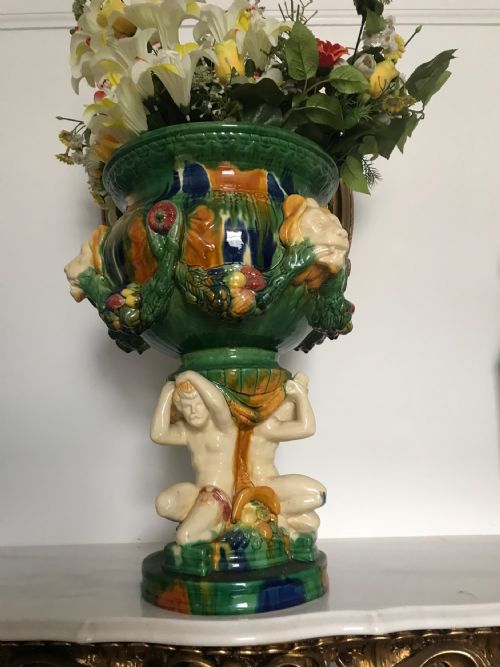


Antique Ceramic Pedestal Bowl
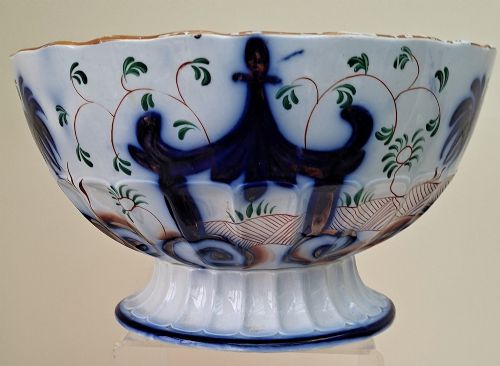
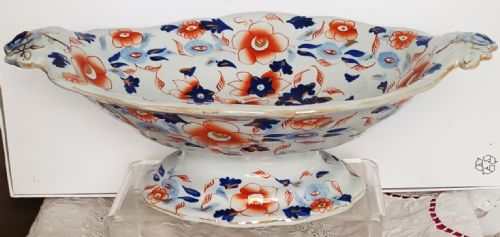
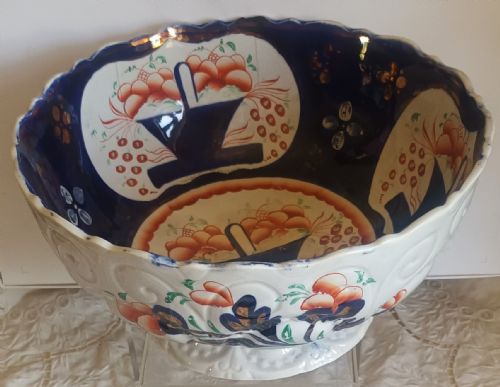
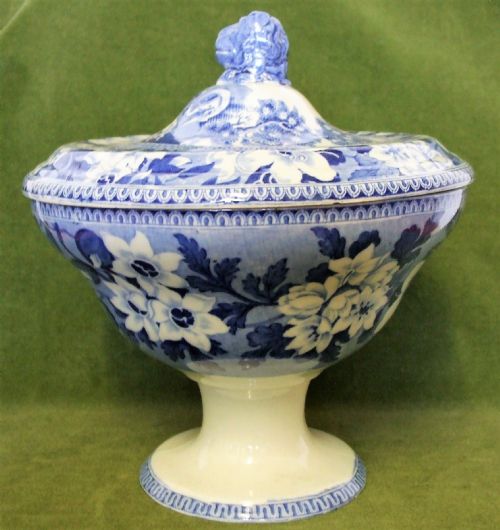
An antique ceramic pedestal bowl elevates fruit, flowers and desserts on a raised foot, bringing height and proportion to a table.
Antique Ceramic Pedestal Bowl
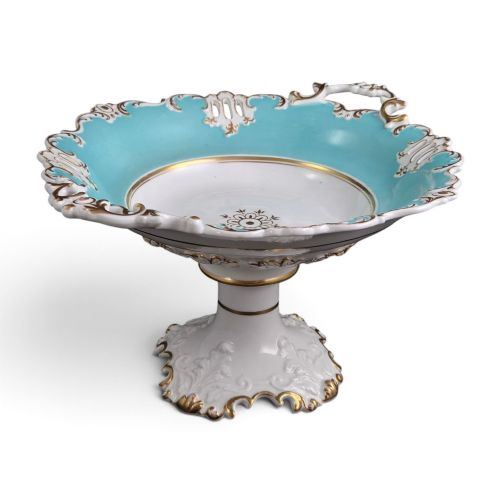
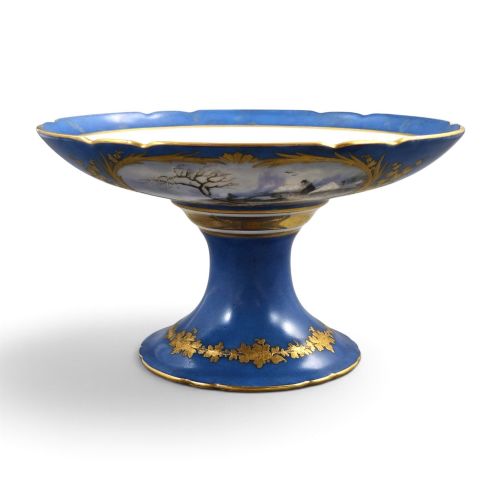
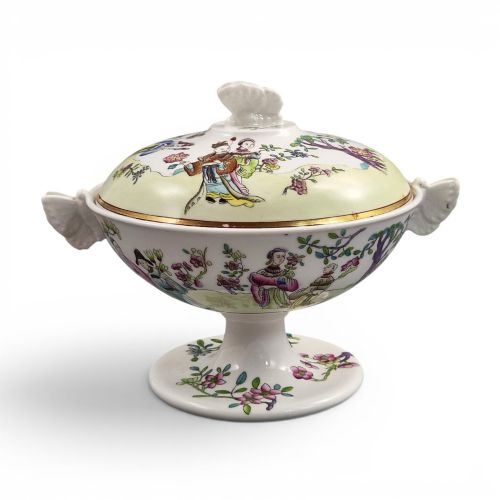
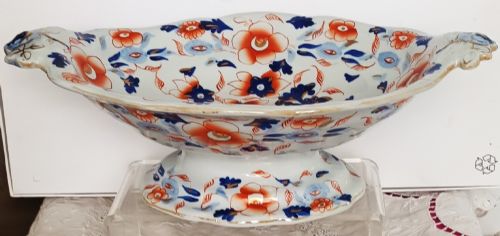
An antique ceramic pedestal bowl appears in several traditional elevated formats across this collection, including comports, compotes, tazzas and centrepieces. These footed vessels served formal dining tables for fruit, sweetmeats and decorative displays during the Georgian, Victorian and Edwardian eras.
The pieces seen here range from sturdy ironstone comports decorated in transfer-printed blue and white patterns to delicate porcelain tazzas bearing hand-painted scenes and rich gilding. Earthenware pottery vessels with majolica glazes also feature prominently, often modelled with botanical motifs or figural supports.
Originating from English potteries like Minton, Wedgwood and Mason's, alongside continental factories in France, Germany and Italy, these footed bowls reflect the shifting tastes of the nineteenth and early twentieth centuries from neoclassical restraint to exuberant revival styles.
Materials and methods
Potters shaped these vessels using porcelain, ironstone, earthenware and pearlware, often throwing or moulding the bowl and pedestal separately before joining them with slip. Ironstone provided a dense, durable body suited to heavy daily use, while fine porcelain allowed for translucent walls and delicate handles.
Surface decoration combined underglaze transfer printing with hand-applied enamels, copper lustre and heavy gilding, fixed through multiple kiln firings. Majolica pieces utilised coloured lead glazes over moulded earthenware to achieve vibrant tones on relief-moulded leaves and figural bases.
Design styles represented across the inventory include Georgian, Regency, Victorian, Arts and Crafts, Art Nouveau and Art Deco.
Distinguishing quality
The refinement of the modelling and the crispness of any applied or moulded relief work set the better examples apart from standard production pieces. Figures, handles and pedestal stems show greater anatomical precision and sculptural depth on superior vessels.
Hand-painted details, rich ground colours such as cobalt or turquoise, and substantial gilding indicate higher workshop standards. The clarity of transfer printing and the smoothness of the glaze finish further separate standard kitchenware from elaborate display comports.
Coalport·Sèvres·Spode·John Rogers and Son·Ulisse Cantagalli·Schierholz·Maling·Wedgwood·Minton·Royal Worcester·Davenport·Eichwald·Moorcroft
The Antique Ceramic Pedestal Bowl Glossary
- Comport
- A footed dish or bowl used for serving fruit, nuts or sweetmeats at dessert. It sits elevated above the table surface on a base or pedestal.
- Tazza
- A shallow saucer-shaped bowl mounted on a stem and foot, derived from ancient Roman forms. Makers frequently used this shape for decorative centrepieces.
- Ironstone
- A patented ceramic body developed in England to create a hard, durable earthenware that resisted chipping. It formed a cheaper, robust alternative to true porcelain.
- Majolica
- A type of earthenware coated with an opaque tin glaze and painted with metallic oxide colours. Victorian potteries applied this technique to produce brightly coloured, relief-moulded fruit and leaf bowls.
- Pearlware
- A refined earthenware developed in the late eighteenth century featuring a subtle bluish glaze in the recesses. It bridged the gap between creamware and true white porcelain.
Antique Ceramic Pedestal Bowl: Frequently Asked Questions
What is a pedestal bowl used for?
These elevated vessels primarily held fruit, sweetmeats or floral arrangements as centrepieces for dining tables during the eighteenth and nineteenth centuries.
Today, they function effectively as decorative objects or practical serving dishes for sideboards and dining settings.
How do I clean an antique ceramic bowl?
Wash these pieces gently by hand using lukewarm water and a mild detergent, avoiding harsh scrubbers or dishwashers.
Older overglaze enamels and gold leaf are fragile and can wear away if soaked for extended periods.
How can I tell the period?
Examine the base for factory backstamps, impressed maker marks or pattern registration numbers that provide a date of manufacture.
The ceramic body, glaze characteristics and artistic style also offer strong clues to whether a piece belongs to the Georgian, Victorian or Edwardian eras.
Are these bowls safe for food?
Most antique earthenware and porcelain remain stable for serving dry foods, though crazed glazes can absorb liquids over time.
Porteries with heavy metallic lustre or overglaze gilding are generally best reserved for display rather than daily dining.