


Antique Earthenware Fruit Dish
An antique earthenware fruit dish brings tactile warmth and historic charm to the table, offering shaped vessels designed to display fresh produce.
Antique Earthenware Fruit Dish
The antique earthenware fruit dish encompasses a wide variety of forms, including footed comports, chestnut baskets, decorative bowls, and dessert service pieces. These utilitarian yet decorative objects were made to hold seasonal fruits, bringing colour and structure to dining tables across multiple centuries.
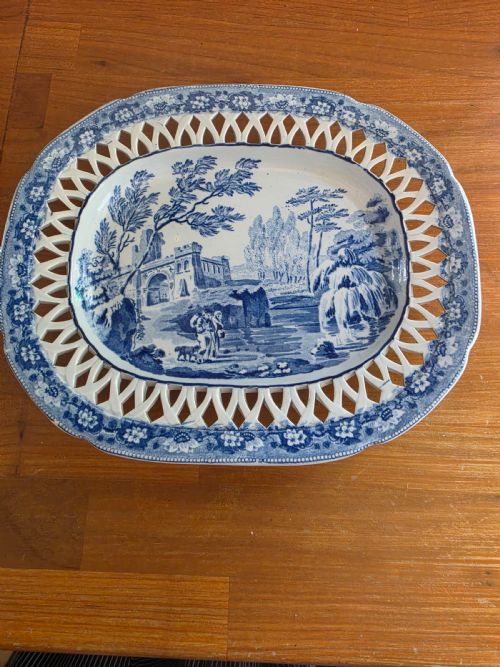
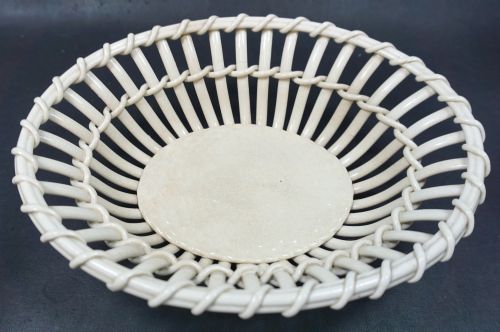
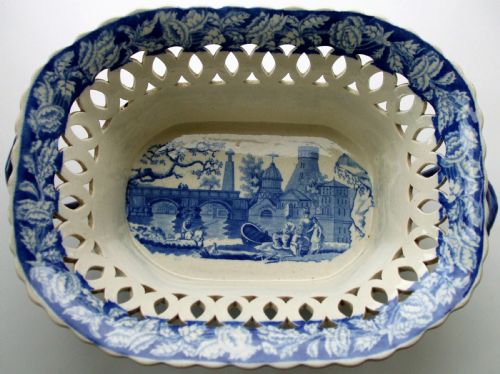
Forms range from simple hand-painted plates to elaborate centrepieces featuring figural supports, pierced fretted borders, and raised basketweave textures. Each piece reflects the shifting tastes of dining customs, moving from formal service sets to standalone decorative vessels.
Materials and construction
Potters utilised porous earthenware bodies, including creamware and pearlware, as the foundational canvas for these vessels, often applying rich lead glazes or enamel colours to seal the surface. Ironstone and specialised majolica pastes also appear across the selection, providing durable weight and crisp definition to moulded details.
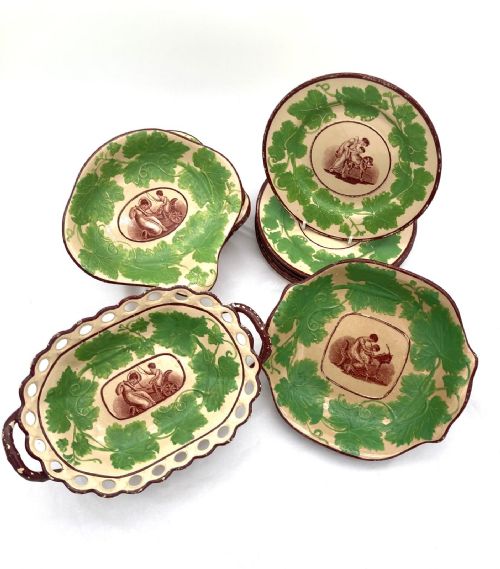
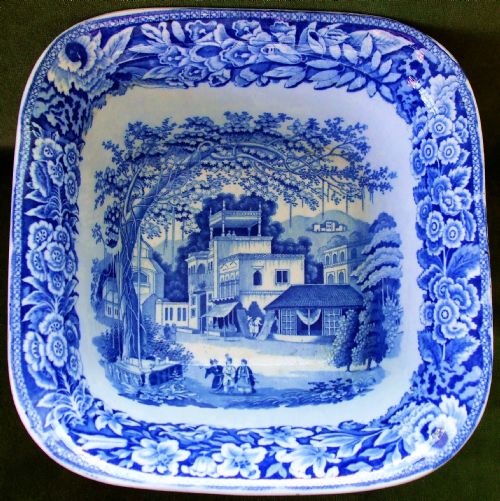
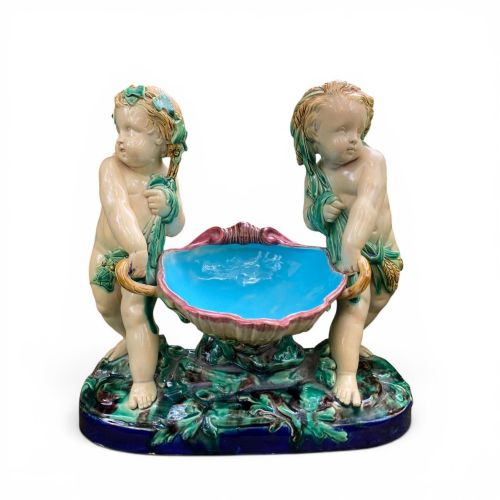
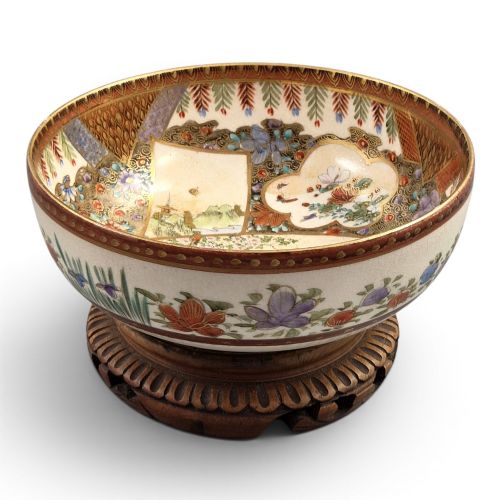
Decoration relied heavily on underglaze blue and white transfer printing, hand painting, and slip-casting techniques that allowed for intricate relief work such as leaves, cherubs, and basketweave textures. Kiln firing fixed the earthenware bodies before secondary low-temperature firings set the enamels and lustres.
Materials represented across the selection include standard earthenware, creamware, pearlware, ironstone, and glossy lead glazes.
Judging quality and craftsmanship
Quality rests upon the crispness of the moulding and the skill executed in the hand-painting or transfer printing. Superior pieces display deep, even glazes free from heavy pooling, alongside sharply defined relief work that retains its tactile integrity.
The prestige of the maker and the complexity of the form distinguish finer examples from standard production wares. Elaborate figural supports, pierced openwork, and fully signed bases elevate a piece beyond basic utility into high craftsmanship.
Davenport·Wedgwood·J. and R. Clews·J. and R. Riley·Minton·Jose Alvez Cunah·Moorcroft
The Antique Earthenware Fruit Dish Glossary
- Creamware
- A fine-grained, pale cream-coloured earthenware developed in the eighteenth century. It revolutionised British ceramics with its light weight and smooth glaze.
- Pearlware
- An refined earthenware body featuring a subtle bluish tint in the glaze, created to imitate Chinese porcelain. It was widely used during the Regency and Georgian periods.
- Majolica
- A heavy earthenware type glazed with lead and coloured with metallic oxides, celebrated during the Victorian era for its vibrant, glossy hues and naturalistic relief motifs.
- Comport
- A raised footed bowl or dish designed specifically for serving fruit or dessert at the table. It stands above standard plates to create height and visual interest in a table setting.
- Transferware
- Pottery decorated by applying a printed design from an engraved copper plate onto tissue paper, which was then transferred onto the unglazed or bisque ceramic body before glazing.
Antique Earthenware Fruit Dish: Frequently Asked Questions
How were these fruit dishes originally used?
These vessels sat centrally on dining tables during the course of dessert, holding fresh fruits, nuts, or sweetmeats for guests to take at the conclusion of a meal.
Larger comports and centrepieces created vertical tiered arrangements, while shallow baskets and plates held individual portions or delicate selections.
Can I use an antique earthenware dish for daily dining?
While structurally sound, antique earthenware demands careful handling due to the porous nature of the historic ceramic bodies and potential glaze crazing over centuries.
Gentle hand washing preserves the delicate enamels and transfer prints, ensuring these pieces survive safely as display items or occasional serving vessels.
How do I tell Regency earthenware from Victorian pieces?
Regency pieces often feature refined creamware or pearlware bodies with delicate blue and white transfer prints or restrained neoclassical shapes.
Victorian items typically embrace heavier majolica glazes, bolder naturalistic leaf and fruit motifs, and more vibrant, saturated colour palettes.
What is the difference between a compote and a comport?
The terms are largely interchangeable, both referring to a raised, footed vessel designed to hold fruit or sweet items on a dining table.
Regional preferences and maker terminology usually dictated which word appeared in historic catalogues and modern descriptions.