


Antique Ceramic Compote Bowl
When you search for an antique ceramic compote bowl, you are looking at footed vessels and centrepieces formed from porcelain, ironstone, and earthenware during the Georgian, Victorian, and Edwardian eras.
Antique Ceramic Compote Bowl
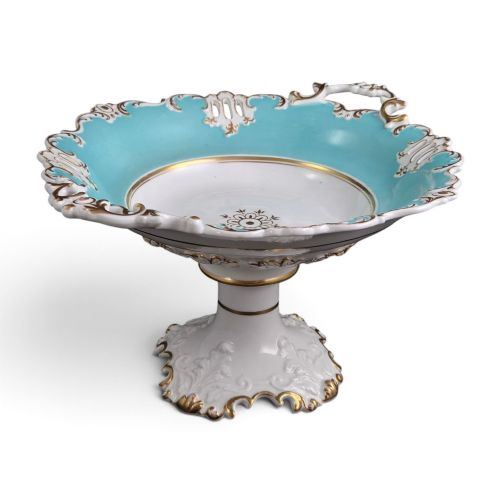
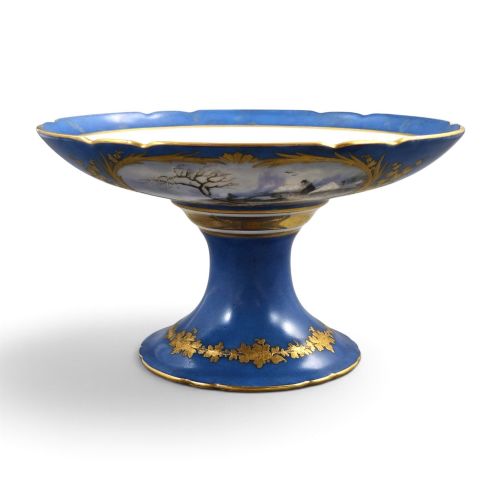
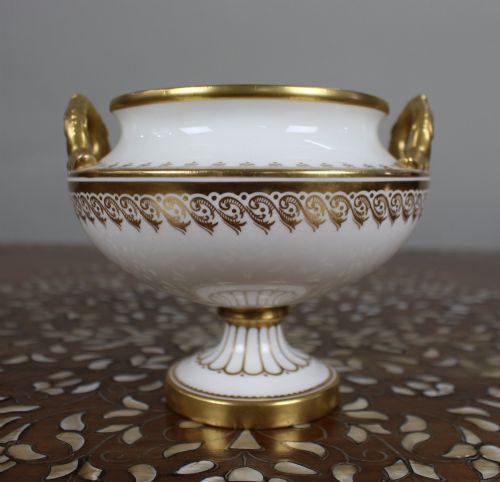
An antique ceramic compote bowl serves as an elevated vessel or tazza designed for display on a dining table or sideboard. These pieces emerge in various forms such as footed bowls, pedestal vessels, and elaborate centrepieces adorned with figures.
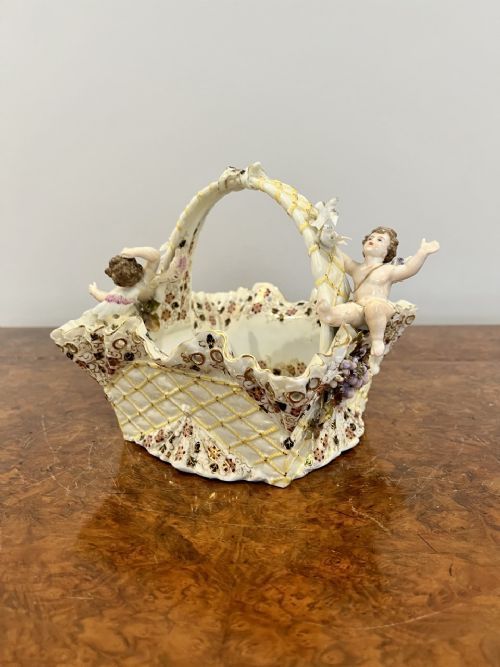
The selections span from Georgian ironstone comports and Regency porcelain vases to ornate Victorian majolica and German porcelain centrepieces decorated with putti and applied roses. Buyers regularly encounter pieces originating from English factories and continental workshops dating across the nineteenth and early twentieth centuries.
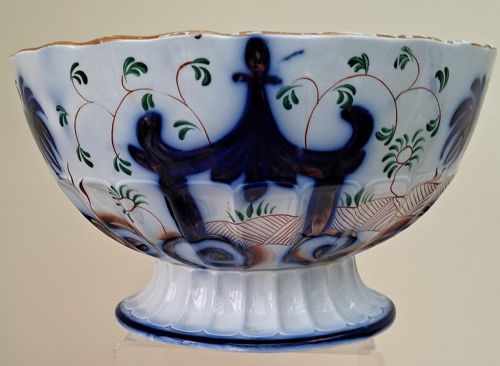
Makers utilise raised pedestals and footed bases to lift the bowl above the table surface, fulfilling both ornamental and serving purposes. The forms encompass simple blue and white patterns as well as heavily gilded Rococo Revival designs.
How They Were Made
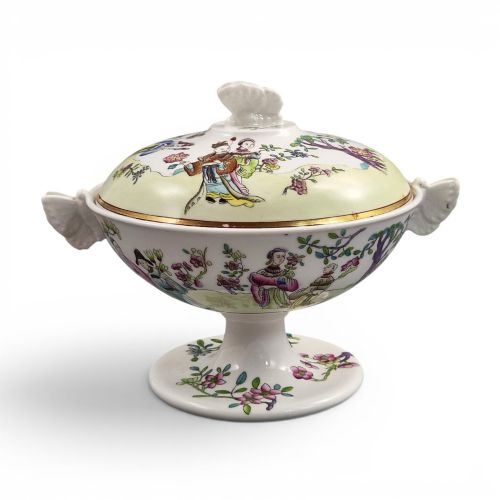
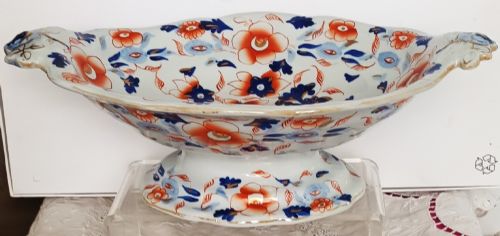
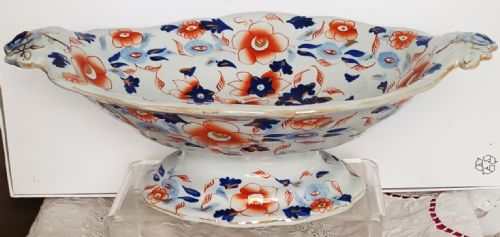
Potters shape these vessels using porcelain, ironstone, earthenware, and pearlware, often applying detailed glazes and enamel colours. Artisans incorporate hand-painting alongside transfer printing, particularly in blue and white patterns or colourful Japan designs.
Gilding, gold leaf, and ormolu mounts appear across many examples, highlighting handles, rims, and pedestals. Sculptural elements like cherubs, putti, and floral appliqués are moulded separately and attached before firing.
Object forms span simple lattice bowls and footed comports to elaborate figural centrepieces with putti.
What Varies in Quality
The application of gilding and the richness of glaze surfaces determine the refinement of the piece. Well-preserved enamel colours and intact gold leaf reflect careful maintenance alongside initial high-grade materials.
Coalport·Sèvres·Spode·Limoges·Ridgway·Ulisse Cantagalli·Schierholz·Mason’s·Minton·Wedgwood·Royal Worcester·Samson
The Antique Ceramic Compote Bowl Glossary
- Comport
- An elevated dish or bowl on a foot or pedestal, utilised for serving fruit or sweets on a dining table. These vessels form a primary focus of this category.
- Tazza
- A shallow saucer-like bowl mounted on a stem and foot, originating from Renaissance plate forms. They share similarities with footed comports and centrepieces.
- Ironstone
- A heavy, durable type of earthenware patented in the nineteenth century to imitate Chinese porcelain. Makers apply transfer-printed patterns such as Japan designs to these robust bodies.
- Majolica
- A type of earthenware coated in an opaque tin glaze and painted with brightly coloured metallic oxide glazes. Victorian examples frequently incorporate naturalistic leaf and figure motifs.
- Putti
- Representations of plump, winged infant figures, often modelled in porcelain on German and English centrepieces. They appear alongside floral garlands and fruit arrangements.
Antique Ceramic Compote Bowl: Frequently Asked Questions
What is an antique ceramic compote bowl used for?
These vessels function primarily as table centrepieces for displaying fruit, flowers, or sweetmeats during formal meals. In domestic settings, they act as decorative display pieces on sideboards or mantelpieces.
During the nineteenth century, larger centrepieces incorporated elaborate figures and stands to anchor elaborate tablescapes. Today, collectors utilise them as standalone decorative objects or functional fruit bowls.
How do I identify a Georgian compote?
Georgian pieces often feature ironstone or pearlware bodies decorated with transfer-printed blue and white patterns or Japan motifs. The forms tend toward sturdy footed bowls and simpler pedestal proportions compared to later Victorian designs.
Examining the glaze characteristics and the weight of the ceramic helps distinguish these earlier bodies from late nineteenth-century continental porcelain. Factory marks, where present, assist in confirming the production era.
How should I care for an antique porcelain centrepiece?
Gentle dusting with a soft, dry cloth maintains the surface without risking delicate applied elements like flowers or painted enamel. Hand washing in lukewarm water with mild soap suits robust ironstone, but gilded porcelain requires cautious avoidance of harsh detergents.
Keeping pieces away from direct sunlight preserves hand-painted enamel colours and prevents degradation of older adhesives used in past repairs. Sturdy placement prevents accidental tipping of top-heavy pedestal bowls.