
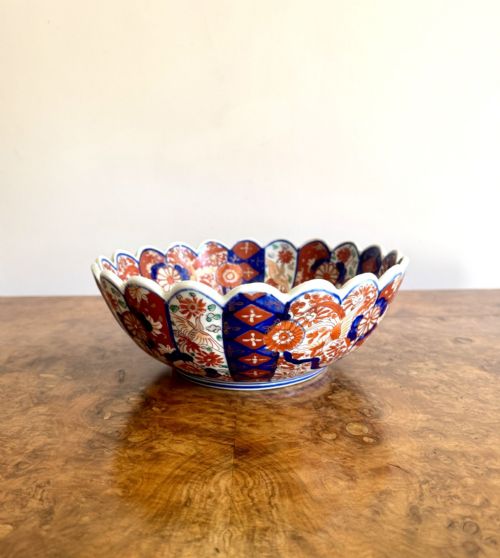


Antique Imari Fruit Bowl
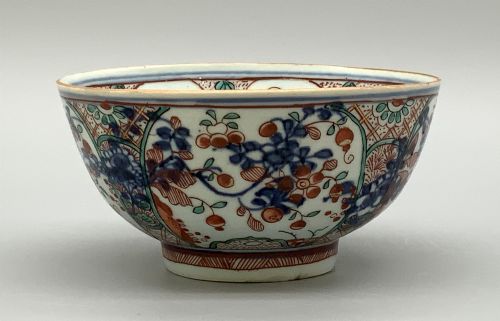
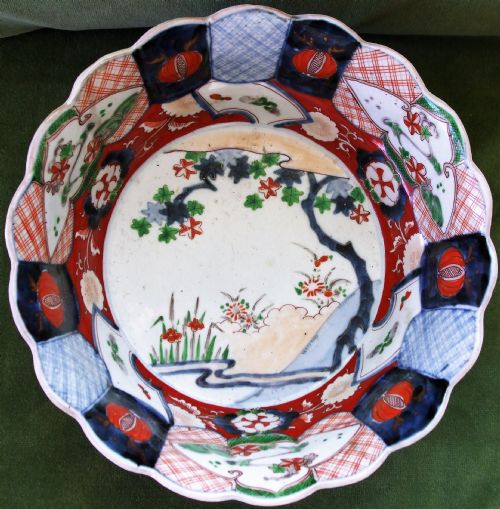
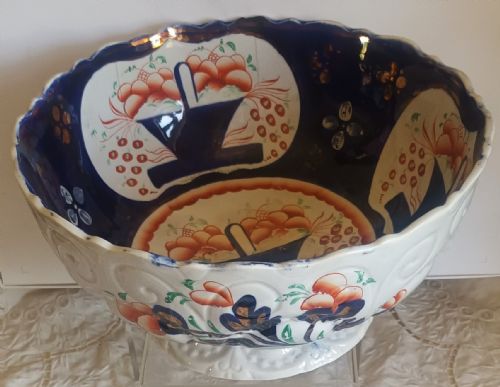
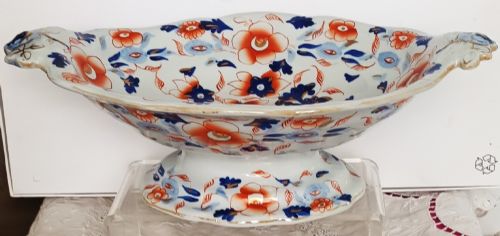
An antique imari fruit bowl brings rich iron-red, cobalt blue, and gilt decoration to the table, uniting Japanese craftsmanship with English and Welsh interpretations.
Antique Imari Fruit Bowl
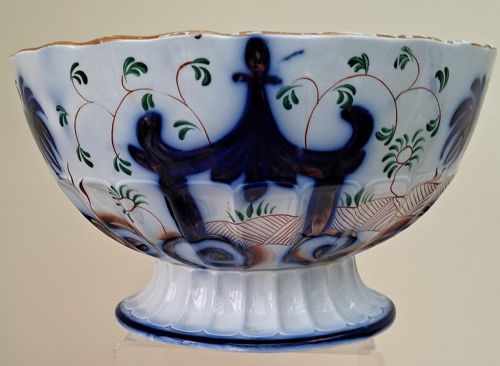
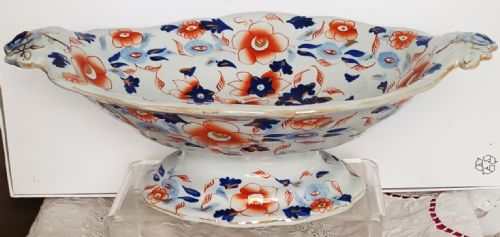
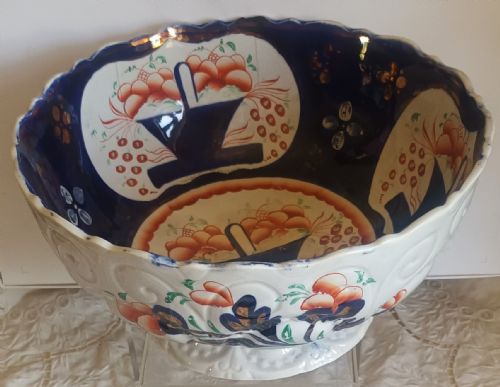
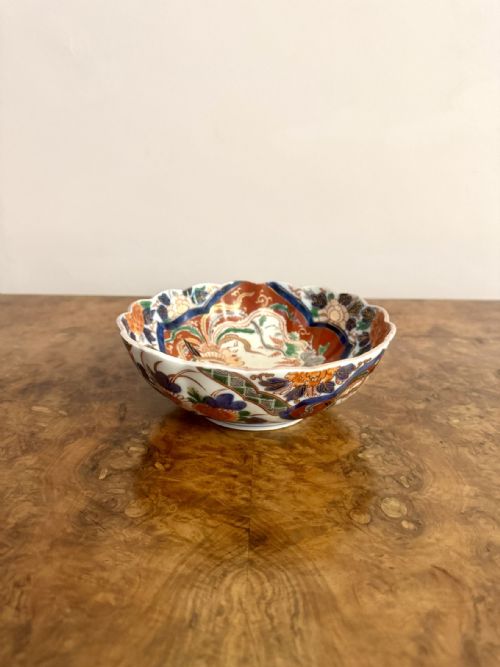
When searching for an antique imari fruit bowl, buyers encounter a mix of Japanese porcelain creations and British responses inspired by Eastern aesthetics. These pieces serve as decorative centrepieces, footed comports, and scalloped bowls intended to hold fruit or stand alone on a sideboard.
The Japanese examples span the Edo, Meiji, and later nineteenth-century periods, often featuring distinctive fluted or scallop-shaped edges. Alongside them sit English ironstone and earthenware adaptations from the Georgian and Victorian eras, including Gaudy Welsh patterns and Chamberlain Worcester porcelain.
How they were made
Makers shaped these bowls from porcelain, ironstone, and earthenware before applying underglaze blue and overglaze enamel colours. Many pieces incorporate gold leaf or gilt details to highlight the intricate compartmentalised patterns.
Potters utilised high-firing techniques for the ceramic body, followed by meticulous hand-painting of floral and architectural motifs. Some footed comports and centrepieces also relied on specialist glaze formulations to achieve a durable, glossy finish.
Listings feature porcelain, ironstone, and earthenware items spanning the eighteenth, nineteenth, and early twentieth centuries.
What varies in quality
Quality rests in the crispness of the hand-painted cobalt blue and the vibrancy of the iron-red enamels applied over the glaze. Superior examples display precise brushwork within complex panel designs and generous applications of gold leaf.
The weight and refinement of the ceramic body also separate finer porcelain bowls from heavier ironstone or earthenware pieces. Smooth potting, well-defined scalloped rims, and stable footed bases distinguish the most accomplished works.
The Antique Imari Fruit Bowl Glossary
- Imari
- A style of Japanese porcelain featuring a distinct palette of underglaze cobalt blue, iron-red enamel, and gold leaf. The tradition originated in the town of Arita and was widely exported to Europe.
- Comport
- A pedestal bowl or dish raised on a high foot, traditionally used for serving fruit or sweetmeats at the table. These pieces often feature prominently in Georgian and Victorian dining arrangements.
- Ironstone
- A type of durable earthenware patented in the nineteenth century as a hard-wearing alternative to porcelain. It readily absorbed colourful enamel decorations such as the popular Japan patterns.
- Meiji Period
- An era in Japanese history spanning from eighteen sixty-eight to nineteen twelve, noted for the flourishing export of decorative arts including elaborate porcelain bowls.
- Gaudy Welsh
- A style of colourful earthenware pottery produced in Wales during the nineteenth century, characterised by bright cobalt blue, iron-red, and copper lustre motifs.
Antique Imari Fruit Bowl: Frequently Asked Questions
Are these bowls safe for serving fruit?
Most of these bowls were originally created as decorative centrepieces, comports, or display vessels rather than heavy-use tableware. While they can hold dry fruit for display, acidic foods might affect older glazes and enamels over time.
Examine the interior glaze for any wear or crazing before using the bowl for food. For pieces with extensive gilt or enamel highlights, gentle display remains the safest option.
How can I tell Japanese imari from English imari?
Japanese examples are typically fashioned from true porcelain, showing a lighter weight and finer translucency under strong light. The potting often includes characteristic spur marks on the base from the kiln.
English and Welsh interpretations, such as those in ironstone or earthenware, feel heavier and thicker in the hand. Their decorative palettes often adapt traditional Japanese motifs into distinct regional styles like Gaudy Welsh or Georgian ironstone.
What is a comport?
A comport is a decorative footed bowl or dish elevated on a pedestal base, designed to hold fruit or act as a centrepiece on a dining table. They were especially popular during the Georgian and Victorian periods.
These vessels bring height and architectural interest to a table setting or sideboard display. They frequently appear in durable ironstone china as well as finer porcelain bodies.
How do I date an antique imari bowl?
Dating relies on examining the ceramic body, glaze characteristics, and decorative style alongside any historical patterns recorded by the maker. Nineteenth-century pieces often display specific Victorian or Meiji period traits in their brushwork.
Look at the base of the bowl for potting marks, ironstone stamps, or stylistic cues. Comparing the compartment panel layouts to known production eras helps narrow down the decade of manufacture.