
Antique Ceramic Milk Pitcher
These antique ceramic milk pitcher pieces are practical vessels with historical presence that add genuine character to a kitchen or table.

What they are
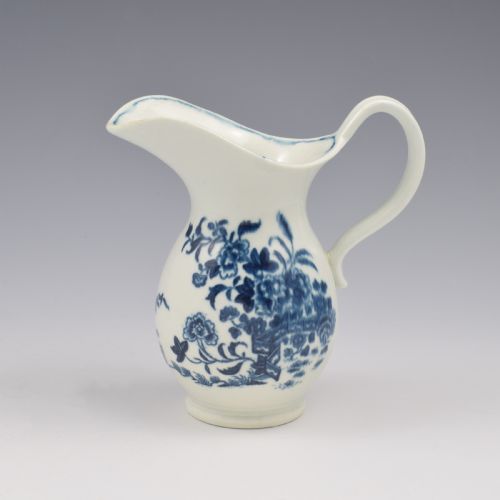
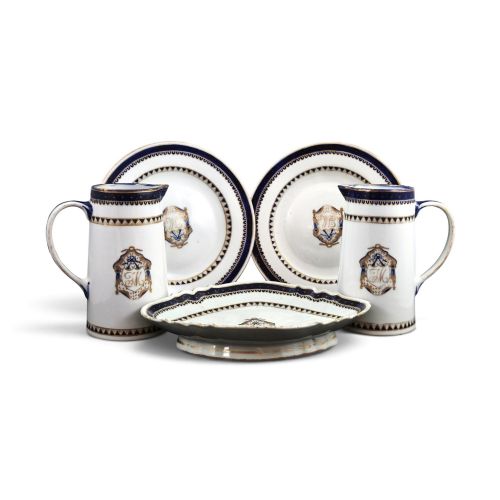
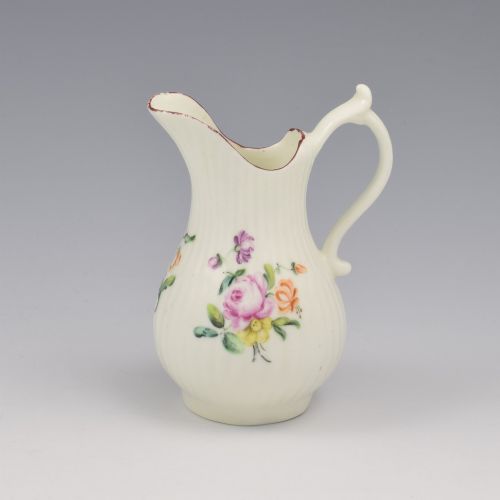
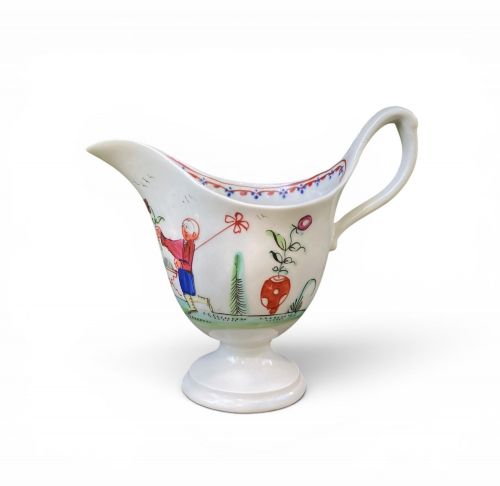
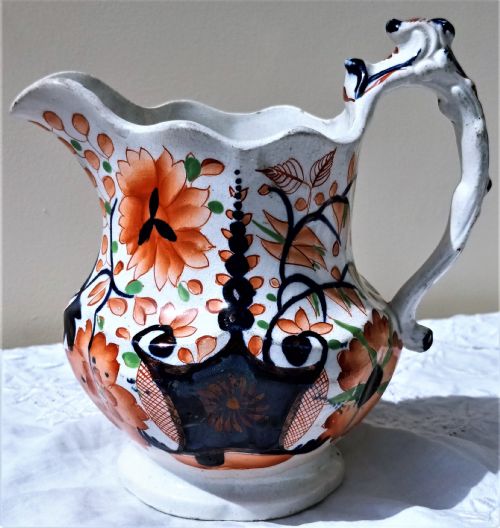
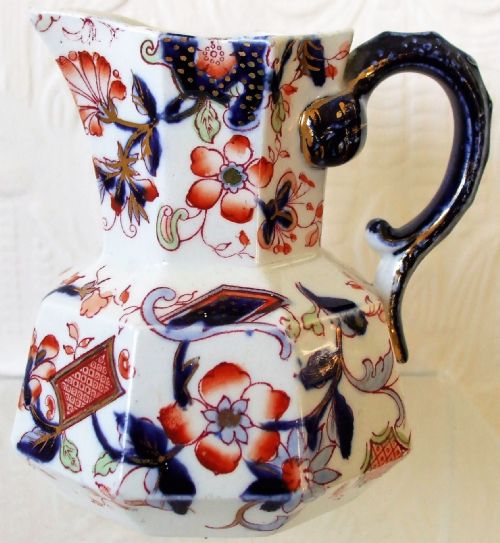
When you search for an antique ceramic milk pitcher, you encounter functional serving vessels from the Victorian and early Victorian periods.
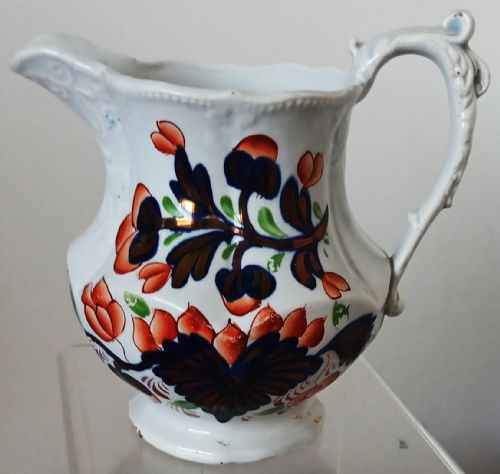
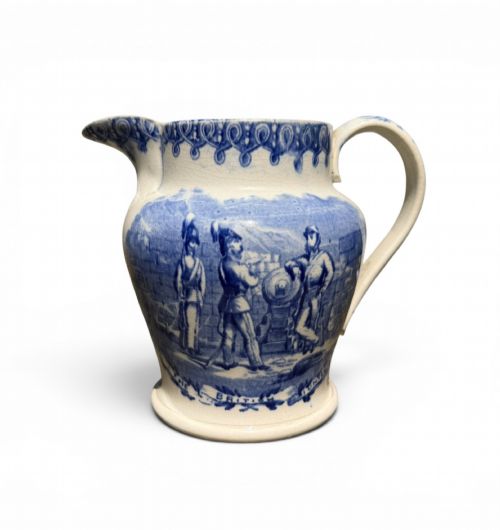
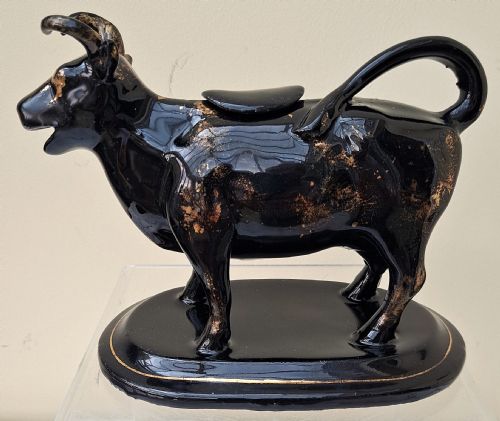
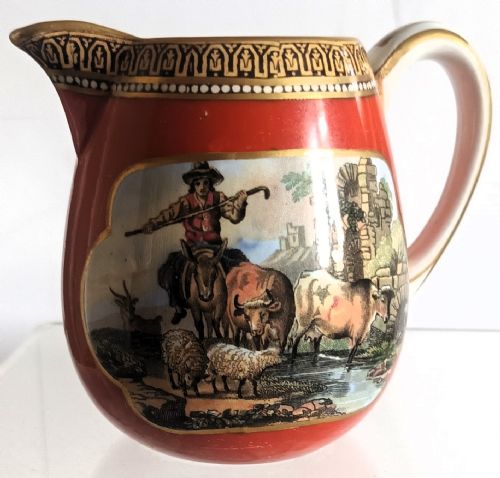
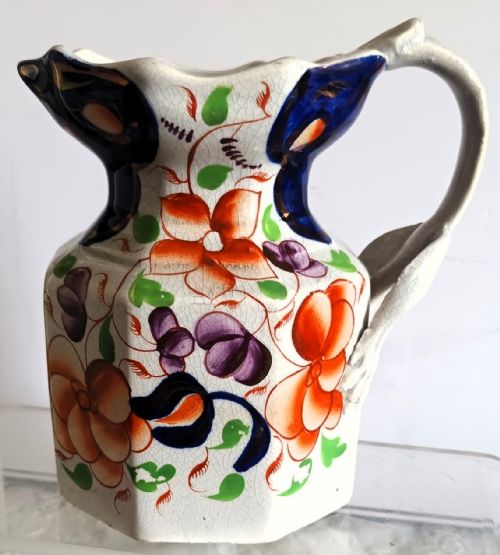
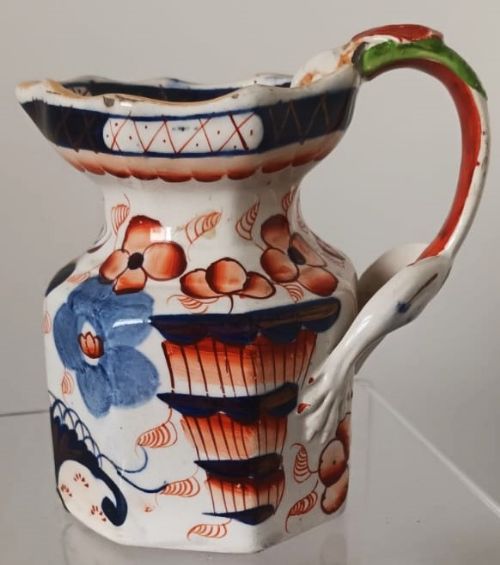
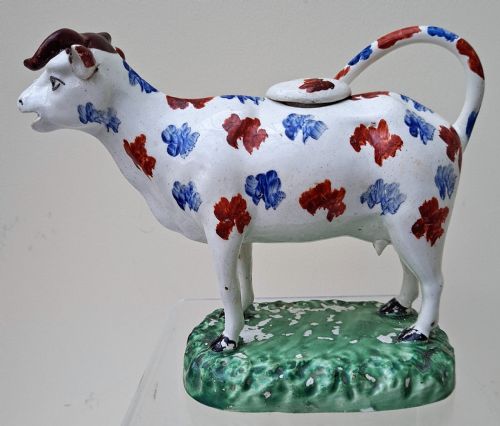
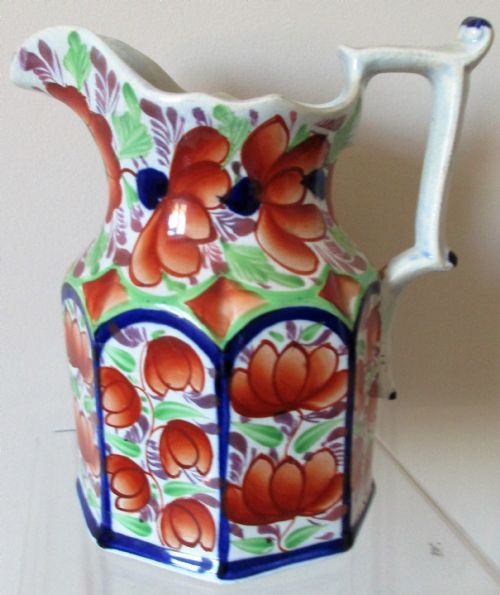
The selections available include milk jugs and cream jugs in distinct styles such as early Staffordshire.
These items reflect nineteenth-century domestic habits and table settings.
How they were made
Potters utilised earthenware and glazed ceramic bodies to form the core structure of each jug.
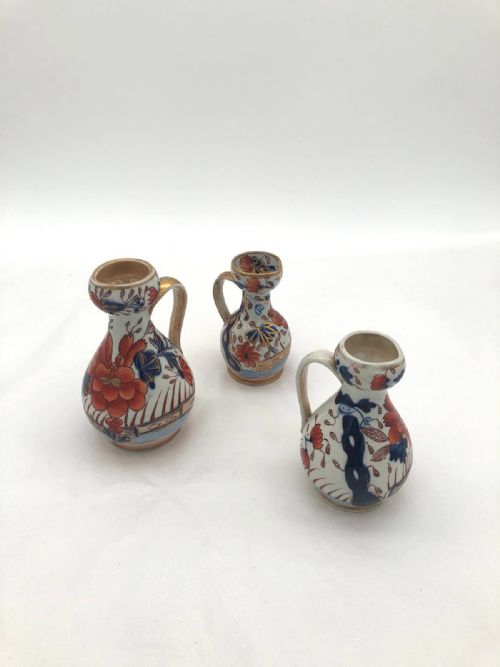
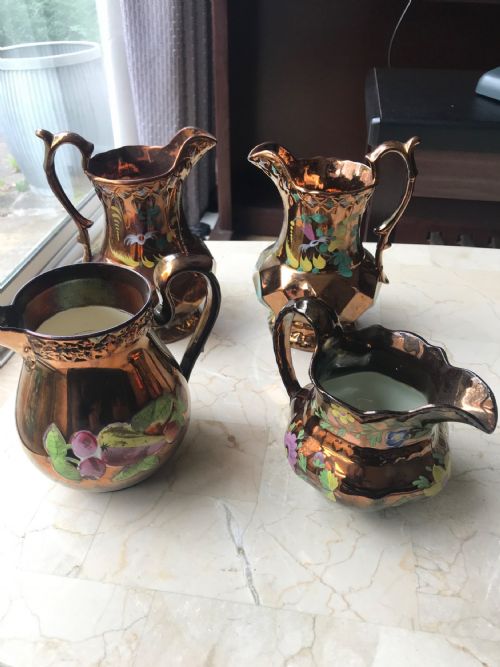
Surface decoration frequently involved copper lustre glaze and enamel applied over the fired clay.
Current listings feature earthenware and glazed ceramic materials from the Victorian and 19th century periods.
What varies in quality
The sophistication of the glaze application and the richness of the copper lustre separate everyday examples from more refined pieces.
Modelling precision in the handle and spout shape distinguishes standard utilitarian vessels from superior productions.
The Antique Ceramic Milk Pitcher Glossary
- Earthenware
- A porous pottery body fired at lower temperatures, requiring a glaze to hold liquids. It forms the foundation of many nineteenth-century domestic pitchers.
- Copper lustre glaze
- A metallic surface finish that creates a reflective, coppery sheen when fired. This technique was popular in Staffordshire potteries.
- Milk jug
- A domestic vessel designed for pouring milk at the table. These pieces mirror the changing domestic fashions of the Victorian era.
- Cream jug
- A smaller pouring vessel traditionally used for serving rich cream. They share the materials and forms of their larger milk-jug counterparts.
Frequently Asked Questions
What is an antique ceramic milk pitcher?
These are nineteenth-century serving vessels created from earthenware and glazed ceramics.
They function as milk jugs or cream jugs originating from the Victorian period.
How were these pitchers used?
Victorian households utilised these jugs for serving milk or cream at the dining table.
Their practical design made them central to daily tea and breakfast service.
How do I identify early Staffordshire pieces?
Staffordshire jugs often feature specific decorative techniques like copper lustre glaze and enamel.
They date from the nineteenth century and reflect regional pottery traditions.
Are these pitchers waterproof?
Glazed ceramic and earthenware bodies are generally sealed against liquid.
Historic glazes ensure the vessels remain functional for everyday pouring tasks.